

Diamond Earrings
As an Amazon Associate, DreamPigeon earns from qualifying purchases. Prices and availability are accurate as of the date/time indicated and are subject to change.
Guide to Diamond Earrings
Diamond earrings are the benchmark of fine jewellery. A pair of diamond studs is one of the most recommended first purchases in jewellery because they go with everything, last a lifetime, and hold their value. Beyond studs, diamond earrings span hoops, drops, huggies, and chandeliers — each style shifting the diamond from understated to spectacular.
The 4Cs and How They Apply to Earrings
Cut is the most important factor for diamond earrings. A well-cut diamond reflects light brilliantly, which is what you notice from across a room. For earrings, prioritise cut quality over size. Colour matters less in earrings than in rings because earrings are seen from a distance and set against skin and hair. A G-H colour grade looks white to the eye and saves money over D-F grades. Clarity is the least critical for earrings — inclusions visible under magnification disappear at arm’s length. SI1-SI2 grades are perfectly fine. Carat weight determines size and price — 0.5 to 1 carat total weight (both earrings combined) is the most popular range for everyday diamond studs.
Diamond Earring Styles
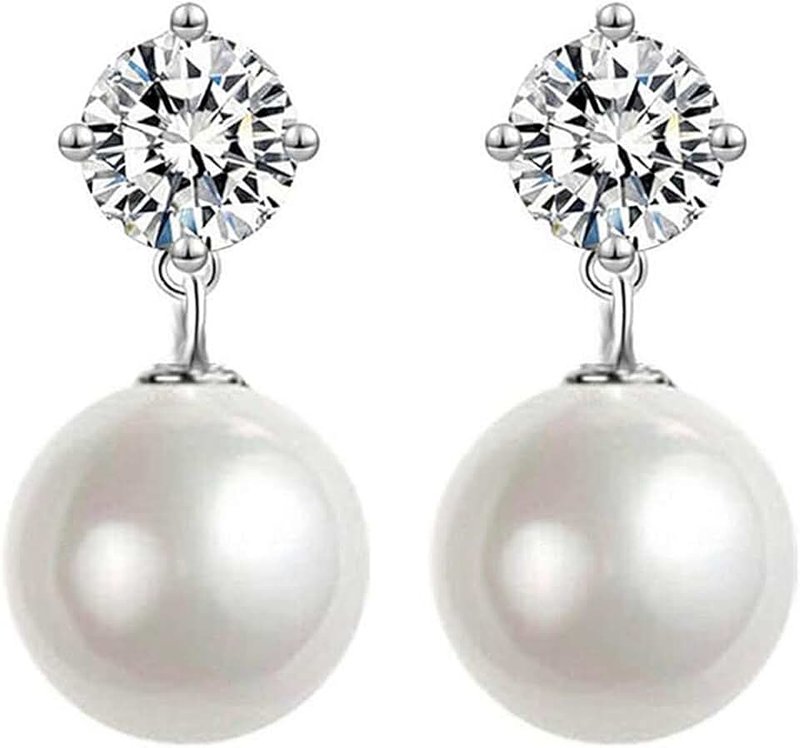
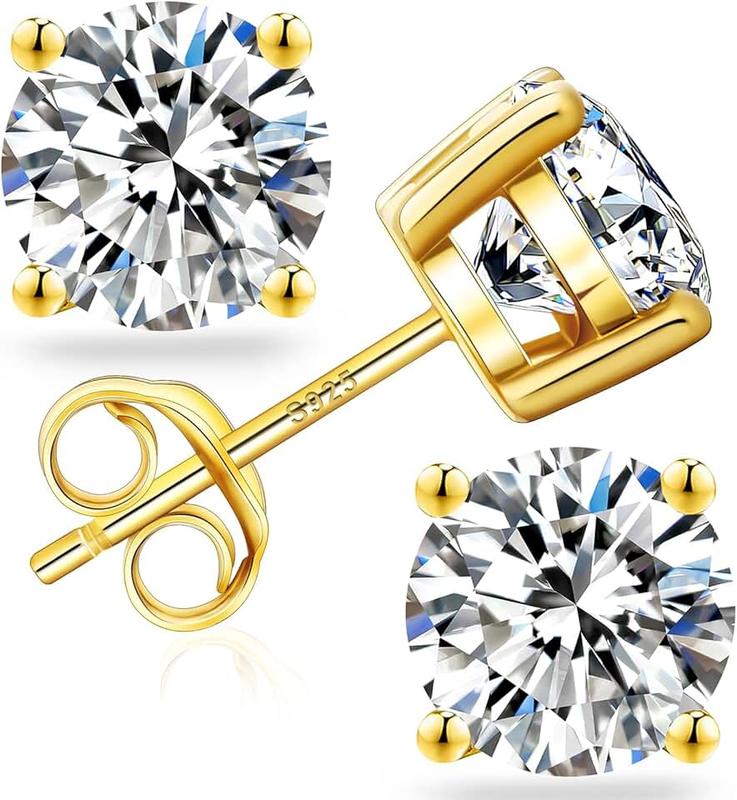
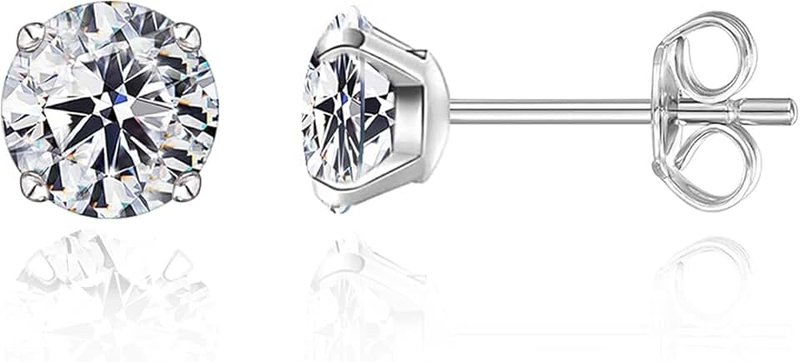
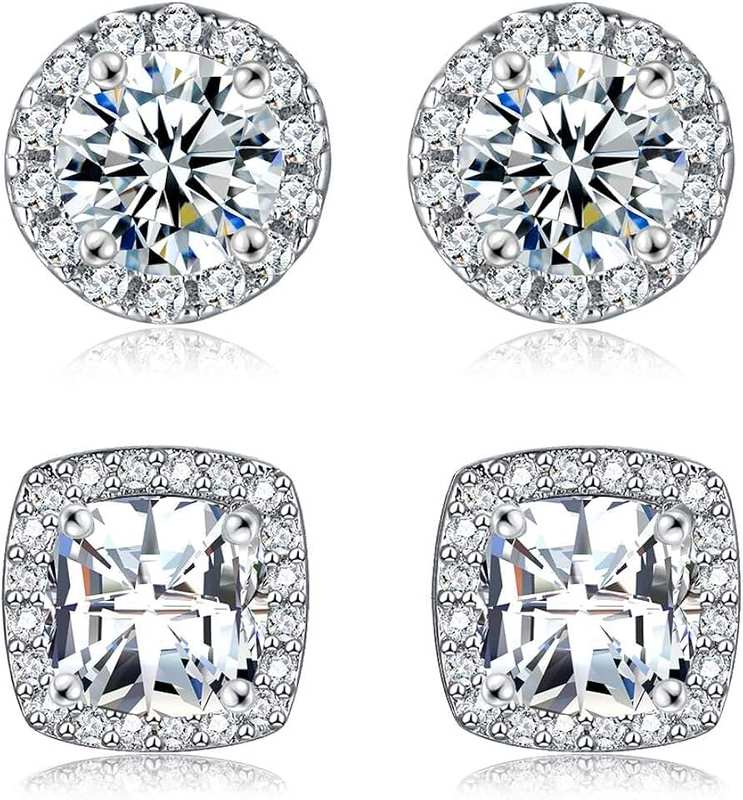
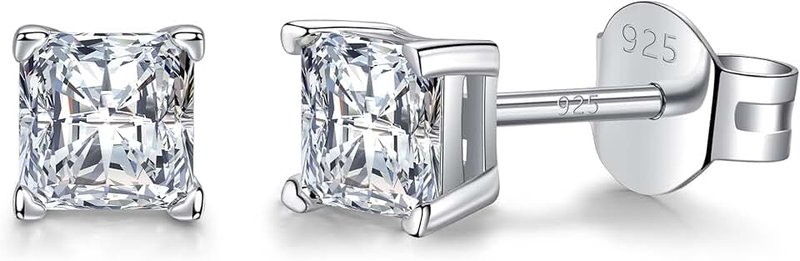
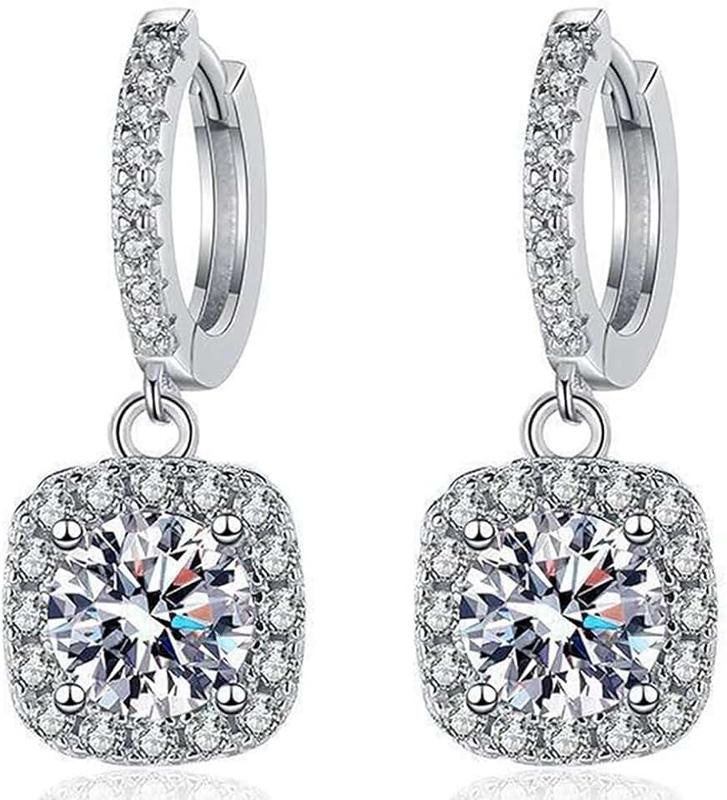
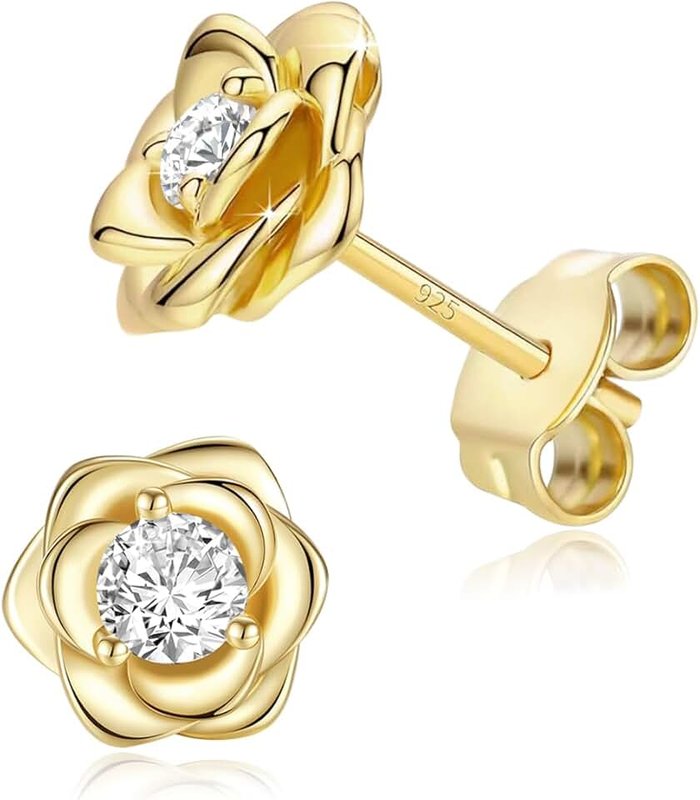
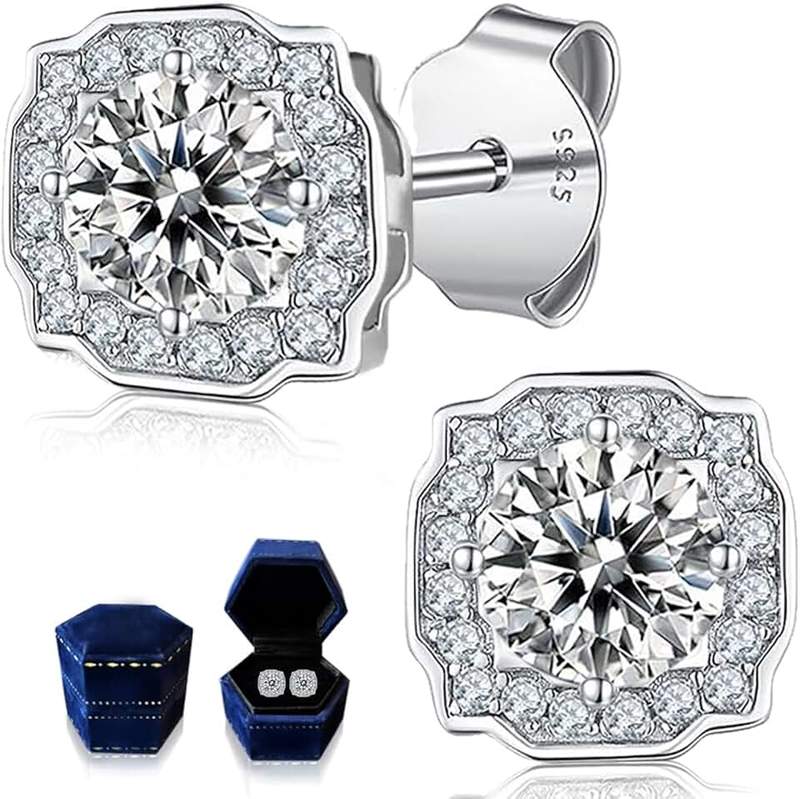
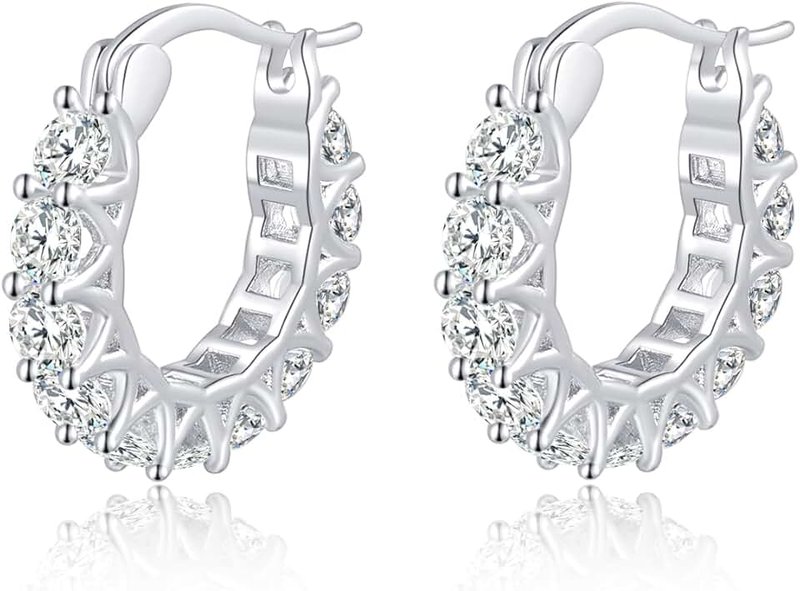
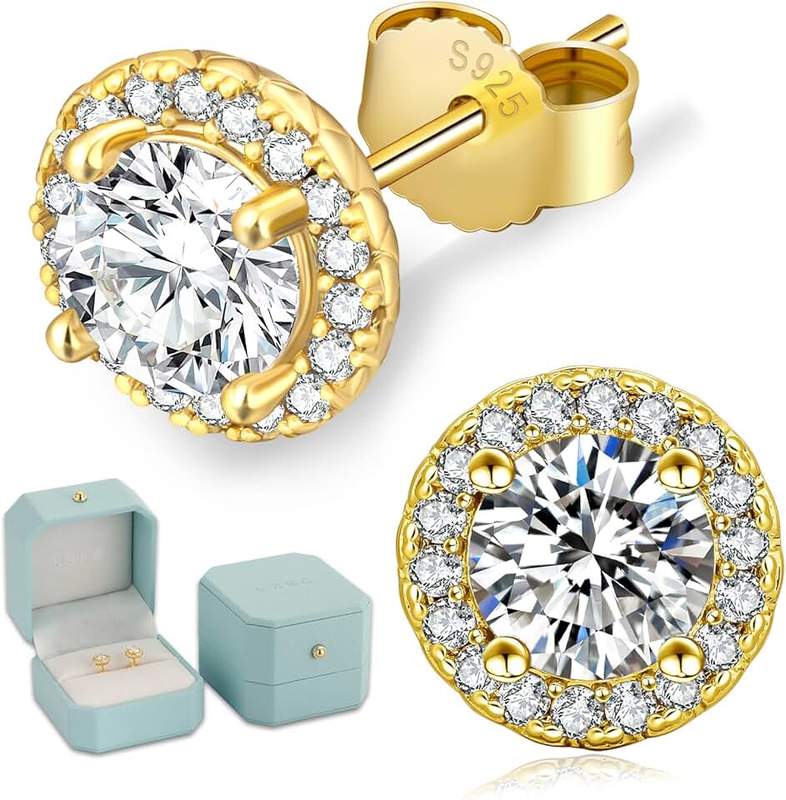
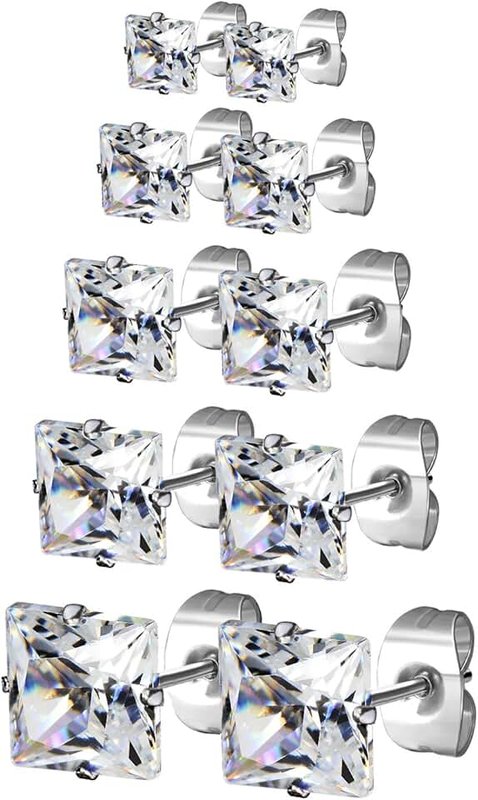
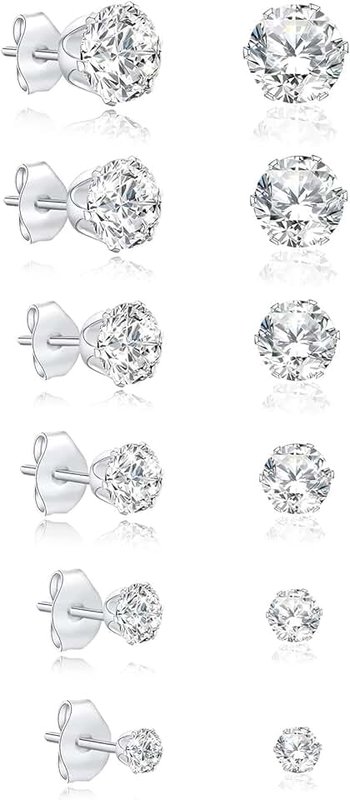
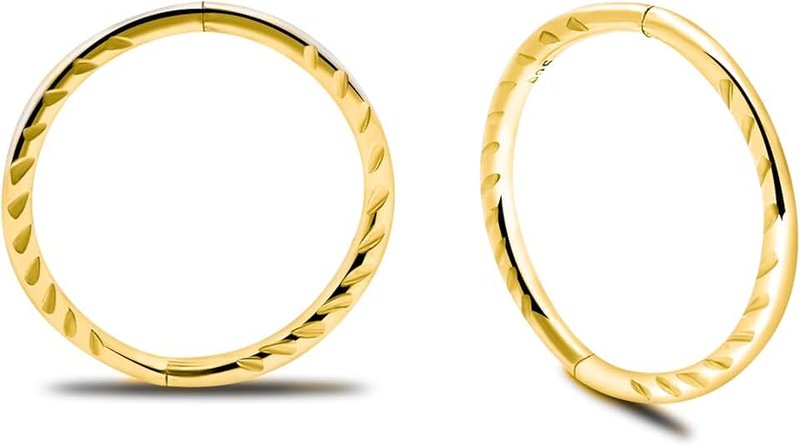
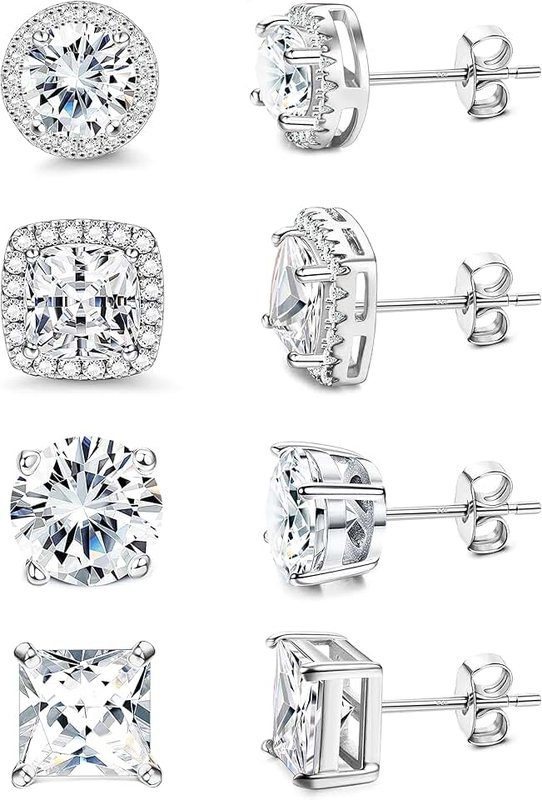
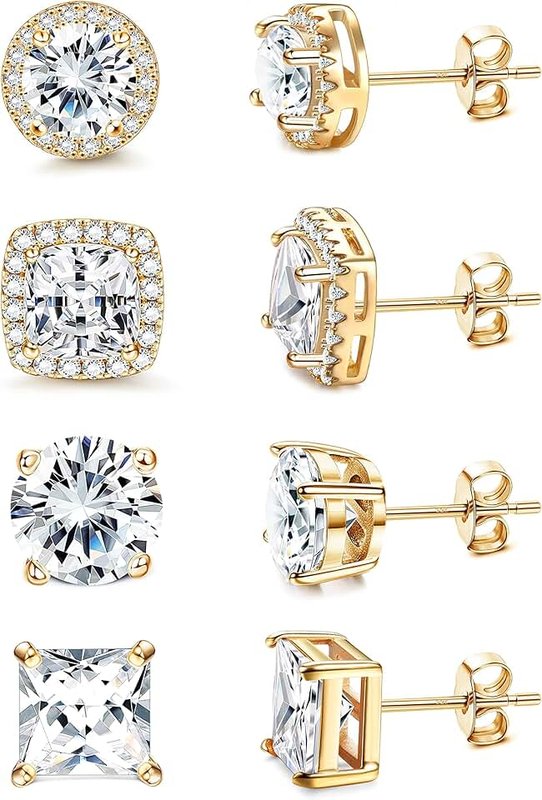
Diamond stud earrings are the essential pair. A round brilliant diamond in a four-prong or bezel setting is the classic. Hoop styles feature stones set along the inside, outside, or both surfaces of the hoop — from delicate pave to channel-set. Drop designs add length and movement, with the diamond suspended below the earlobe. Diamond earrings in the huggie style are small hoops that “hug” the earlobe, paved with tiny stones. Cluster earrings group smaller diamonds together to create the visual impact of a larger stone at a lower cost.
Settings for Diamond Earrings
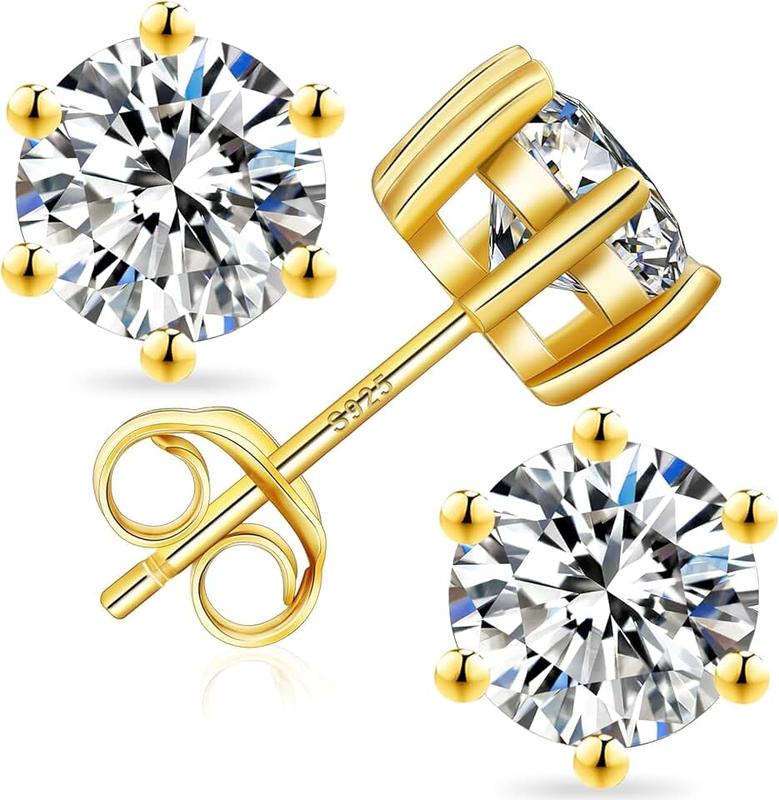
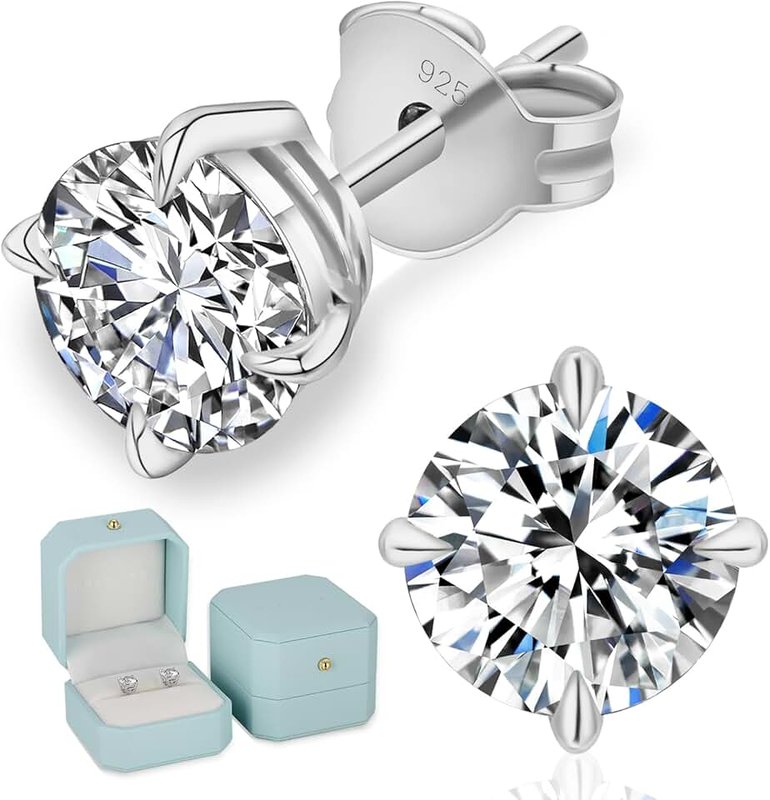
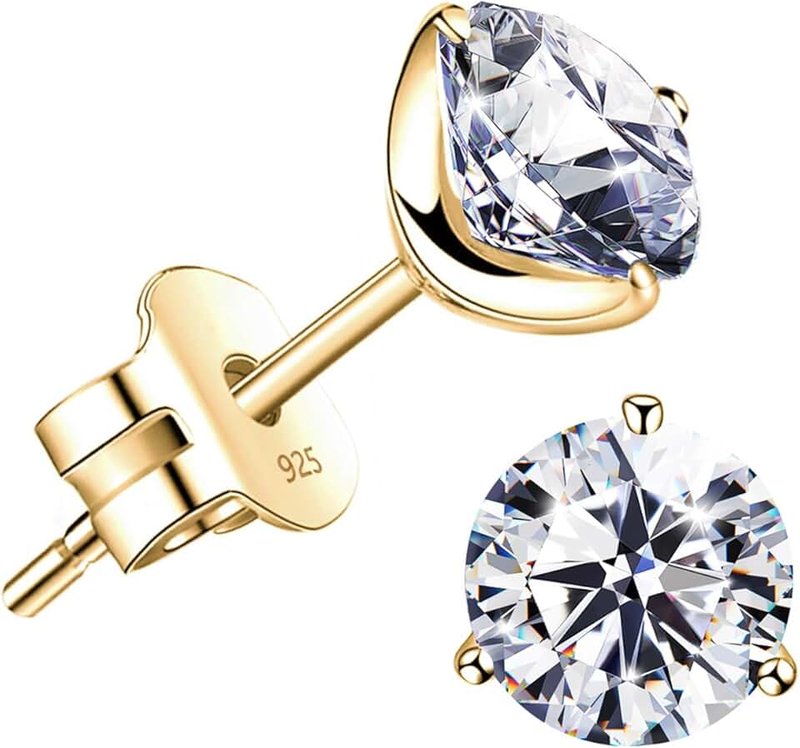
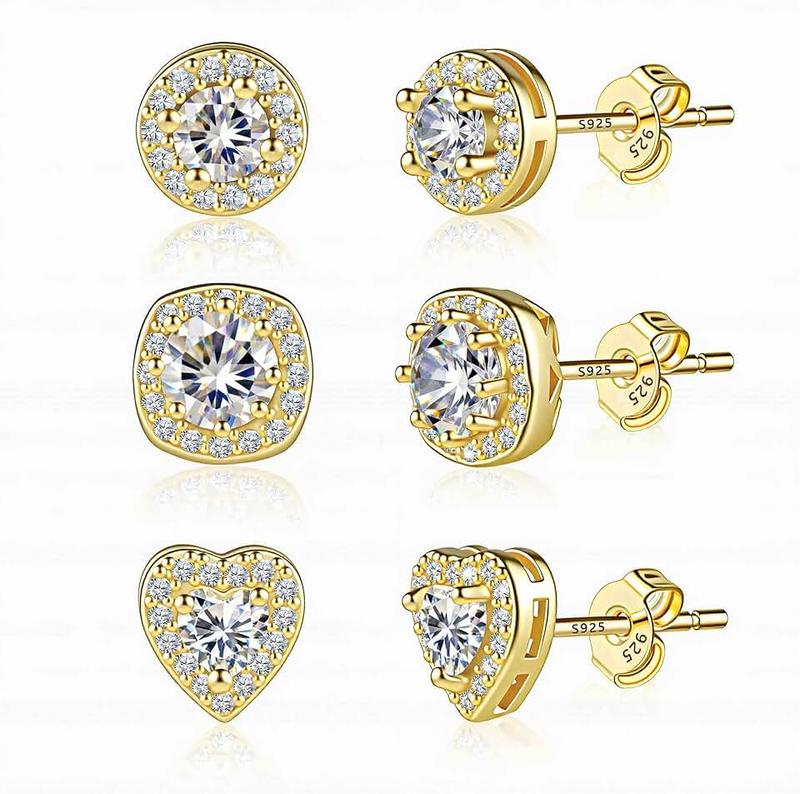
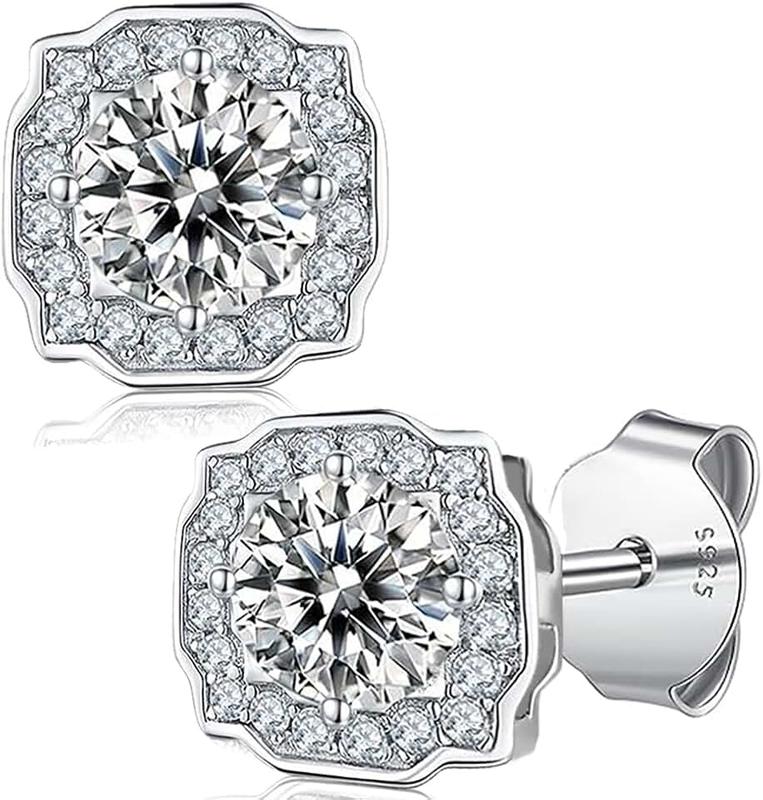
Prong settings (three, four, or six prongs) maximise light exposure and brilliance. They are the standard for studs. Bezel settings encircle the diamond in a metal rim — more secure and modern-looking, but slightly less brilliant because the edges are covered. Pave settings use tiny diamonds set closely together to create a surface of sparkle — common on hoops and huggie earrings. Channel settings place diamonds in a groove between two metal walls — secure and sleek, popular in hoop styles. Halo settings surround a centre diamond with a ring of smaller stones, making the centre stone appear larger.
Lab-Grown vs Natural Diamonds
Lab-grown stones in earring settings are physically and chemically identical to natural diamonds. They cost 30 to 50 percent less for the same size and quality. For earrings — where resale value matters less than visual impact — lab-grown diamonds offer exceptional bang for your dollar. Natural diamonds hold their value better over time and carry traditional prestige. Both look the same on the ear. The choice comes down to budget and personal values.
Metal Pairings
White gold and platinum complement diamonds best because the cool-toned metal enhances the diamond’s white sparkle without adding colour. Yellow gold creates a warmer, more classic look and can make lower-colour diamonds (I-J grade) appear slightly warmer. Rose gold with diamonds has a romantic, vintage feel. For the whitest diamond appearance, white gold or platinum is the go-to.
Care and Security
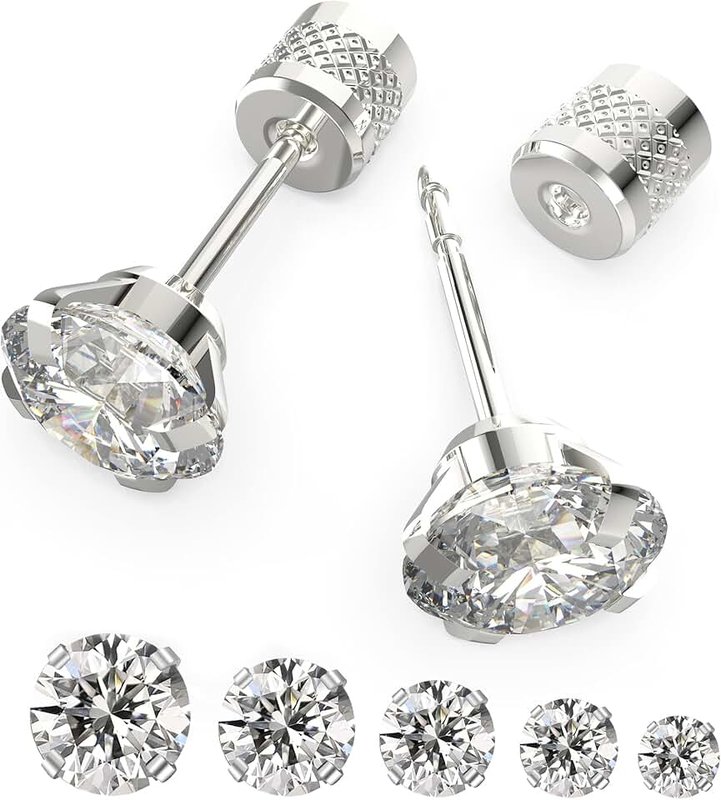
These are an investment — secure backings matter. Screw-backs and locking backs prevent loss. Push-backs are convenient but less secure. Clean them with warm soapy water and a soft brush every few weeks to maintain brilliance. Have prong settings checked annually — a loose prong is how you lose a diamond. Store separately from other jewellery to prevent the diamonds from scratching softer metals and stones. Insure valuable pieces — earrings are one of the most commonly lost jewellery items.
What carat size is best for diamond stud earrings?
0.5 to 1 carat total weight (both earrings) is the most popular for everyday wear. This size is noticeable without being flashy. For more impact, 1 to 2 carats total weight makes a stronger statement. Go with the best cut quality you can afford within your size preference.
Are lab-grown diamond earrings worth buying?
For the wearer, absolutely. Lab-grown diamonds are identical to natural diamonds in appearance, hardness, and brilliance. You get a larger, higher-quality stone for 30-50% less. They lack the resale premium of natural diamonds, but for personal jewellery, the savings are significant.
How do I stop diamond earrings from falling out?
Use screw-back or locking-back earrings for the most security. If your earrings have push-backs, swap them for silicone disc backs, which grip the post more firmly. Check that backs are snug before leaving the house. Avoid wearing expensive diamond earrings during physical activity.
What diamond shape is best for earrings?
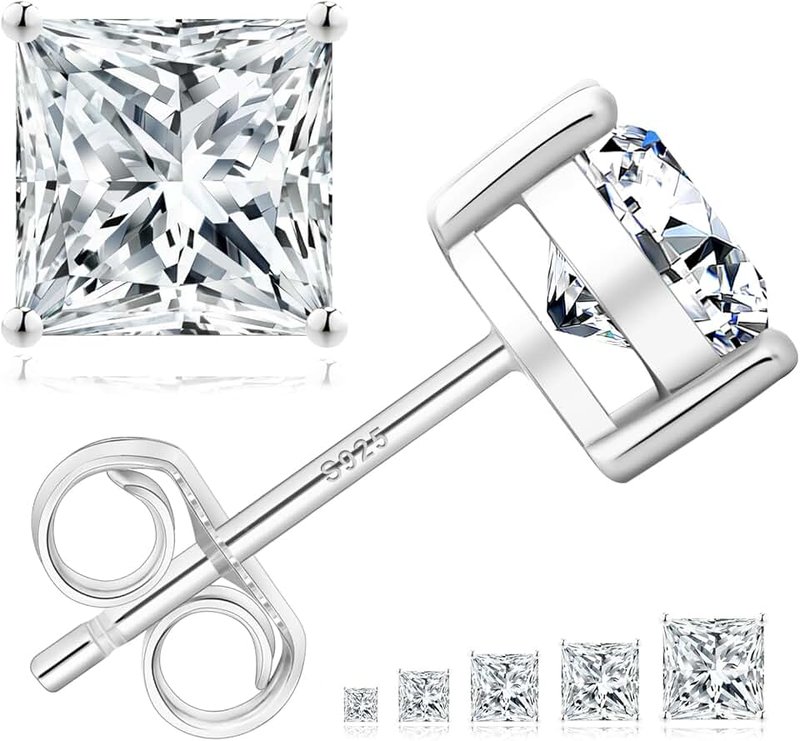
Round brilliant is the most popular and versatile — it maximises sparkle. Princess cut (square) offers a modern alternative. Pear-shaped diamonds suit drop earrings beautifully. Oval diamonds create an elongating effect. Choose the shape that matches your personal style and the earring design.
How often should I clean diamond earrings?
Every two to three weeks for earrings you wear daily. Oil from skin and hair builds up on the diamond surface and dulls its brilliance. A quick soak in warm soapy water followed by a gentle brush restores the sparkle. Annual professional cleaning and prong check is recommended.