

Hypoallergenic Earrings
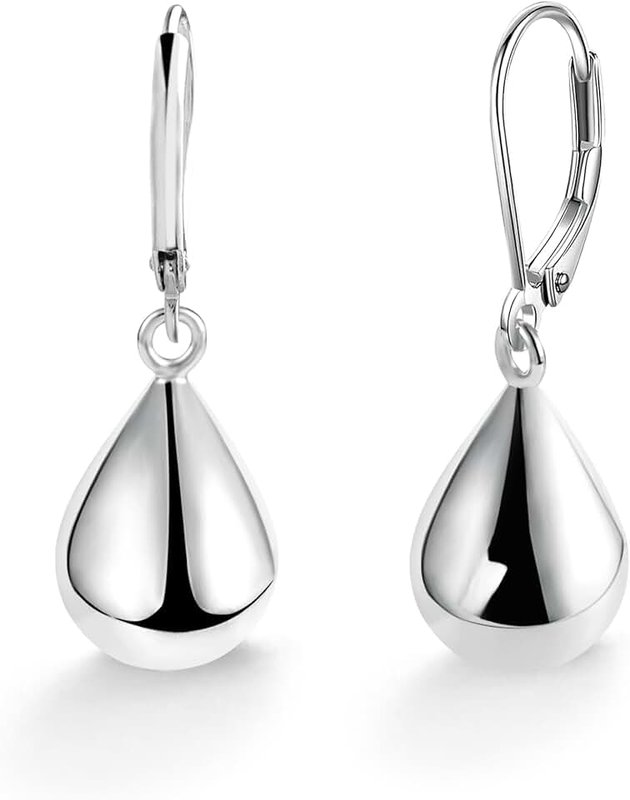
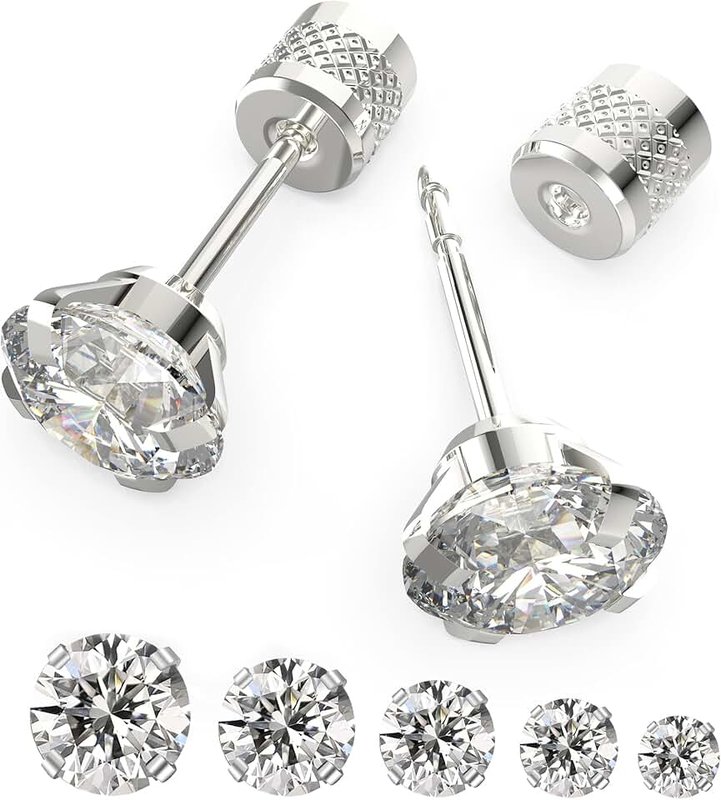
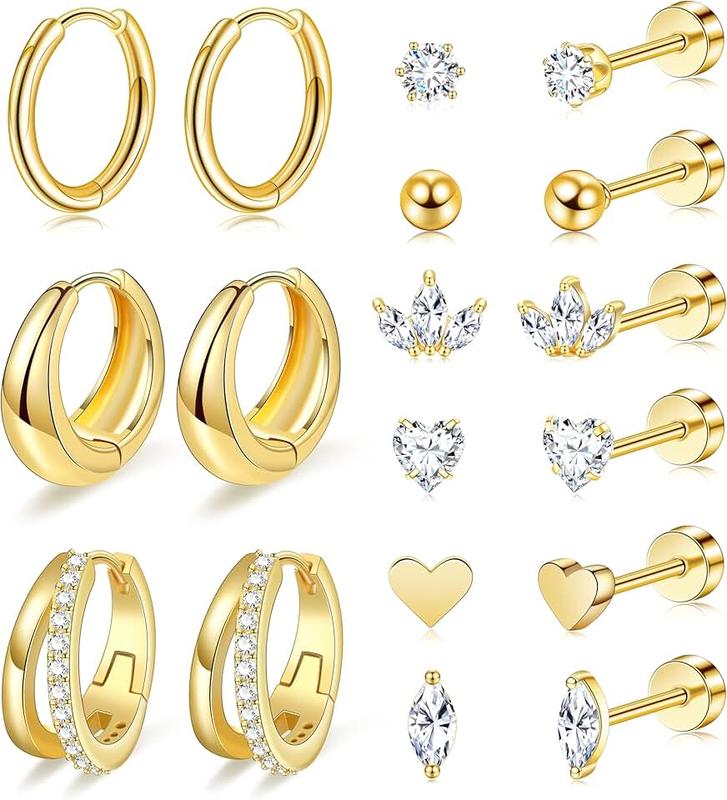
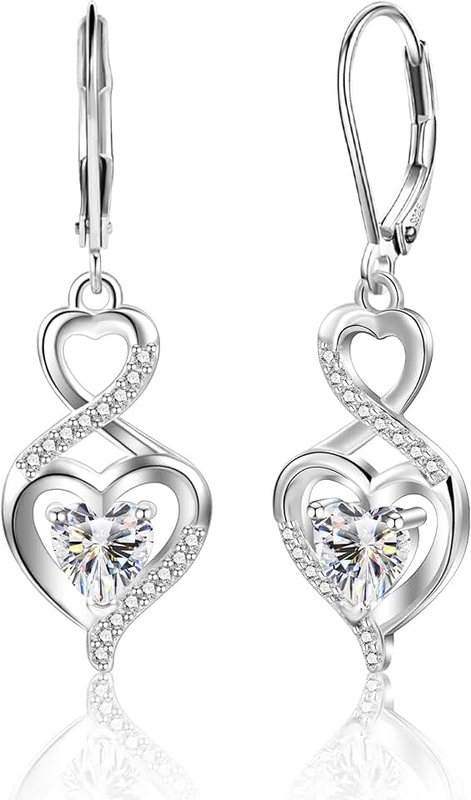
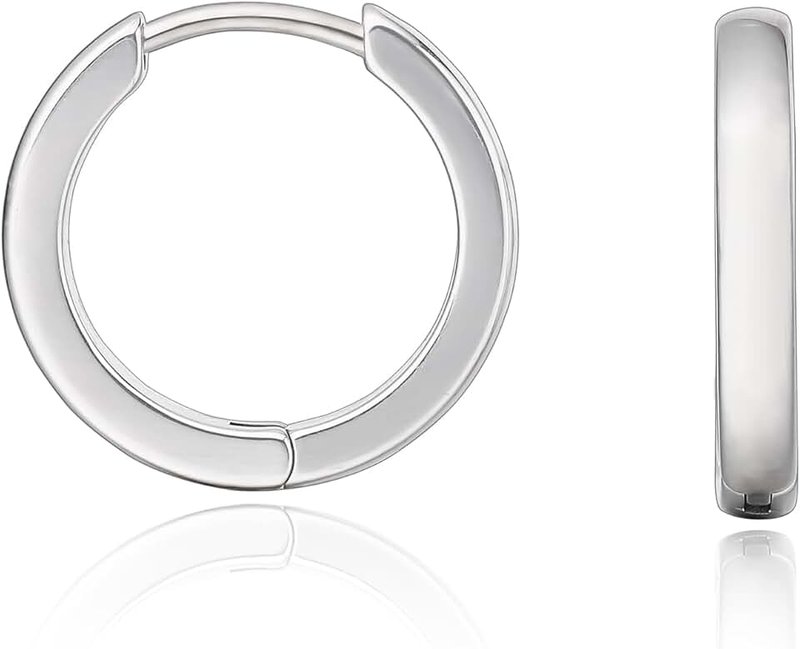
ALEXCRAFT Sterling Silver Dangle Earrings for Women Trendy...
$19.99 $16.99 (15% off)
View on Amazon
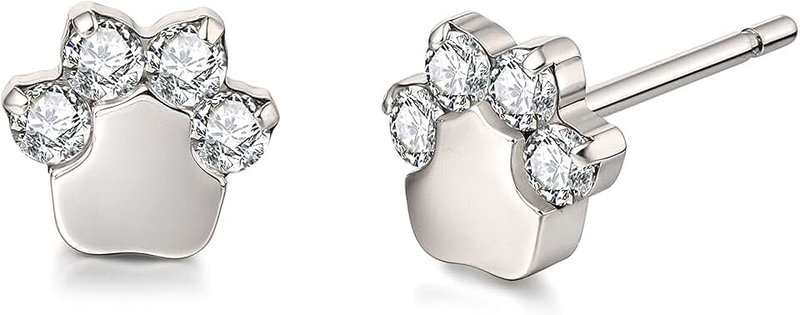
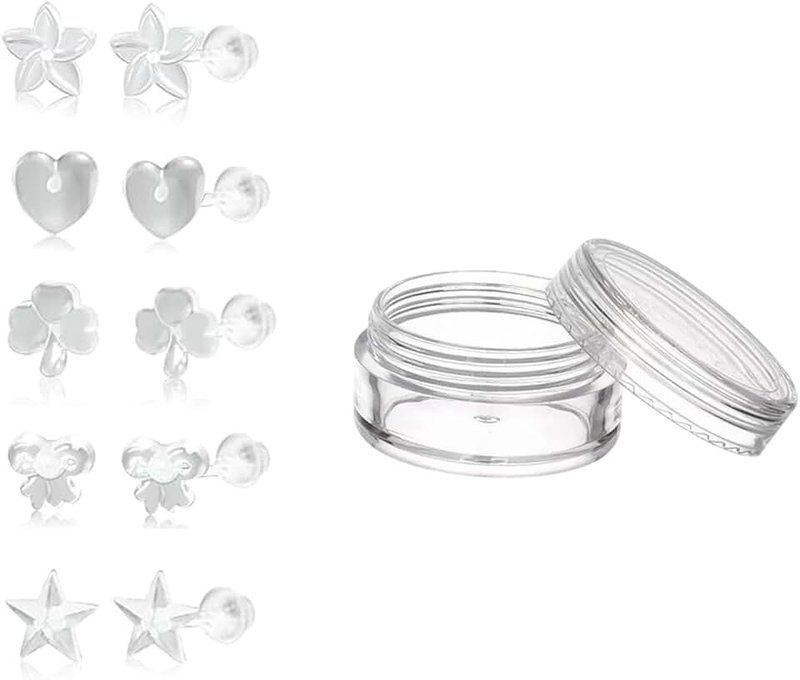
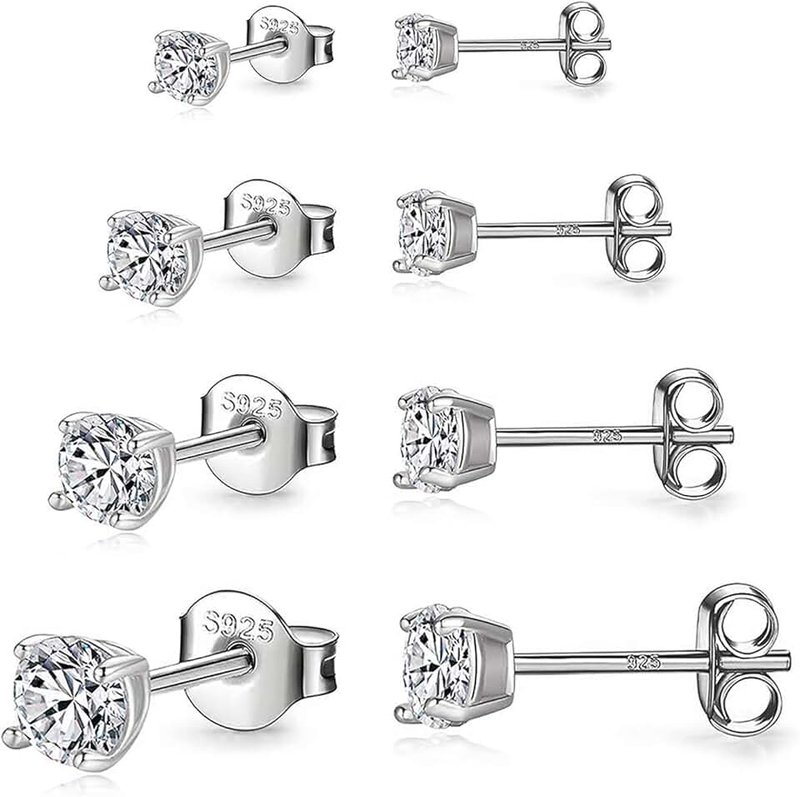
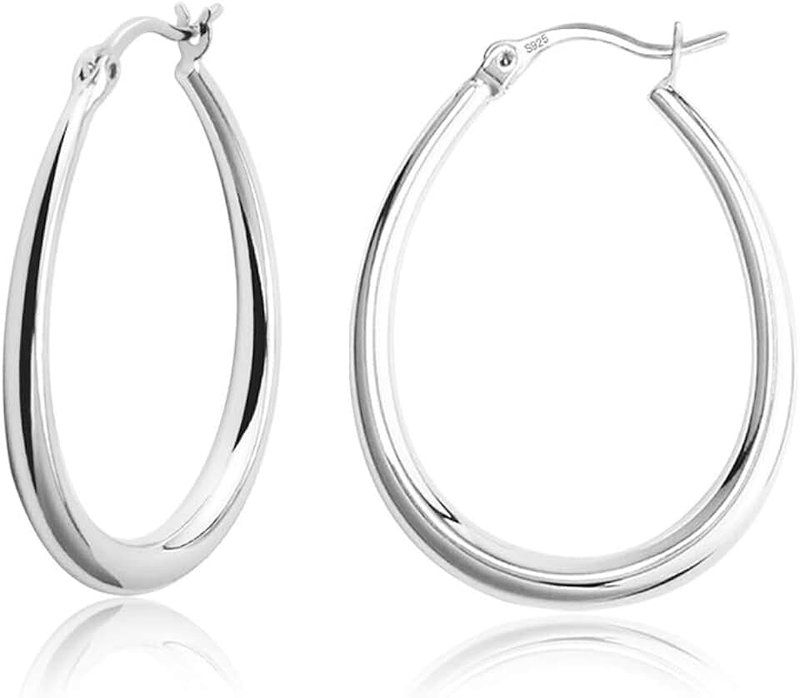
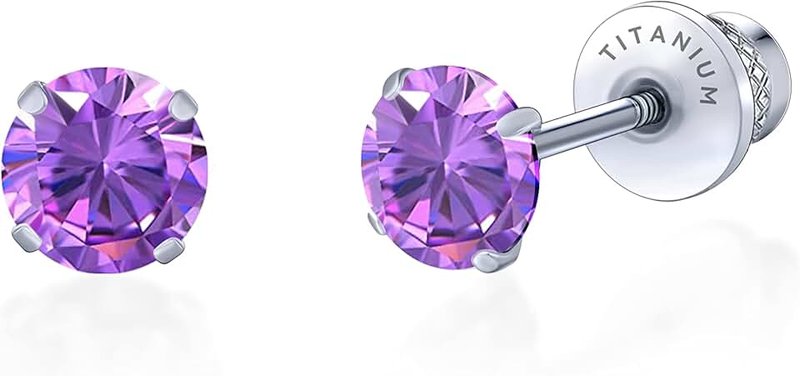
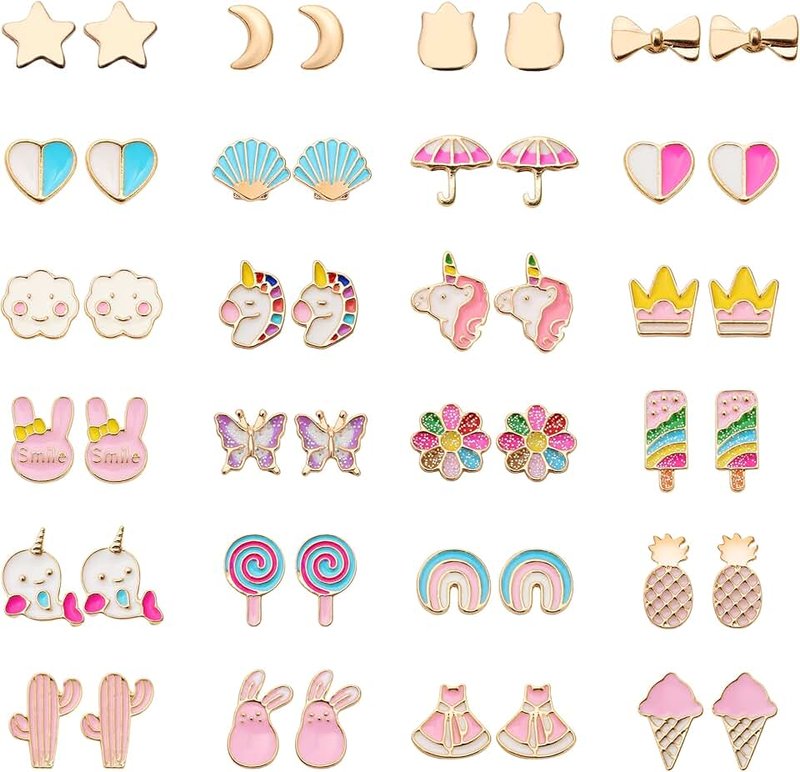
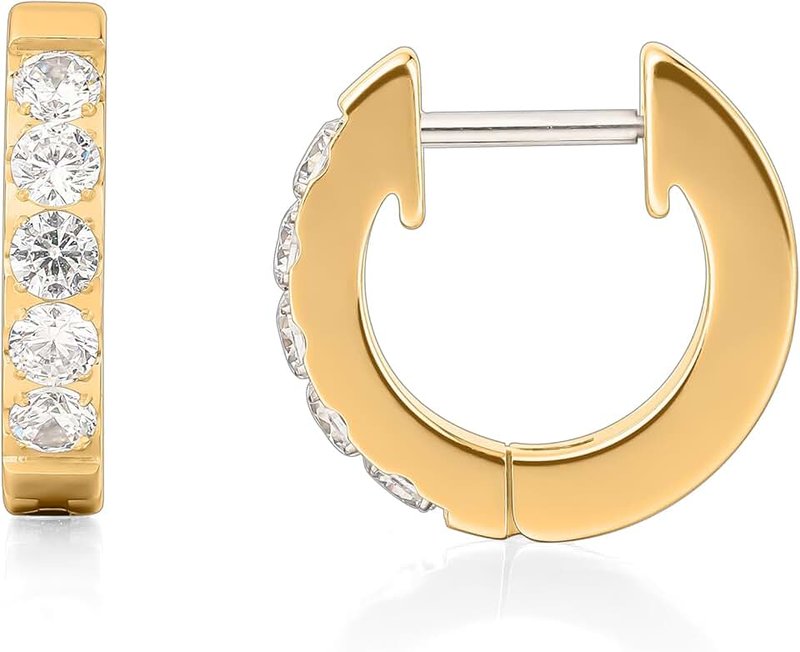
limerencia Hypoallergenic G23 Implant Grade Titanium Screw...
$25.99 $22.09 (15% off)
View on Amazon
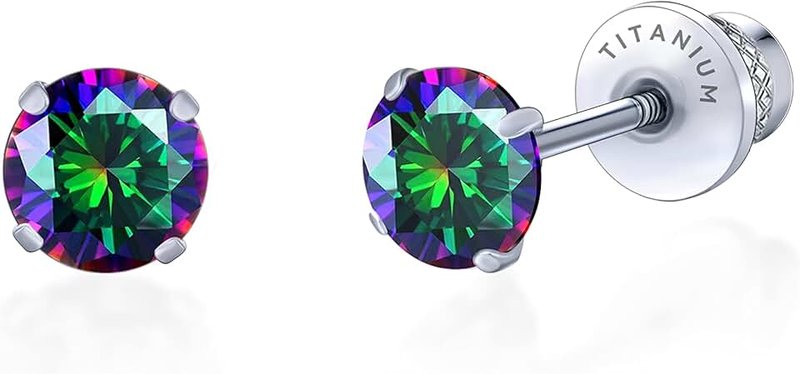
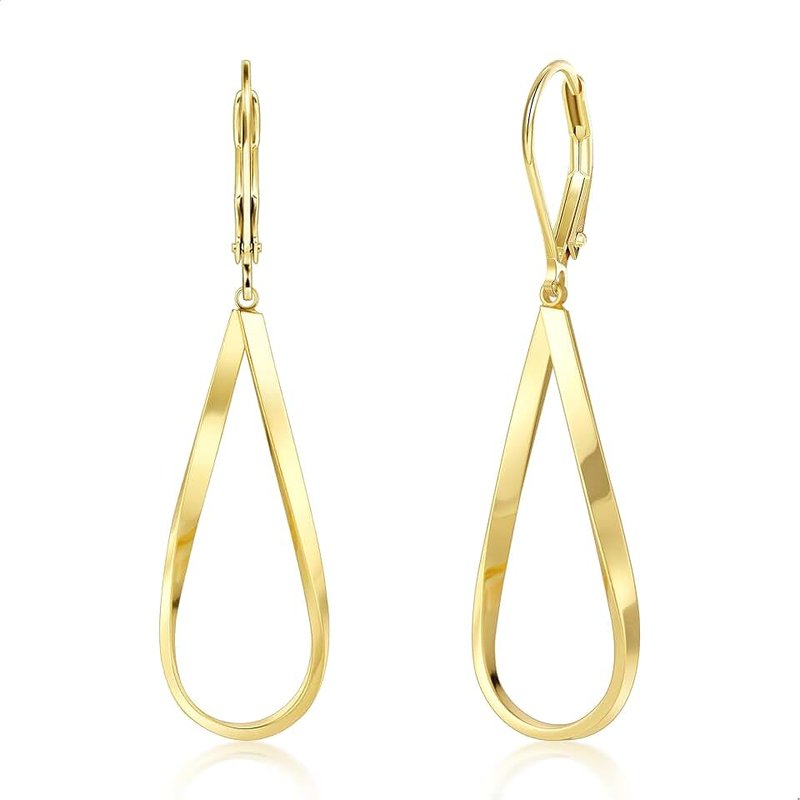
limerencia Hypoallergenic G23 Implant Grade Titanium Screw...
$25.99 $22.09 (15% off)
View on Amazon
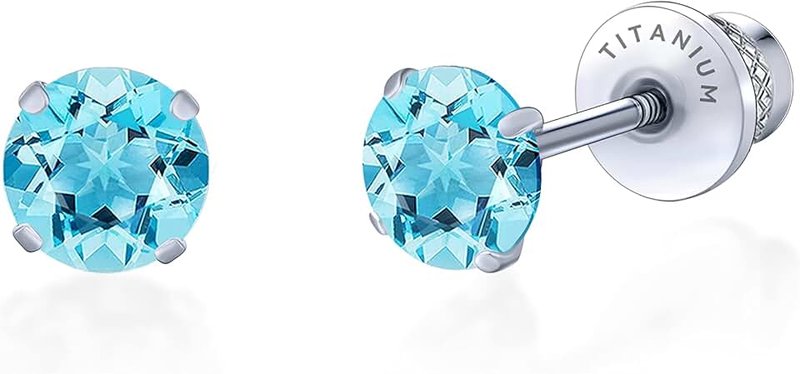
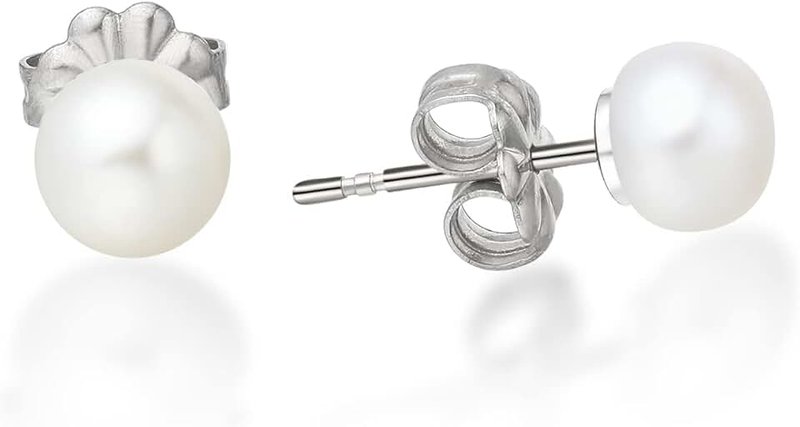
limerencia Hypoallergenic G23 Implant Grade Titanium Screw...
$25.99 $22.09 (15% off)
View on Amazon
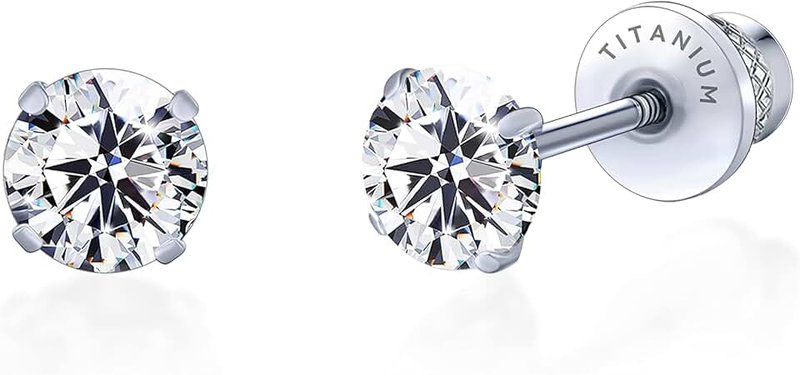
limerencia Hypoallergenic G23 Implant Grade Titanium Screw...
$25.99 $20.79 (20% off)
View on Amazon
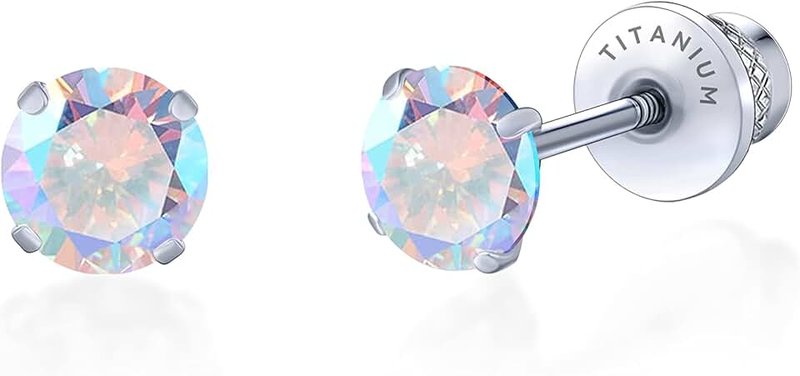
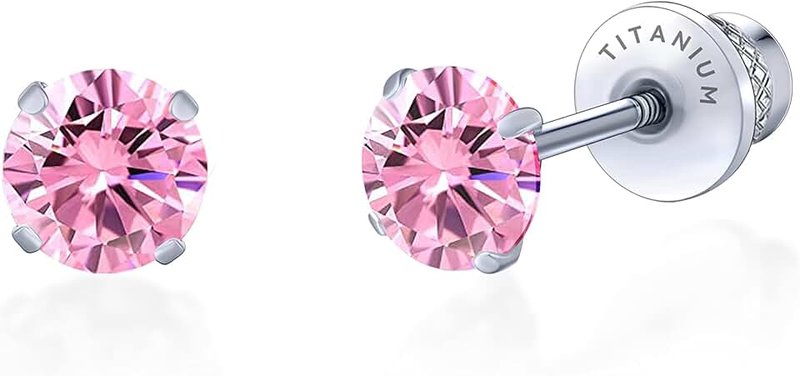
limerencia Hypoallergenic G23 Implant Grade Titanium Screw...
$25.99 $22.09 (15% off)
View on Amazon
limerencia Hypoallergenic G23 Implant Grade Titanium Screw...
$25.99 $22.09 (15% off)
View on Amazon
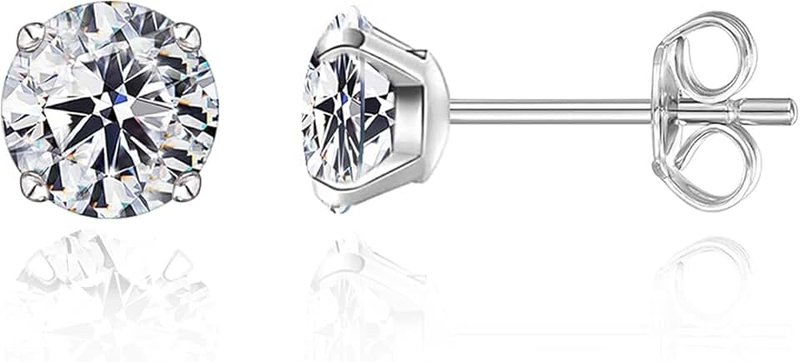
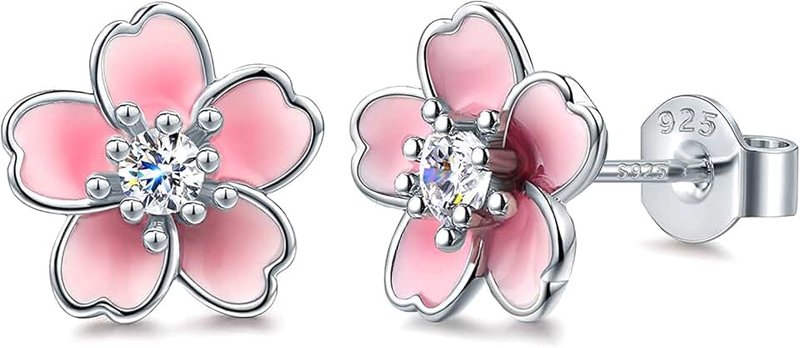
As an Amazon Associate, DreamPigeon earns from qualifying purchases. Prices and availability are accurate as of the date/time indicated and are subject to change.
Choosing the Right Hypoallergenic Earrings
Sensitive ears can make wearing earrings a frustrating experience. Redness, itching, swelling — it all comes from a reaction to metals like nickel, which is present in most cheap jewellery alloys. Hypoallergenic earrings solve this by using body-safe metals that sit comfortably in your piercings without triggering a reaction.
The most reliable hypoallergenic materials are surgical-grade stainless steel (316L), pure titanium, niobium, and solid platinum. Sterling silver works well for many people, though a small percentage still react to the copper content. Gold in 14K or higher is generally safe, but lower karat gold often contains enough nickel to cause problems.
If you’ve had reactions before, titanium is your safest bet. It’s the same metal used in medical implants and body piercings because it forms an oxide layer that prevents any metal ions from reaching your skin. Surgical stainless steel comes in second — it does contain trace nickel, but it’s bound so tightly within the alloy that it rarely causes issues.
What to Check Before You Buy
Always check the actual metal composition, not just the “hypoallergenic” label. That term isn’t regulated in Australia, so any manufacturer can slap it on their packaging. Look for specific material callouts: “implant-grade titanium,” “316L surgical steel,” or “nickel-free” with the actual alloy listed.
Post thickness matters too. Standard earring posts are 20 gauge (0.81mm), but if your piercings have shrunk from not wearing earrings, you might need a thinner 22-gauge post to start. Butterfly backs trap moisture and bacteria against your earlobe — opt for push-back or screw-back closures instead, especially if you’re prone to irritation.
With hypoallergenic earrings available from $12 to $35, there’s no reason to settle for jewellery that leaves your ears red and sore. Even at the lower end, surgical steel and titanium studs perform brilliantly for sensitive skin.
Caring for Sensitive Ear Jewellery
Clean your hypoallergenic earrings weekly with warm water and mild soap — no harsh chemicals or alcohol wipes, which can strip protective coatings. Before putting earrings in, wipe down both the post and your earlobe with a clean, damp cloth.
If you’re re-piercing or wearing earrings after a long break, start with titanium studs and wear them for just a few hours the first day. Gradually increase wear time over a week. Your ears need to adjust, and even hypoallergenic metals can cause mild irritation on freshly sensitised skin.
Store each pair separately in a dry, fabric-lined case. Metal-on-metal contact causes scratching, which can compromise the smooth surface that keeps your earrings comfortable. A small zip-lock bag works in a pinch for travel.
Quick Material Guide
Titanium: best for severe allergies, lightweight, won’t tarnish. Surgical steel: excellent all-rounder, strong, affordable. Sterling silver: fine for most people but avoid if you react to copper. Gold (14K+): safe for most, but verify it’s nickel-free. Avoid brass, bronze, and anything labelled “fashion jewellery” without a specific alloy listed.
When to See a Professional
If you’ve tried multiple hypoallergenic metals and still experience reactions, it’s worth seeing a dermatologist for patch testing. This identifies exactly which metals trigger your sensitivity, so you can shop with confidence rather than guessing. Some people react to metals that are generally considered safe — titanium allergies are rare but they exist. A professional allergy test takes the uncertainty out of earring shopping entirely and may reveal that your sensitivity is to a specific component you hadn’t considered, like the nickel in certain clasps rather than the earring itself.
What metals are truly hypoallergenic for earrings?
Implant-grade titanium, niobium, and surgical stainless steel (316L) are the most reliably hypoallergenic metals. Solid platinum and 14K or higher gold are also safe for most people with sensitive ears.
Can sterling silver earrings cause allergic reactions?
Sterling silver is 92.5% silver and 7.5% other metals, usually copper. Most people tolerate it well, but those with severe metal sensitivities may still react. If silver bothers you, switch to titanium.
How do I know if my earrings contain nickel?
Check the product listing for material specifications. Look for “nickel-free” labels or specific alloy names like 316L steel or Grade 23 titanium. You can also buy a nickel testing kit from a chemist for around $15.
Why do my ears react to earrings after years of no problems?
Metal allergies can develop over time through repeated exposure. Once sensitised, your immune system reacts to even small amounts of the offending metal. Switching to titanium or surgical steel usually resolves this.
Are hypoallergenic earrings safe for new piercings?
Yes, implant-grade titanium is the gold standard for healing piercings. Avoid sterling silver and plated metals during the healing period, as they can cause irritation on open wounds.