

Sterling Silver Necklace
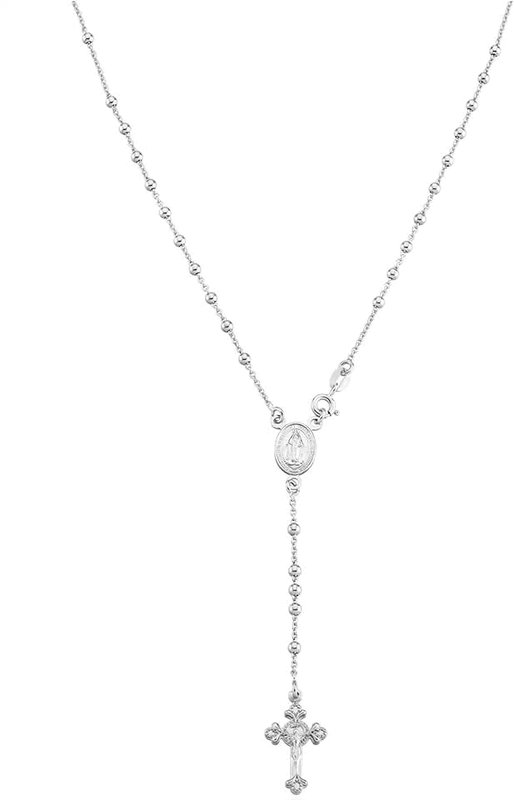
As an Amazon Associate, DreamPigeon earns from qualifying purchases. Prices and availability are accurate as of the date/time indicated and are subject to change.
Sterling Silver Necklace Buying Guide
A sterling silver necklace is one of those foundational pieces that belongs in every jewellery collection. It matches virtually anything, suits all skin tones, and holds up for years with basic care. Sterling silver strikes the right balance between affordability and genuine quality — it is real precious metal, not costume jewellery, and it carries a weight and lustre that cheaper alternatives cannot replicate.
Understanding Sterling Silver
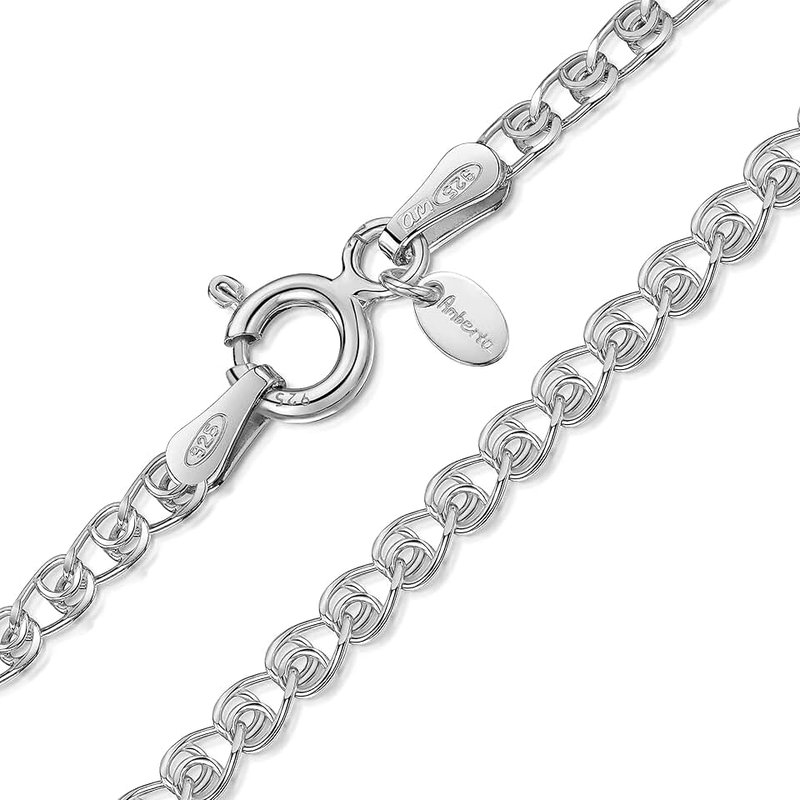
Sterling silver is 92.5% pure silver and 7.5% copper. The copper adds hardness — pure silver is too soft for jewellery and would bend, scratch, and dent quickly. Look for the 925 hallmark stamped on the clasp or a tag near the clasp. This is your guarantee of genuine sterling silver. If there is no stamp, the piece may be silver-plated over base metal, which looks similar initially but degrades much faster.
Chain Styles
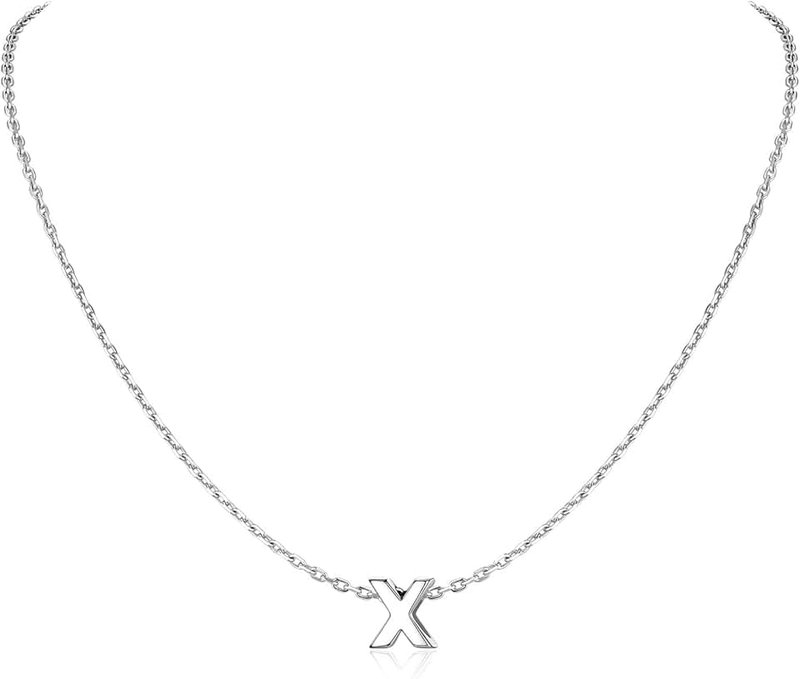
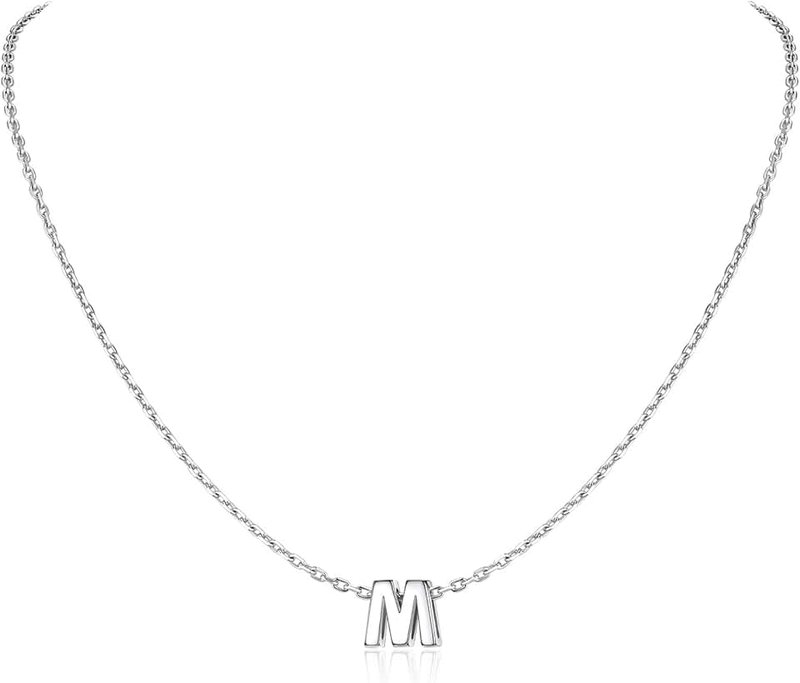
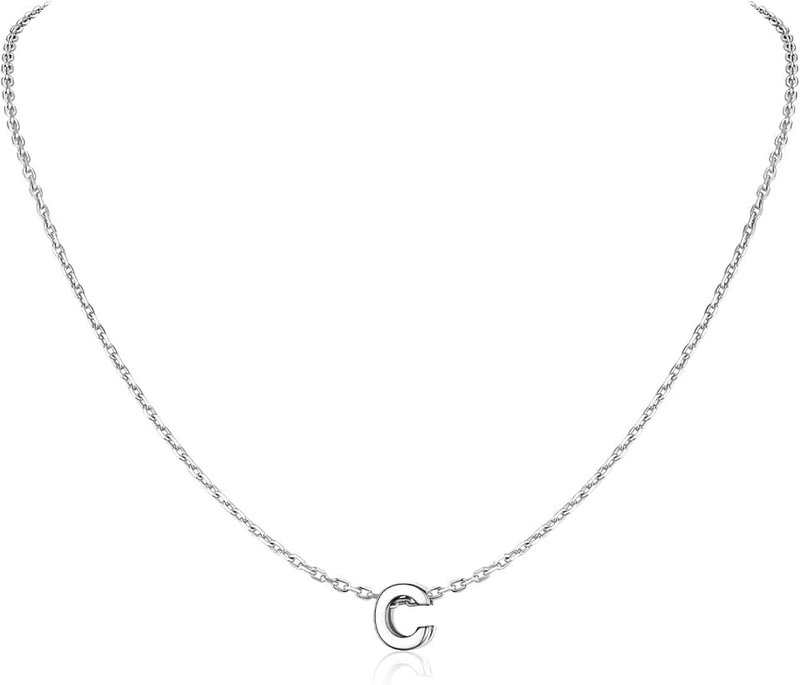
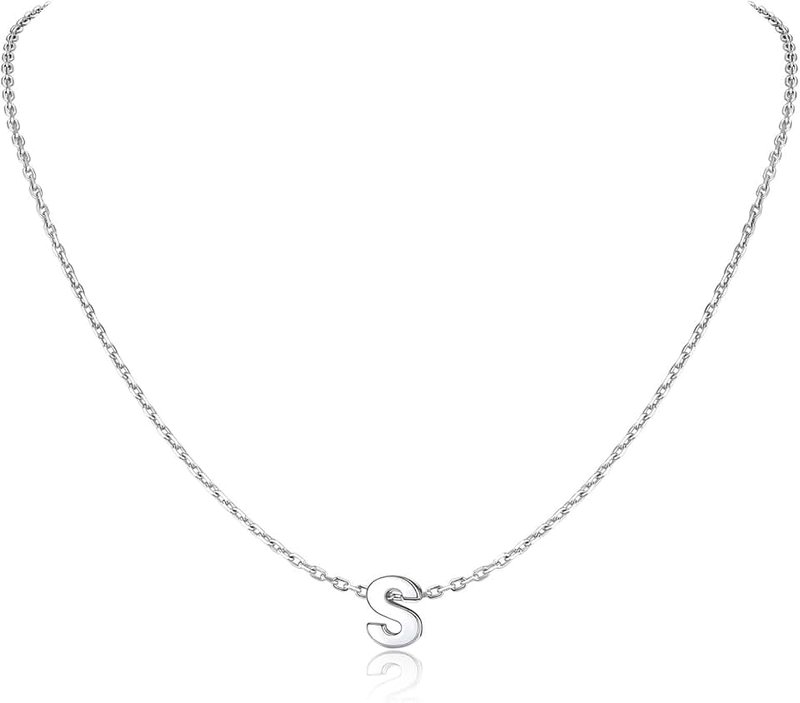
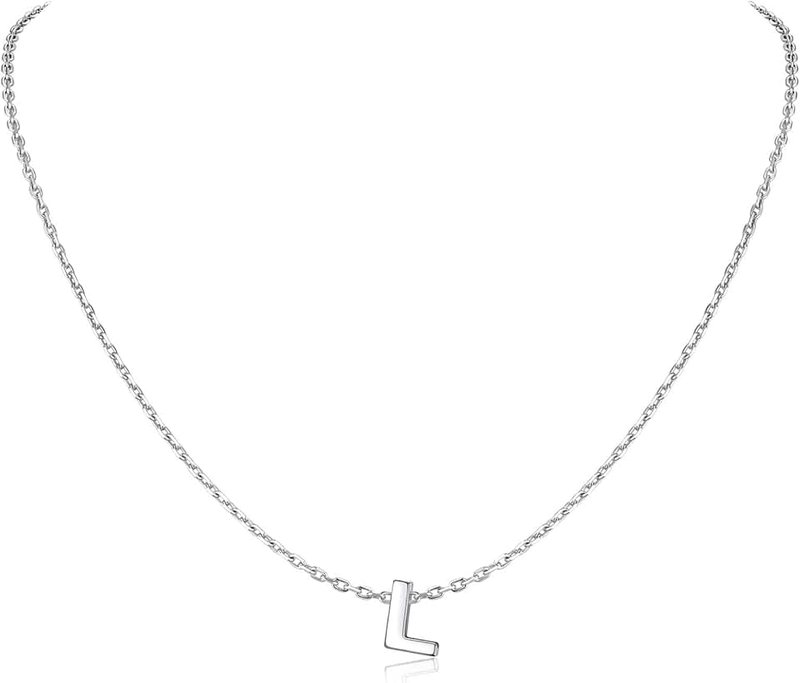
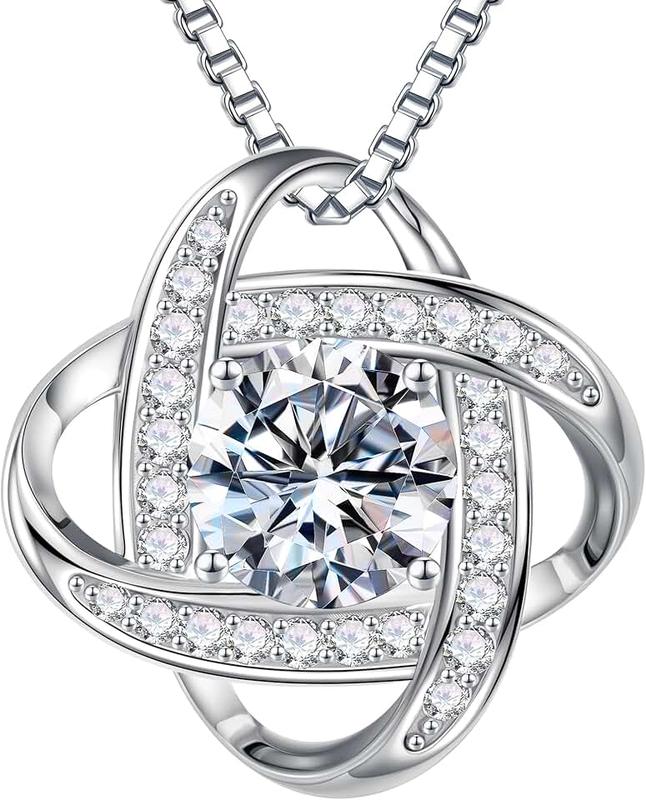
Cable chains (interconnected oval links) are the most durable and versatile — they work alone or with pendants. Box chains have square links that catch light from multiple angles. Figaro chains alternate short and long links for a classic Italian look. Rope chains twist two or more strands together for a textured, eye-catching effect. Snake chains are smooth and sleek, excellent for sliding pendants, but they kink easily and cannot be repaired if they break — keep that in mind for everyday pieces.
Choosing the Right Length
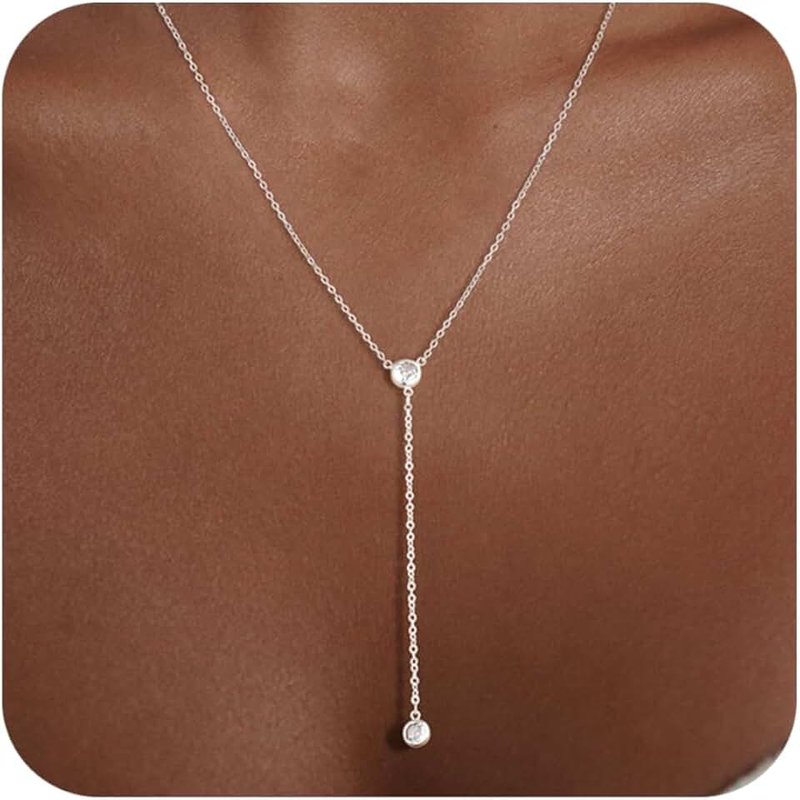
A 40 cm sterling silver necklace sits at the collarbone — ideal for choker-style wear or crew necklines. A 45 cm chain is the standard princess length, falling just below the collarbone and suiting most necklines. A 50 cm chain reaches the upper chest and works well with V-necks. Longer chains (55 to 70 cm) layer beautifully with shorter pieces. When buying a pendant necklace, remember the pendant adds length — account for it when choosing chain size.
Pendant Considerations
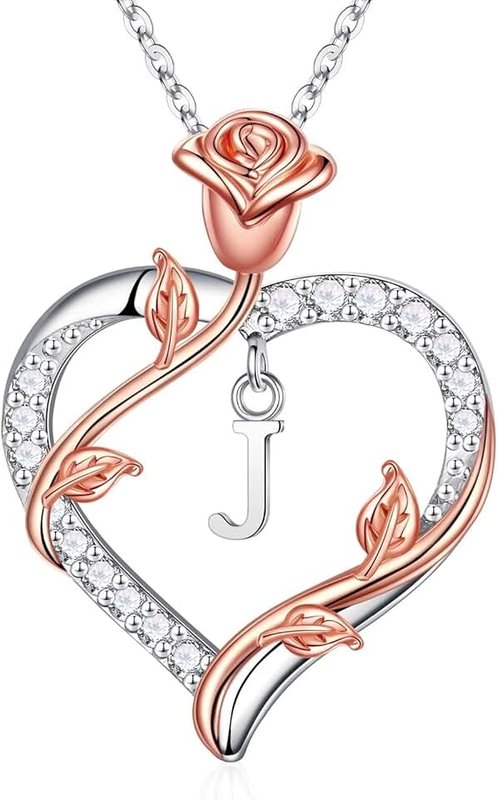
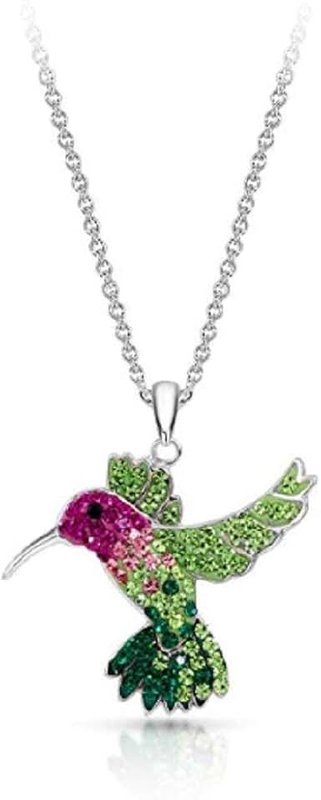
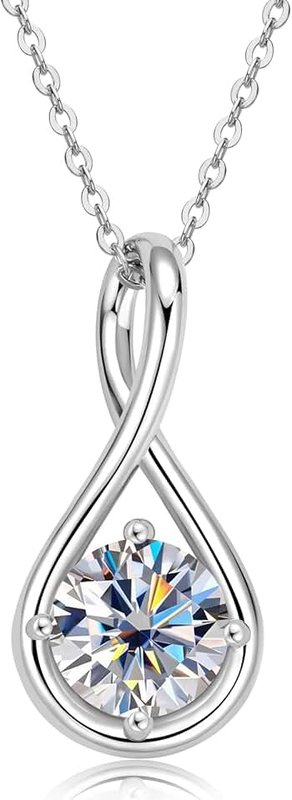
If you are wearing a sterling silver necklace as a chain only, choose a style with some visual interest — a textured or thicker chain stands on its own. For pendant necklaces, match the chain thickness to the pendant weight. A heavy pendant on a delicate chain will cause it to bend or break. A bail (the loop connecting pendant to chain) should be wide enough for the chain to slide through smoothly.
Tarnish: The Silver Reality
Sterling silver tarnishes — that is not a defect, it is chemistry. Exposure to air, moisture, sulphur compounds, and skin oils causes a dark patina over time. Some people actually like the aged look (it is called an oxidised finish when done intentionally). To prevent it: store in airtight bags, wear regularly (skin oils can actually slow tarnishing), and keep away from rubber bands, eggs, wool, and latex, which all contain sulphur.
Cleaning
A silver polishing cloth handles light tarnish in seconds. For deeper tarnish, line a bowl with aluminium foil, add hot water and a tablespoon of baking soda, and soak the necklace for a few minutes — the tarnish transfers to the foil. Rinse and dry thoroughly. Avoid commercial silver dips for gemstone-set pieces, as the chemicals can damage stones.
Pricing
Sterling silver necklaces in Australia range from $59 to $89 AUD. Thin chains without pendants sit at the lower end. Thicker chains, pendant necklaces, and gemstone-accented designs command higher prices. Compared to gold, sterling silver offers genuine precious-metal quality at a fraction of the cost — making it an excellent value proposition.
How do I know if a necklace is real sterling silver?
Look for the 925 stamp on the clasp or a small tag near the clasp. This mark certifies the piece contains 92.5% pure silver. If there is no stamp, it may be silver-plated. Genuine sterling silver also feels heavier than plated alternatives and has a distinct, bright lustre.
How do I stop a sterling silver necklace from tarnishing?
Store it in an airtight zip-lock bag or anti-tarnish pouch when not wearing it. Wearing it regularly actually helps — skin oils can slow tarnishing. Keep it away from perfume, chlorine, sulphur-containing substances, and rubber. A quick wipe after each wear makes a big difference.
Can I wear a sterling silver necklace in the shower?
You can, but it is not recommended. Soap, shampoo, and water accelerate tarnishing and leave residue on the silver. Over time, regular shower exposure will dull the finish. Removing it before showering takes a few seconds and significantly extends the necklace’s appearance.
What chain style is strongest for everyday wear?
Cable and curb chains are the most durable for daily use. Their linked construction allows individual links to be repaired if damaged. Avoid snake chains for everyday wear — they kink easily and cannot be fixed once bent.
Is sterling silver suitable for people with metal allergies?
Sterling silver is generally well-tolerated. However, the copper content can occasionally cause mild skin reactions in very sensitive individuals. If you have a known nickel allergy, confirm the piece is nickel-free — most quality sterling silver is, but some cheaper pieces use nickel in the alloy.