

Earrings For Kids
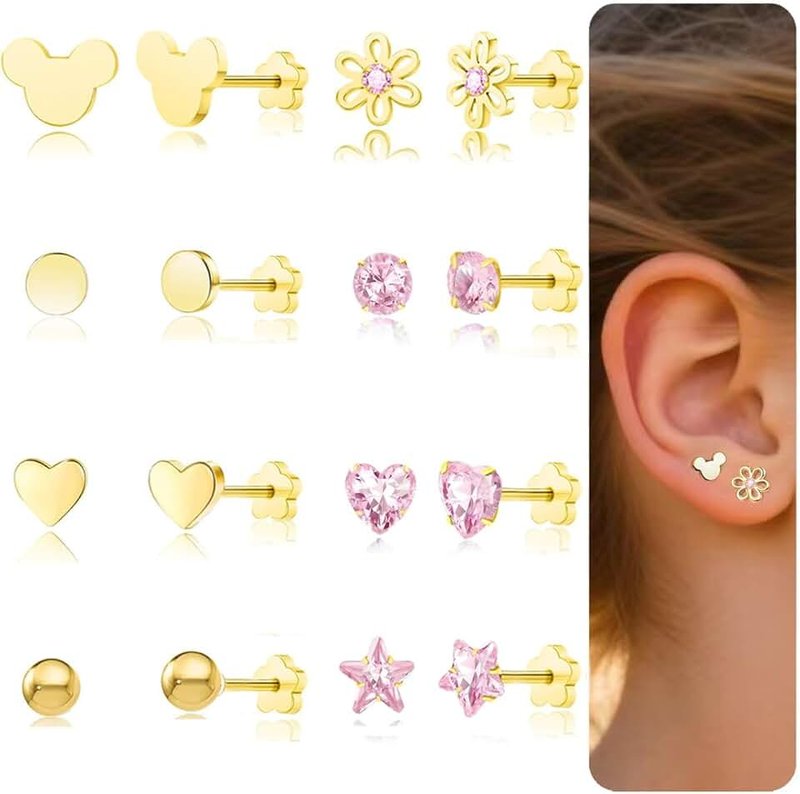
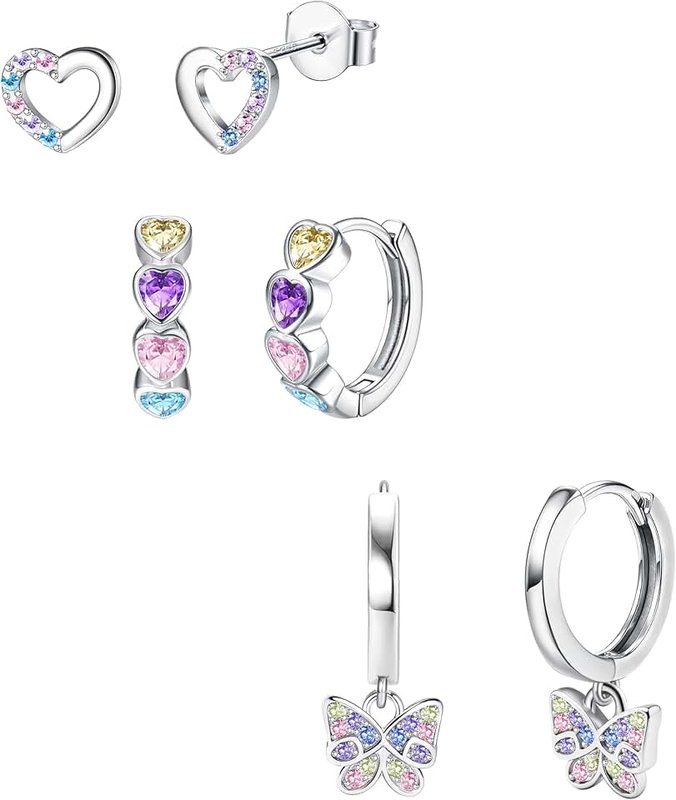
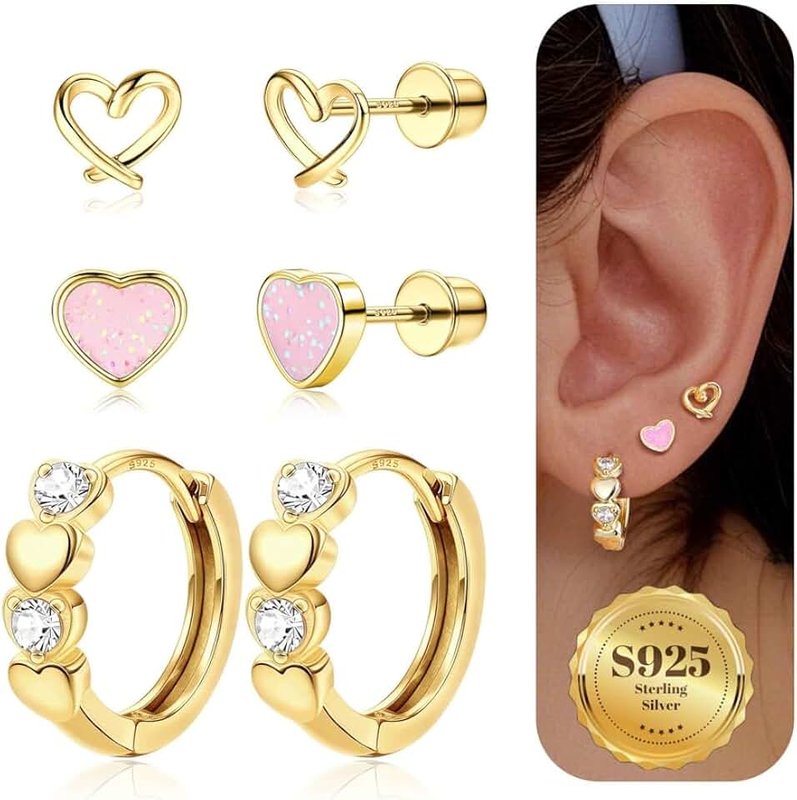
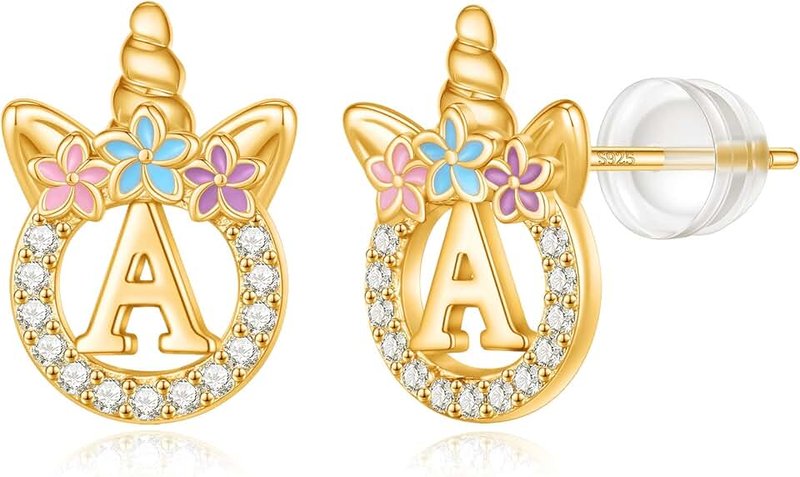
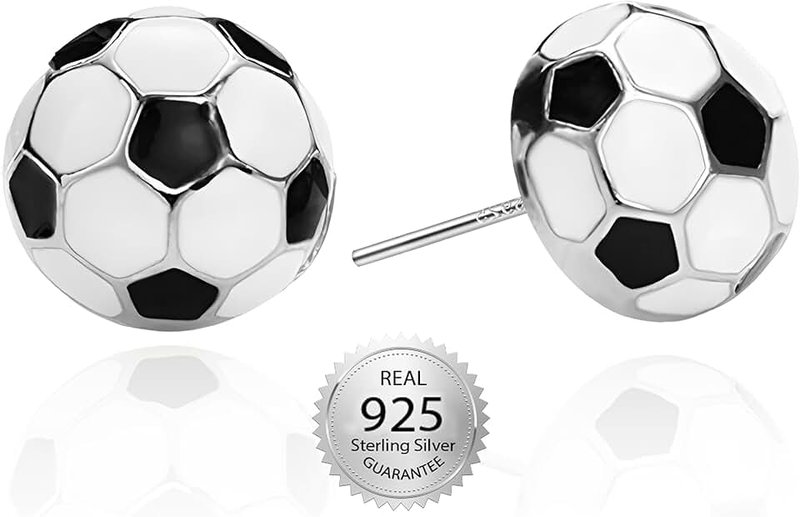
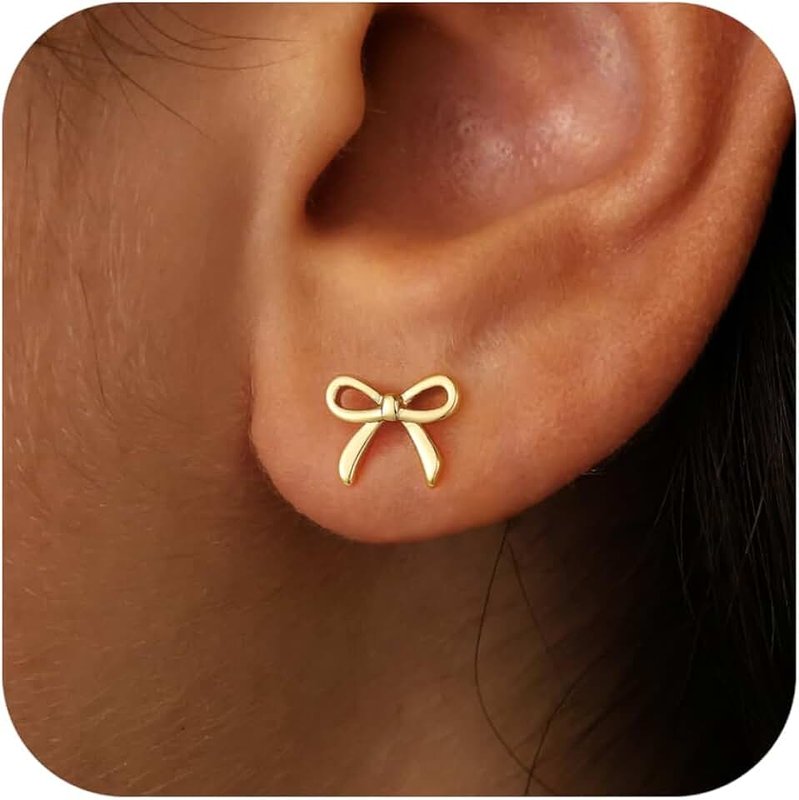
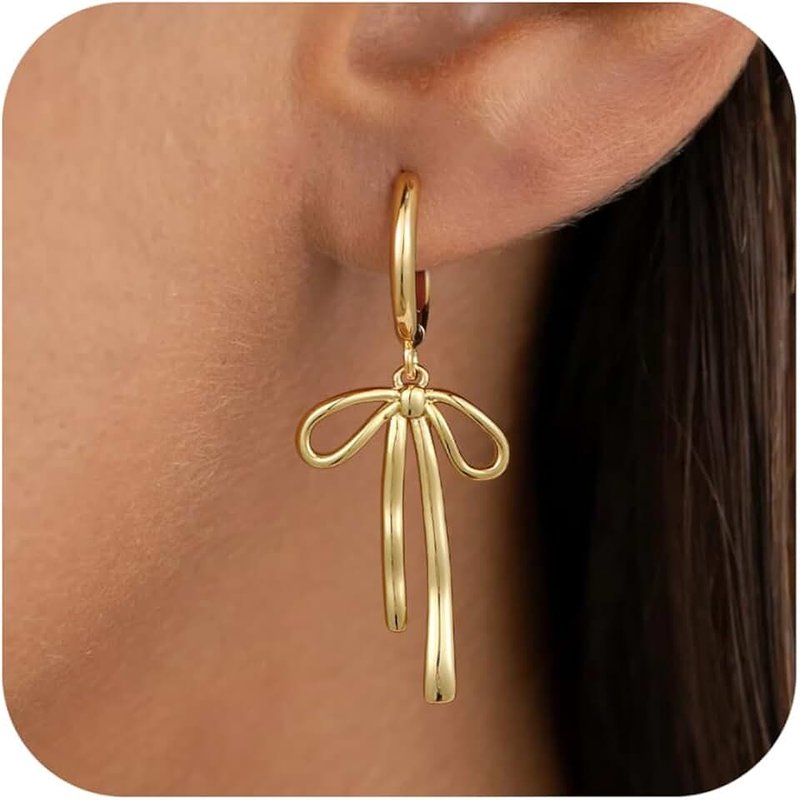
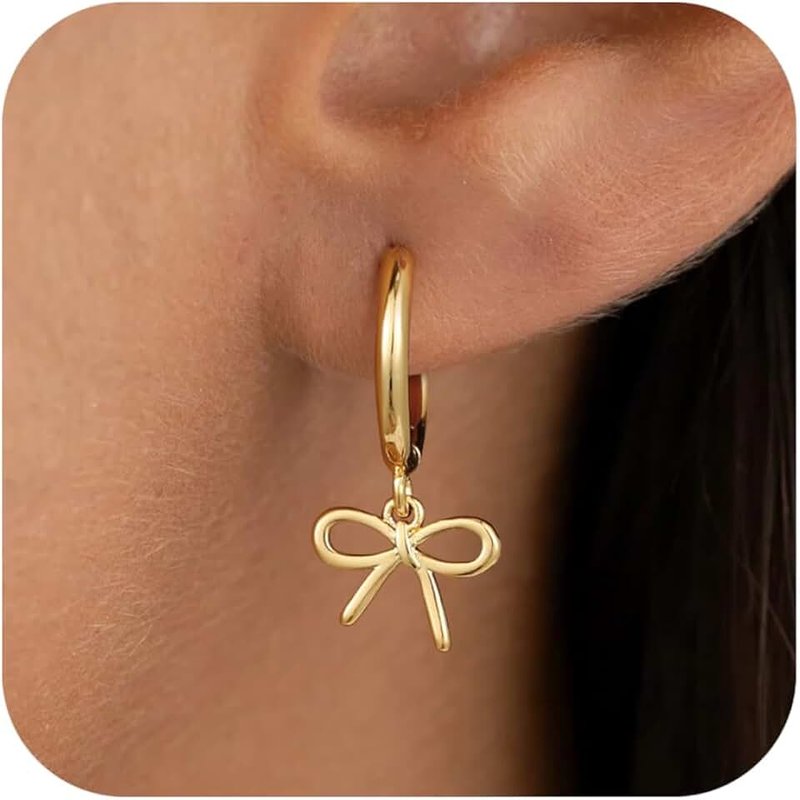
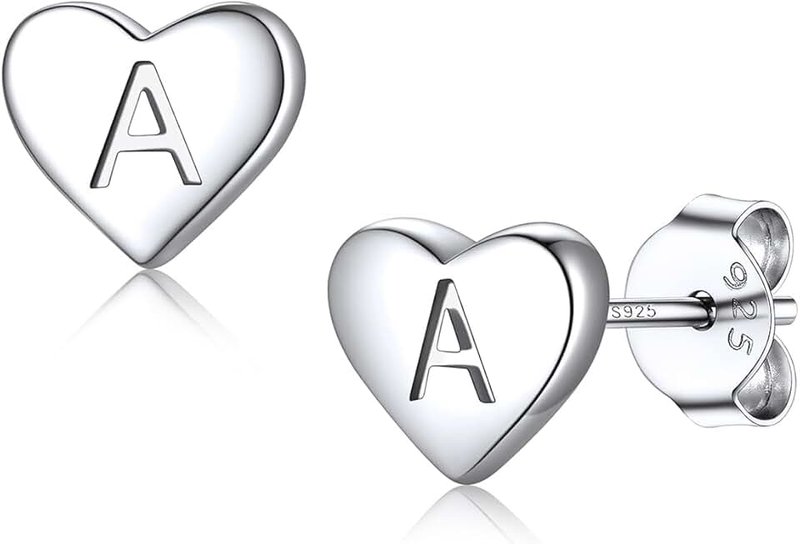
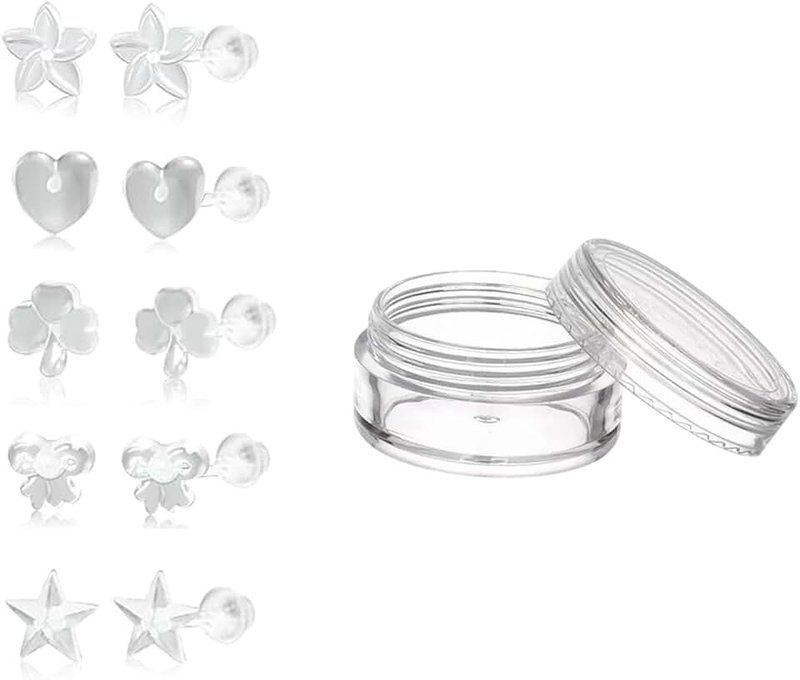
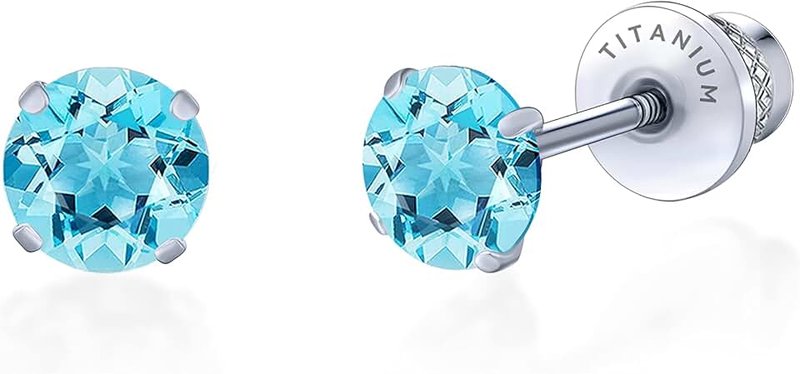
limerencia Hypoallergenic G23 Implant Grade Titanium Screw...
$25.99 $22.09 (15% off)
View on Amazon
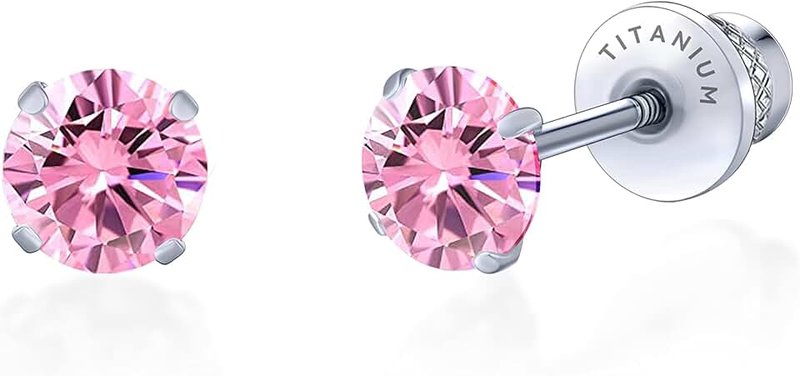
limerencia Hypoallergenic G23 Implant Grade Titanium Screw...
$25.99 $22.09 (15% off)
View on Amazon
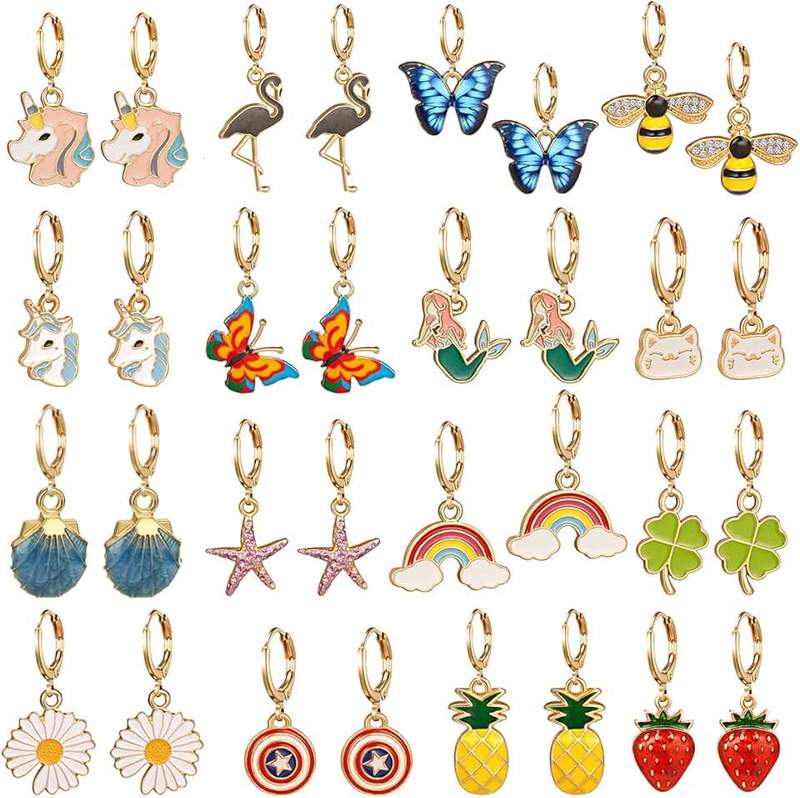
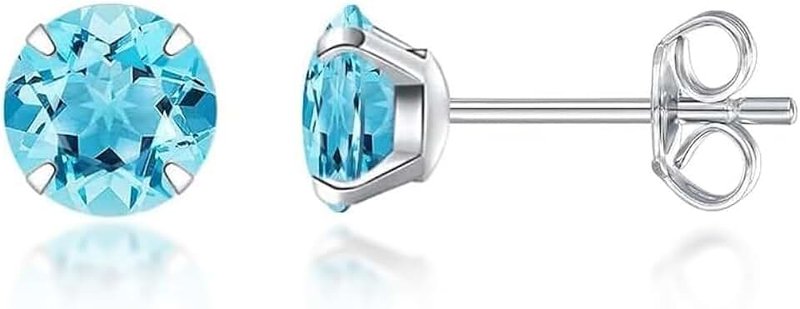
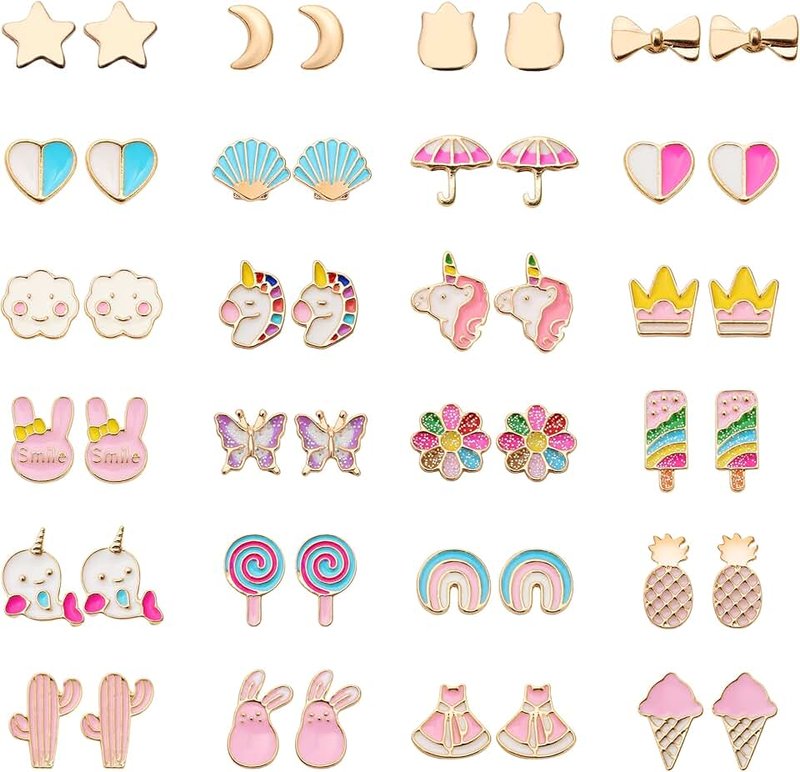
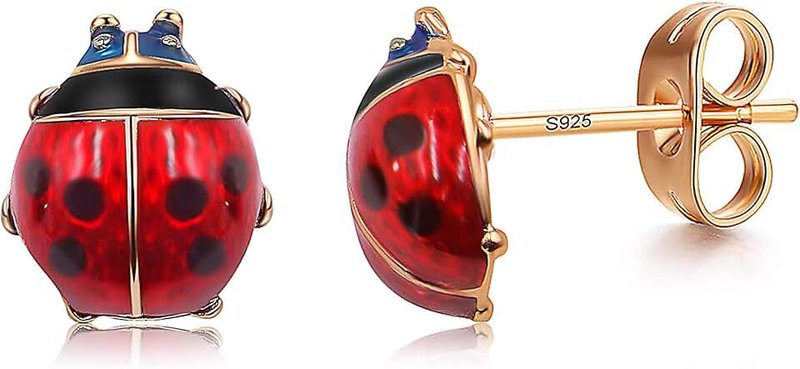
As an Amazon Associate, DreamPigeon earns from qualifying purchases. Prices and availability are accurate as of the date/time indicated and are subject to change.
Picking the Right Earrings for Kids
Buying earrings for kids means balancing three competing priorities: your child wants something fun and pretty, you want something safe and durable, and both of you need it to be comfortable enough for all-day wear. Prices range from $7 to $50 AUD, and the sweet spot between quality and affordability sits firmly in the mid-range — $15 to $30 gets you hypoallergenic materials in age-appropriate designs that can handle a child’s lifestyle.
Children’s ears are more sensitive than adults’ in every way — thinner skin, higher reactivity to allergens, and less tolerance for tight or heavy jewellery. The earrings that look adorable on the display card may be uncomfortable or unsafe in practice, so material and construction matter more than appearance.
Materials: Non-Negotiable for Children’s Ears
925 sterling silver is the gold standard for earrings for kids. It’s hypoallergenic for the vast majority of children, durable enough to survive daily wear, and polishes back to bright when it tarnishes. Surgical stainless steel (316L) is equally safe and has the advantage of never tarnishing.
Avoid anything labelled “fashion jewellery” or “costume jewellery” for children. These typically contain nickel, lead, or cadmium — all of which can cause allergic reactions and, in the case of lead and cadmium, pose genuine health risks if a child puts the earring in their mouth (which young children absolutely will do).
Gold-plated earrings for kids are fine once the piercing is fully healed (eight weeks minimum) but check that the base metal is sterling silver or stainless steel. Gold plating over brass or zinc alloy defeats the purpose of using safe materials.
Backing Types: Safety First
Screw-back earrings are the safest option for young children. The threaded post prevents the earring from falling out during play and eliminates the choking hazard of loose butterfly backs. Push-back (butterfly) earrings are suitable for children over 8 who are responsible enough to check that backings are secure.
Huggie hoops — small hinged hoops that click shut — are increasingly popular for kids’ earrings. They’re secure, comfortable, and easy for children to put in and take out independently. The hinged mechanism lies flat against the earlobe, so there’s nothing to catch on clothing or hair.
Age-Appropriate Design Choices
For recently pierced ears (any age), plain studs in 3mm to 4mm are the only appropriate choice until healing is complete. No dangles, no hoops, no heavy designs until the piercing channel is fully established.
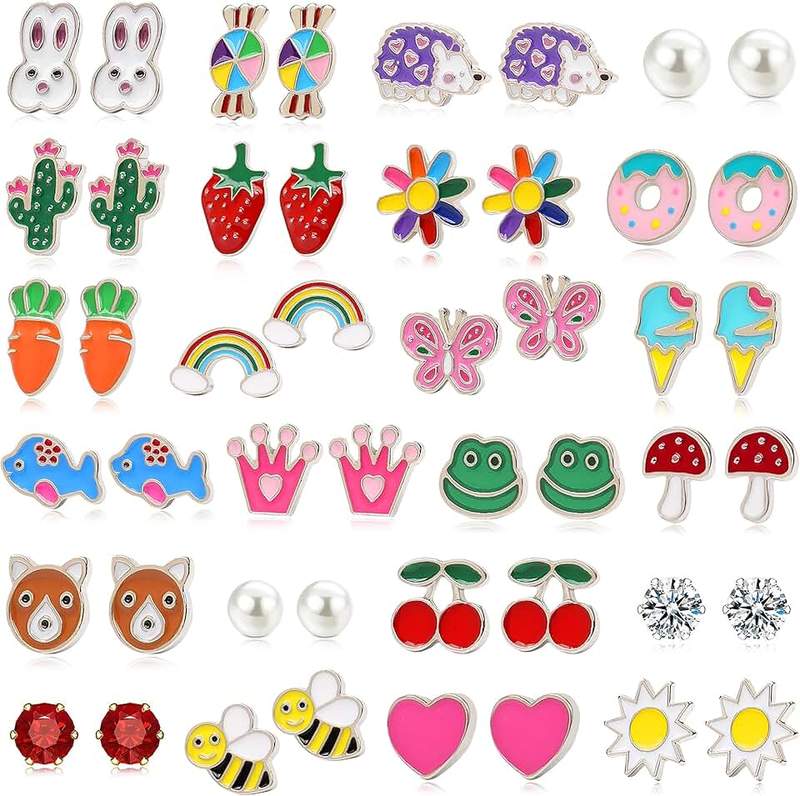
Once healed, earrings for kids open up to a wonderful range of options. Daisy studs, star shapes, tiny heart hoops, and crystal studs in rainbow colours are perennial favourites. Let your child have a say in the design — they’ll wear earrings they chose with much more enthusiasm than ones chosen for them.
Practical Wear and Care
Establish a routine early: earrings come out for sports and swimming, go back in after. Clean earlobes and earring posts weekly with saline solution or rubbing alcohol on a cotton pad. Store earrings in a designated box that your child manages — it builds responsibility and reduces losses.
Multi-pack sets are practical for kids. Having five to ten pairs means lost earrings aren’t emergencies, and kids enjoy the variety of swapping styles. Keep one pair of plain silver studs as the “default” pair for school and sports days.
What material is safest for earrings for kids?
925 sterling silver and surgical stainless steel (316L) are the safest options. Both are hypoallergenic and free from harmful metals. For children with known metal allergies, implant-grade titanium is the absolute safest choice available.
Should kids wear screw-back or butterfly-back earrings?
Screw-backs are recommended for children under 8 because they’re secure and prevent choking hazards from loose backs. Older children who can manage their own earrings comfortably can switch to butterfly backs or huggie hoops.
When can kids start wearing hoop earrings?
Small huggie hoops (8mm to 12mm) are fine once the piercing is fully healed — at least eight weeks after piercing. Larger hoops that dangle below the earlobe are better reserved for children over 10, as they catch on things during active play.
Can kids sleep in their earrings?
During the initial healing period, earrings should stay in at all times, including sleep. After healing, small studs and huggie hoops are comfortable to sleep in. Remove any dangly or heavy earrings before bed to prevent discomfort and damage.
How often should kids’ earrings be cleaned?
Clean both the earrings and the earlobes at least once a week using rubbing alcohol or saline solution on a cotton pad. During the healing period (first eight weeks), clean twice daily. Make it part of the regular hygiene routine to build the habit.