

Pearl Earrings
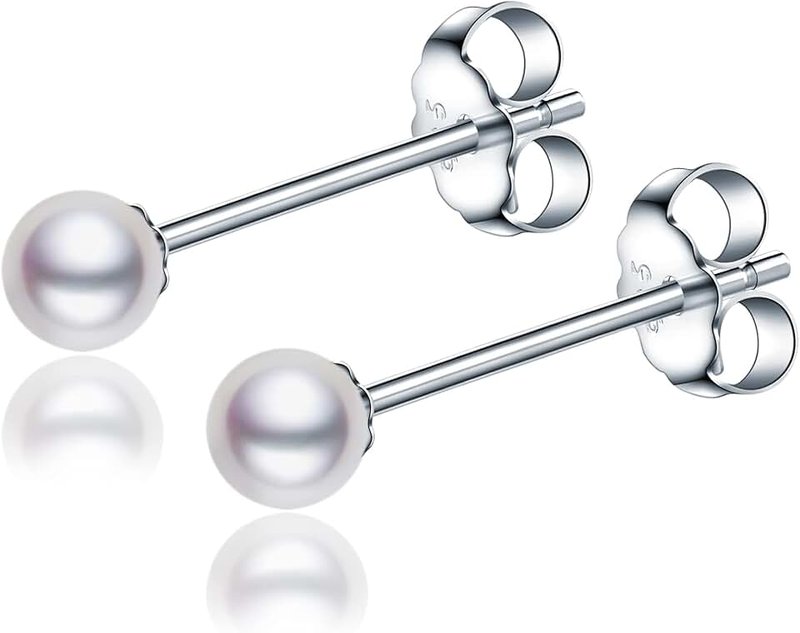
As an Amazon Associate, DreamPigeon earns from qualifying purchases. Prices and availability are accurate as of the date/time indicated and are subject to change.
How to Choose Pearl Earrings That Suit You
Pearl earrings have graced earlobes for centuries, from Renaissance portraits to modern red carpets. They carry an understated elegance that no other gemstone quite matches — partly because pearls are organic, formed inside living molluscs, and every single one is unique. A pair of pearl earrings can be your everyday go-to or the finishing touch on formal attire, depending on the style you choose.
Types of Pearls
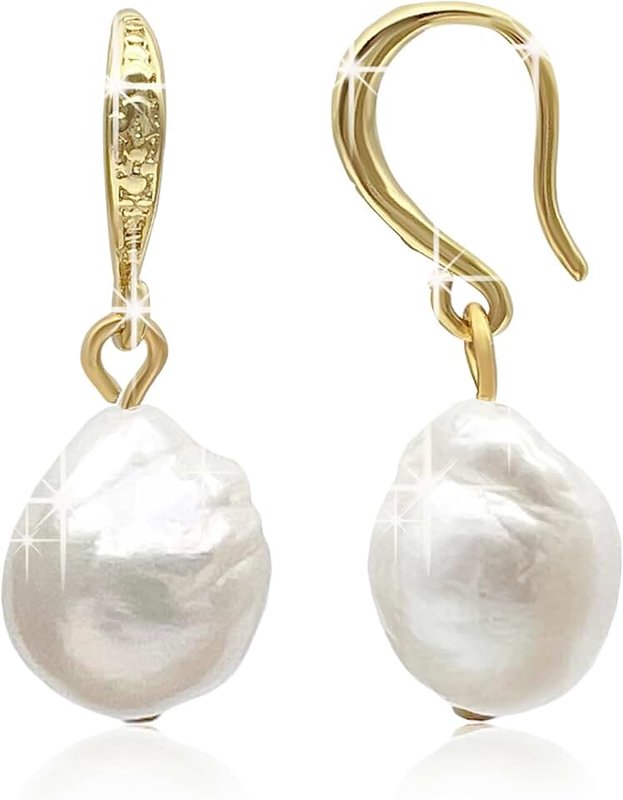
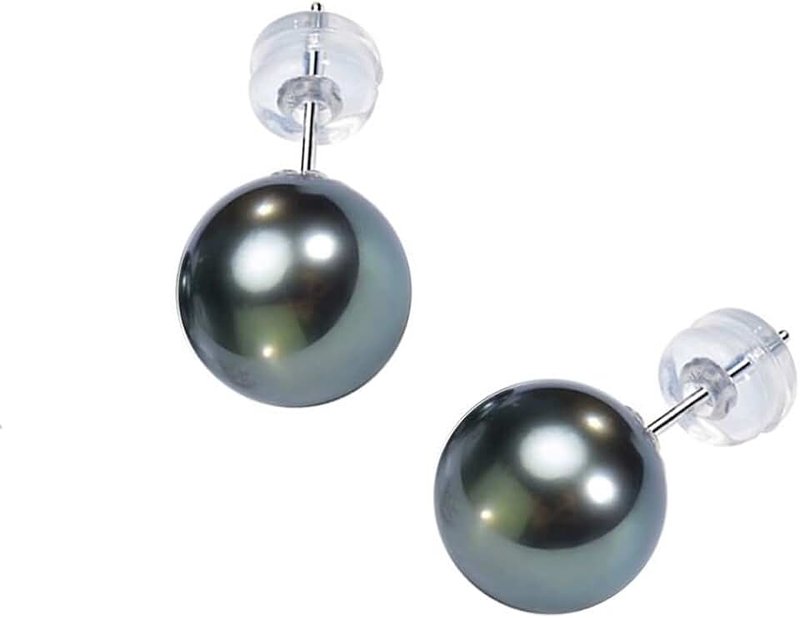
Freshwater pearls are the most affordable and come in white, cream, pink, and lavender. Akoya pearls (saltwater, mainly from Japan) have exceptional lustre and near-perfect roundness — the classic pearl earring. Tahitian pearls are larger with dark, exotic overtones of green, blue, and purple. South Sea pearls are the largest and most luxurious, in white or golden tones. For most buyers, freshwater and Akoya pearls offer the best balance of quality and price for pearl earrings.
Evaluating Pearl Quality
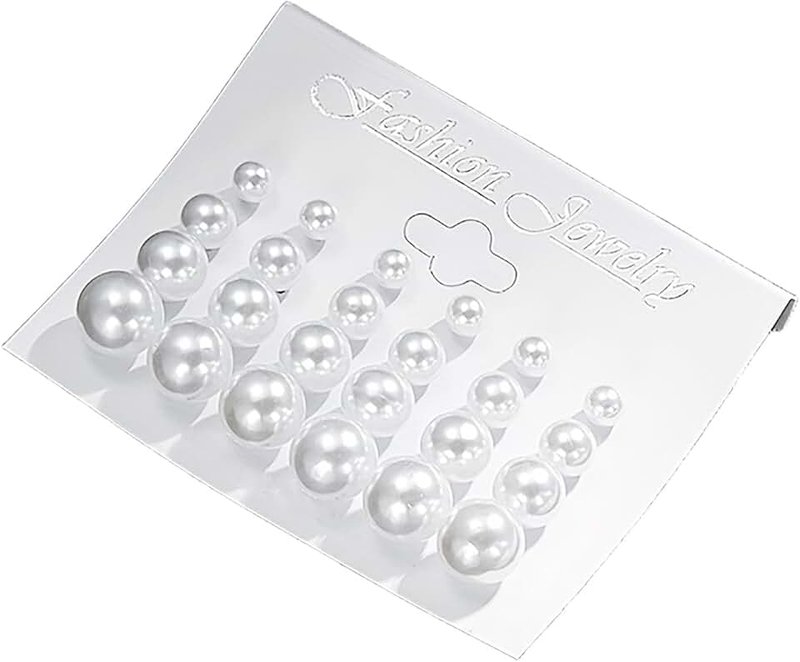
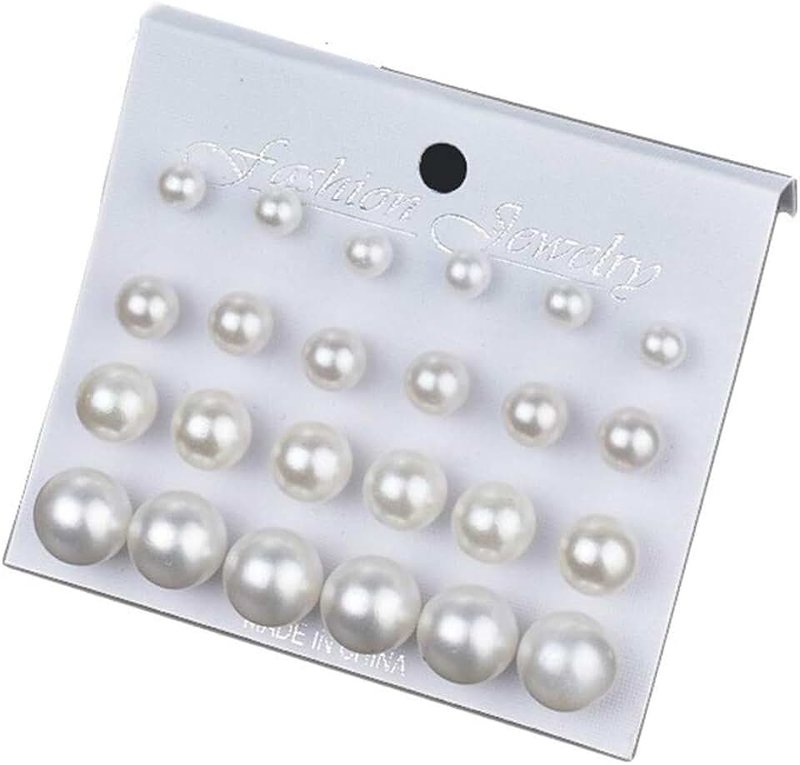
Lustre is paramount. Hold the earring close and look for a bright, sharp reflection on the pearl’s surface. High-lustre pearls seem to glow from within. Surface quality is next: minor blemishes are natural and acceptable, but heavy spotting, cracks, or peeling nacre indicate low grade. Size matters for proportion — 6 to 8 mm suits most earlobes without overwhelming, while 9 mm and above makes a bolder statement.
Pearl Earring Styles
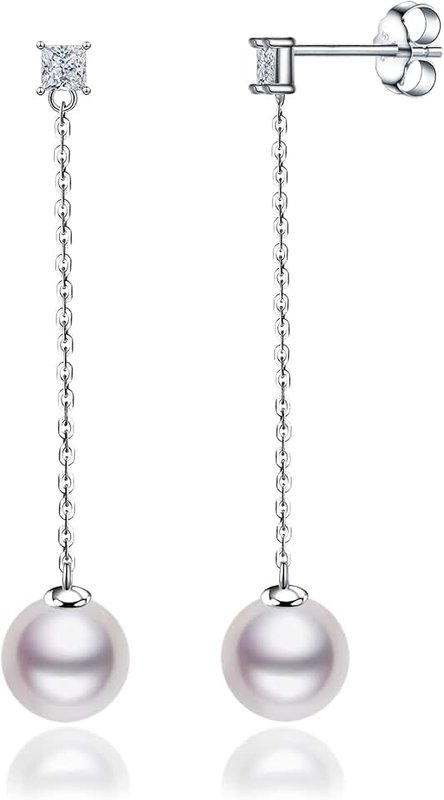
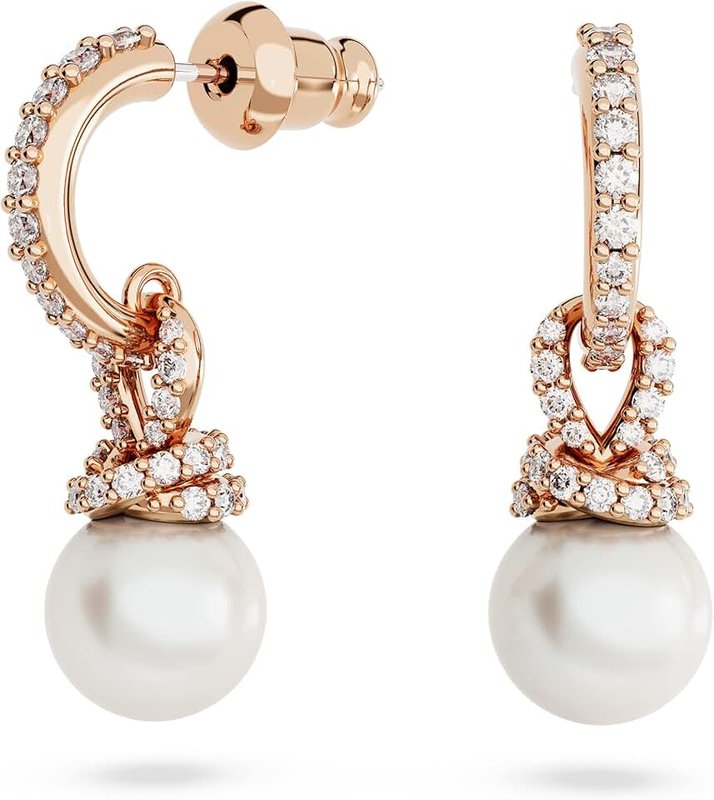
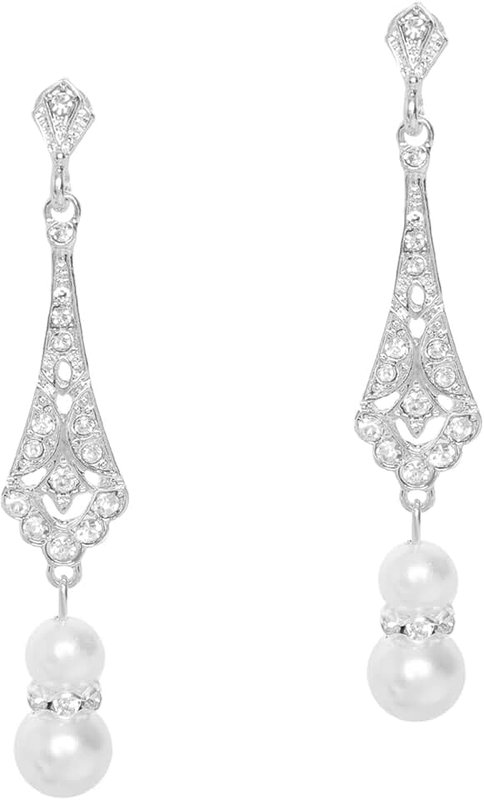
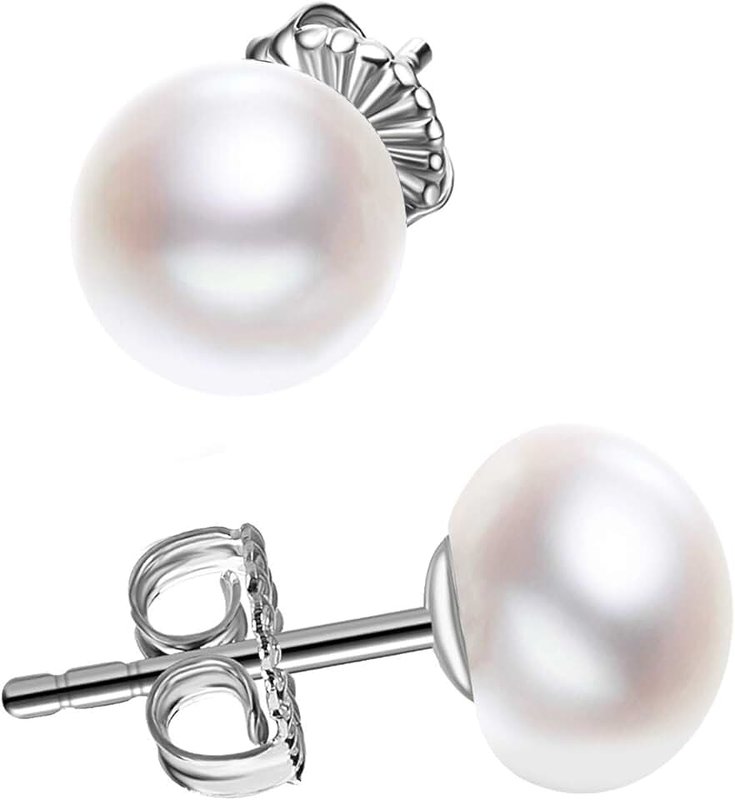
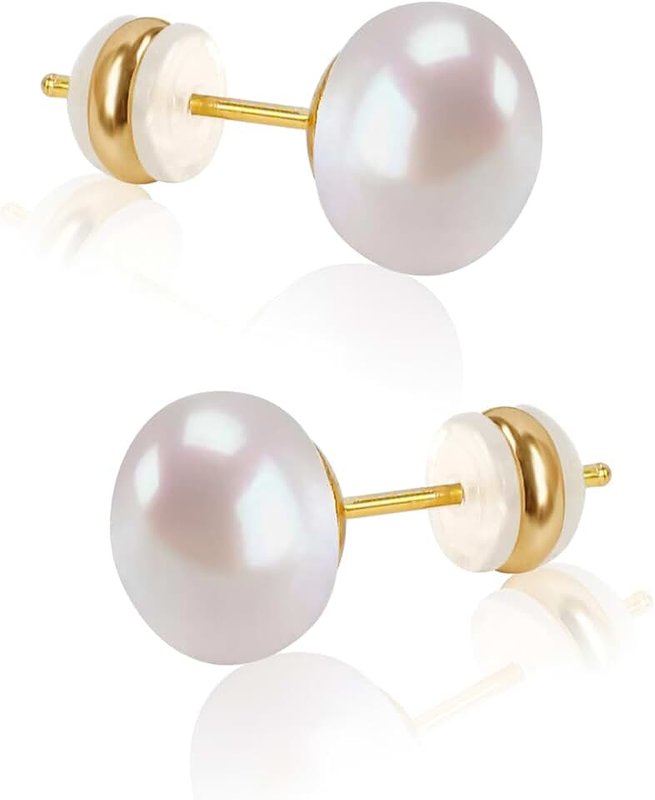
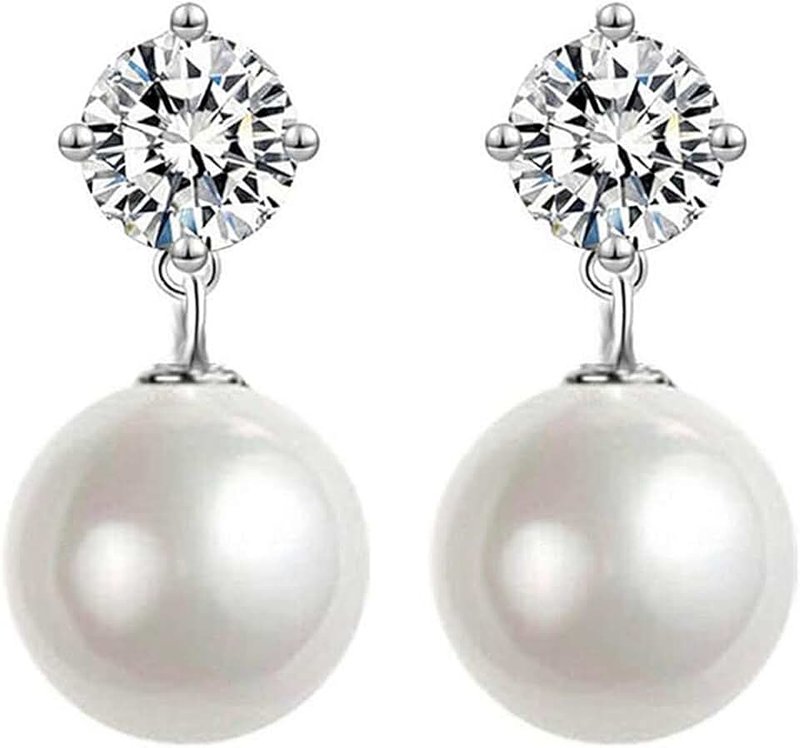
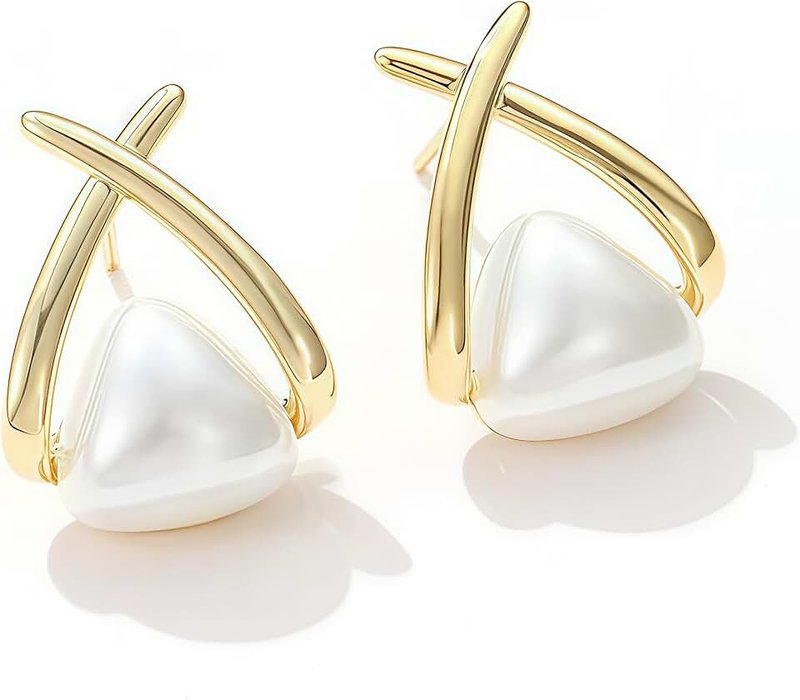
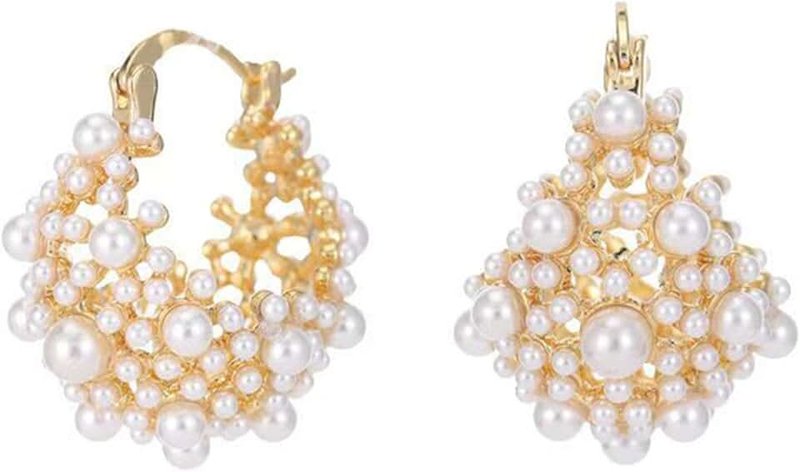
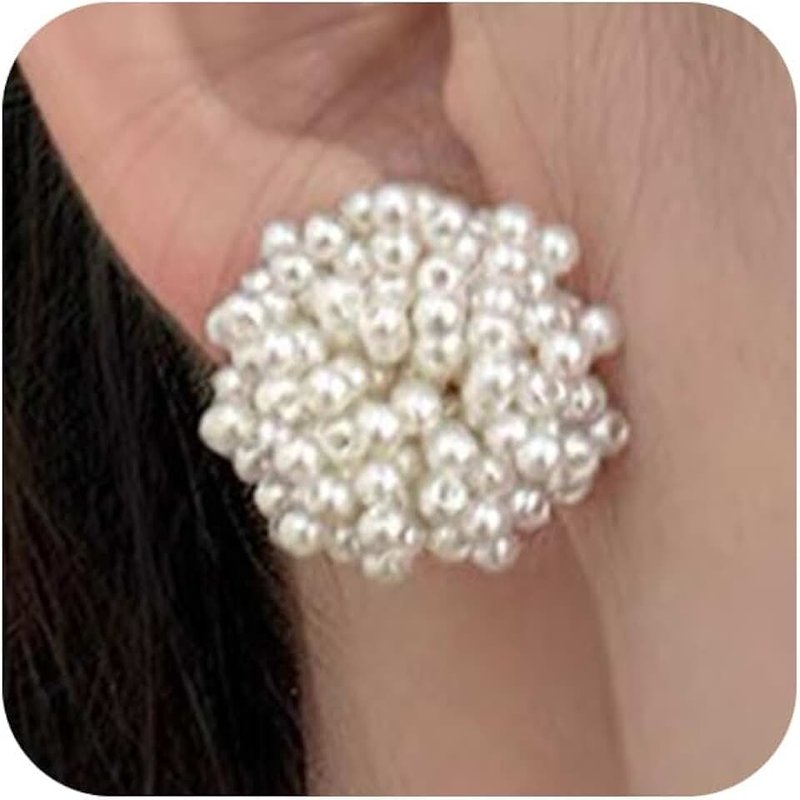
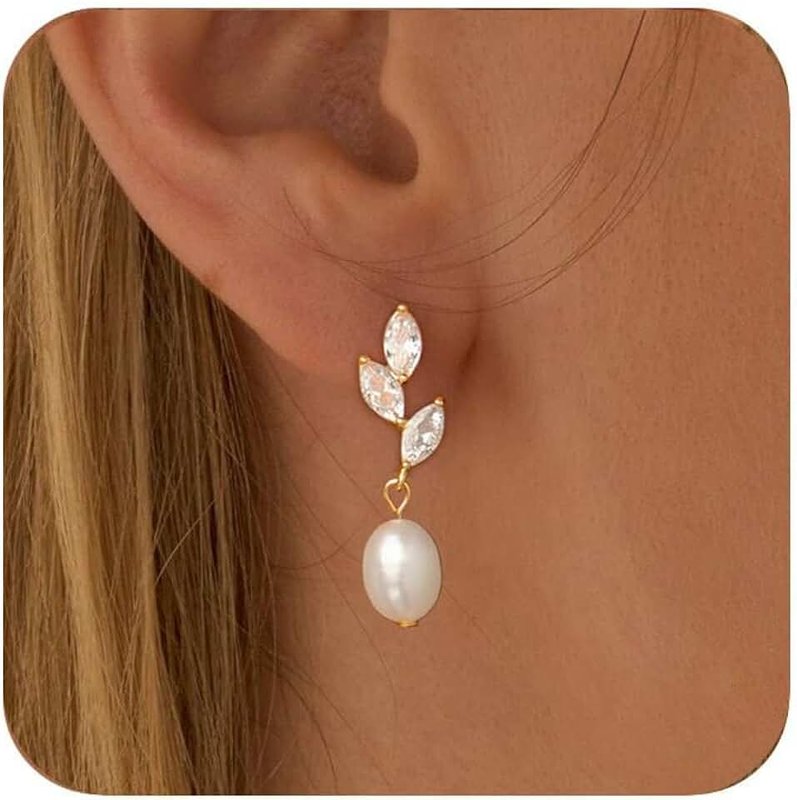
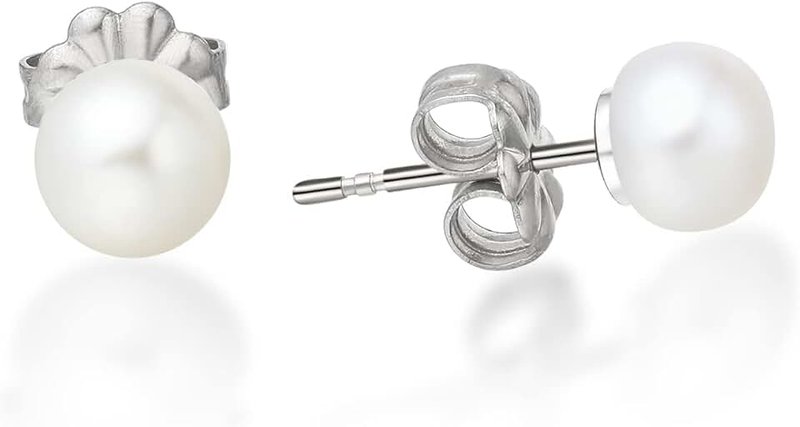
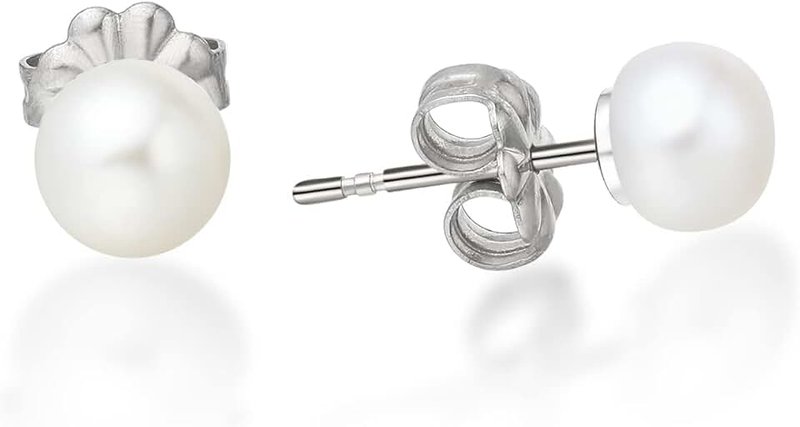
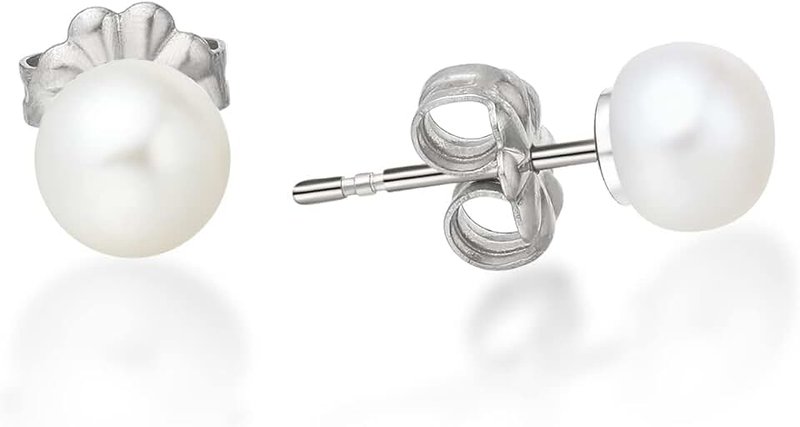
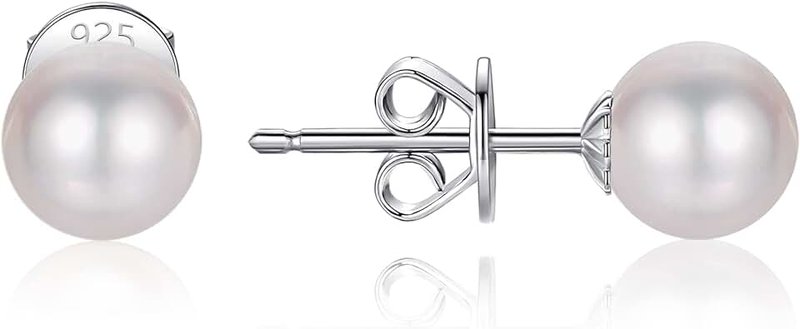
Stud earrings are the timeless classic — a single pearl mounted on a post with a butterfly or screw back. They sit close to the lobe and suit every occasion. Drop earrings suspend the pearl below the earlobe on a short chain or metal connector, adding movement. Dangle earrings are longer and more dramatic, often featuring multiple pearls or mixed materials. Huggie hoops with pearl accents offer a contemporary twist on the traditional style.
Metal Settings
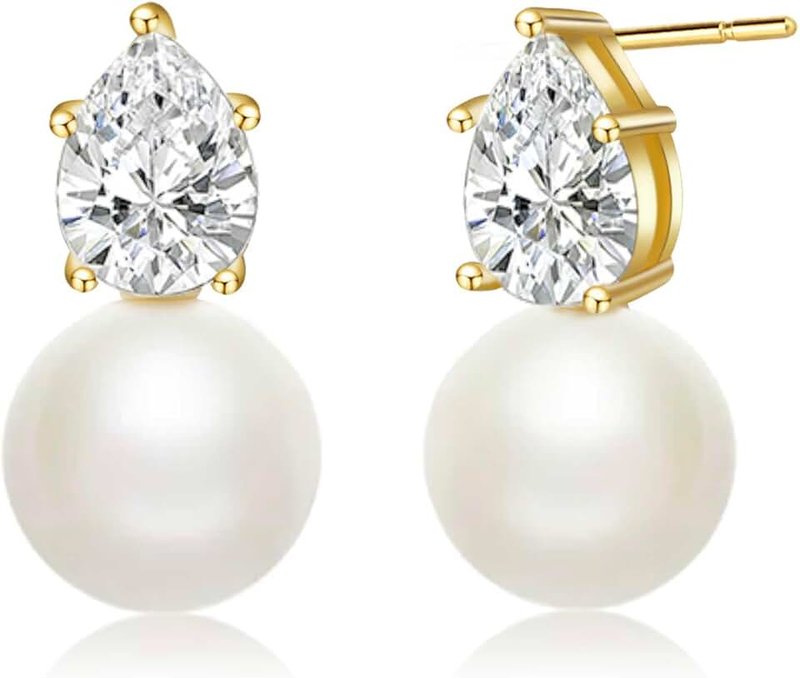
Sterling silver complements white and cream pearls beautifully and keeps the price accessible. Yellow gold adds warmth and pairs well with golden and cream pearls. White gold and platinum enhance the cool brilliance of white pearls. Rose gold creates a romantic, modern look with pink-toned freshwater pearls. The metal should complement both the pearl colour and your skin tone.
Comfort and Wearability
Pearl stud earrings are lightweight and barely noticeable after a few minutes. Larger pearls (10 mm+) on stud posts can feel heavy over a full day — drop or dangle settings distribute the weight better for bigger pearls. Screw-back posts are the most secure (pearls are too valuable to lose to a loose butterfly back). For sensitive ears, ensure the posts are sterling silver, gold, or surgical steel rather than plated base metal.
Care for Pearl Earrings
Pearls are soft (2.5 to 4.5 on the Mohs scale) and porous. Put them on after applying perfume, hairspray, and makeup. Wipe gently with a damp cloth after each wear. Store separately from harder gemstones that could scratch them. Keep them in a soft pouch — never in an airtight container, as pearls absorb moisture from the air to maintain their lustre. Avoid ultrasonic and steam cleaners entirely.
Price Range
Pearl earrings in Australia range from $9 to $65 AUD. Freshwater pearl studs on silver posts start at the lower end. Akoya pearls on gold settings occupy the mid-range. Tahitian and South Sea pearl earrings with premium metals and diamond accents sit at the top.
How can I tell if pearl earrings are real?
Gently rub two pearls together — real pearls feel slightly gritty due to the nacre layers, while fake pearls feel perfectly smooth. Real pearls also feel cool to the touch initially and warm up slowly. The surface of genuine pearls shows subtle variations in colour and lustre, not a uniform, painted look.
What size pearl earrings should I get?
For everyday wear, 6 to 8 mm is the most versatile size — visible but not overpowering. For formal occasions or a statement look, go for 9 mm and above. Petite frames suit smaller pearls (5 to 7 mm), while larger frames can carry bigger pearls comfortably.
Can I wear pearl earrings every day?
Yes, pearl stud earrings are a popular daily wear choice. Just remove them before showering, swimming, or exercising, and put them on after applying beauty products. A quick wipe after each wear keeps them in excellent condition.
Do pearl earrings suit all skin tones?
Pearls are remarkably universal. White and cream pearls suit cool and neutral skin tones. Golden and warm cream pearls complement warm skin tones. Pink and lavender pearls flatter fair complexions. Darker Tahitian pearls look stunning against deeper skin tones.
How should I store pearl earrings?
Keep them in a soft fabric pouch or lined jewellery box, separate from other jewellery that could scratch them. Avoid airtight containers — pearls need a trace of humidity to maintain their lustre. Never store them in direct sunlight or near heat sources.