

Evil Eye Necklace
As an Amazon Associate, DreamPigeon earns from qualifying purchases. Prices and availability are accurate as of the date/time indicated and are subject to change.
The Evil Eye Necklace: Meaning, Style and Buying Advice
The evil eye symbol — that distinctive blue-and-white concentric circle design — has protected its wearers for over 5,000 years across Mediterranean, Middle Eastern, and South Asian cultures. An evil eye necklace carries that ancient protective tradition into contemporary jewellery, blending cultural symbolism with genuine everyday style. In Australia, prices range from $22 to $105 AUD, with options spanning traditional glass beads to high-end gold-plated designer interpretations.
The symbol’s popularity has exploded globally, and Australia is no exception. What started as a cultural amulet has become one of the most recognisable jewellery motifs in the world. Wearing an evil eye necklace can be about belief in its protective power, appreciation for its cultural heritage, or simply love for the striking blue-and-white design. All three reasons are equally valid.
Traditional vs Contemporary Designs
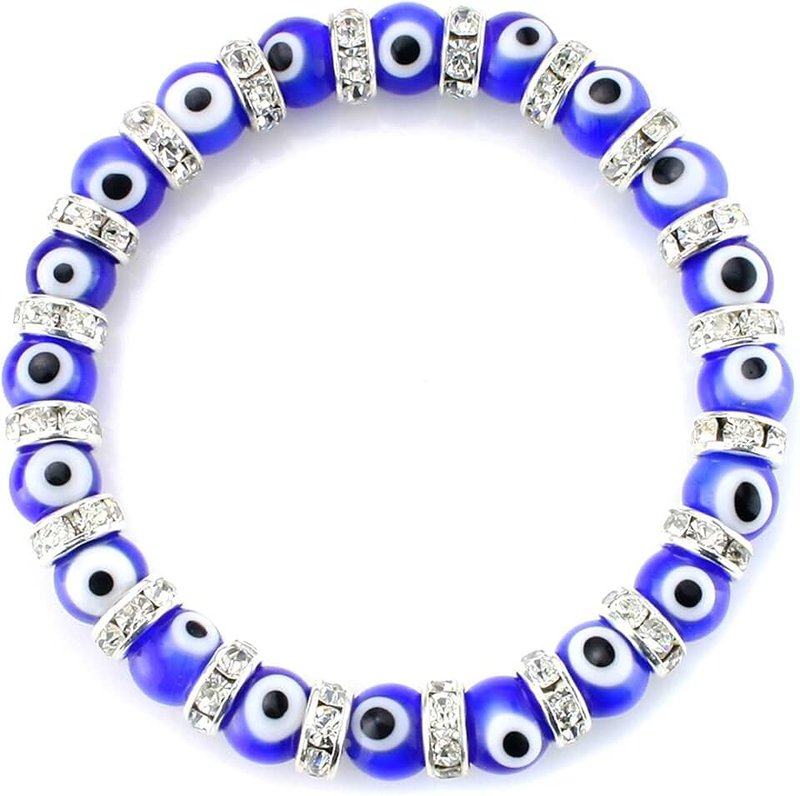
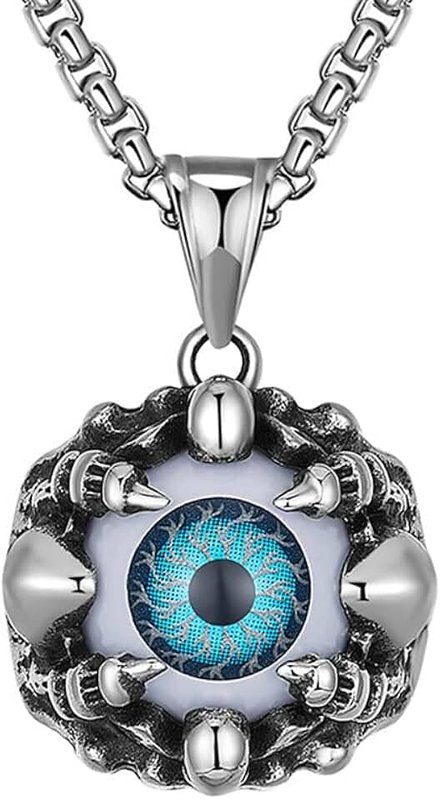
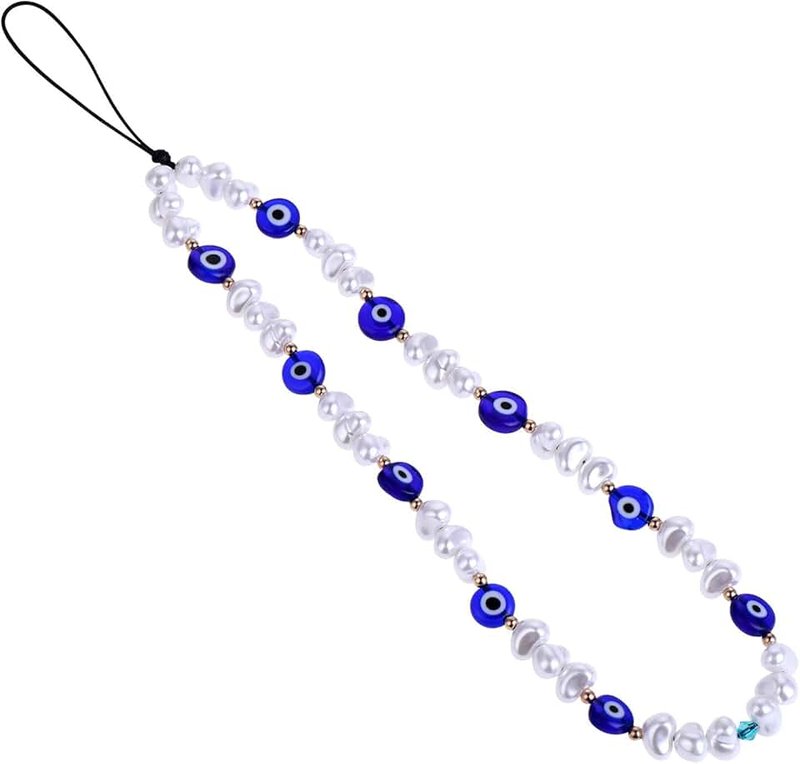
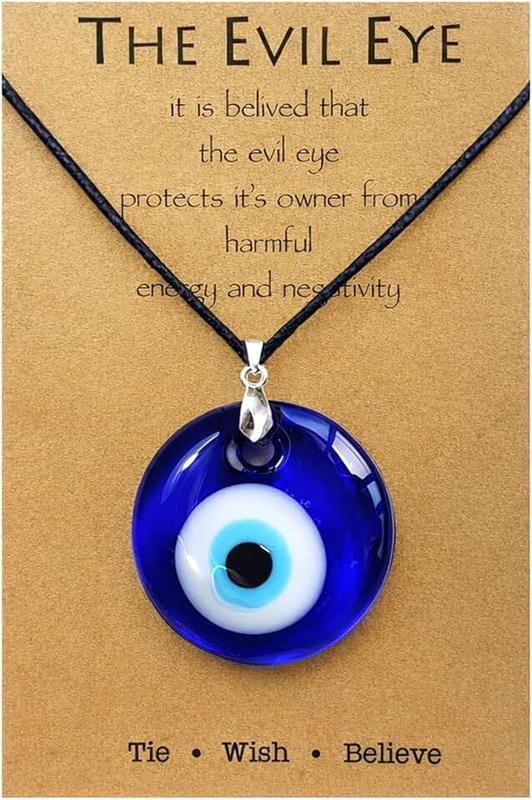
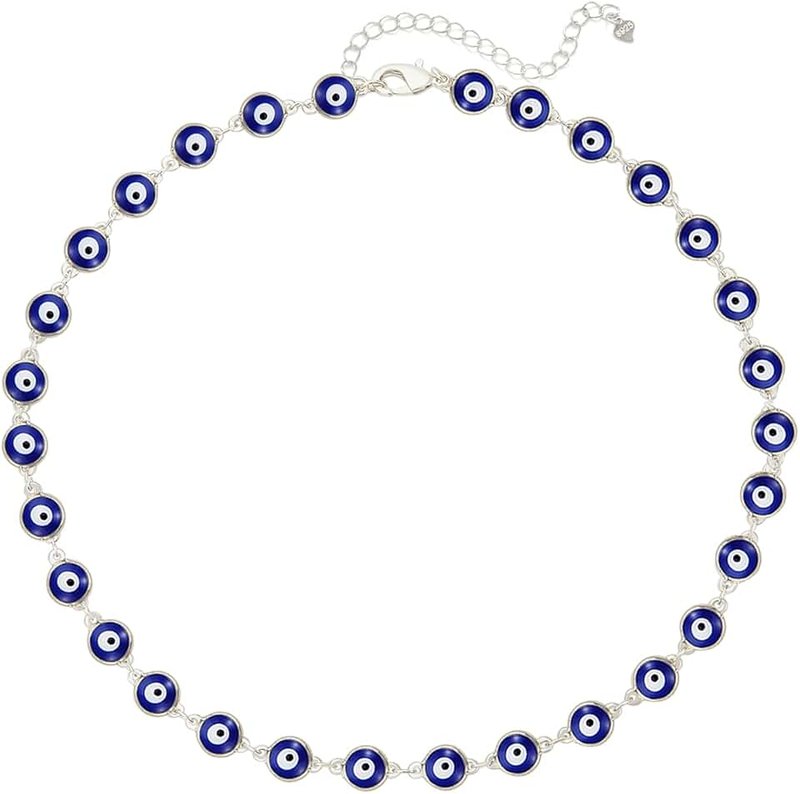
Traditional evil eye necklaces feature a glass bead (nazar) — handmade concentric circles of dark blue, white, light blue, and black. The glass bead is the authentic form of the talisman, crafted in Turkey using techniques passed down for centuries. These are typically strung on leather cord or simple chains and have a handmade, artisanal quality.
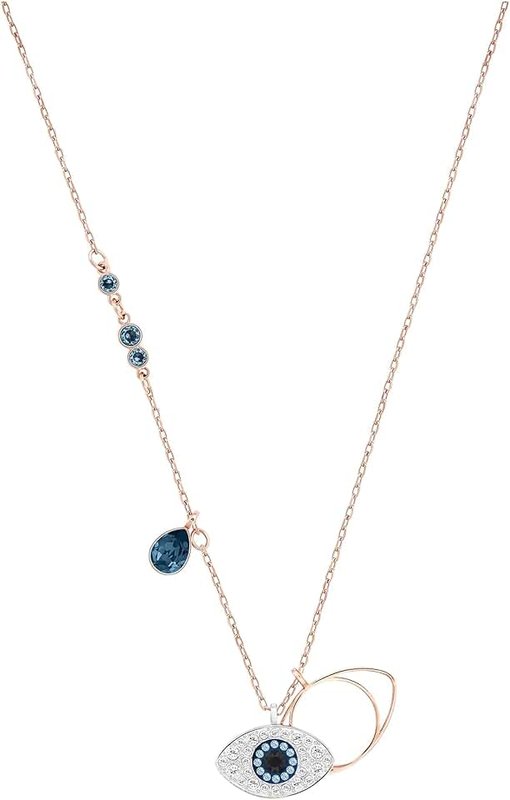
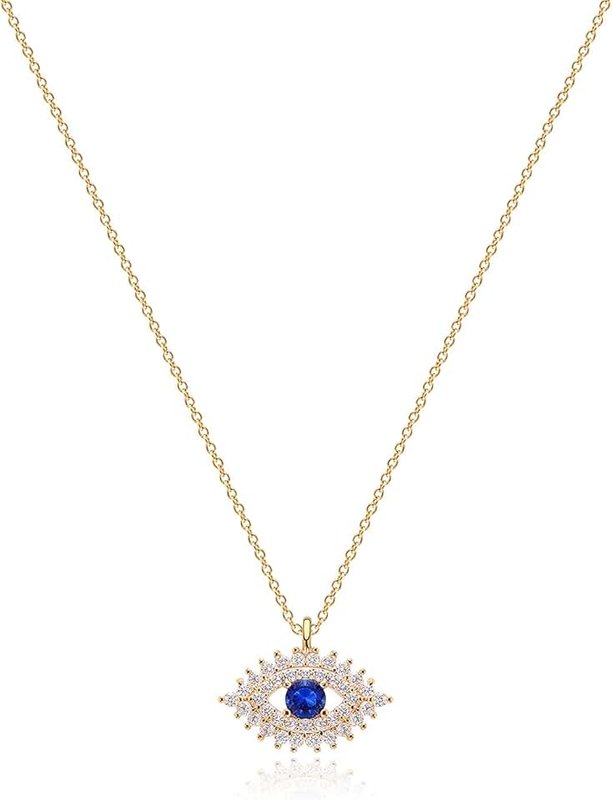
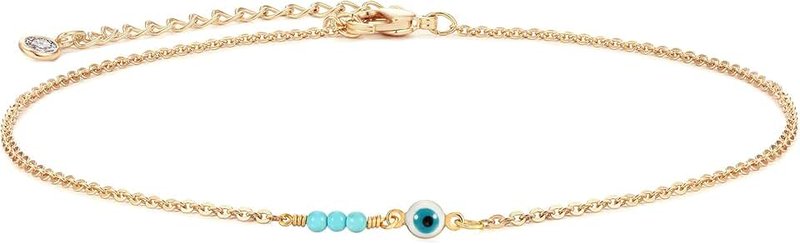
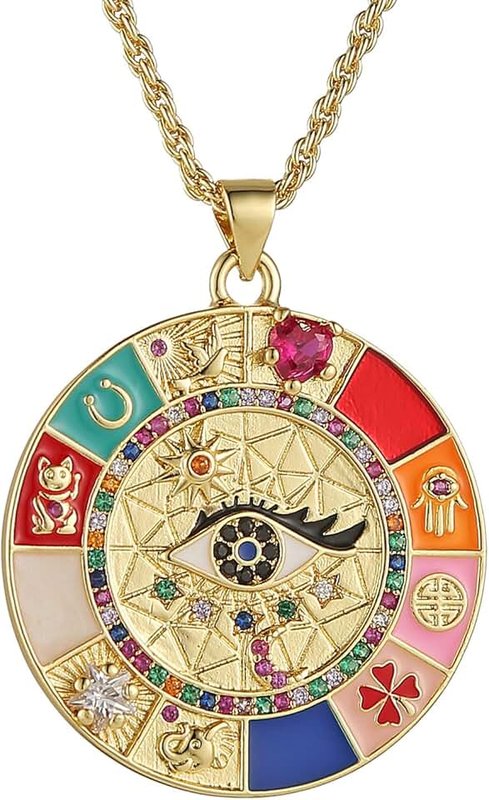
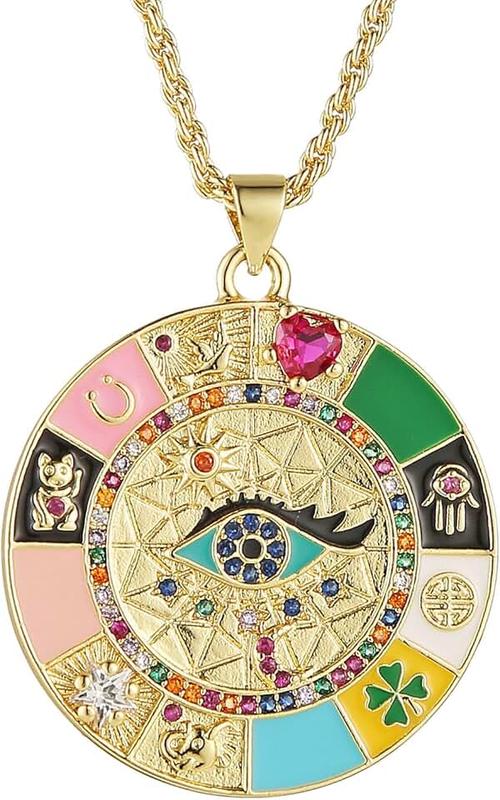
Contemporary evil eye necklaces interpret the symbol through fine jewellery design — CZ-studded pendants, enamel-filled gold settings, and dainty charm designs. These versions are smaller, more refined, and integrate easily with modern layered necklace stacks. The eye motif is stylised rather than literal, which appeals to wearers who want the symbol without the traditional folk-art aesthetic.
Materials and Construction
Gold-plated evil eye necklaces with enamel detailing are the most popular category. The blue enamel fills the eye’s colour zones while the gold creates the surrounding structure and chain. Quality varies significantly — check that the enamel fills evenly without bubbles, gaps, or rough edges. Run your fingernail over the enamel surface: it should be smooth and flush with the metal borders.
Sterling silver evil eye necklaces with CZ stones offer sparkle alongside symbolism. The stones typically outline the eye’s shape or form the iris centre. These pieces dress up more than enamel versions and suit evening occasions. Turkish glass bead versions on leather or cotton cord are the most authentic and also the most casual — they suit beach days, festivals, and relaxed bohemian styling.
Wearing and Layering
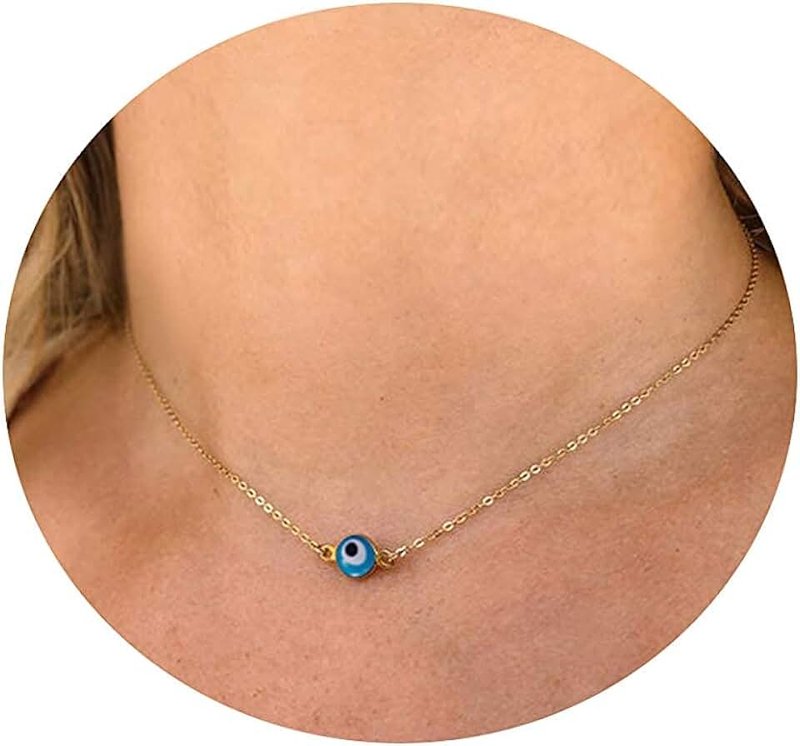
An evil eye necklace works as a standalone centrepiece on a short chain (40cm) or as a layering component among other meaningful charms. The blue colour provides a pop of contrast against gold and silver chains, making it a natural focal point in a layered arrangement.
For traditional protective wearing, the evil eye necklace sits close to the heart (45cm to 50cm chain). For pure fashion, it sits at the collarbone (38cm to 42cm) where the blue eye is most visible. Many people wear theirs under clothing for private protection and pull it out for public display depending on the day.
Caring for Your Evil Eye Necklace
Enamel evil eye pendants need protection from impact — a hard knock can chip the enamel, which is difficult to repair. Glass bead versions are even more fragile; the glass can shatter if dropped onto a hard surface. Handle with care when putting on and taking off.
Store enamel pieces separately to prevent the hard pendant surface from scratching softer jewellery (and vice versa). Clean with a soft, damp cloth — never use chemical cleaners on enamel, as they can dissolve the coloured coating. Glass beads can be gently washed with warm water and mild soap.
What does an evil eye necklace mean?
The evil eye symbol is a protective talisman originating from Mediterranean and Middle Eastern cultures over 5,000 years ago. It’s believed to deflect negative energy and ill wishes directed at the wearer. Many people also wear it purely as a beautiful cultural symbol or fashion accessory.
Is it culturally appropriate to wear an evil eye necklace?
The evil eye symbol spans dozens of cultures across the Mediterranean, Middle East, and South Asia. It has been widely shared and worn globally for millennia. Most cultural practitioners welcome respectful appreciation of the symbol, particularly when the wearer understands its protective significance.
What colour should an evil eye necklace be?
Traditional evil eye beads are blue and white — the blue representing protective sight. Modern interpretations come in many colours, each said to offer different energy: red for courage, green for health, pink for love. Blue remains the most recognised and popular colour globally.
Can I shower with an evil eye necklace?
It’s best to remove it. Water won’t damage the glass bead, but it degrades gold plating and can loosen enamel over time. The chain and clasp are the most vulnerable components. Removing before water exposure extends the overall lifespan of the piece significantly.
What if my evil eye necklace breaks?
In traditional belief, a broken evil eye means it absorbed negative energy and served its purpose. It’s considered good fortune, not bad luck. Replace it with a new one to maintain protection. The broken piece can be buried, returned to water, or respectfully discarded.