

Wedding White Gold Rings
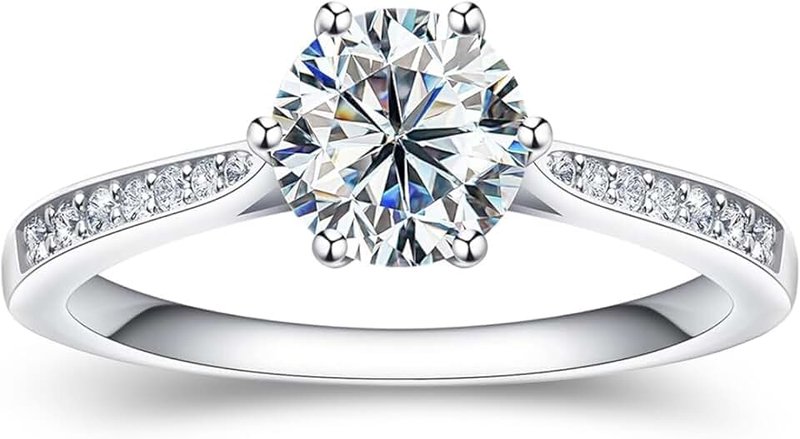
As an Amazon Associate, DreamPigeon earns from qualifying purchases. Prices and availability are accurate as of the date/time indicated and are subject to change.
Choosing Wedding White Gold Rings That Last a Lifetime
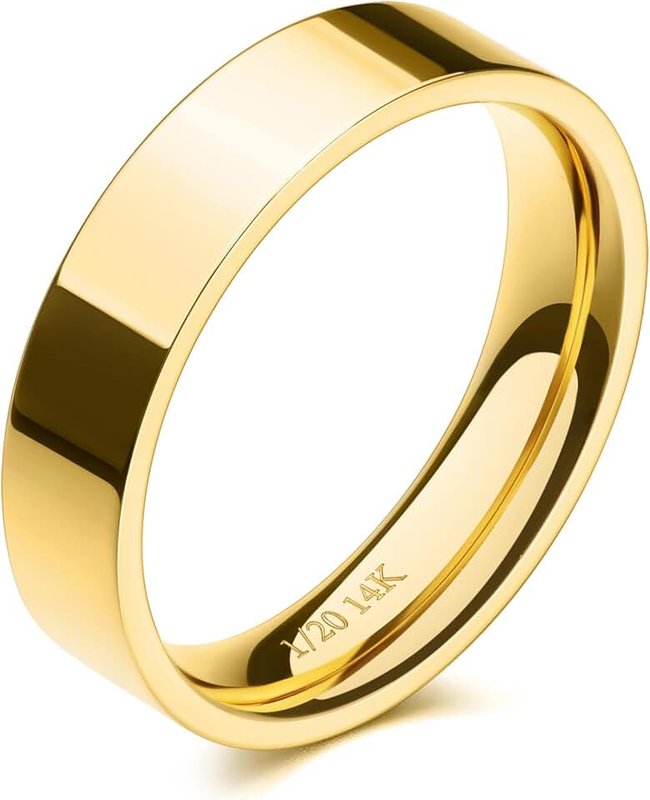
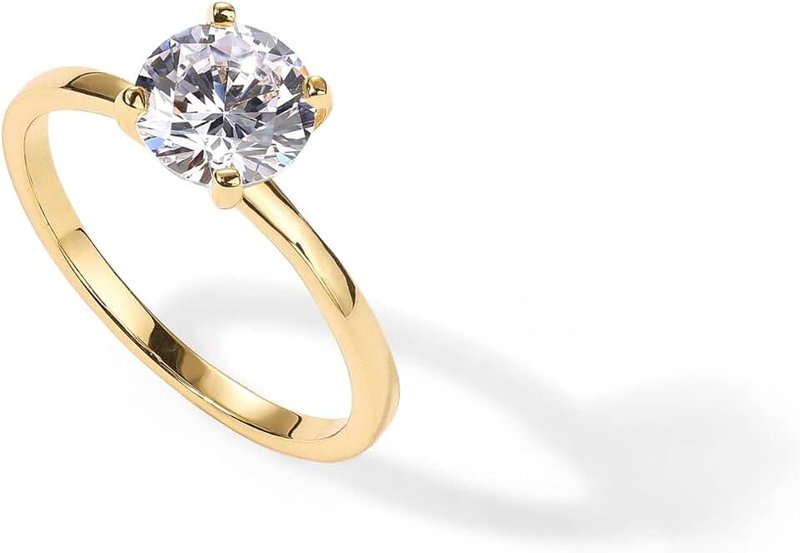
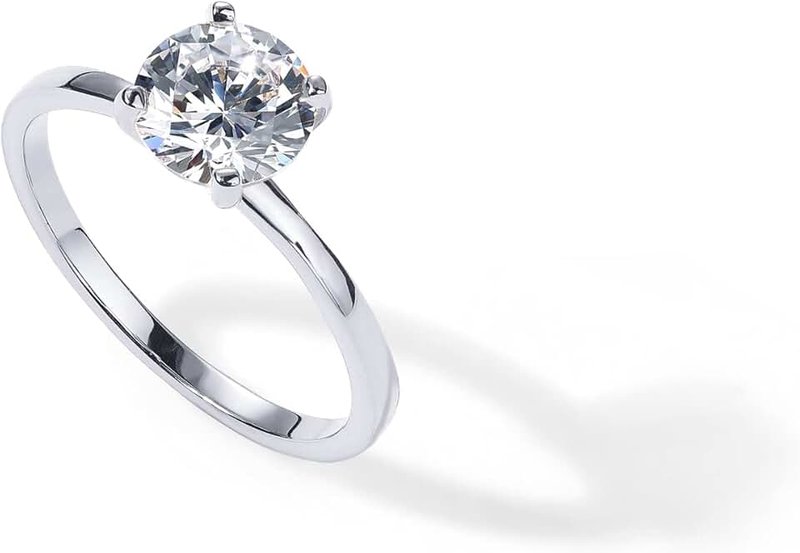
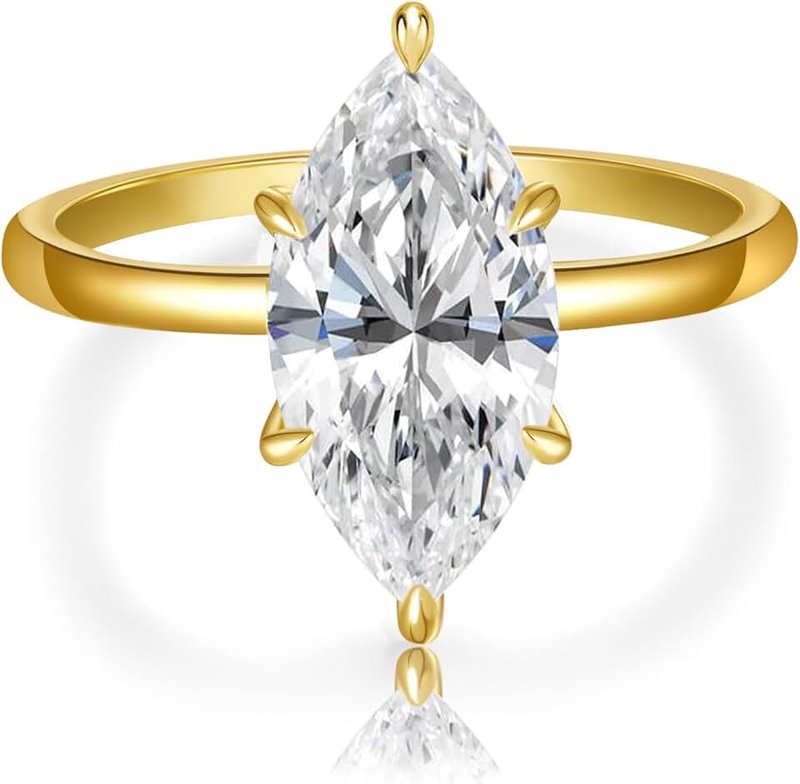
White gold has been the preferred metal for wedding rings in Australia for good reason — its cool, silvery tone complements every skin colour, it pairs beautifully with diamonds and gemstones, and it carries a timeless elegance that never dates. When you’re choosing wedding white gold rings, you’re making a decision you’ll live with for decades, so getting the details right matters.
Prices for wedding white gold rings range from $58 to $807 AUD, depending on whether you’re looking at plated options, solid 10K white gold, or higher-karat pieces with diamond accents. The difference in durability and long-term value between these tiers is significant, so understanding what you’re buying is essential before committing.
Understanding White Gold Composition
White gold isn’t naturally white — it’s yellow gold alloyed with white metals like palladium, nickel, or silver, then plated with rhodium to achieve that bright, silvery finish. The karat rating tells you the gold content: 10K is 41.7% gold, 14K is 58.3%, and 18K is 75%. For wedding rings, 14K hits the sweet spot between durability and gold content. It’s hard enough to resist scratching from daily wear while maintaining genuine precious metal value.
18K white gold is softer and more prone to scratches, but it has a richer, slightly warmer white tone once the rhodium wears. Some people actually prefer that warmer patina. 10K is the most durable but has the least gold content — it’s a pragmatic choice if you work with your hands.
Rhodium Plating: What to Expect
Every white gold ring gets rhodium-plated for that bright, reflective surface. This plating wears off over time — typically every 12 to 18 months with daily wear. The ring underneath develops a slightly yellowish or greyish tinge, which is completely normal. Any jeweller can re-plate the ring for around $50 to $80 AUD, and the process takes less than an hour.
If re-plating every year or two sounds bothersome, consider platinum instead. But for most couples, the occasional re-plate is a minor maintenance task compared to the significant cost savings of white gold over platinum.
Selecting the Right Band Width and Profile
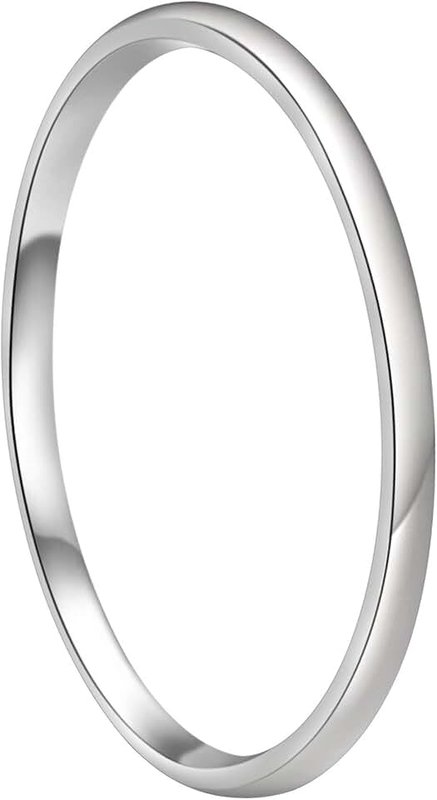
Band width affects both comfort and appearance. For women’s wedding white gold rings, 2mm to 3mm is classic and comfortable — it sits neatly beside an engagement ring without feeling bulky. For men, 4mm to 6mm provides a more substantial look while remaining comfortable for all-day wear.
The profile (cross-section shape) makes a bigger difference to comfort than most people realise. A comfort-fit profile has a slightly domed interior that slides easily over the knuckle and feels natural on the finger. A flat-fit profile looks sleeker but can feel tight, especially in hot weather when fingers swell slightly.
Diamond and Moissanite Accents
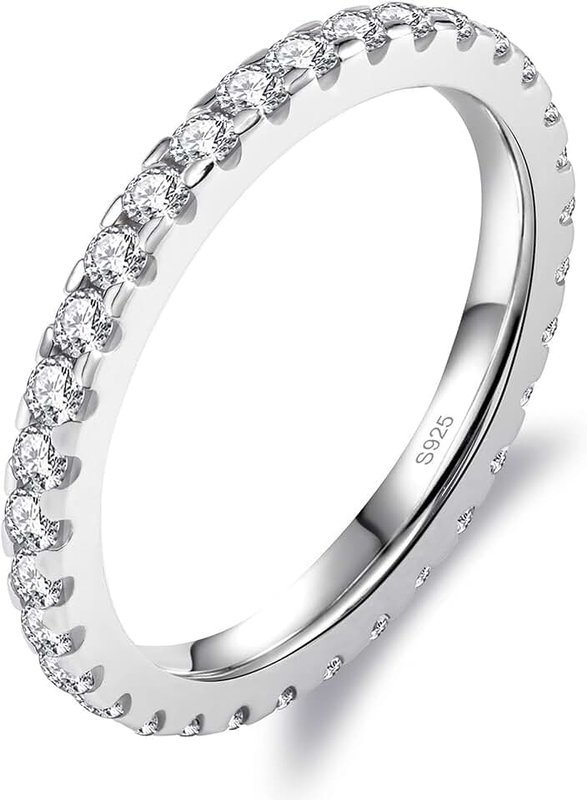
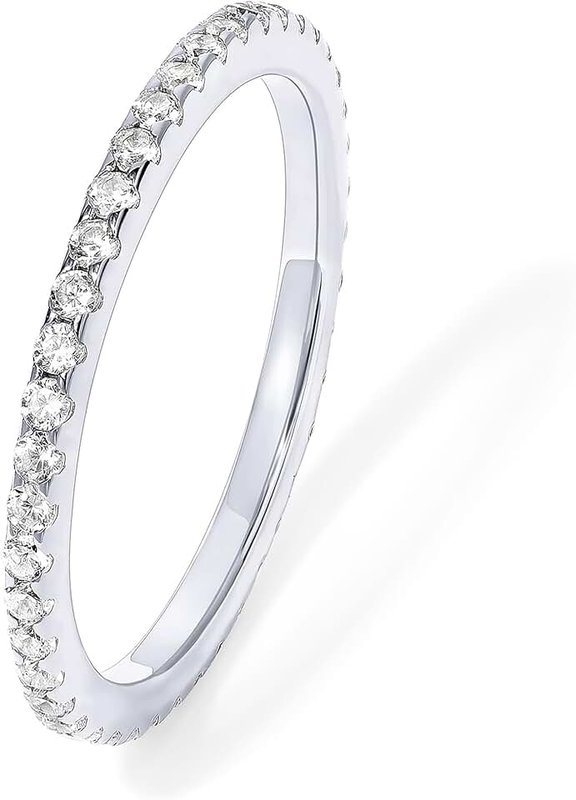
If you want stones in your wedding band, you’ll choose between diamonds and moissanite. Moissanite offers more fire and brilliance than diamond at a fraction of the cost. In a wedding band setting where stones are small (typically 1mm to 2mm), the visual difference between diamond and moissanite is virtually impossible to detect without magnification.
Channel-set stones (recessed into the band) are more practical for a wedding ring than prong-set stones. Prongs catch on fabric, hair, and gloves. Channel settings protect the stones and create a smooth surface that won’t snag.
Getting the Size Right
Ring sizing for wedding bands needs to account for long-term wear. Your finger size fluctuates with temperature, hydration, and even the time of day. Measure your finger in the afternoon (when it’s largest) on a day when you’re neither hot nor cold and well-hydrated. This gives the most accurate size.
Wider bands fit tighter than narrower ones, so if you’re choosing a band wider than 4mm, consider going up half a size. Most jewellers can resize white gold rings within one to two sizes — beyond that, the structural integrity of the ring can be compromised.
For couples buying matching wedding white gold rings, get sized separately on the same day under the same conditions. His-and-hers sizing approaches that assume proportional difference based on gender are unreliable.
Do wedding white gold rings need maintenance?
Yes, the rhodium plating wears off over time and needs re-application every 12 to 18 months. This costs around $50 to $80 AUD and takes under an hour at any jeweller. Beyond that, a gentle clean with warm soapy water keeps the ring looking its best.
Is white gold a good choice for people with sensitive skin?
White gold alloys sometimes contain nickel, which can cause allergic reactions. If you have sensitive skin, look for palladium-based white gold or confirm with the seller that the alloy is nickel-free. The rhodium plating provides a barrier, but once it wears, nickel contact becomes an issue.
What’s the difference between 10K, 14K, and 18K white gold?
The karat number indicates gold content: 10K is 41.7% gold (most durable), 14K is 58.3% (best balance), and 18K is 75% (softest but richest in gold). For wedding bands that see daily wear, 14K is the most popular choice in Australia.
Can white gold wedding rings be resized?
Most white gold rings can be resized within one to two sizes in either direction. Rings with stones set all the way around (eternity bands) are more difficult to resize and may need to be exchanged rather than altered.
How much should I budget for wedding white gold rings in Australia?
Budget-friendly plated options start around $58, while solid white gold bands with moissanite or diamond accents can reach $800 or more. A solid 14K plain band typically sits between $200 and $400 AUD.