

Helix Earrings
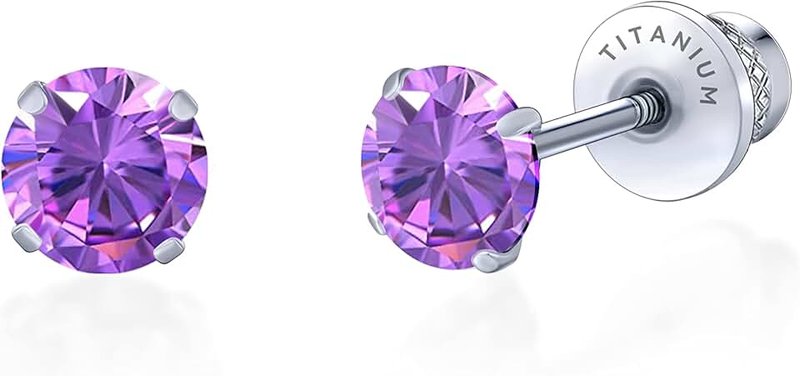
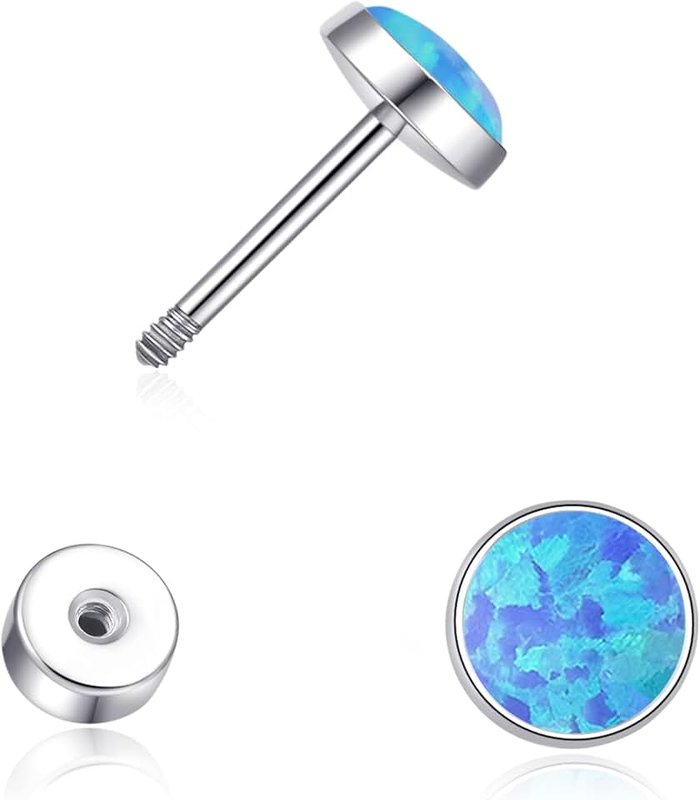
limerencia Hypoallergenic G23 Implant Grade Titanium Screw...
$25.99 $22.09 (15% off)
View on Amazon
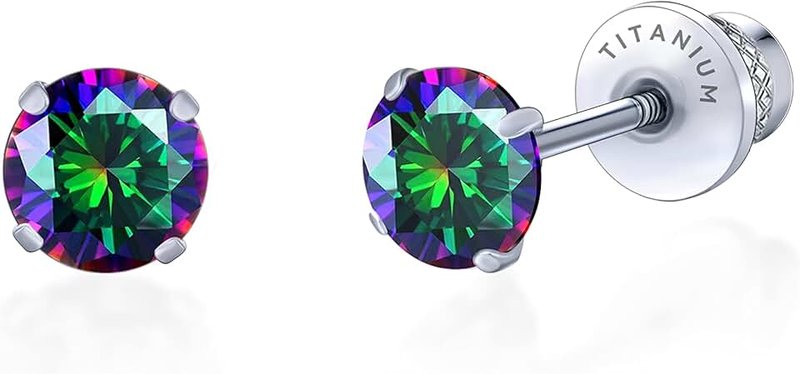
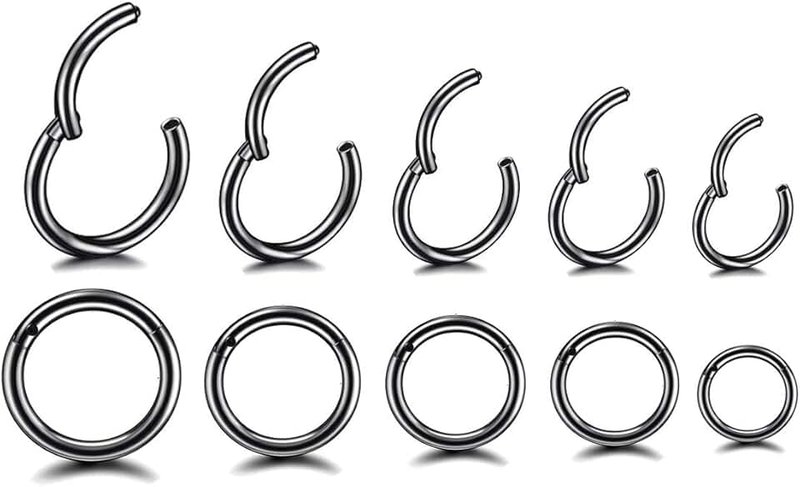
limerencia Hypoallergenic G23 Implant Grade Titanium Screw...
$25.99 $22.09 (15% off)
View on Amazon
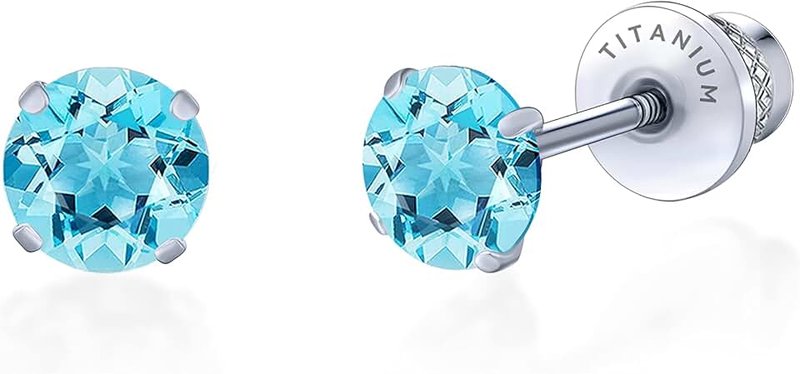
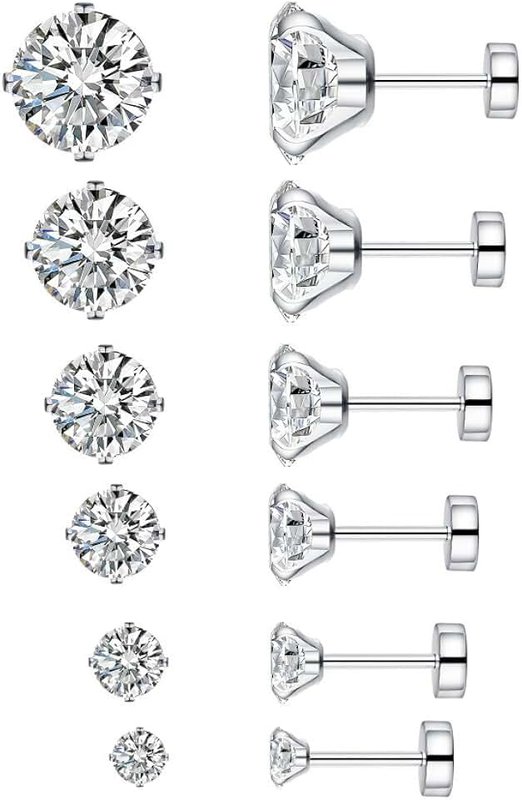
limerencia Hypoallergenic G23 Implant Grade Titanium Screw...
$25.99 $22.09 (15% off)
View on Amazon
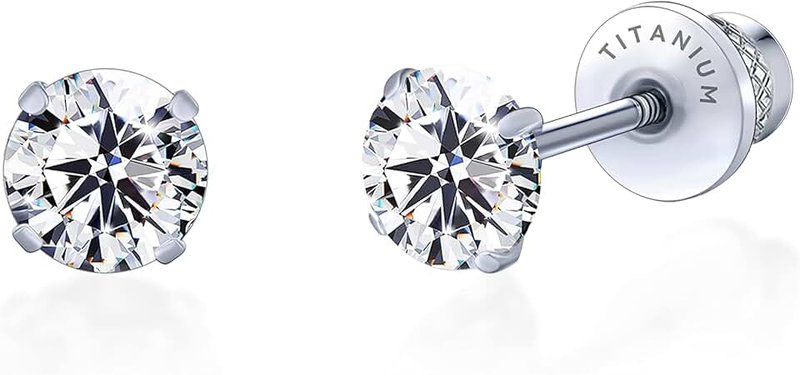
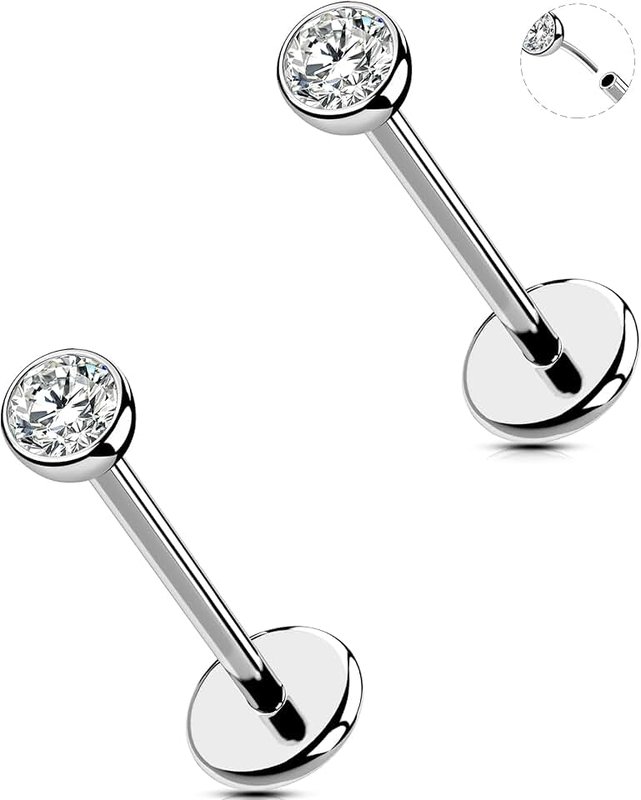
limerencia Hypoallergenic G23 Implant Grade Titanium Screw...
$25.99 $20.79 (20% off)
View on Amazon
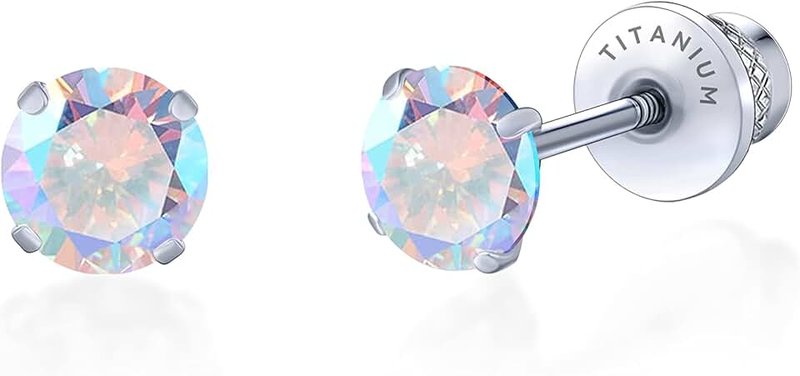
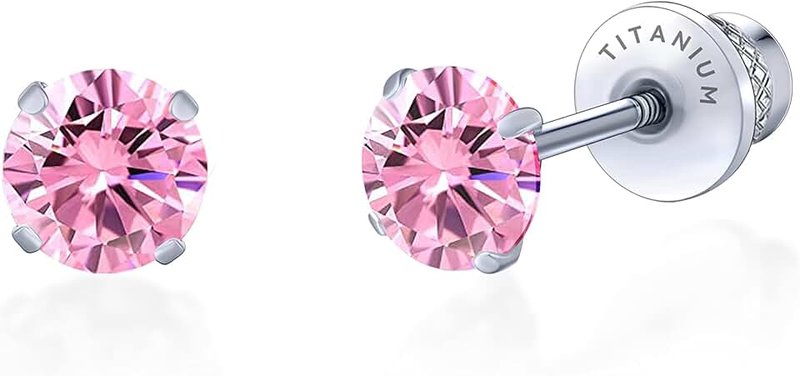
limerencia Hypoallergenic G23 Implant Grade Titanium Screw...
$25.99 $22.09 (15% off)
View on Amazon
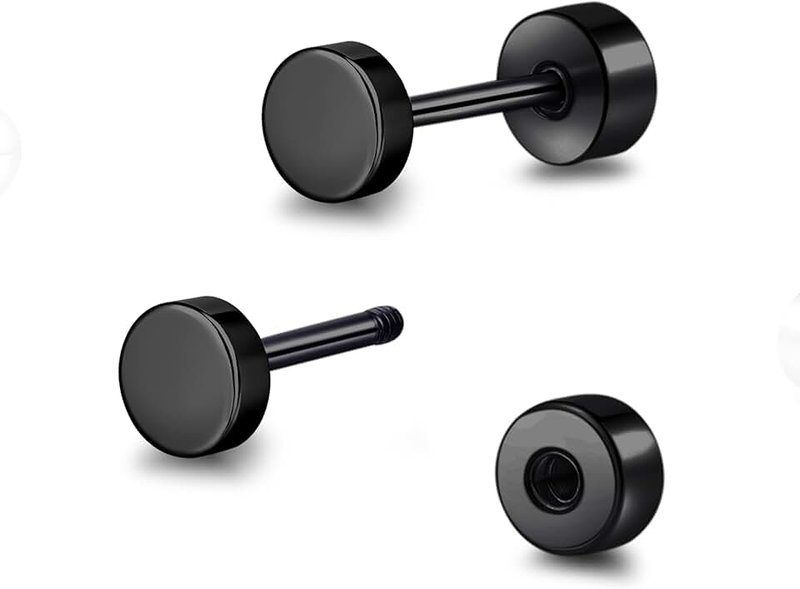
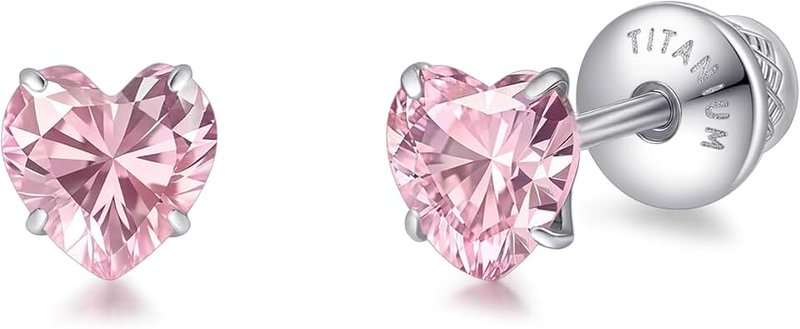
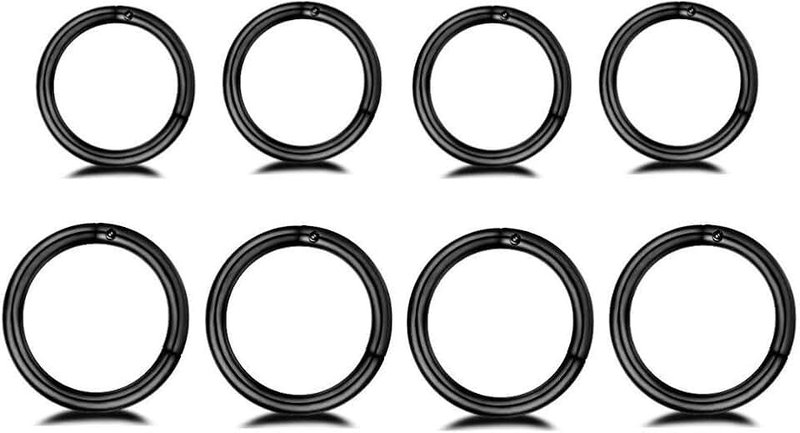
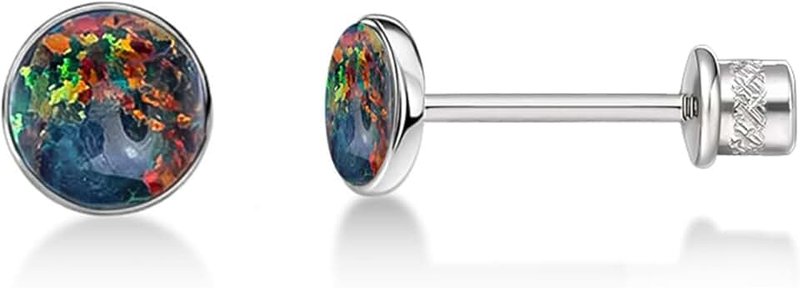
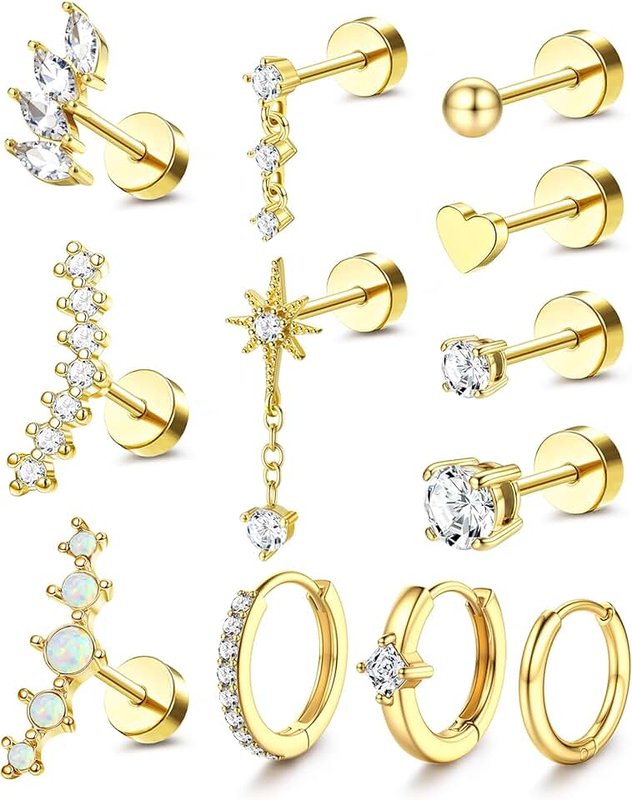
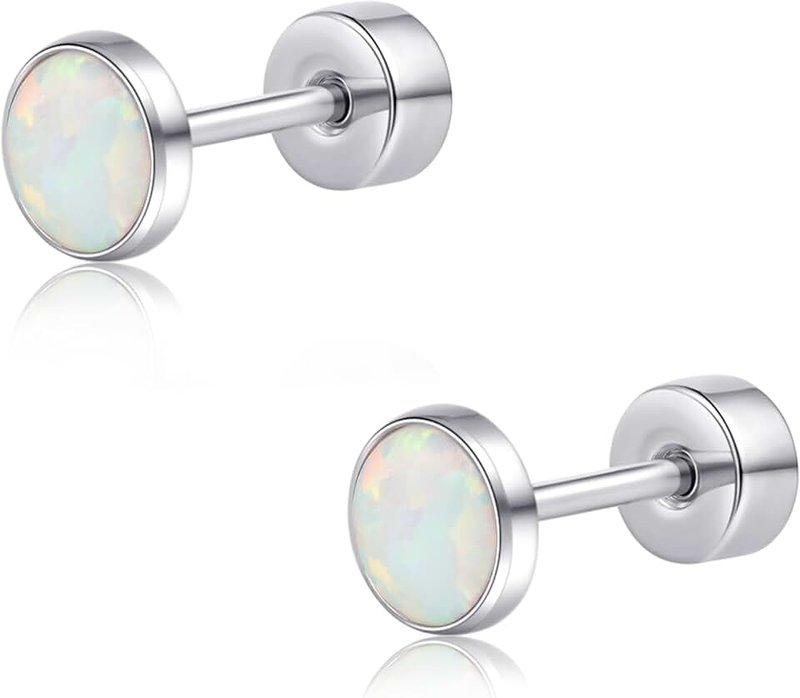
As an Amazon Associate, DreamPigeon earns from qualifying purchases. Prices and availability are accurate as of the date/time indicated and are subject to change.
A Practical Guide to Buying Helix Earrings
Helix earrings sit in the upper cartilage of your ear — that curved ridge running along the outer edge. It’s one of the most popular piercing locations right now, and the right jewellery makes all the difference between a helix that looks intentional and polished versus one that looks like an afterthought. Prices for quality helix earrings typically sit between $14 to $39 AUD, and the material matters more here than almost any other piercing location.
Cartilage piercings are fundamentally different from lobe piercings. They heal slower (six to twelve months versus six to eight weeks), they’re more prone to irritation bumps, and they’re less forgiving of poor-quality metals. Choosing the right helix earrings from the start saves you months of frustration with swelling and sensitivity.
Materials: What Your Cartilage Needs
For helix piercings — especially newer ones — implant-grade titanium (ASTM F136) is the gold standard. It’s completely nickel-free, lightweight, and biocompatible. Your body essentially doesn’t react to it. Surgical steel (316L) is the next best option and is what most piercers use for initial jewellery. Both materials work well for long-term wear.
Sterling silver and gold-plated metals are fine for fully healed helix piercings (twelve months or older) but can cause problems in newer piercings. Silver tarnishes, and the tarnish can permanently stain the piercing channel grey. Gold plating can flake into the wound. Save the decorative metals for once your piercing is completely established.
Gauge and Diameter
Most helix piercings use 16-gauge (1.2mm) jewellery. Some piercers use 18-gauge (1.0mm) for a more delicate look. Check what gauge your piercing was done at before ordering — inserting the wrong gauge can damage the channel or fall out unexpectedly.
For hoop-style helix earrings, internal diameter matters. A hoop that’s too small puts pressure on the piercing and causes irritation. Too large, and it sticks out awkwardly. For a standard helix placement, 6mm to 8mm internal diameter is the sweet spot. If your piercing sits higher on the ear, you might need 8mm to 10mm.
Popular Helix Earring Styles
Clicker hoops are the most popular choice — they have a hinged segment that clicks shut for easy insertion and a secure fit. No fiddling with tiny balls or screws. Seamless rings create a continuous circle that looks clean and minimal. Labret studs (flat back with a decorative front) are the most comfortable option for sleeping, since there’s no hoop pressing into your head on the pillow.
Chain helix earrings — where a fine chain connects a helix stud to a lobe earring — create a dramatic connected look that’s become hugely popular. These work best once both piercings are fully healed and you’re comfortable with the additional weight and movement.
Aftercare and Long-Term Wear
New helix piercings with fresh helix earrings should be cleaned twice daily with sterile saline solution. Don’t twist or rotate the jewellery — this old advice has been debunked. Movement disrupts the healing tissue and introduces bacteria. Leave it alone except for cleaning.
Sleep on the opposite side from your helix piercing for at least the first six months. Pressure from sleeping on the piercing compresses the cartilage and is the most common cause of healing complications. A travel pillow with your ear positioned in the hole is a practical workaround if you can’t control your sleeping position.
Once healed, swap your helix earrings as often as you like, but always wash your hands before handling the jewellery. Cartilage piercings can become irritated even years after healing if bacteria is introduced during a jewellery change.
What gauge are helix earrings?
Most helix piercings use 16-gauge (1.2mm) jewellery. Some are pierced at 18-gauge (1.0mm). Always check your piercing gauge before purchasing to ensure a proper fit.
Can I sleep with helix earrings in?
Yes, but flat-back labret studs are the most comfortable option for sleeping. Hoops can press into your head and cause discomfort. For new piercings, sleep on the opposite side for at least six months.
How soon can I change my helix earrings after piercing?
Wait at least six months, ideally twelve, before changing your initial jewellery. Cartilage heals significantly slower than lobes, and premature changes can cause irritation bumps and prolong healing.
What’s the best material for helix earrings?
Implant-grade titanium (ASTM F136) is the safest choice for all healing stages. Surgical stainless steel (316L) is a close second. Save sterling silver and gold-plated options for piercings that are fully healed — twelve months or older.
What size hoop should I get for a helix piercing?
For a standard helix placement, 6mm to 8mm internal diameter fits most ears. Higher placements may need 8mm to 10mm. A hoop that’s too tight will irritate the piercing, so err on the slightly larger side if uncertain.