

Plugs Earrings
As an Amazon Associate, DreamPigeon earns from qualifying purchases. Prices and availability are accurate as of the date/time indicated and are subject to change.
Understanding Ear Plugs and Gauges
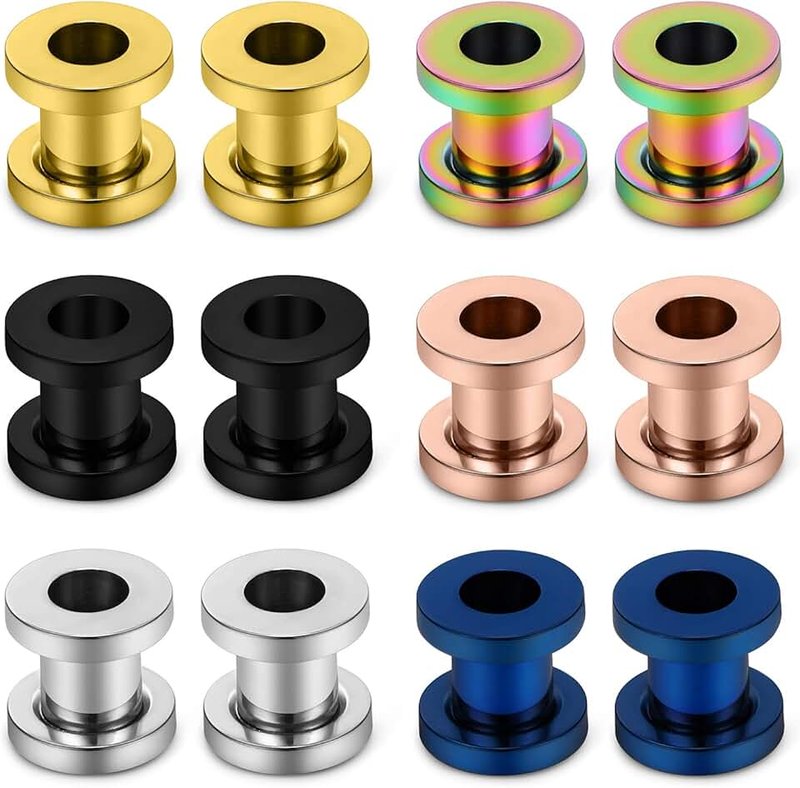
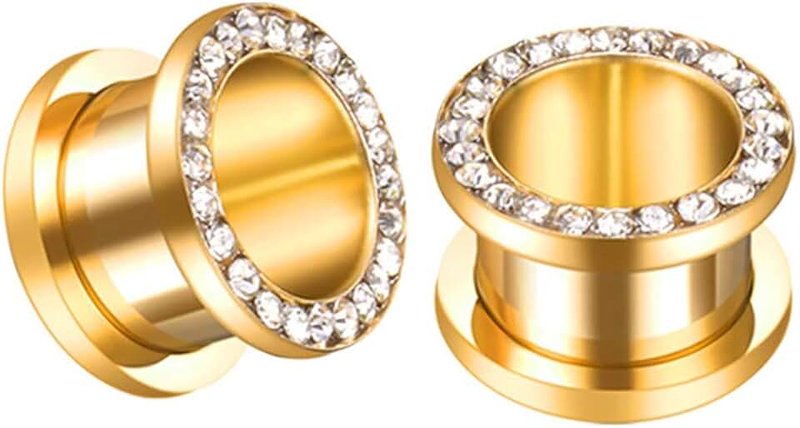
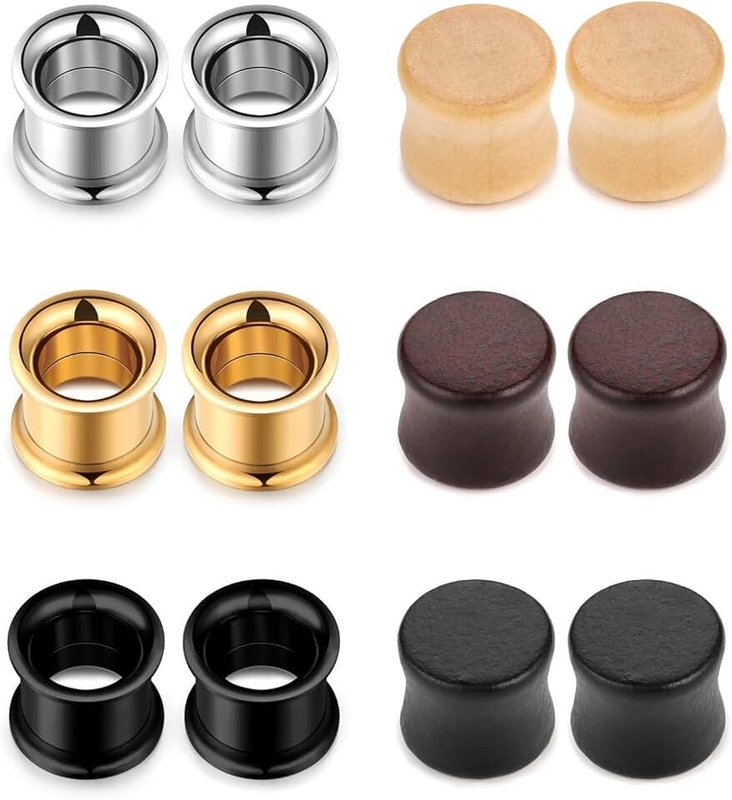
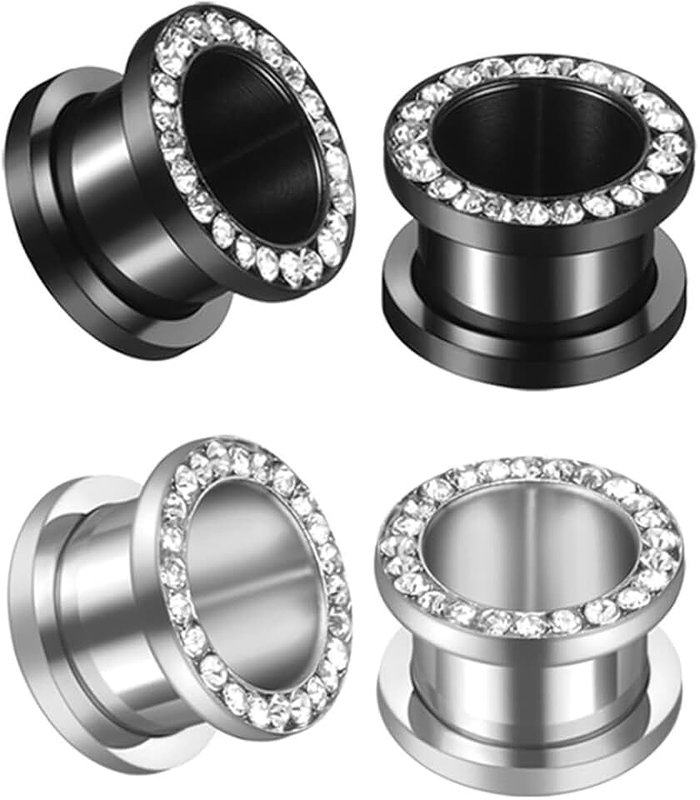
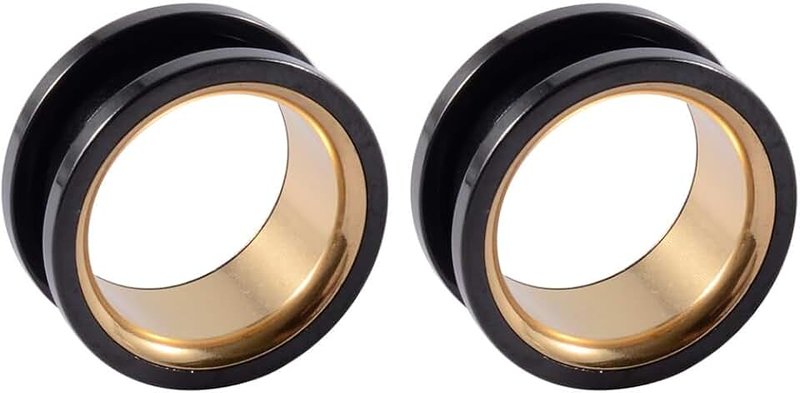
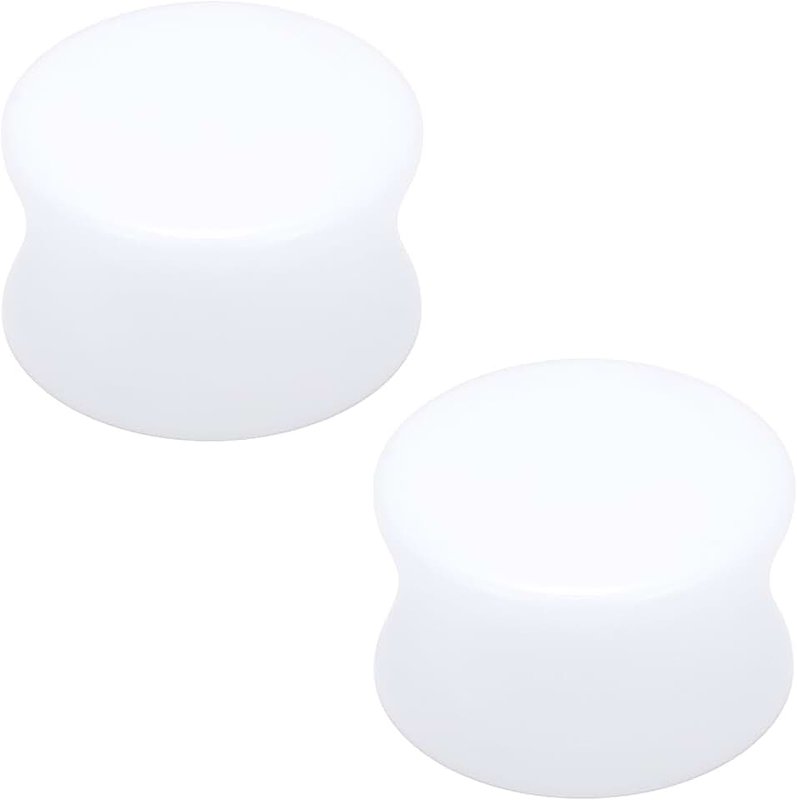
Ear plugs (also called gauges or tunnels) are a form of body jewellery worn in stretched ear piercings. Unlike standard earrings that fit through a tiny hole, plugs fill the stretched lobe with a solid disc or hollow tunnel, creating a bold, distinctive look. They’ve been part of human culture for thousands of years and remain hugely popular in Australia’s body modification community.
Plugs come in sizes measured by gauge (the wire thickness that created the stretch). Common sizes range from 16g (1.2mm) for starter stretches up to 00g (10mm) and beyond for larger lobes. The sizing system can be confusing because it runs backwards — smaller gauge numbers mean larger holes. Once you pass 00g, sizing switches to millimetres or inches.
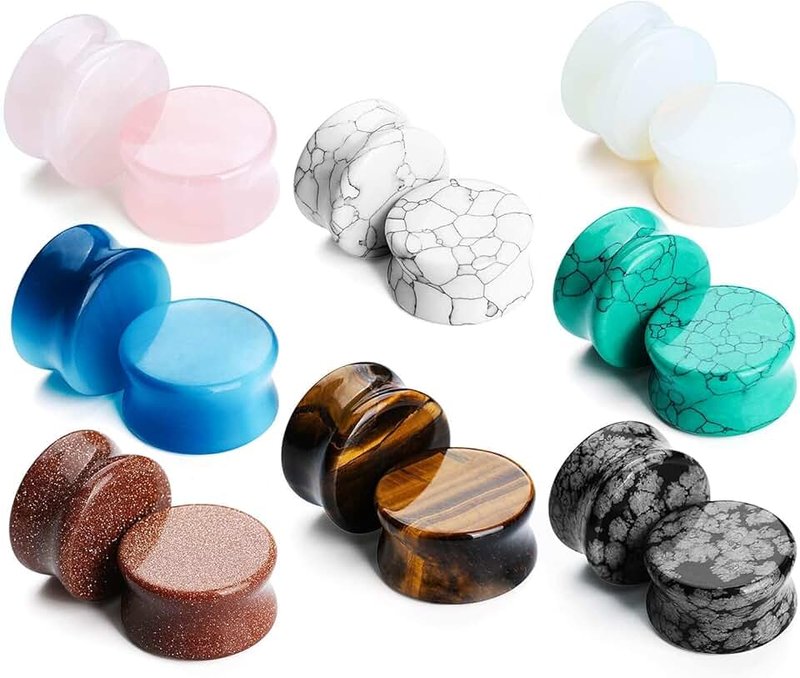
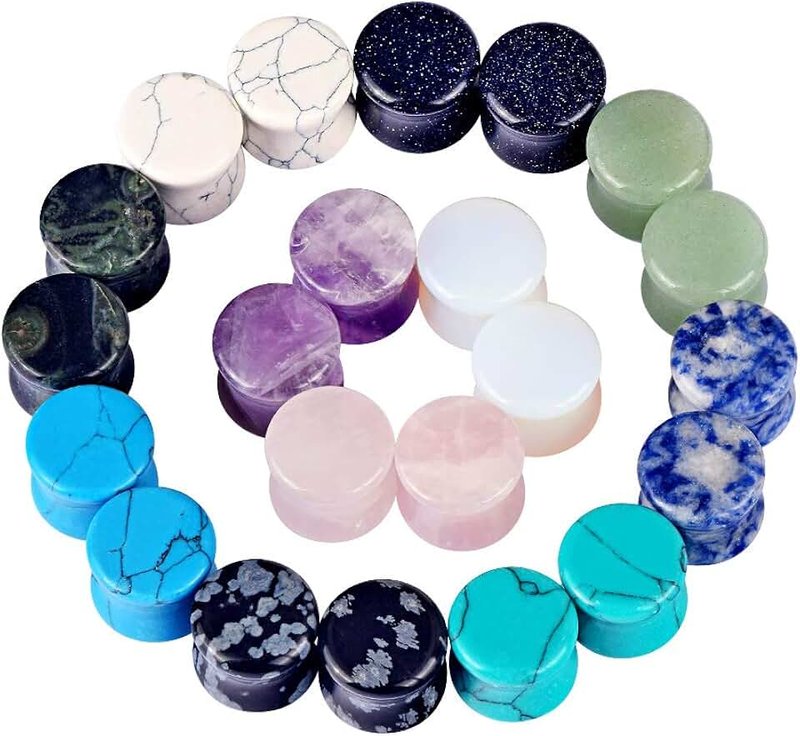
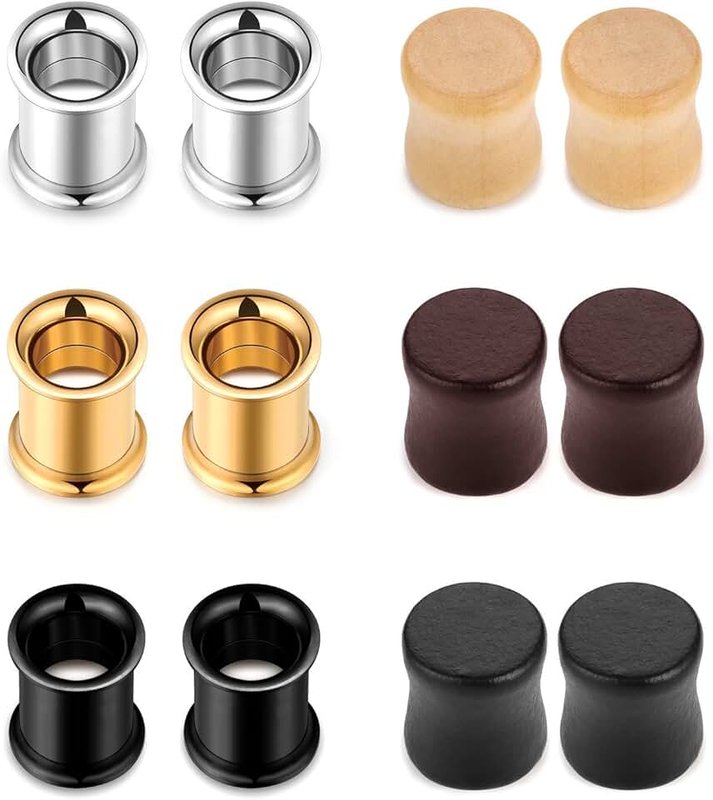
Material choice is critical for stretched ears. Surgical steel, titanium, and glass are safe for all stages of stretching. Natural materials like stone, wood, and bone look incredible but should only be worn in fully healed stretches. Acrylic and silicone are lightweight options for healed piercings but aren’t suitable during active stretching. Prices typically range from $10 to $41 depending on the material and craftsmanship.
Stretching Safely
Patience is everything with ear stretching. Rushing leads to blowouts (where the inner lining of the piercing pushes outward), tears, and permanent scarring. The standard advice is to wait at least 4-6 weeks between each gauge size increase, though many experienced stretchers recommend 2-3 months for sizes above 0g.
Dead stretching (inserting the next size plug after your ears have naturally loosened) is the safest method. Tapers — the cone-shaped tools used to guide plugs in — are controversial in the body modification community because they make it too easy to force a size your ear isn’t ready for. If a plug doesn’t slide in with gentle pressure and some jojoba oil, your ear isn’t ready.
Single-flare plugs with O-rings are the standard for healing stretches. Double-flare plugs (with a wider lip on both sides) require you to push the flare through the piercing, which shouldn’t be done until the stretch is completely healed and slightly loose.
Styles and Care
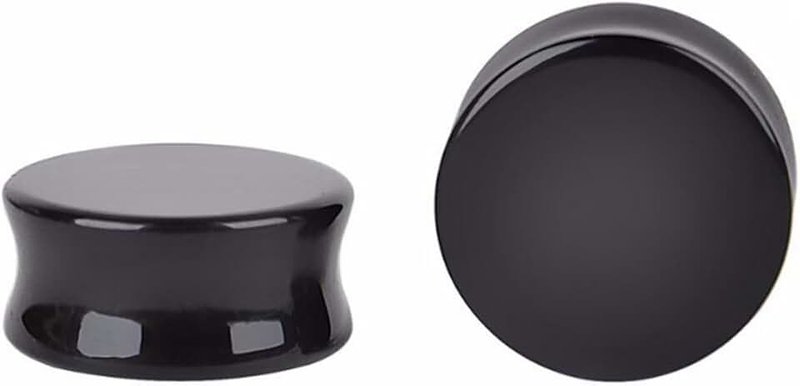
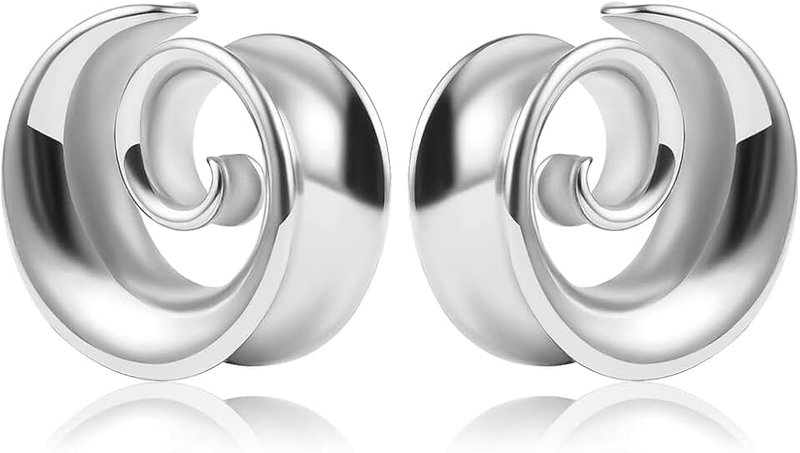
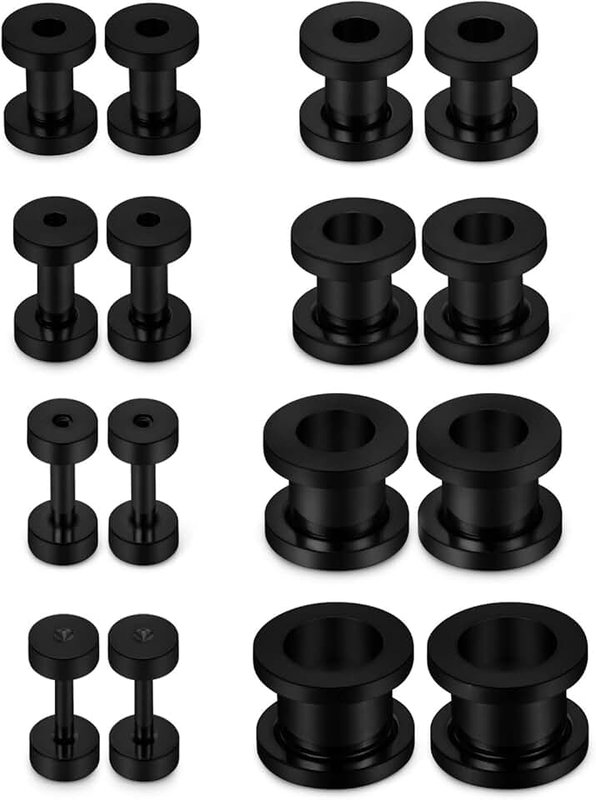
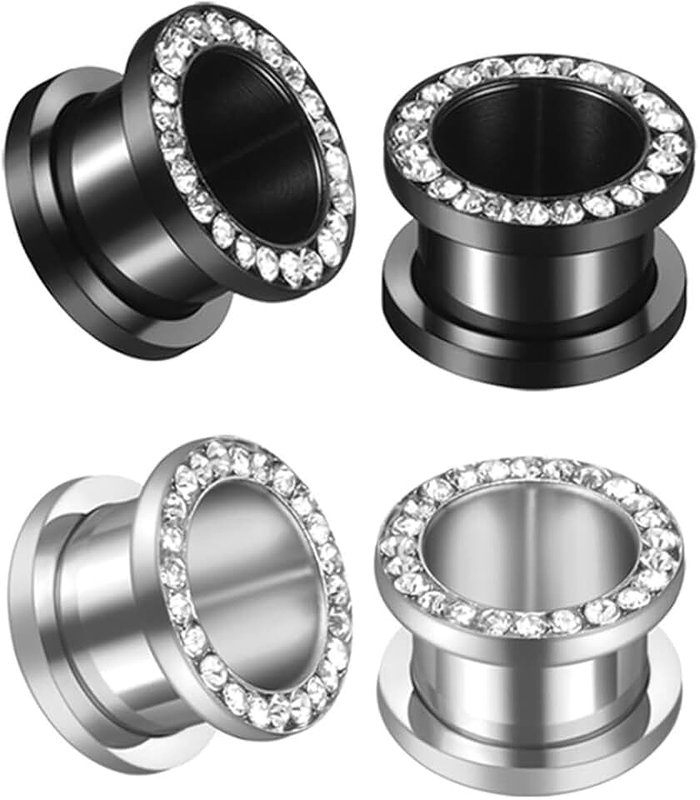
The aesthetic range of plugs is enormous. Polished stone plugs in amethyst, tiger’s eye, or obsidian make stunning statement pieces. Metal tunnels create the classic stretched-ear look. Wood plugs in ebony or olivewood have a warm, organic appeal. For something playful, there are carved designs, inlays, and glow-in-the-dark options.
Clean your plugs daily with warm water and mild soap. Oil your lobes with jojoba or vitamin E oil after removing plugs at night — this keeps the skin supple and promotes healthy stretching. Remove wooden and stone plugs before showering, as water can damage porous natural materials over time.
Take your plugs out to sleep at least a few nights per week. This gives your lobes time to breathe and maintain elasticity. If you’re at your goal size and want your lobes to stay healthy long-term, regular plug-free breaks are essential.
The Plug Community in Australia
Australia has a thriving body modification community, particularly in cities like Melbourne, Sydney, and Brisbane. Local piercing studios stock curated collections of handmade plugs from Australian and international artisans. Supporting local studios often gives you access to unique, limited-run designs in hand-selected materials — stone plugs carved from Australian gemstones, timber plugs from native hardwoods, and custom metalwork you won’t find in mass-market online stores. Many studios also offer stretching consultation services to help you plan your journey safely from your first stretch to your goal size.
What size should I start with for ear stretching?
Most people start at 16g or 14g if their standard lobe piercing has been healed for at least six months. Starting too large risks tearing. A professional piercer can assess your lobes and recommend the right starting gauge.
Will my ears go back to normal if I stop wearing plugs?
It depends on the size and how long you’ve worn them. Stretches below 0g (8mm) usually shrink back significantly over time. Larger sizes may not close completely. Genetics, age, and stretching method all affect shrinkage.
Are silicone plugs safe to wear?
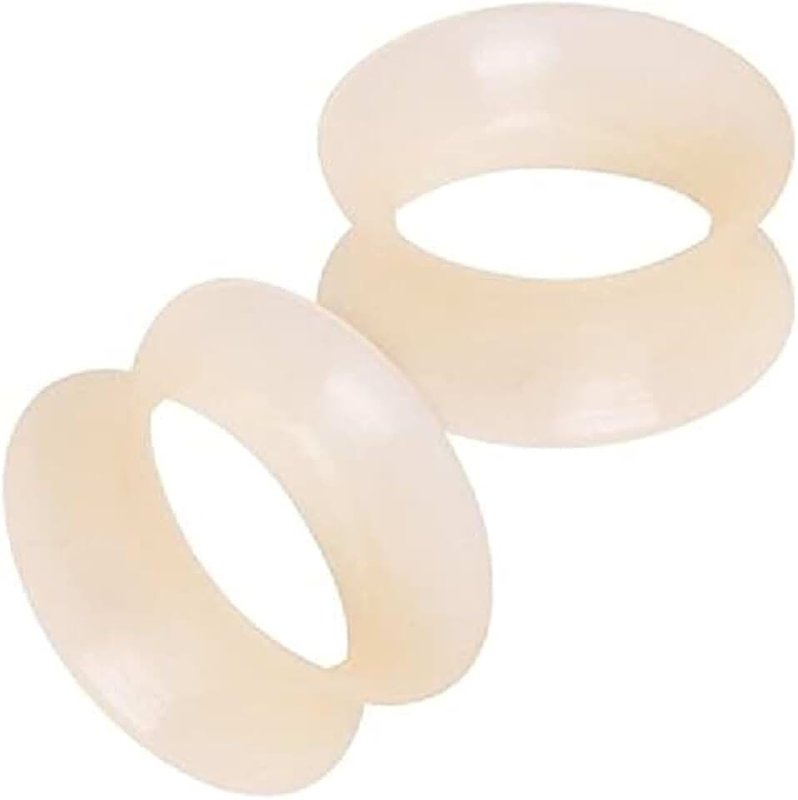
Silicone is safe for fully healed stretches only. Never wear silicone during active stretching or in irritated piercings — it’s porous and can harbour bacteria, leading to infection. Once healed, silicone tunnels are comfortable and lightweight.
How do I know if I’ve stretched my ears too fast?
Signs of overstretching include sharp pain, bleeding, swelling, and a “blowout” where tissue pushes out from behind the piercing. If any of these occur, downsize immediately and let your ears heal for several weeks before trying again.
What’s the difference between plugs and tunnels?
Plugs are solid discs that fill the stretched piercing completely. Tunnels are hollow cylinders that you can see through. Both come in the same gauge sizes and materials — it’s purely an aesthetic preference.