

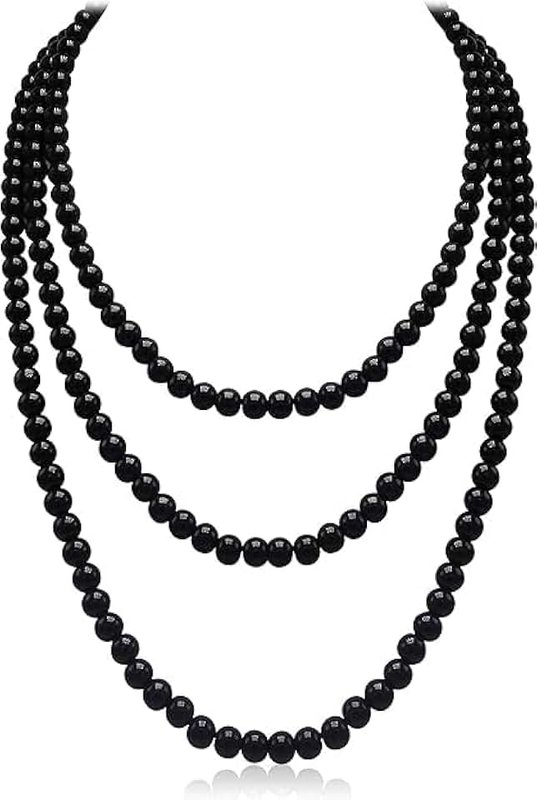
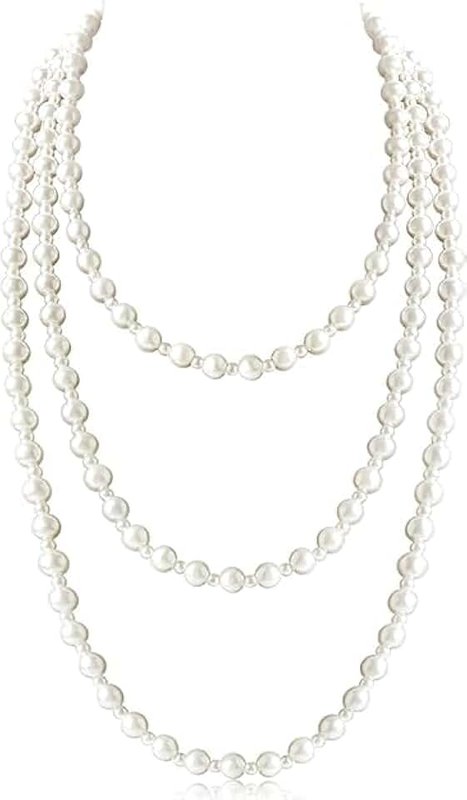
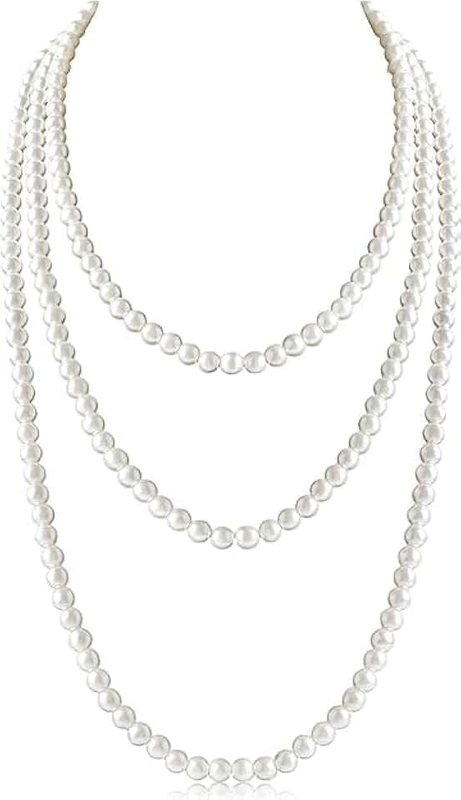
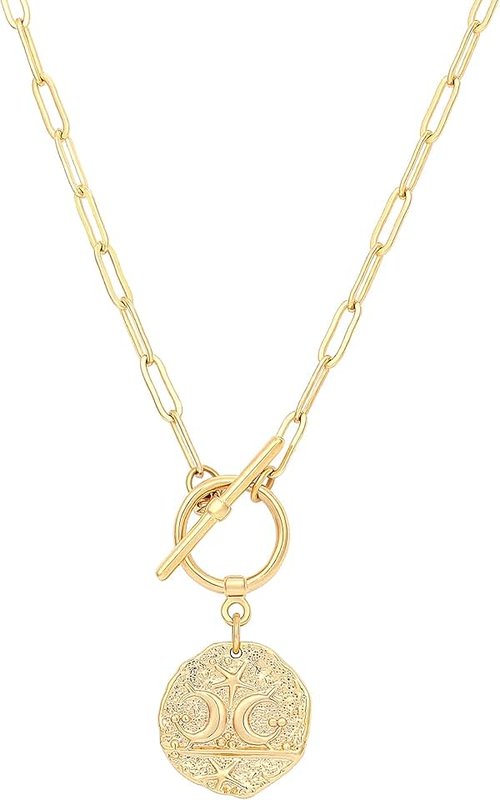
Pearl Pendant Necklace
As an Amazon Associate, DreamPigeon earns from qualifying purchases. Prices and availability are accurate as of the date/time indicated and are subject to change.
Choosing a Pearl Pendant Necklace You’ll Treasure
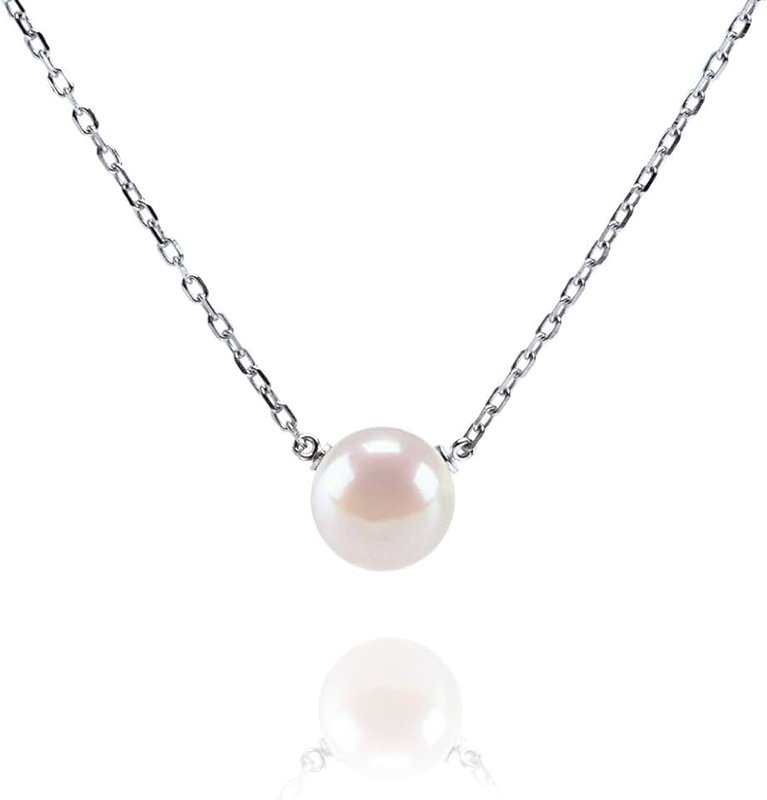
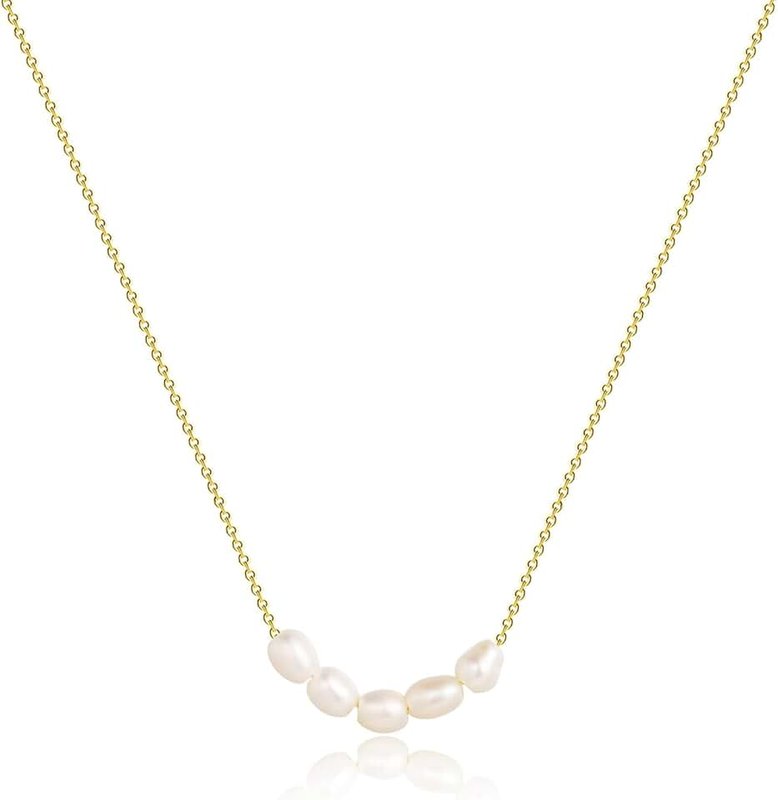
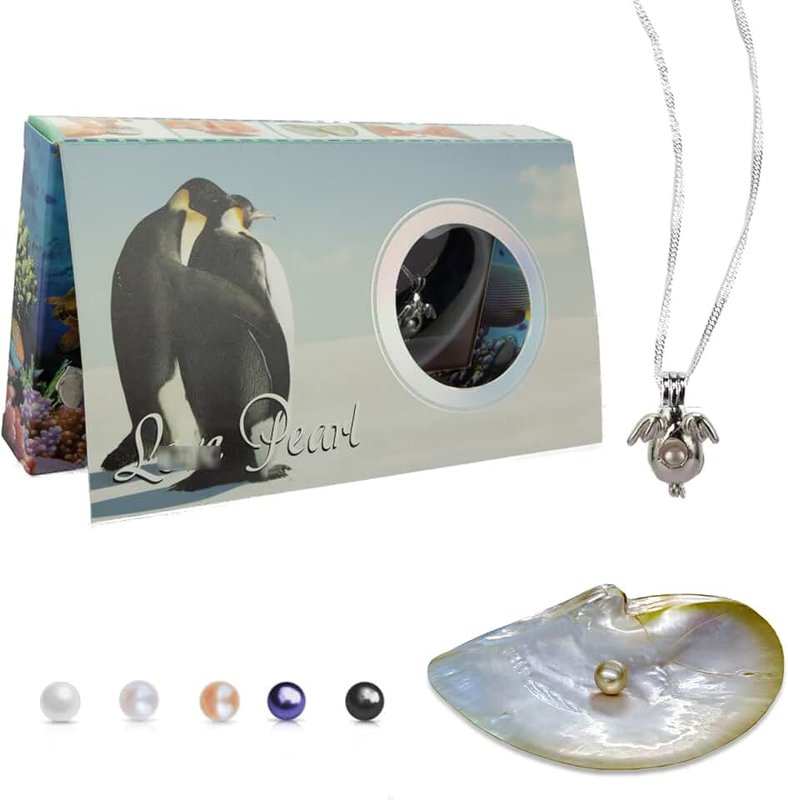
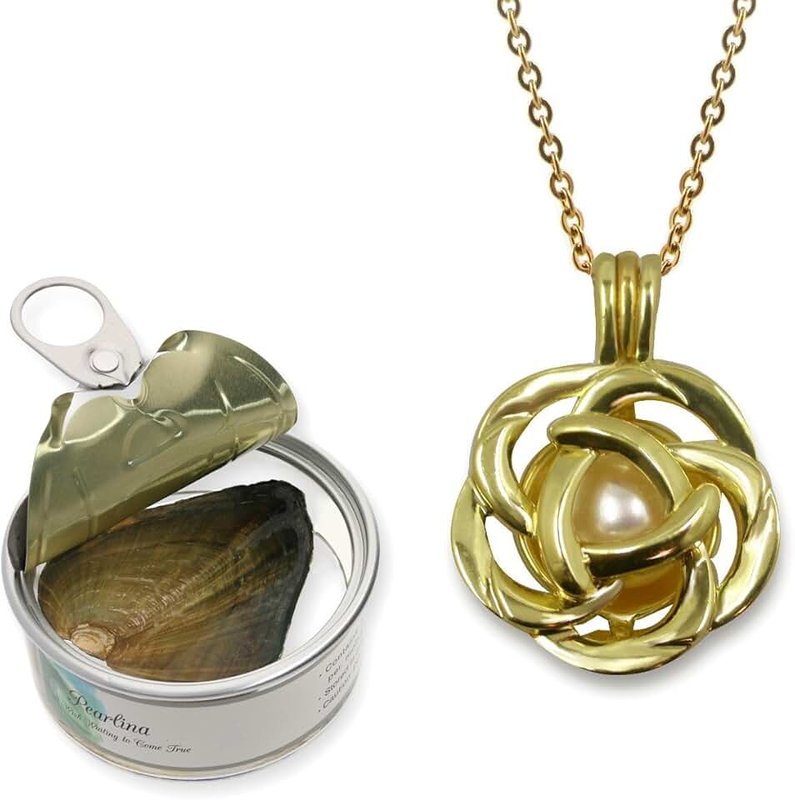
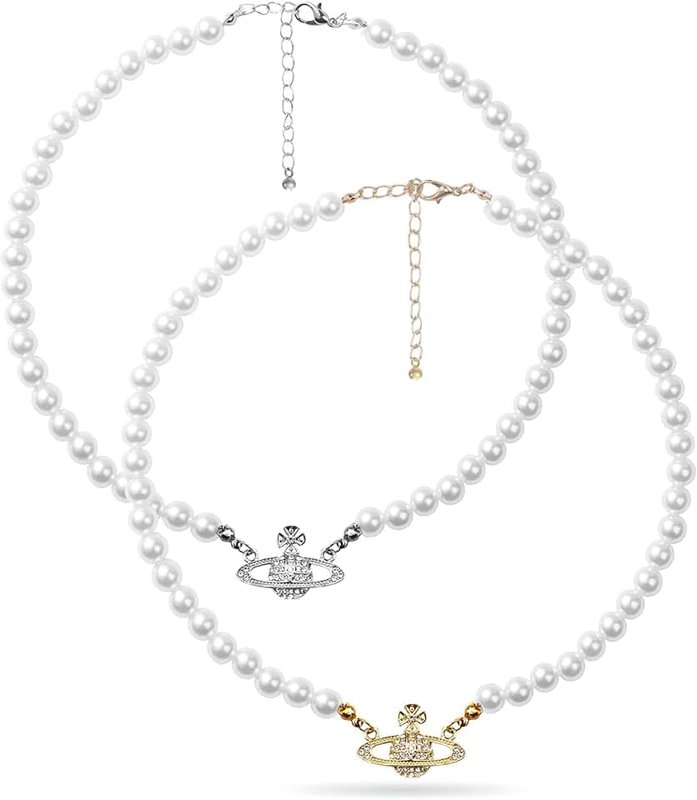
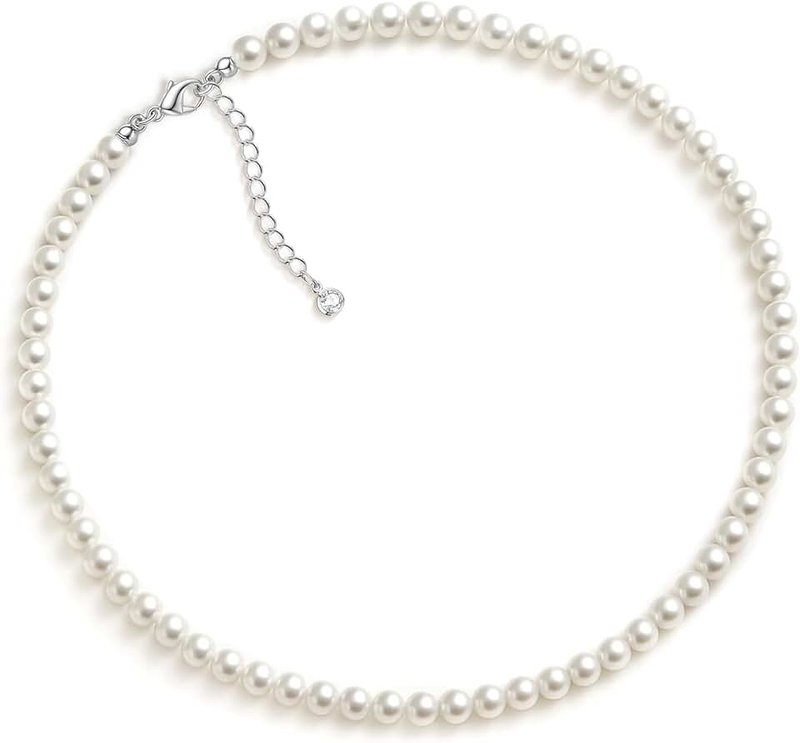
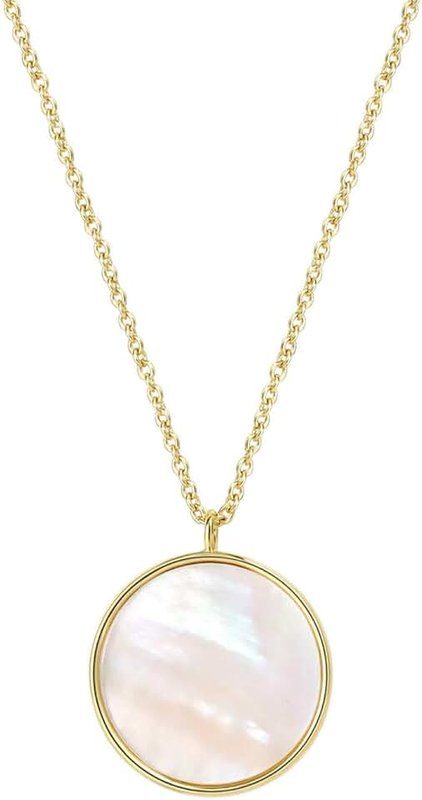
There’s a reason pearl pendant necklaces have never gone out of fashion — they carry an elegance that transcends trends. A single pearl hanging from a fine chain is one of the most flattering necklace designs ever created, and it works on every woman regardless of age, style, or occasion. Prices in Australia range from $17 to $241 AUD, depending on whether the pearl is freshwater cultured, simulated, or premium grade.
A pearl pendant necklace is deceptively simple. One pearl, one chain, one clasp. But within that simplicity, the quality variables are enormous. Two pearl pendants sitting side by side on a shelf can look nearly identical yet differ wildly in lustre, durability, and long-term appearance.
Understanding Pearl Quality
Lustre is the single most important quality factor in a pearl. Lustre describes the depth and intensity of the pearl’s surface glow — how sharply it reflects light and whether you can see a faint reflection of yourself in its surface. High-lustre pearls have a mirror-like quality that makes them appear to glow from within. Low-lustre pearls look chalky and flat.
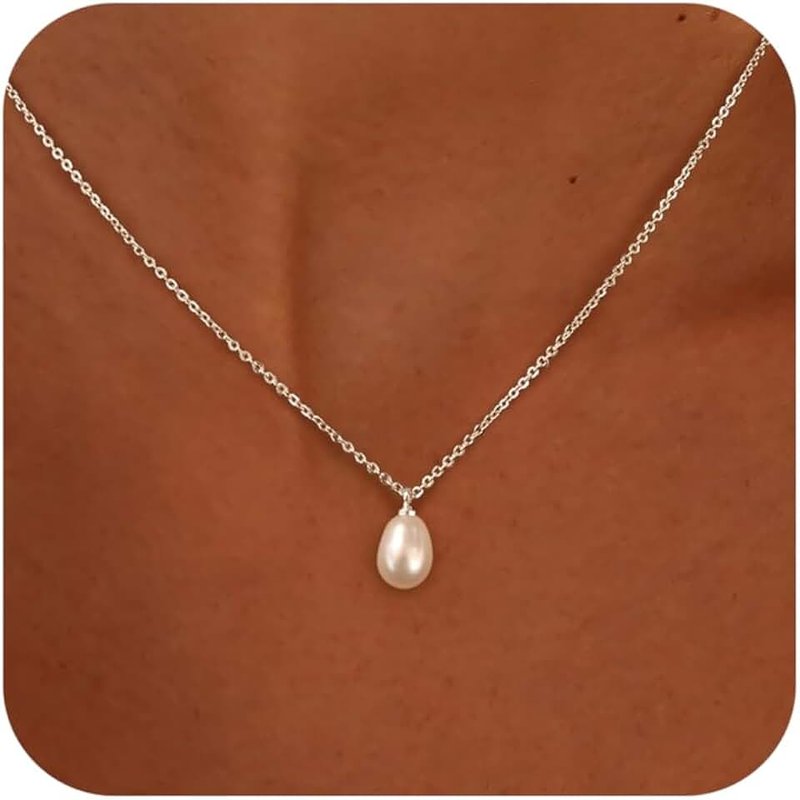
Shape matters less in a pendant than in a strand (where uniform round pearls are essential). For a pearl pendant necklace, slightly irregular shapes — baroque or drop-shaped — can look even more interesting than perfect spheres. Drop-shaped pearls hang particularly well on a chain, creating a graceful teardrop silhouette.
Surface quality ranges from perfectly smooth (rare and expensive) to lightly blemished (common and characterful). Minor surface marks on freshwater pearls are natural and don’t affect durability. Heavy blemishes (pits, cracks, peeling) indicate poor nacre thickness and suggest the pearl won’t age well.
Chain and Setting Choices
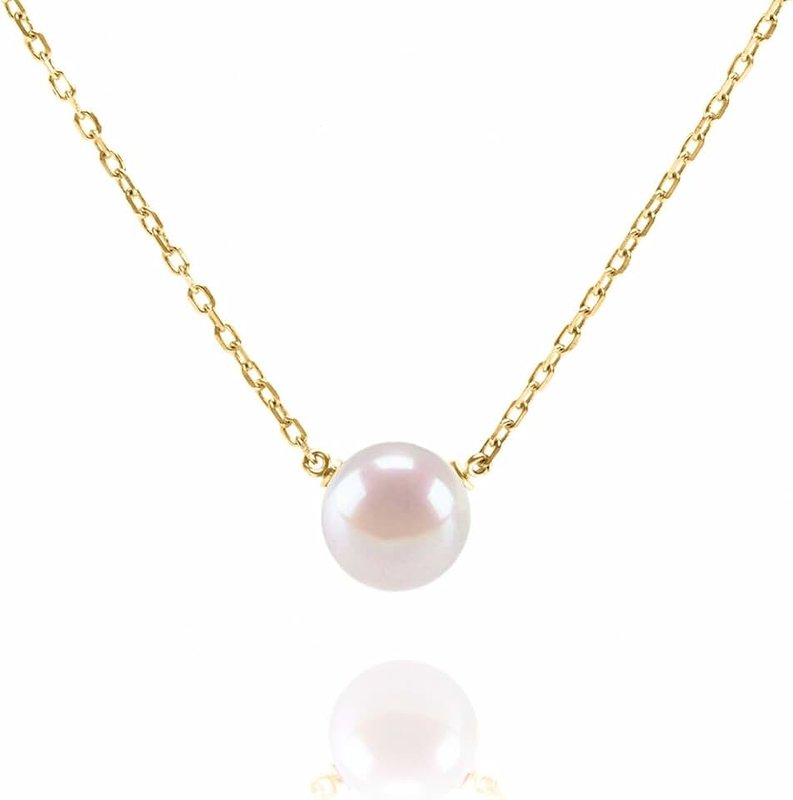
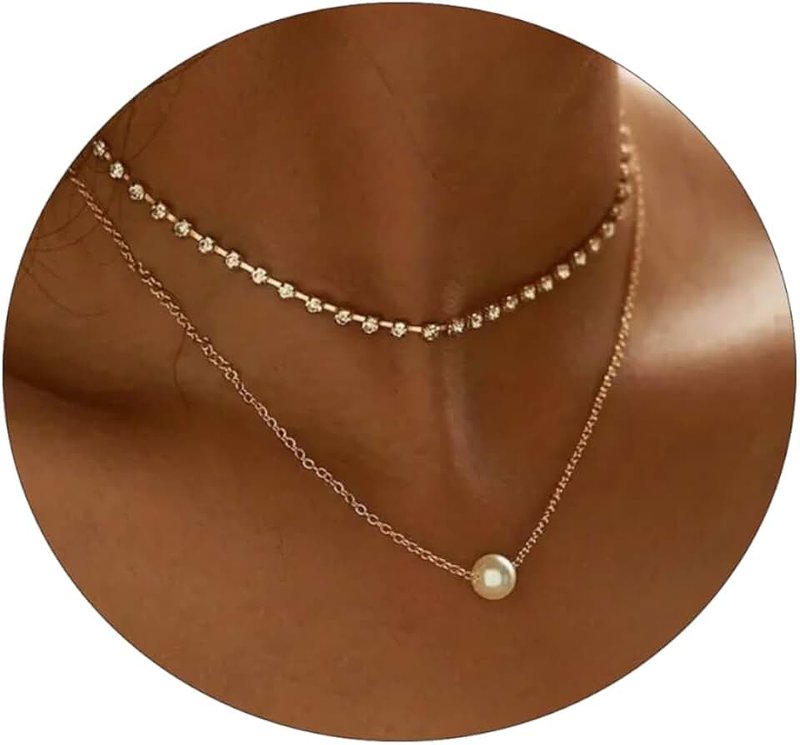
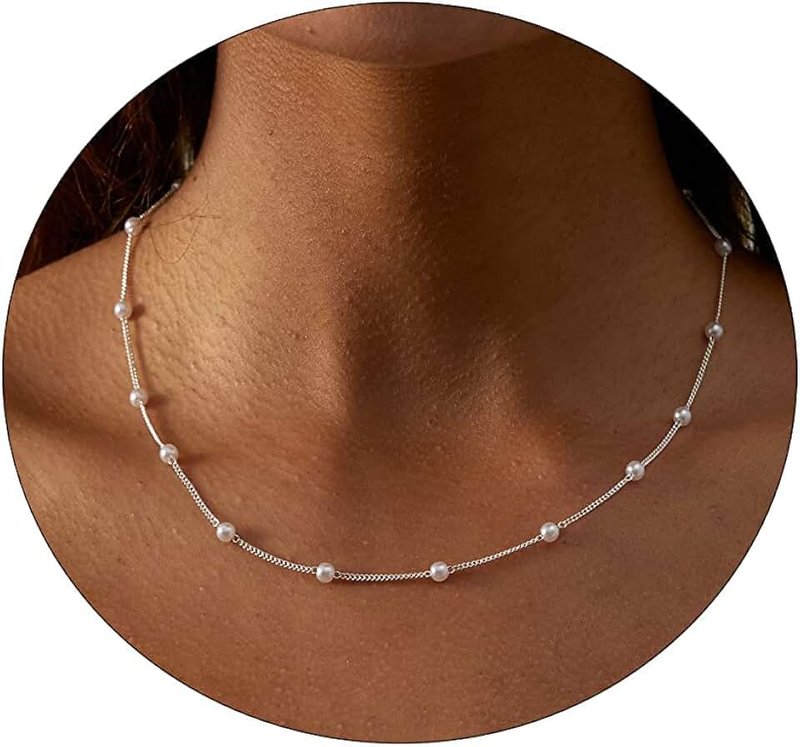
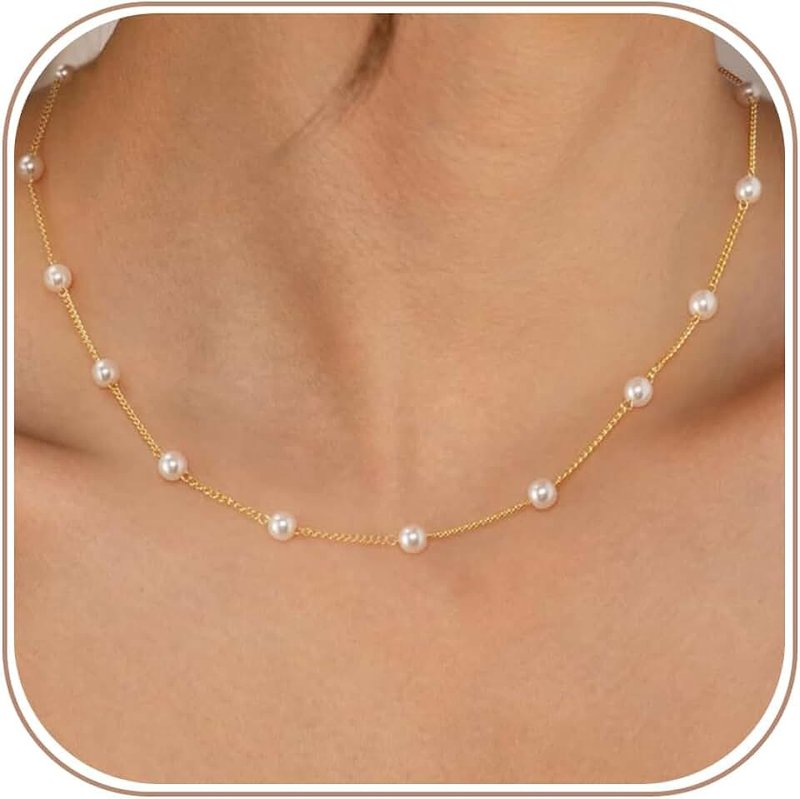
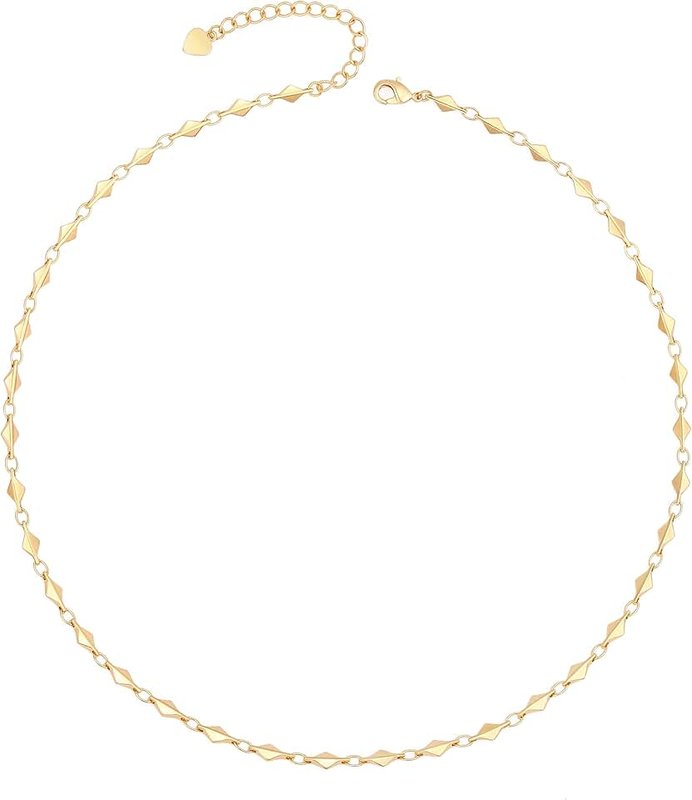
A pearl pendant necklace looks best on a fine chain that doesn’t compete with the pearl. Cable chains in 0.8mm to 1.2mm thickness are ideal — strong enough to be secure, delicate enough to let the pearl be the focal point. Sterling silver suits white and silver-toned pearls. Gold chains complement cream, champagne, and golden pearls.
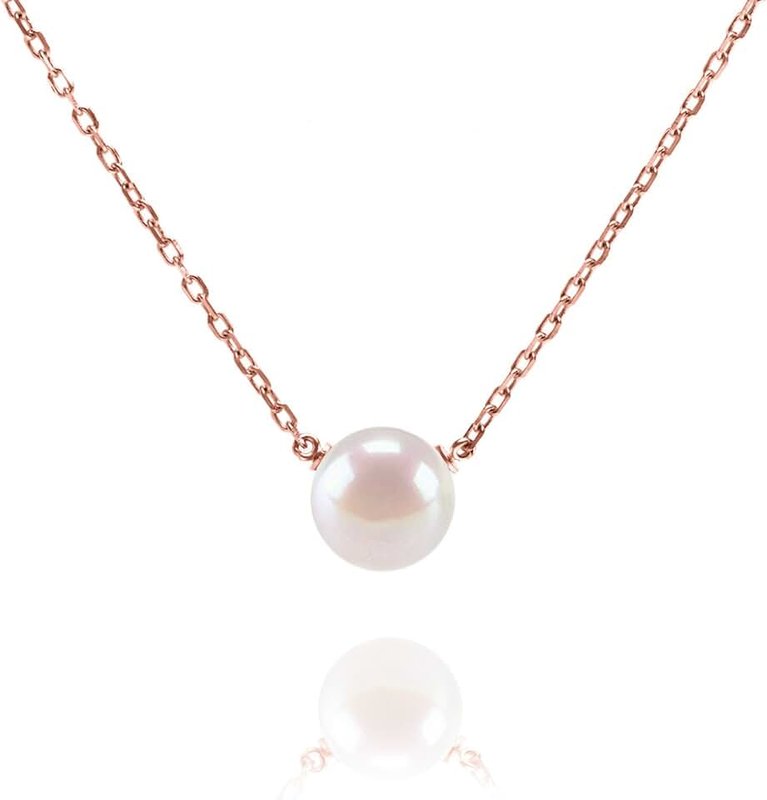
The bail (the connector between pearl and chain) should be proportional to the pearl. An oversized bail on a small pearl looks heavy-handed. A barely-there bail on a large pearl looks fragile. The best designs create a seamless visual transition from chain to pearl.
Caring for Pearls
Pearls are organic — formed inside living molluscs — and they need care that reflects that. The golden rule: pearls are the last thing you put on and the first thing you take off. Perfume, hairspray, and moisturiser are all acidic enough to damage pearl nacre over time.
After wearing, wipe the pearl gently with a soft, slightly damp cloth. This removes body oils and residue that dull the lustre. Never use chemical cleaners, ultrasonic machines, or even jewellery polishing cloths (they’re too abrasive for pearl surfaces).
Store your pearl pendant necklace flat, in a soft pouch, separate from other jewellery. Pearls scratch easily against harder materials like metal chains, gemstones, and even other pearls. A few seconds of careful storage protects a pearl that took years to form inside its shell.
Are freshwater pearls real pearls?
Yes — freshwater pearls are genuine pearls grown inside freshwater mussels. They’re cultured (human-assisted, with a nucleus inserted to start the process) but the nacre formation is entirely natural. They offer excellent quality at more accessible prices than saltwater pearls.
How do I know if a pearl pendant necklace is good quality?
Check the lustre first — a quality pearl reflects light sharply and appears to glow. The surface should be mostly smooth with minimal blemishes. The nacre (pearl coating) should appear thick, not thin or peeling. Hold it near a light source and look for that inner glow.
Can I shower wearing a pearl pendant necklace?
No — water, soap, and shampoo damage pearl nacre over time. Chlorinated and salt water are particularly harmful. Always remove your pearl pendant before showering, swimming, or exercising. This single habit dramatically extends the pearl’s lifespan.
What size pearl looks best on a pendant?
7mm to 10mm is the ideal range for a pendant — large enough to be the clear focal point without being overwhelming. Smaller pearls (5mm to 6mm) suit petite frames and delicate chains. Larger pearls (11mm+) make bold statements and need proportionally sturdier chains.
Do pearl pendant necklaces suit younger women?
Absolutely — pearls have shaken off their “grandmother’s jewellery” image entirely. Modern pearl pendant necklaces on minimalist chains look youthful and fresh. Younger women are driving the pearl jewellery revival with layered, casual styling that feels contemporary.