

Baby Bracelets
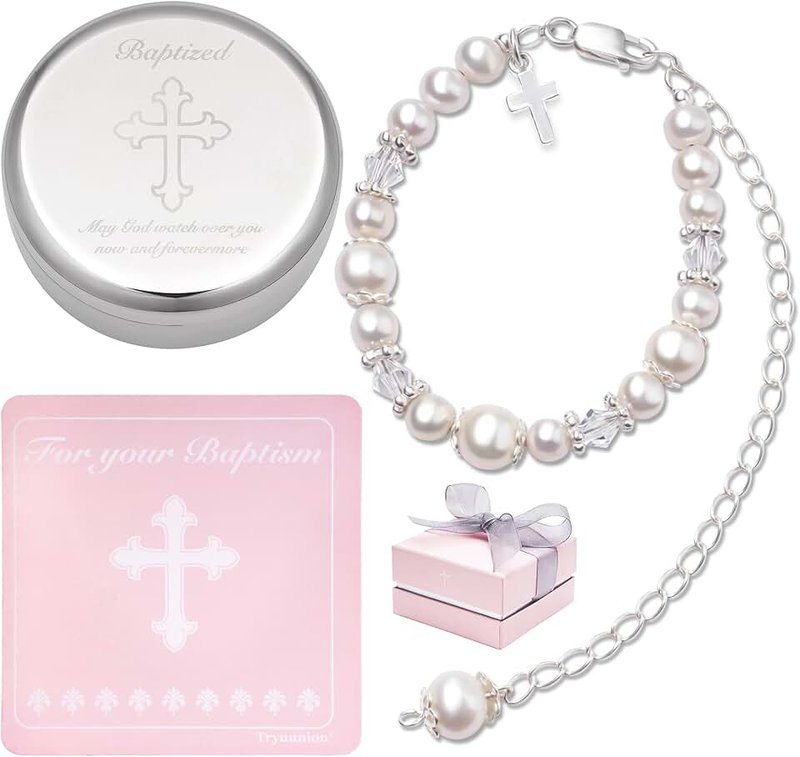
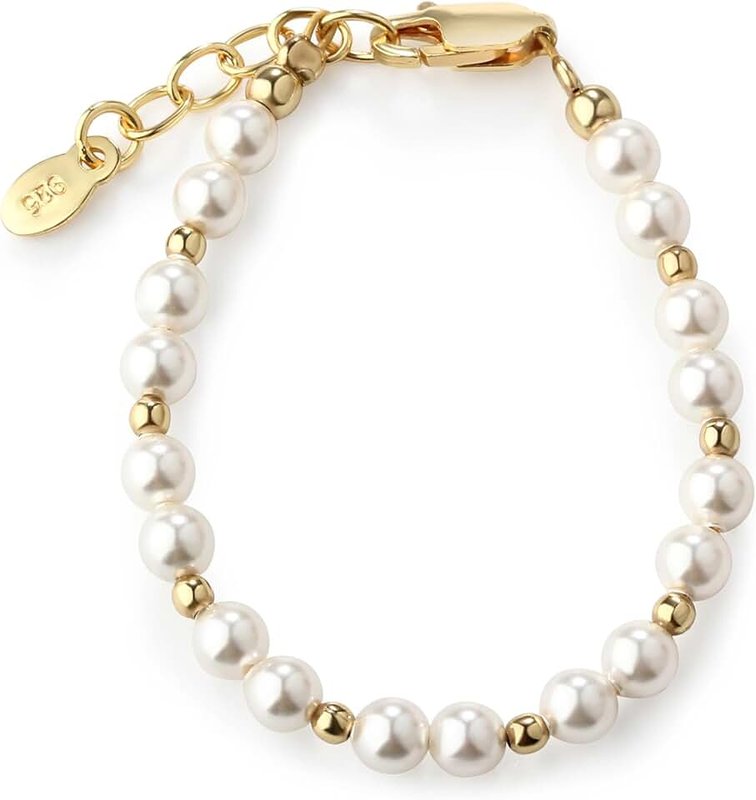
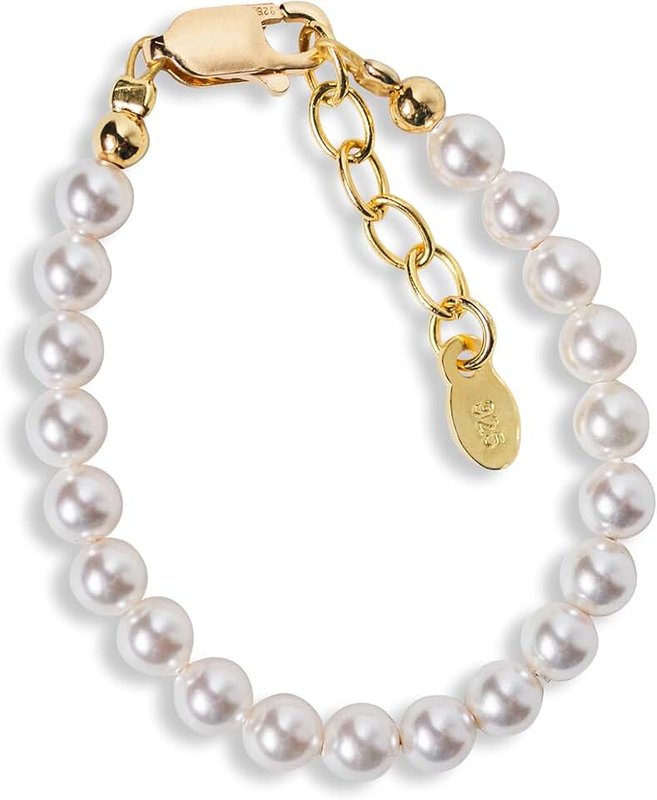
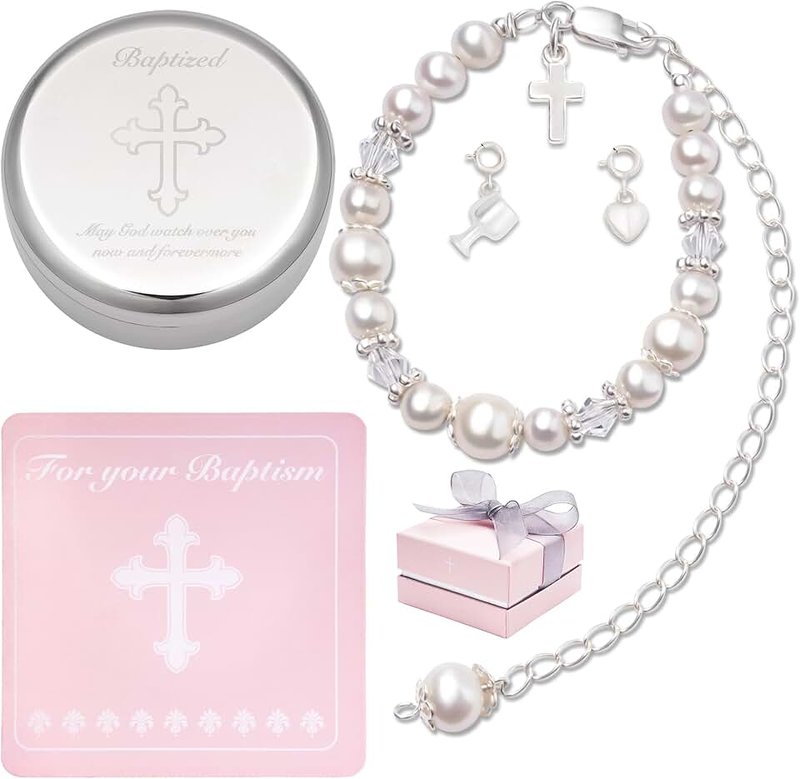
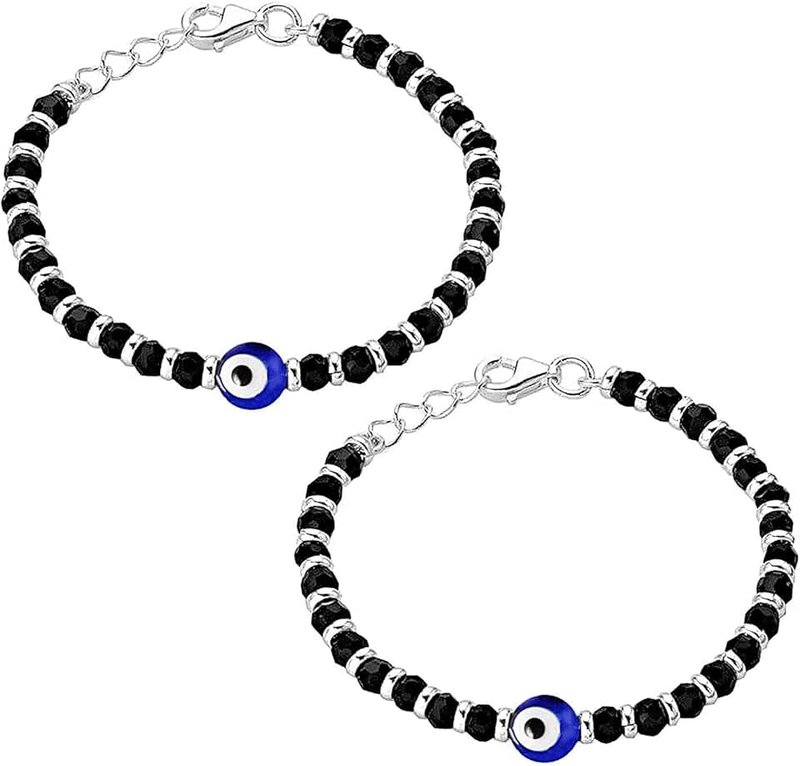
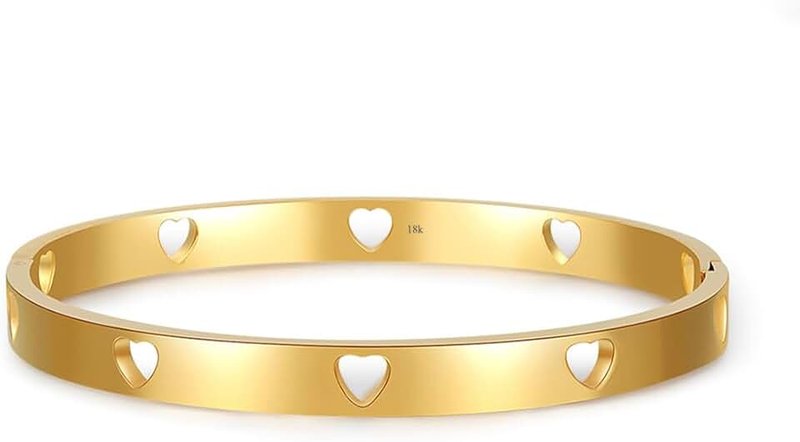
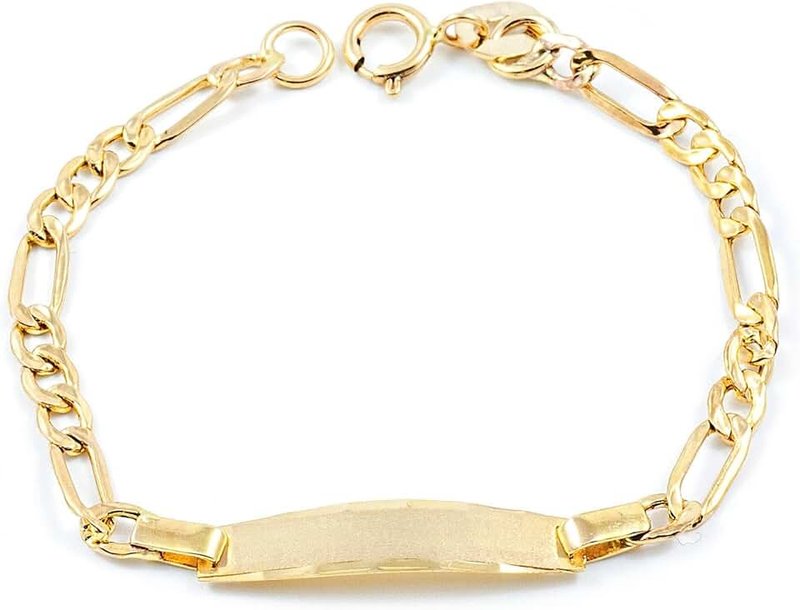
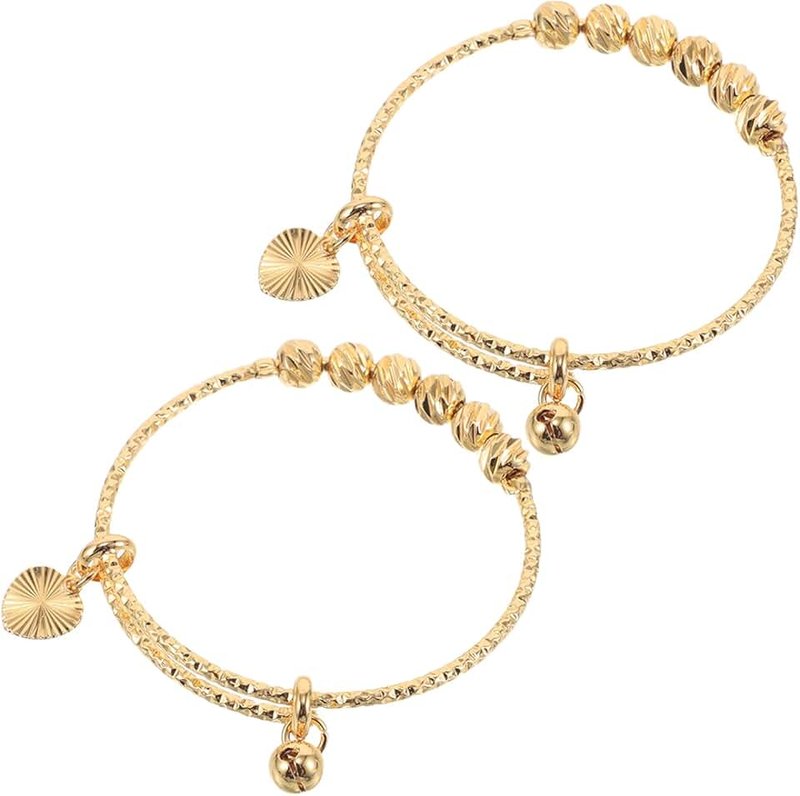
As an Amazon Associate, DreamPigeon earns from qualifying purchases. Prices and availability are accurate as of the date/time indicated and are subject to change.
Buying Baby Bracelets: What Actually Matters
Baby bracelets are one of those gifts that people treasure forever — long after the child has outgrown the piece, it stays in the keepsake box. But buying jewellery for a baby is different from buying for an adult. Safety comes first, materials must be gentle on sensitive skin, and sizing needs to account for fast-growing little wrists.
Safety First
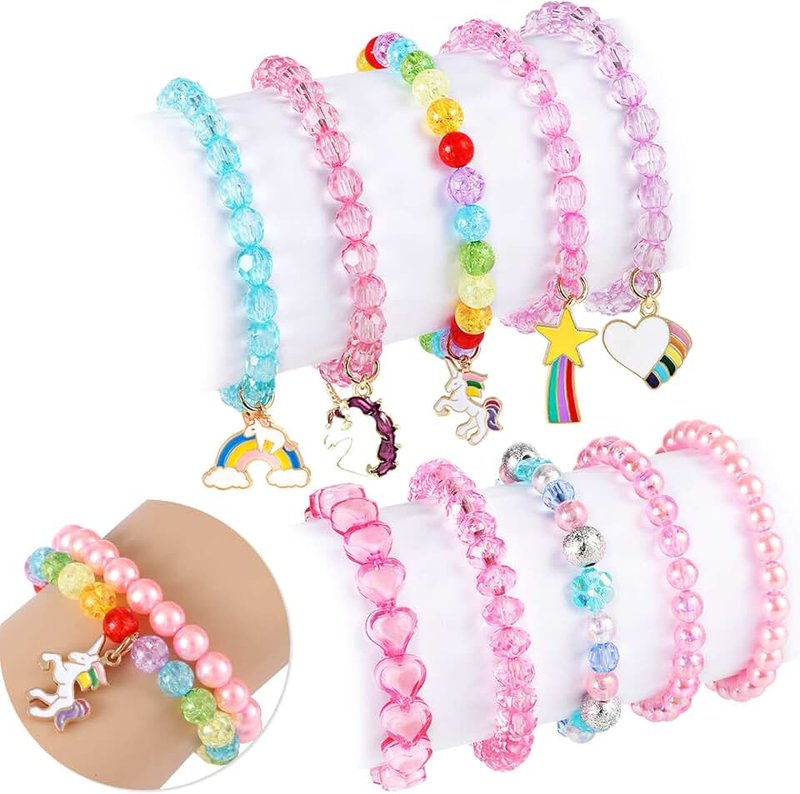
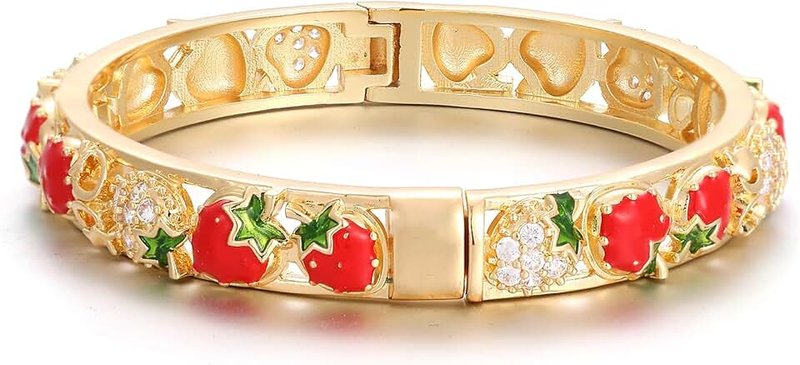
Babies put everything in their mouths. The bracelet must have no small detachable parts, no sharp edges, and no toxic materials. Avoid bracelets with dangling charms, loose beads, or thin chains that could break and become choking hazards. Bangles with rounded edges or stretchy beaded bracelets designed specifically for infants are the safest options. Look for items labelled as baby-safe and meeting Australian safety standards.
Materials for Baby Skin
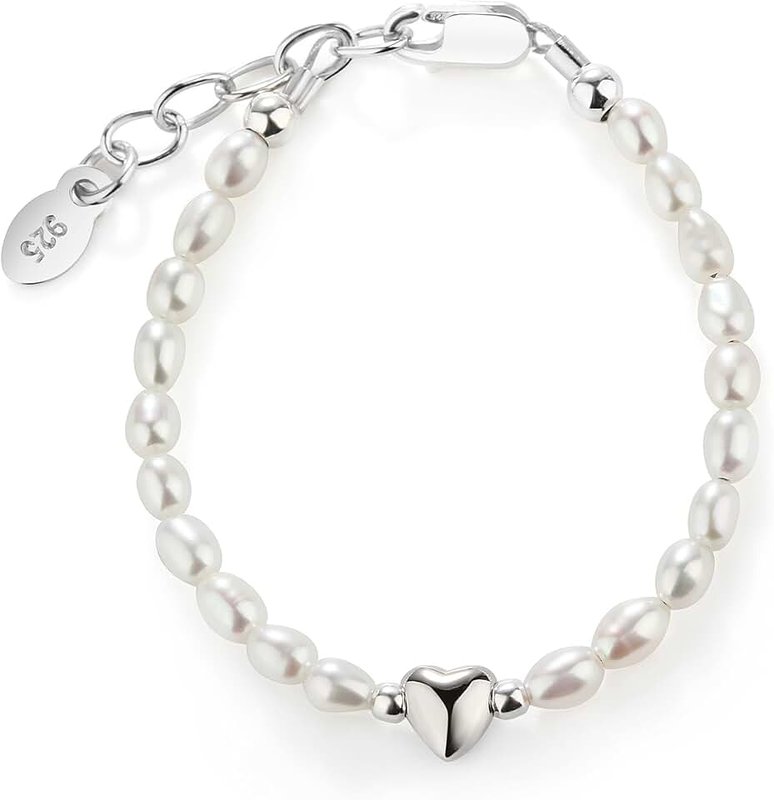
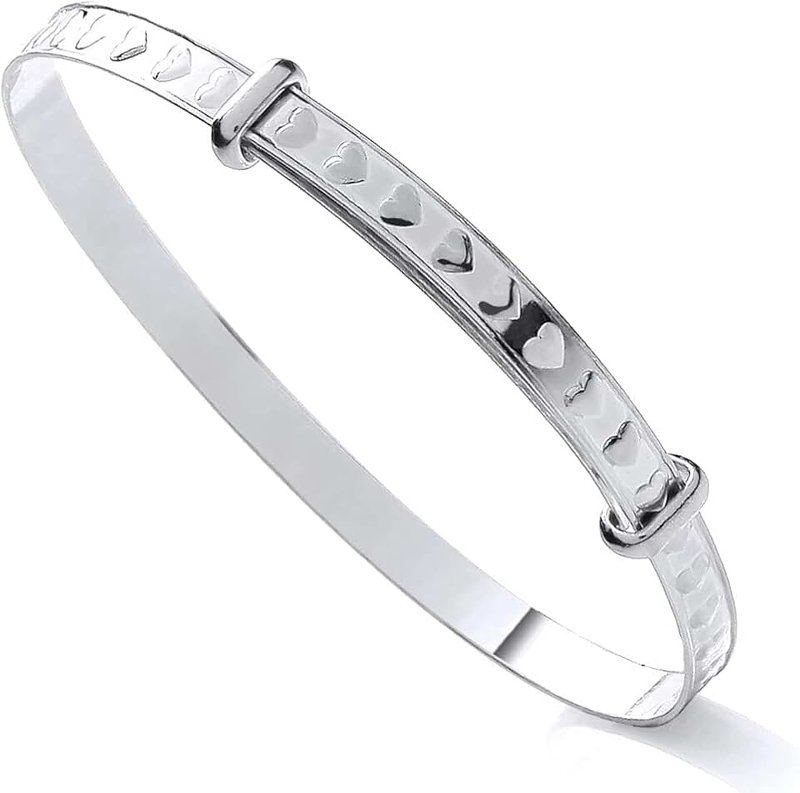
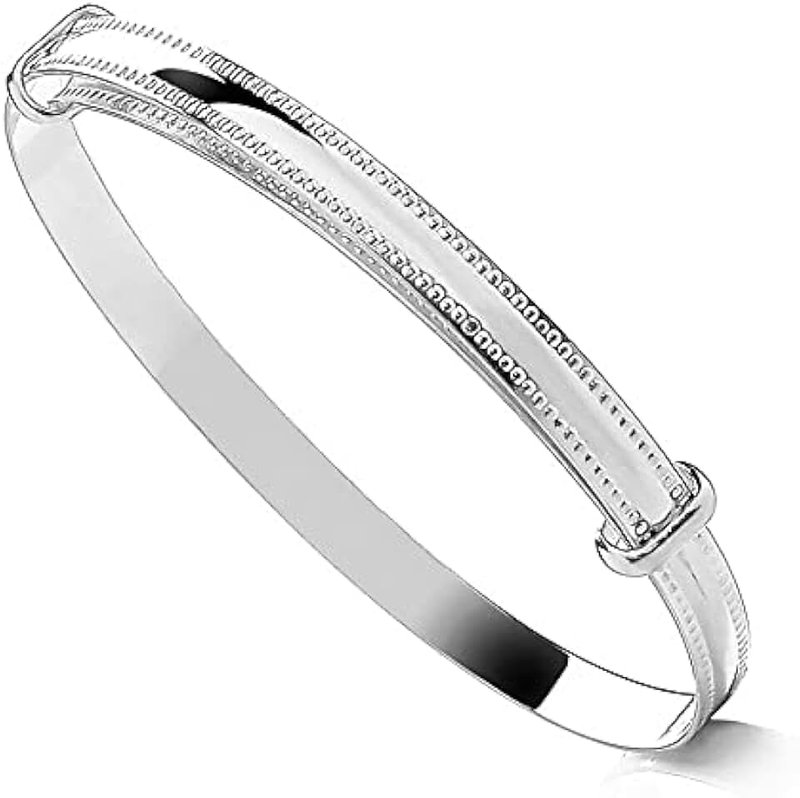
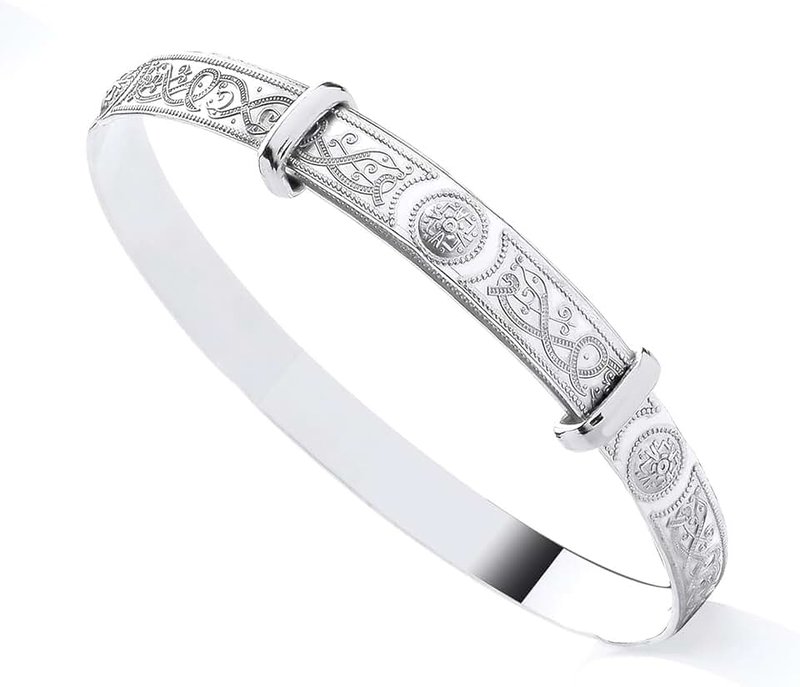
Sterling silver (925) is the traditional and most popular material for baby bracelets. It is hypoallergenic, durable, and develops a beautiful patina over time. Gold (9k or 14k) is another safe option but comes at a higher price point. Avoid base metals, nickel, and anything plated — babies’ skin is more reactive than adult skin. Silicone teething bracelets serve a different purpose and should not be confused with keepsake jewellery. Baby bracelets in Australia typically cost between $15 and $120 AUD.
Sizing for Babies
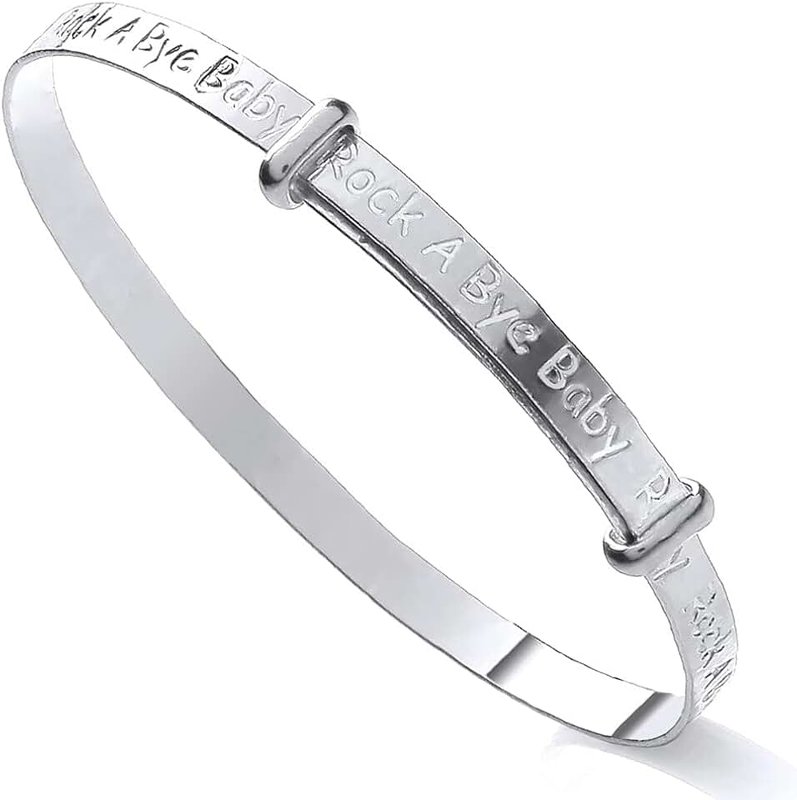
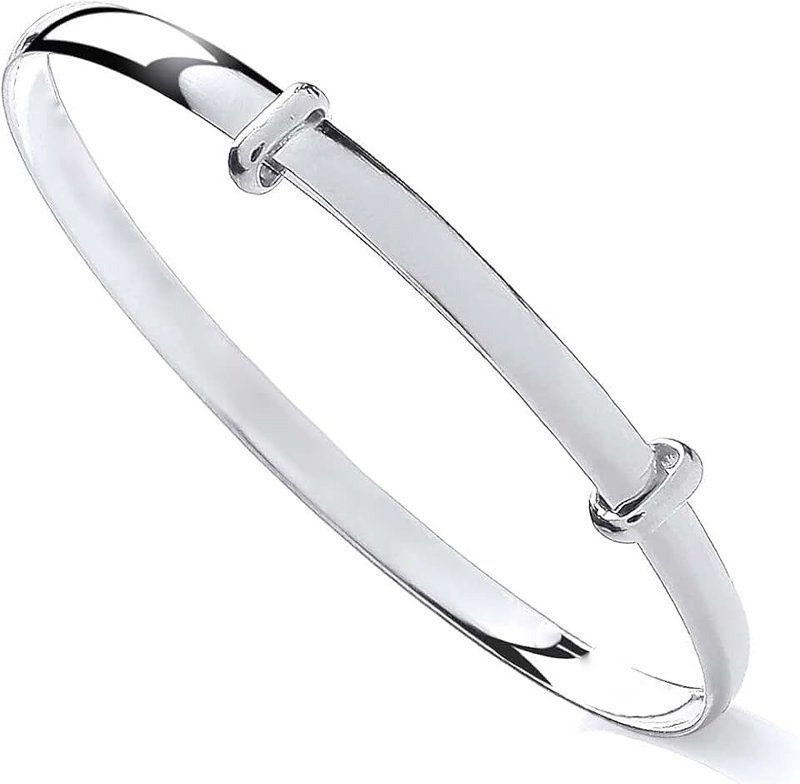
Newborn wrists measure roughly 9-10cm. At 6 months, they are around 11-12cm. At 12 months, approximately 12-13cm. Most baby bracelets come in a standard infant size that fits from about 3 to 12 months. Adjustable chain bracelets with extension links grow with the child. Expandable bangles offer some flexibility too. Always leave a small amount of slack — tight bracelets are uncomfortable and restrict blood flow.
Engraving and Personalisation
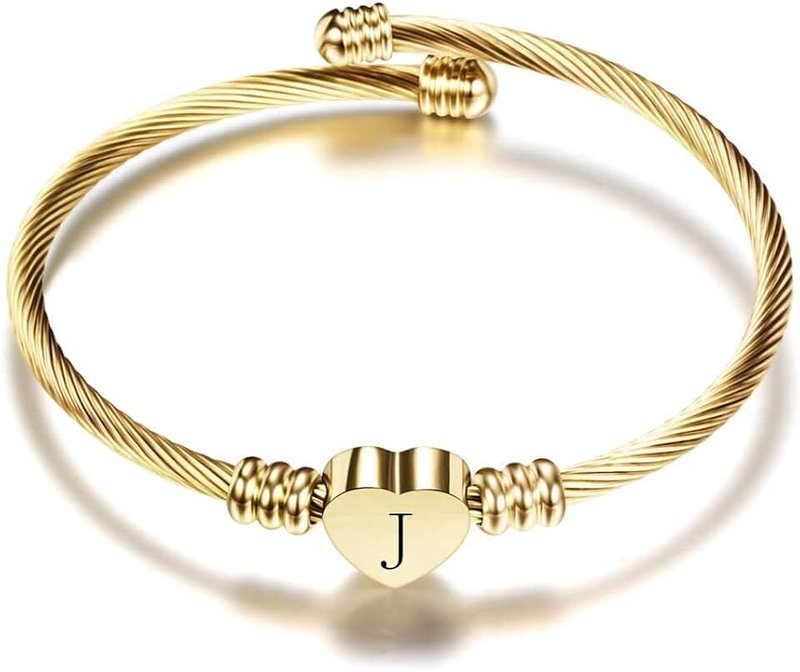
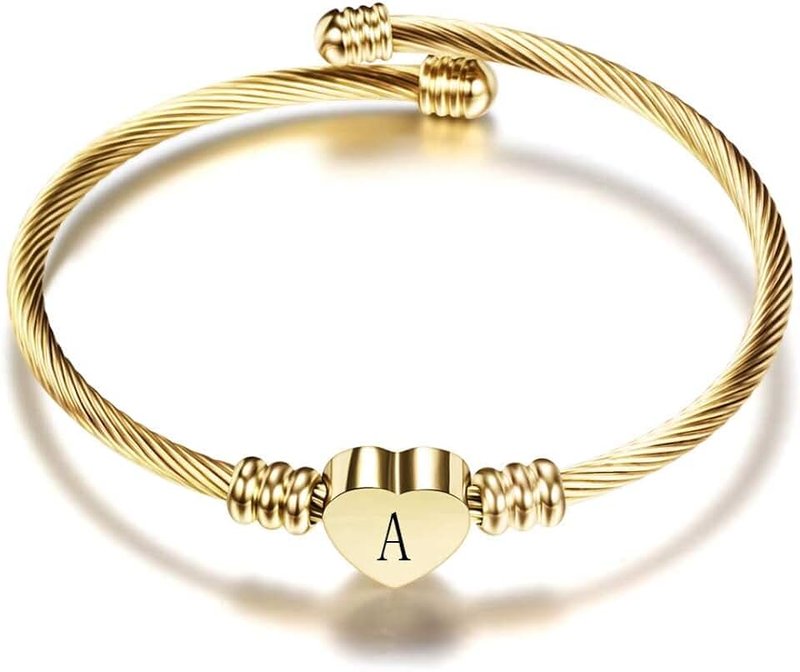
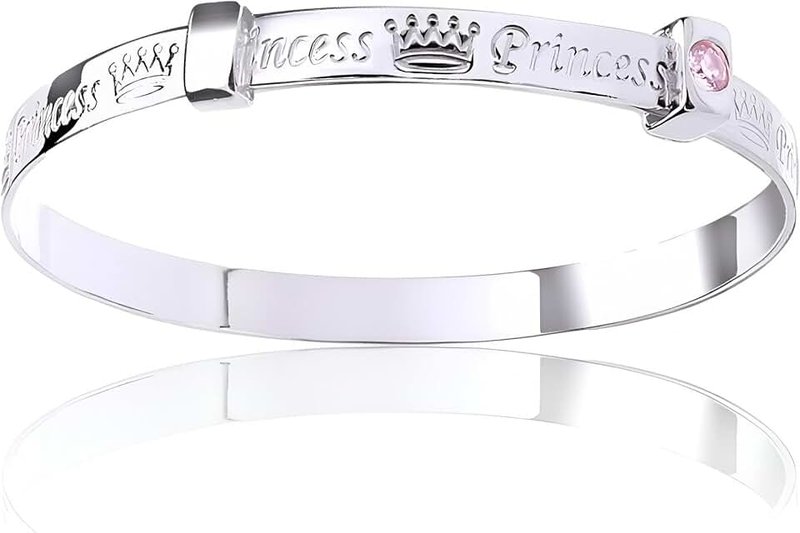
An engraved baby bracelet with the child’s name, birth date, or initials turns a pretty piece of jewellery into a lifelong memento. Sterling silver bangles and ID bracelets are the most common styles for engraving. Keep text short — small bracelet surfaces cannot fit long messages. Check that the jeweller uses gentle engraving techniques that do not create sharp internal edges.
When to Give a Baby Bracelet
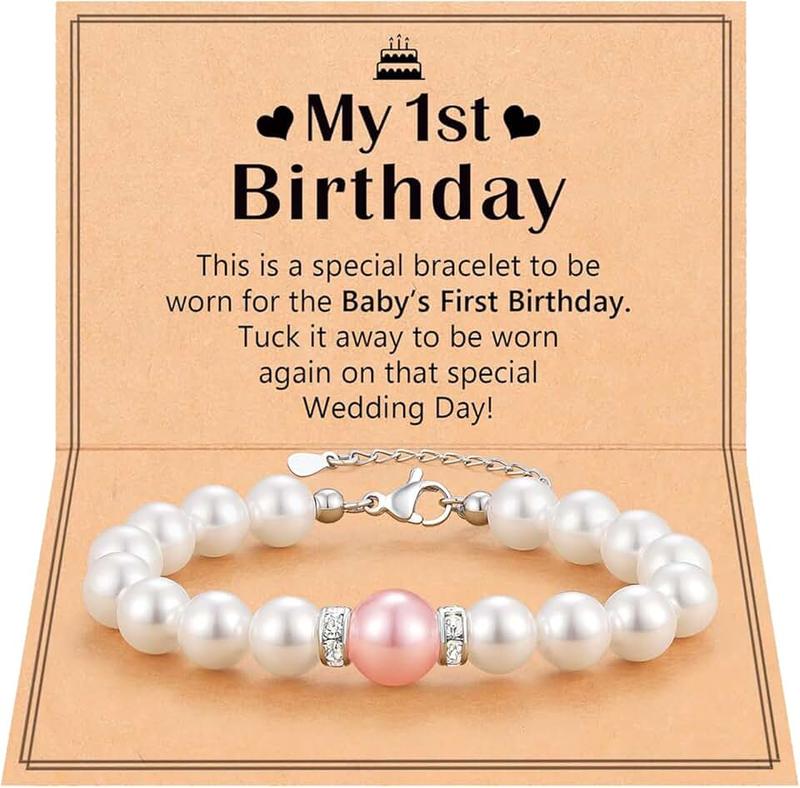
Christenings, naming ceremonies, baby showers, and first birthdays are the classic occasions. Grandparents, godparents, and aunts are the typical givers. A baby bracelet paired with a matching keepsake box elevates the gift. Some families buy a silver bracelet at birth as a traditional christening piece, whether the ceremony happens immediately or months later.
Storage and Longevity
Once the child outgrows the bracelet, store it in a tarnish-resistant pouch or the original box. Sterling silver will tarnish in storage, but a quick polish restores it even after years. Label the pouch with the child’s name and occasion. Many parents present the bracelet back to the child at a milestone birthday — turning a baby gift into a teenage keepsake.
Cultural Traditions Around Baby Jewellery
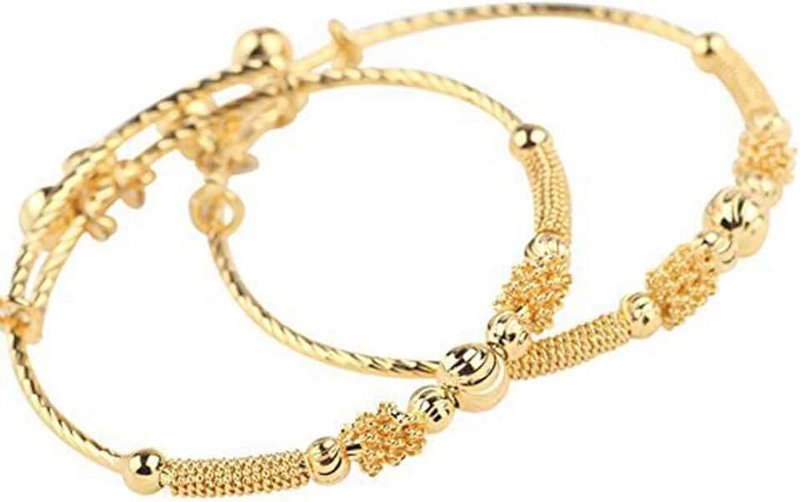
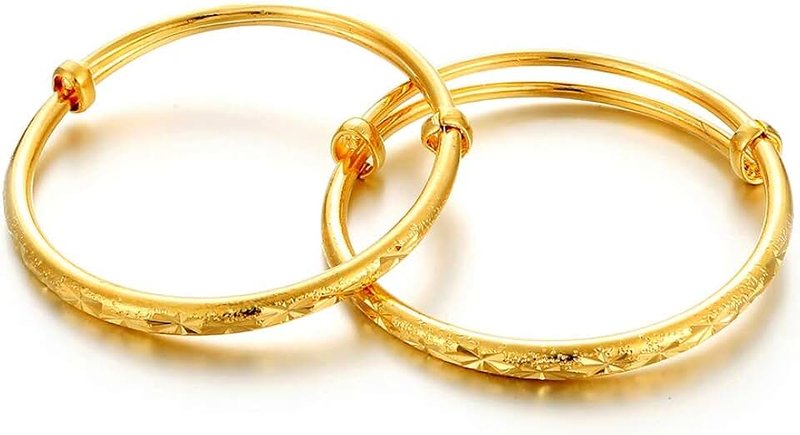
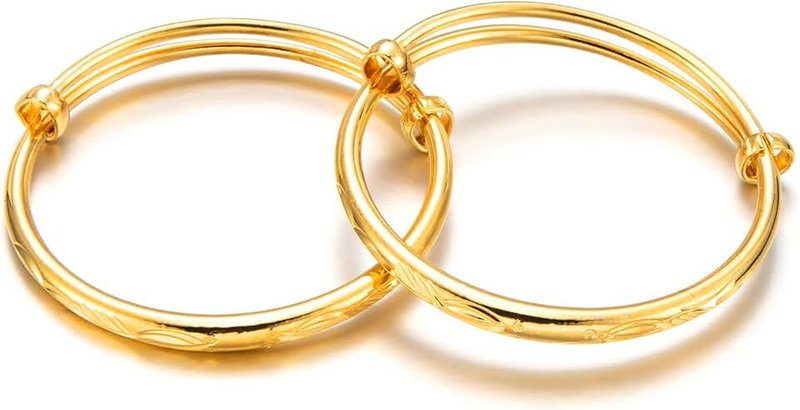
Baby bracelets carry cultural significance across many traditions. In many South Asian cultures, gold bangles are placed on a baby’s wrist during naming ceremonies. In Western traditions, sterling silver christening bracelets are given by godparents. In Greek culture, a gold bracelet may be gifted at baptism. Understanding these cultural contexts helps you choose a baby bracelet that honours tradition while meeting modern safety standards. If you are buying across cultural contexts, gold is the most universally significant metal for baby jewellery. The gesture of giving a baby bracelet transcends any single tradition.
What size bracelet fits a newborn baby?
Most newborn wrists measure 9-10cm. An adjustable baby bracelet in the 10-12cm range with an extension chain fits newborns and allows room to grow through the first year. Always ensure there is slight slack to avoid constriction.
Is sterling silver safe for babies?
Yes, sterling silver (925) is hypoallergenic and safe for baby skin. It is the most recommended material for infant jewellery. Avoid silver-plated items, as the base metal underneath may contain nickel or other irritants.
When should a baby start wearing a bracelet?
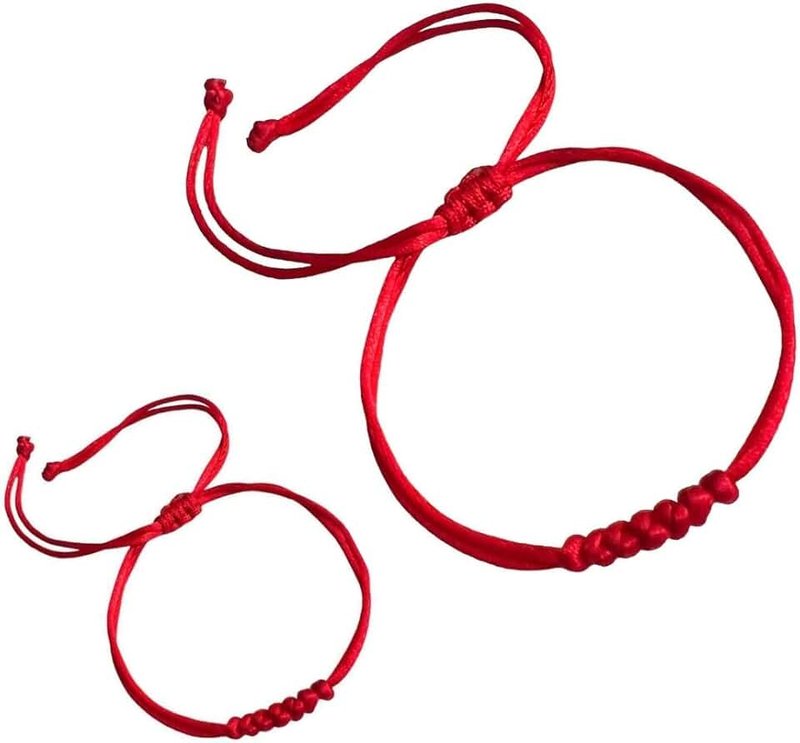
Most baby bracelets are designed for infants from 3 months and older, when wrist size stabilises enough for a secure fit. For newborns, choose a soft fabric or silicone bracelet. Sterling silver bangles are better from 3-6 months onward.
Can I get a baby bracelet engraved?
Absolutely. Engraving is one of the most popular personalisation options for baby bracelets. Names, birth dates, and initials are common choices. Sterling silver bangles and ID-style bracelets offer the best surface for clear, lasting engraving.
How do I clean a baby bracelet that has tarnished?
Use a soft silver polishing cloth to gently buff the surface. For heavier tarnish, a mild silver cleaning solution works — rinse thoroughly with water and dry completely before putting it near the baby. Avoid chemical dips on engraved pieces, as they can settle in the lettering.