

Opal Necklace
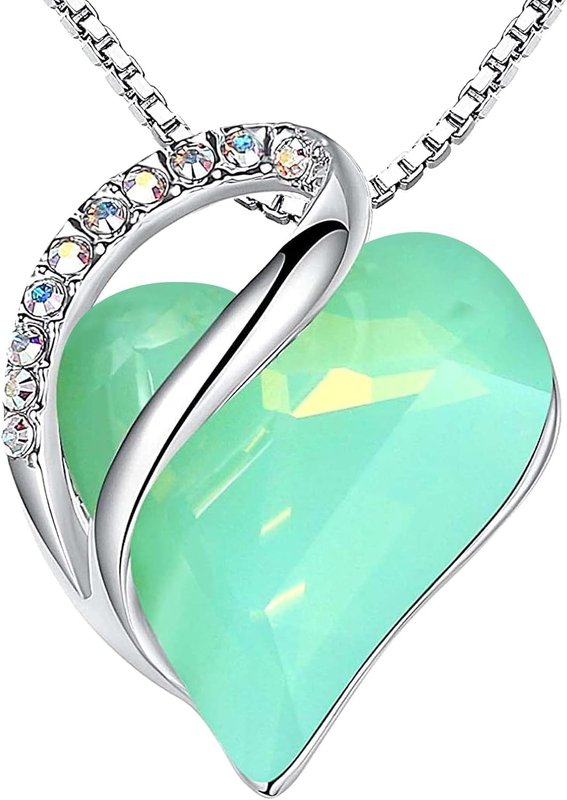
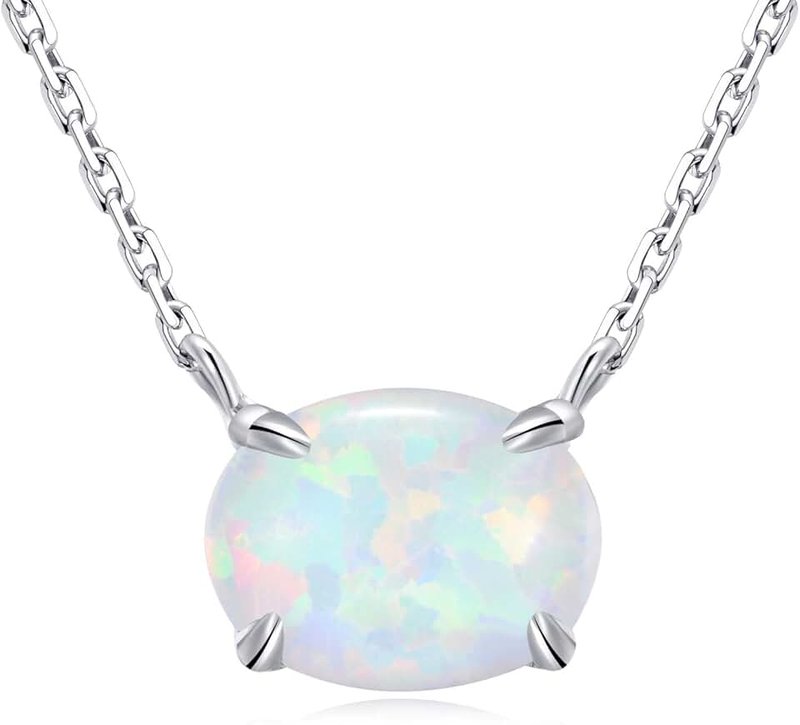
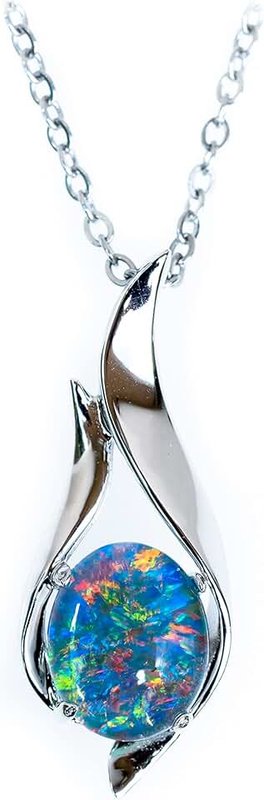
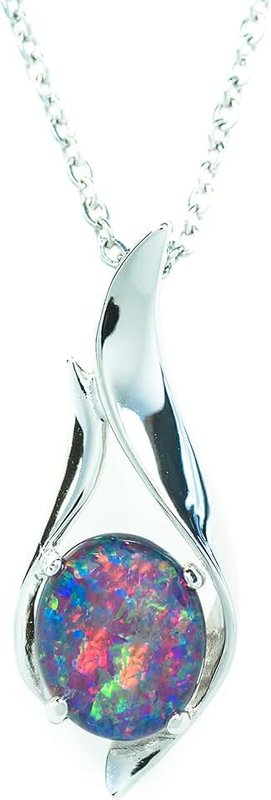
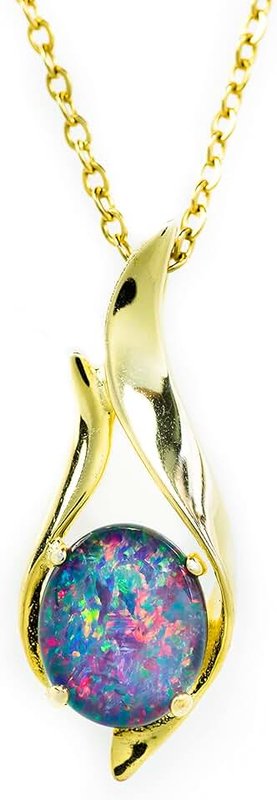
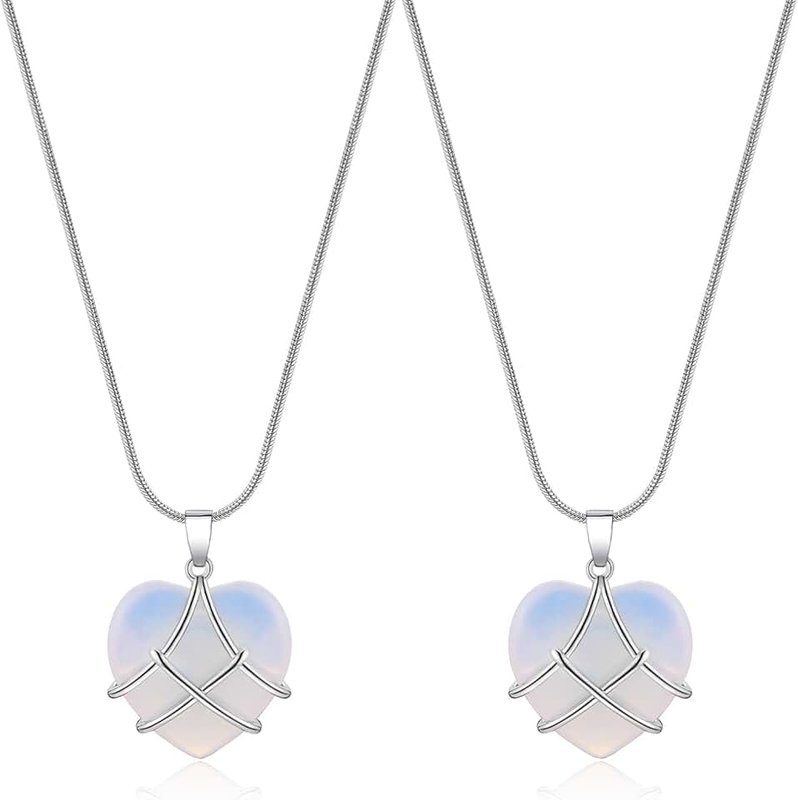
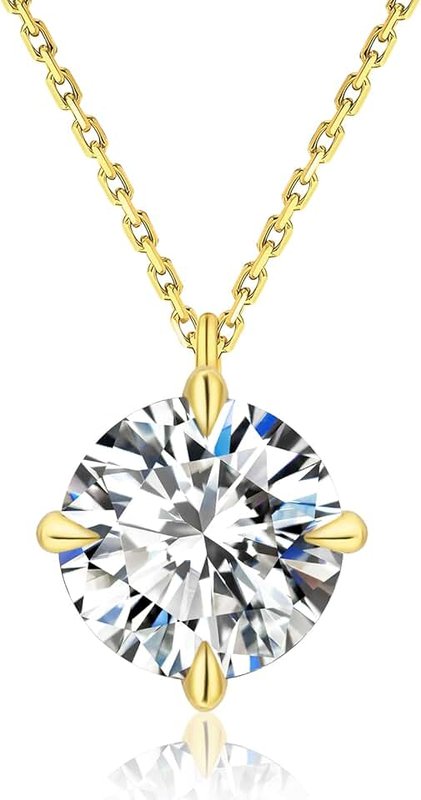
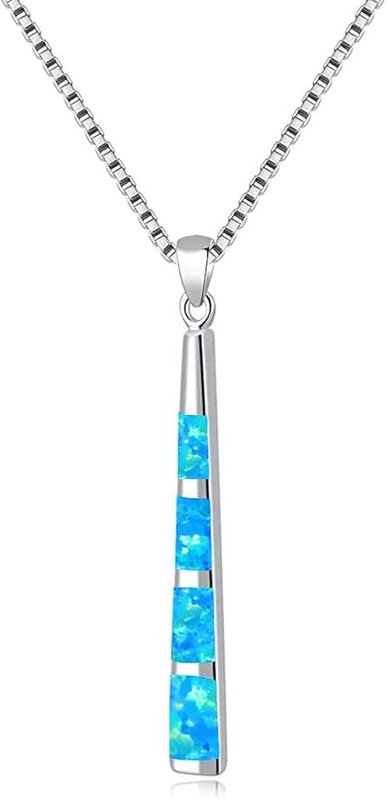
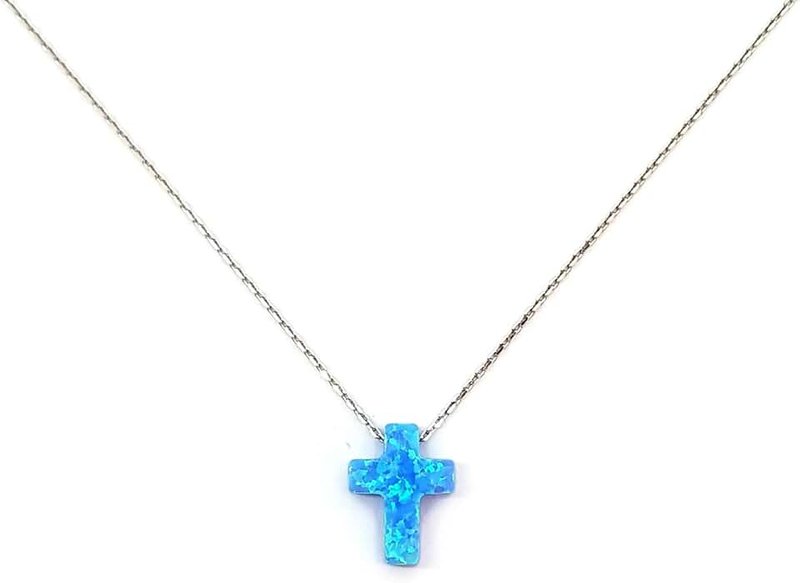
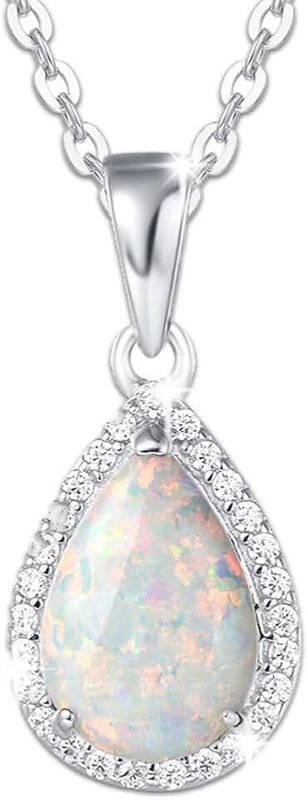
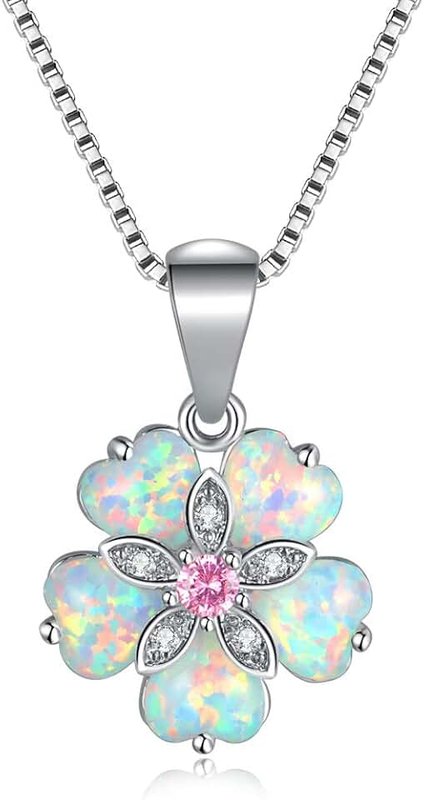
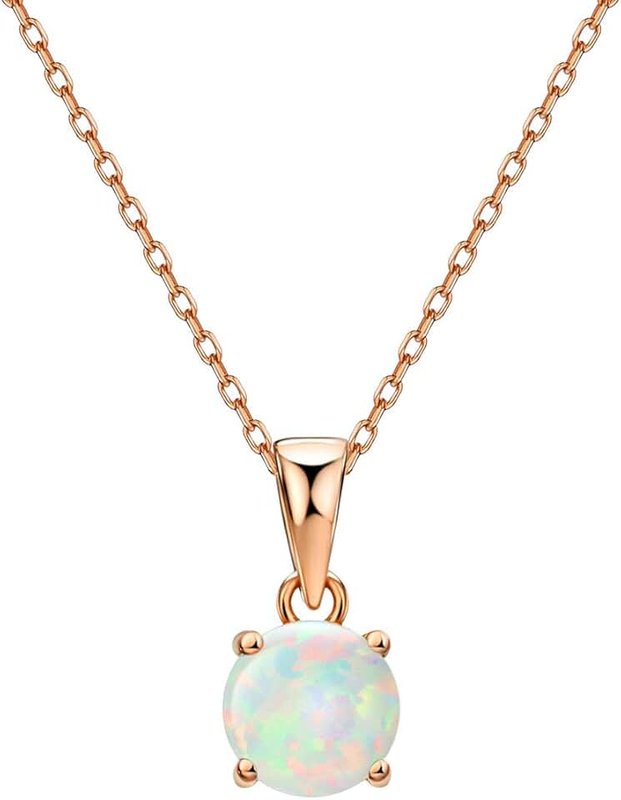
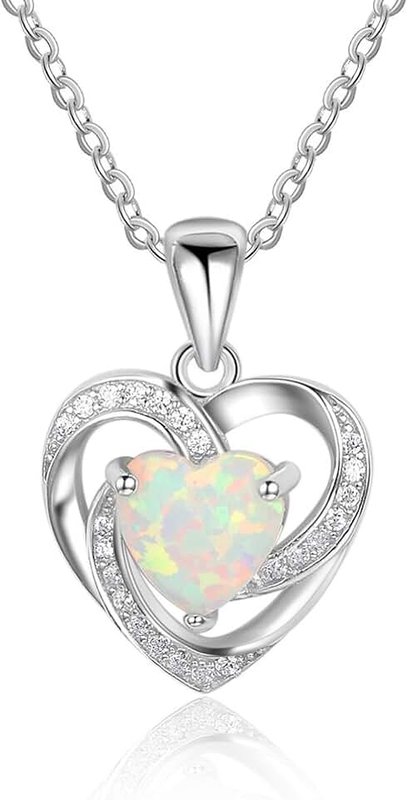

As an Amazon Associate, DreamPigeon earns from qualifying purchases. Prices and availability are accurate as of the date/time indicated and are subject to change.
Buying an Opal Necklace in Australia
Australia produces over 90% of the world’s opals, making opal necklaces a deeply meaningful choice for Australian buyers. These gemstones display a mesmerising play of colour — flashes of red, blue, green, and orange that shift with every angle and light change. No two opals are identical, which gives every opal necklace a one-of-a-kind character.
Opal types vary significantly in appearance and price. Black opals from Lightning Ridge are the most valuable, displaying vivid colours against a dark body tone. White or light opals from Coober Pedy are the most common, with a translucent or milky white base. Boulder opals from Queensland feature natural ironstone backing. Crystal opals are transparent with colour play visible throughout. Fire opals show warm orange and red tones. With opal necklaces priced from $27 to $180, you can find beautiful examples across most opal types.
Opal triplets and doublets are layered constructions that make opal affordable. A doublet bonds a thin slice of natural opal to a dark backing material. A triplet adds a clear dome on top for protection. Both display genuine opal colour play at a fraction of solid opal prices. There’s nothing wrong with doublets and triplets — just know what you’re getting and don’t pay solid opal prices for them.
Evaluating Opal Quality
Colour play (called “fire” or “play of colour”) is the primary value driver. Red fire is the most valuable, followed by orange, then green, then blue. An opal displaying all spectral colours (a “full spectrum” stone) commands premium prices. The brightness and vividness of the colour play matters enormously — a small opal with vivid, bright fire is more valuable than a large one with dull, faint colour.
Pattern refers to how the colour is arranged across the stone. Harlequin (large, angular patches of colour) is the most prized. Broad flash (large sweeping colour areas), pinfire (tiny dots of colour), and rolling flash (colour that appears and disappears as the stone moves) are other common patterns.
Setting style for opal pendants should protect the stone. Bezels — a smooth metal rim encircling the opal — are the safest setting because they shield the edges from impact. Prong settings show more of the stone but leave it more exposed. For everyday necklaces, a bezel or semi-bezel setting is the practical choice.
Opal Care — Essential Knowledge
Opals are relatively soft (5.5-6.5 on the Mohs scale) and contain water within their structure. This makes them more fragile than many other gemstones. Remove your opal necklace before any physical activity, household cleaning, or exposure to chemicals.
Heat and rapid temperature changes are the biggest threats to opals. Never leave an opal necklace in direct sunlight, in a hot car, or near a heater. Sudden temperature shifts can cause crazing — fine cracks across the surface that ruin the stone’s appearance permanently.
Store opals separately from other jewellery in a soft pouch or fabric-lined compartment. Some dealers recommend storing opals with a slightly damp cotton ball in an airtight container to prevent dehydration, but this is mainly necessary for long-term storage — opals worn regularly absorb enough moisture from your skin.
What is the difference between an opal doublet and a solid opal?
A solid opal is a single piece of natural opal. A doublet bonds a thin slice of opal to a dark backing material to enhance colour visibility. Doublets are more affordable and look beautiful, but they can’t be submerged in water as it may separate the layers.
Can I wear an opal necklace every day?
Solid opals in protective bezel settings can be worn daily with care. Remove the necklace before exercise, cleaning, and showering. Opals are softer than most gemstones and can chip or crack if knocked against hard surfaces.
Why do Australian opals cost more than other opals?
Australian opals, particularly black opals from Lightning Ridge, are considered the world’s finest due to their exceptional colour play and brightness. The mining conditions are challenging and supply is limited, which drives premium pricing.
How do I clean an opal necklace?
Wipe with a soft, slightly damp cloth. Never use ultrasonic cleaners, steam cleaners, or chemical solutions on opals. For doublets and triplets, avoid any water submersion. Let the opal air dry completely before storing.
Are lab-created opals worth considering?
Lab-created opals display genuine colour play and are more durable than natural opals. They’re an excellent choice if you want the opal look for everyday wear without worrying about damaging an expensive natural stone.