

Shell Necklace
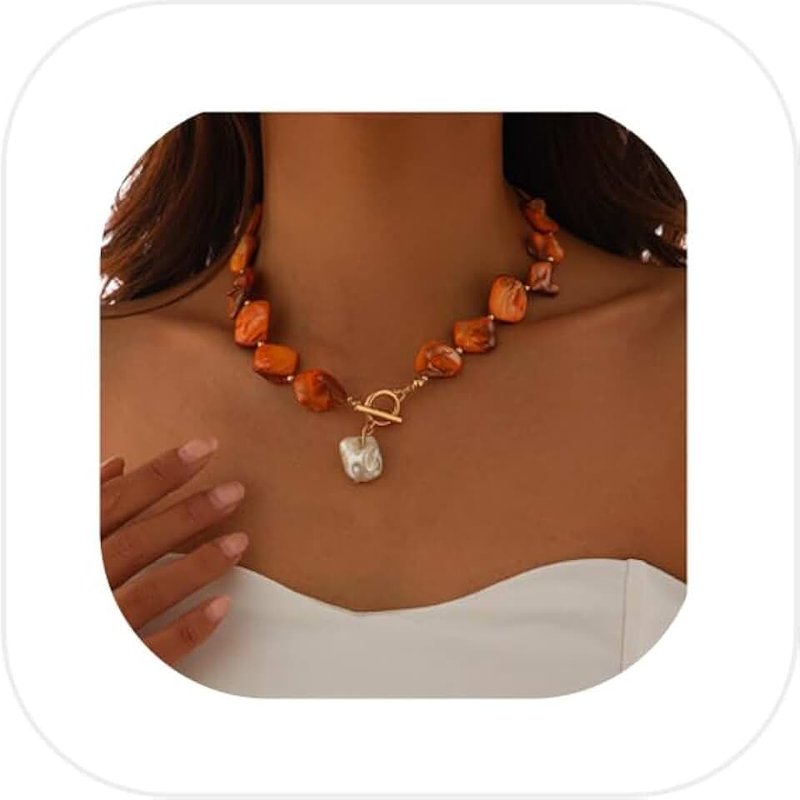
As an Amazon Associate, DreamPigeon earns from qualifying purchases. Prices and availability are accurate as of the date/time indicated and are subject to change.
Buying a Shell Necklace: Materials, Styles, and Care
Shell necklaces evoke ocean breezes, summer holidays, and a laid-back attitude toward life. They have been worn by coastal cultures worldwide for thousands of years — among the oldest known jewellery materials. Today, a shell necklace bridges the gap between bohemian beach style and fashion-forward accessories, appearing on catwalks alongside casual market stalls.
Types of Shells Used
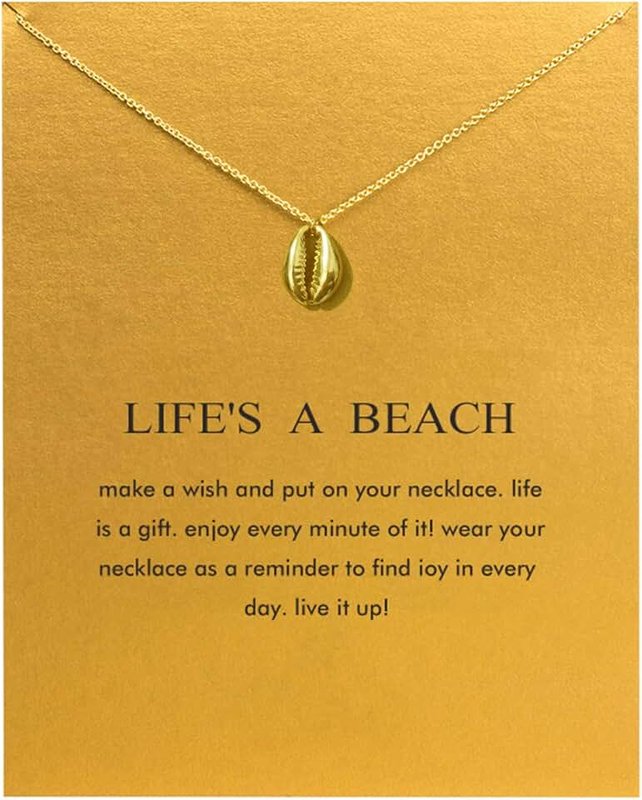
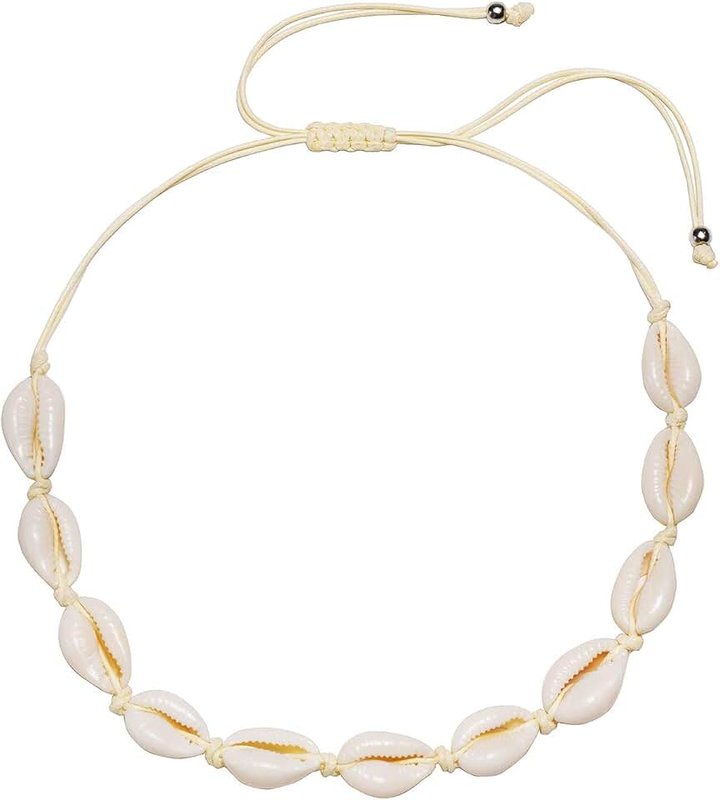
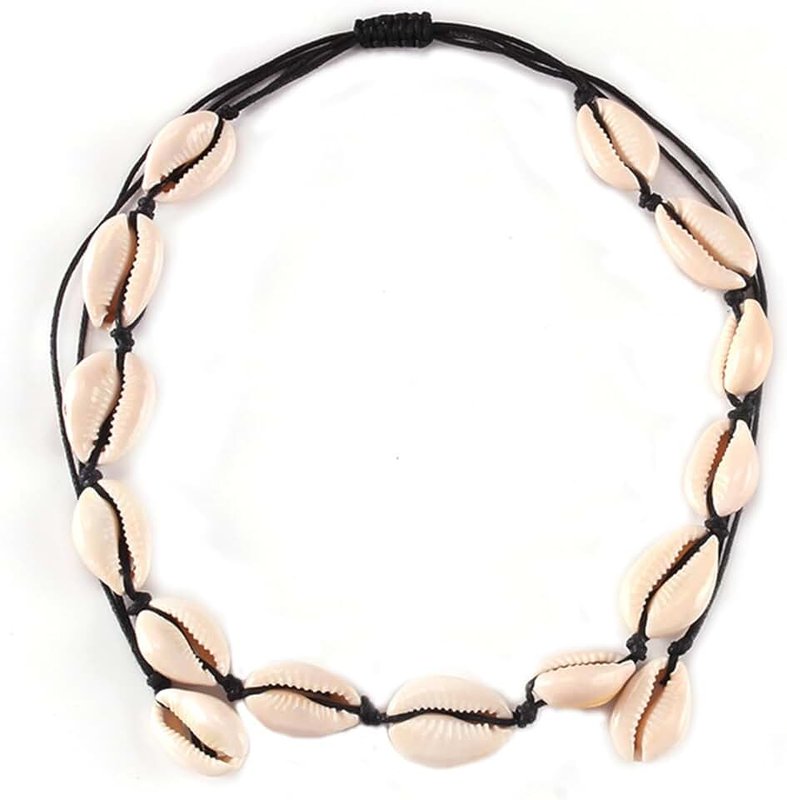
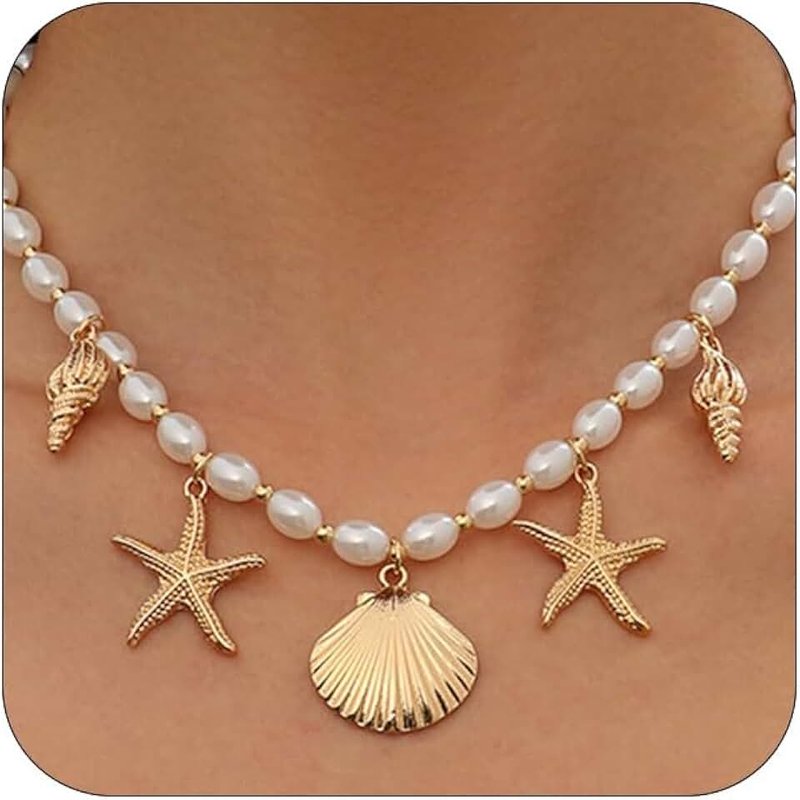
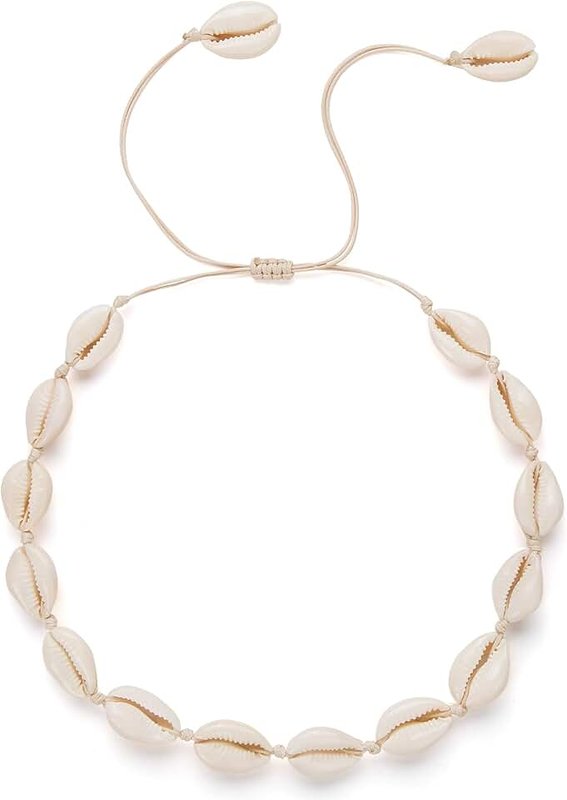
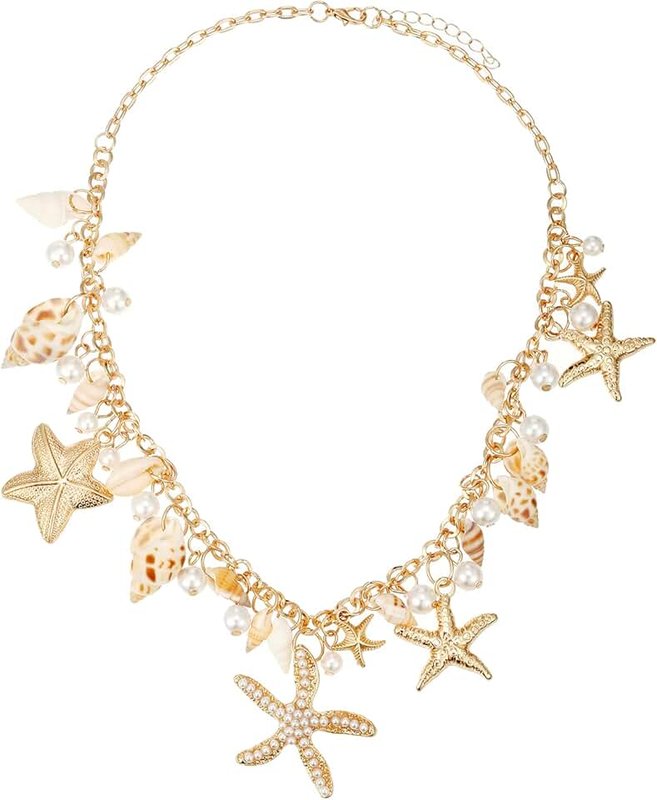
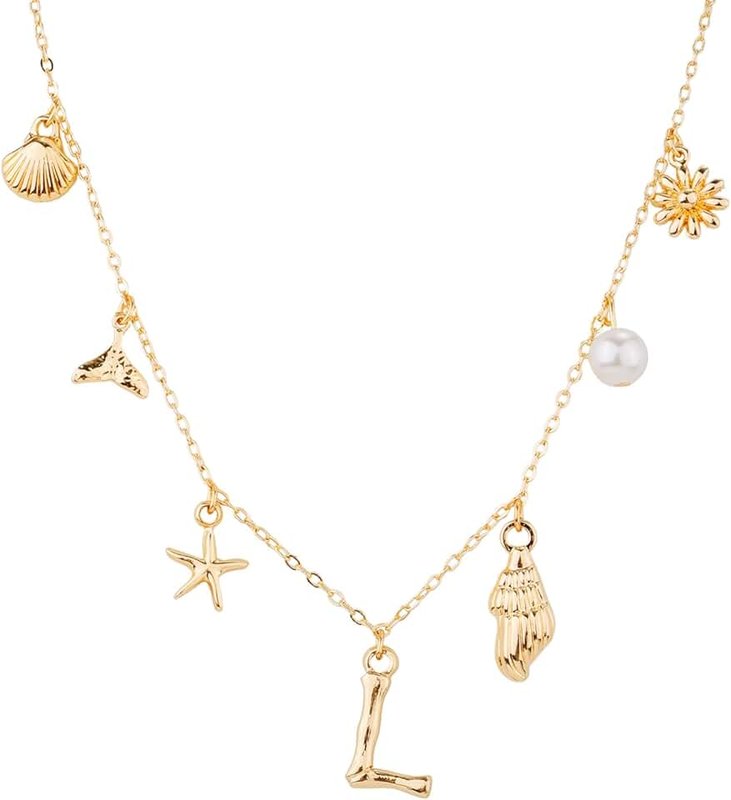
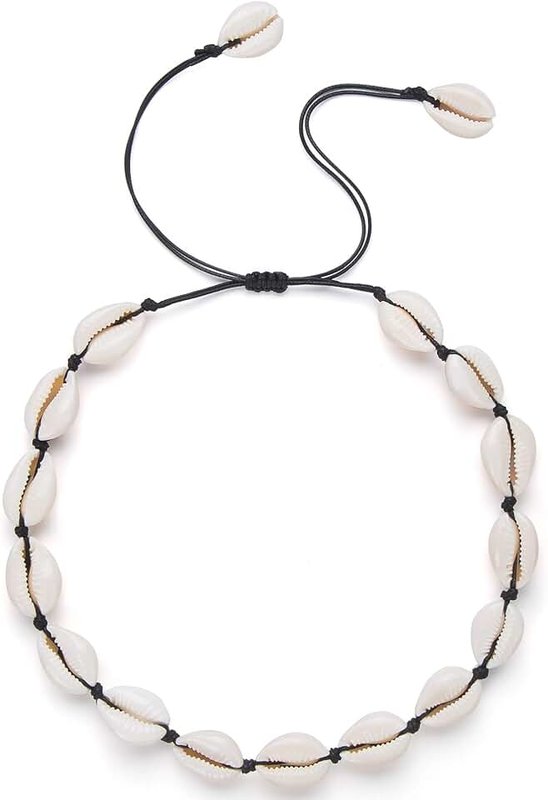
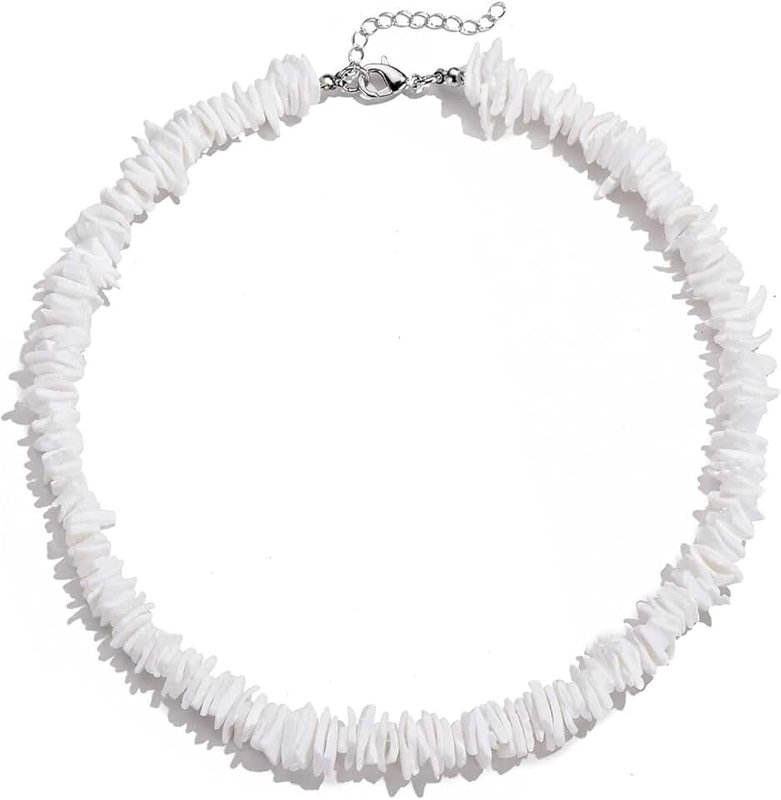
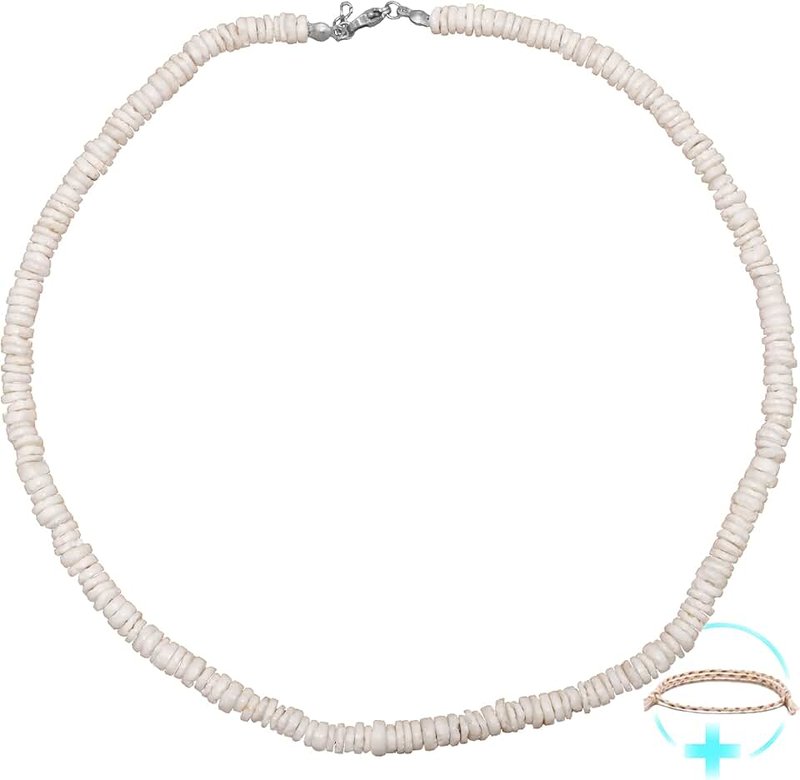
Cowrie shells are the most popular — their distinctive oval shape with a slit opening has been used as currency and decoration across Africa, South Asia, and the Pacific. Puka shells (naturally tumbled shell fragments from Hawaii) create a classic surfer aesthetic. Mother of pearl (the iridescent lining of certain mollusc shells) adds a refined shimmer. Abalone shell has vibrant blue-green iridescence and works beautifully as pendant pieces. Conch, scallop, and clam shells offer varied shapes and textures for more organic, statement designs.
Natural vs Manufactured Shells
Natural shells are hand-collected and drilled — each one is unique in shape, colour, and pattern. Manufactured or cast shells are made from resin, plastic, or composite materials to replicate the look consistently. Natural shells have subtle imperfections that add character. If uniformity matters (for a perfectly symmetrical necklace), manufactured shells deliver it. For authenticity and texture, natural is the clear winner.
Stringing Materials
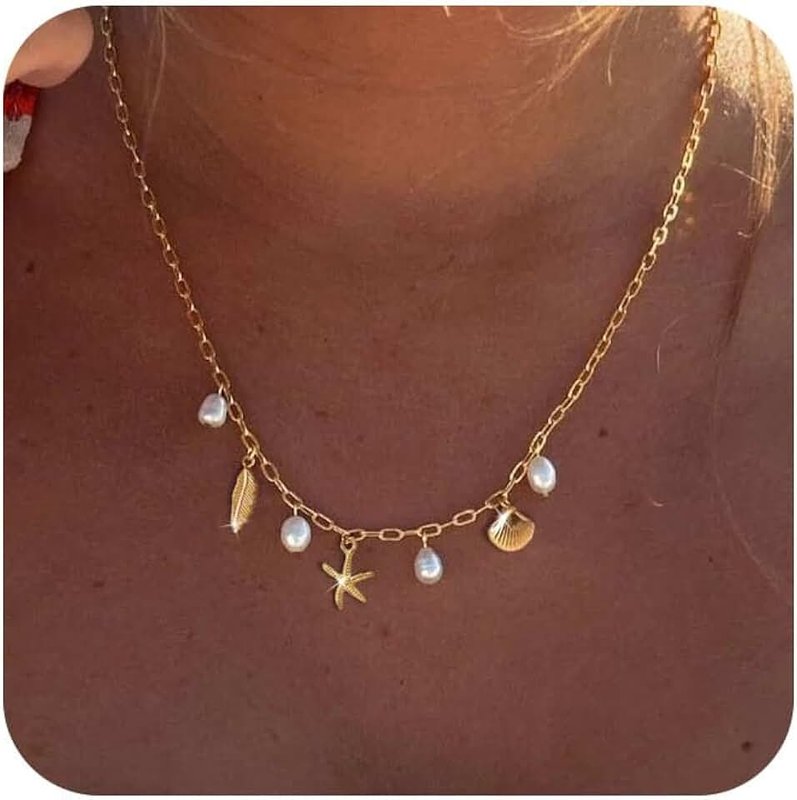
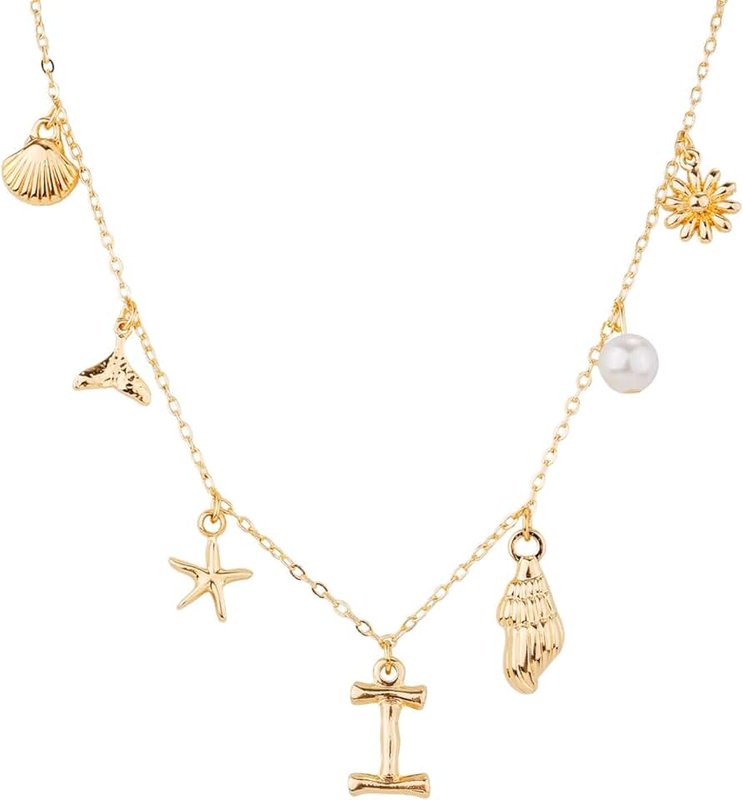
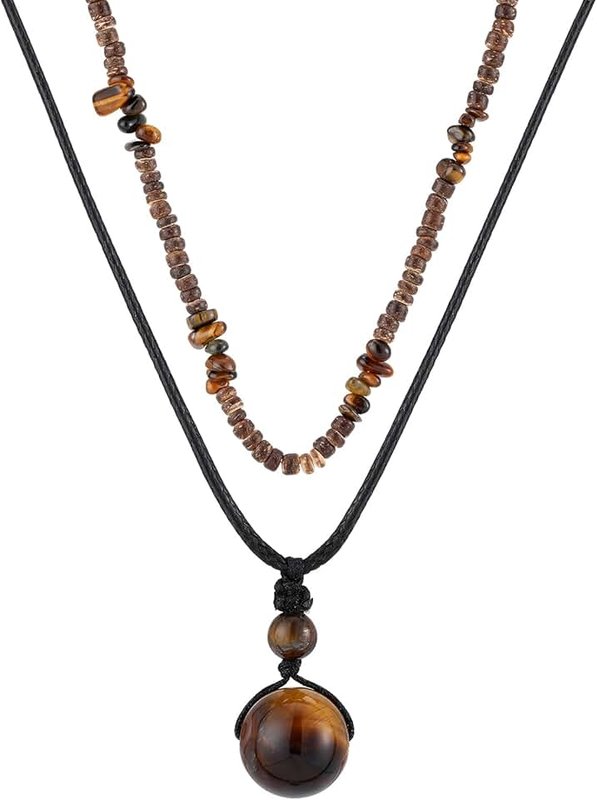
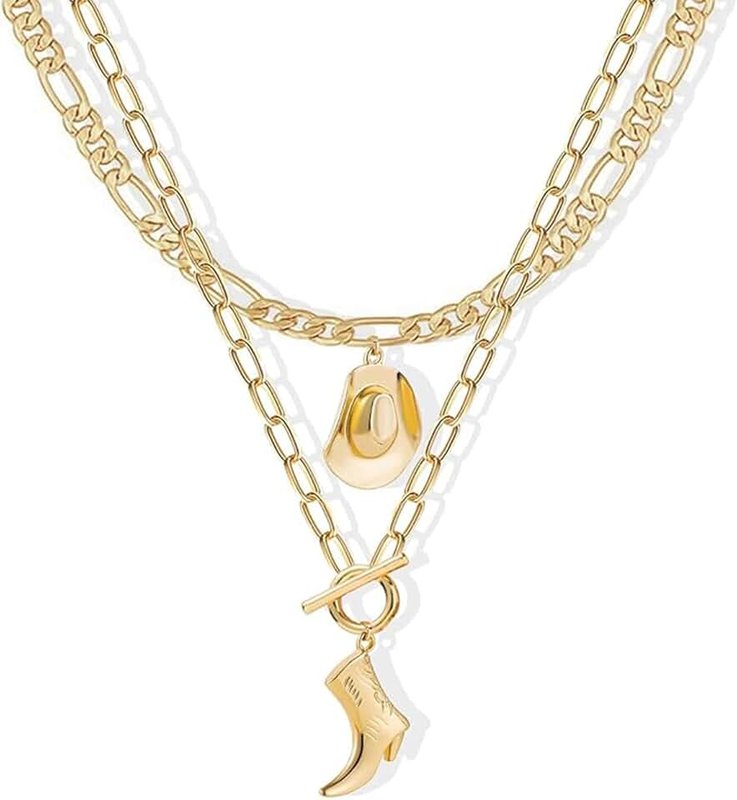
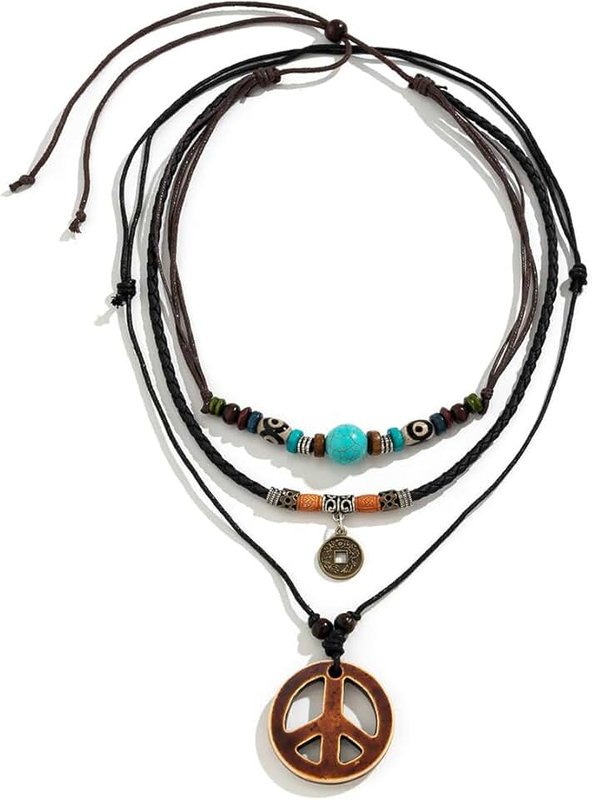
The cord or chain matters as much as the shells. Waxed cotton cord is the classic pairing — waterproof, flexible, and available in every colour. Leather cord adds a rugged, earthy tone but degrades with saltwater. Hemp or jute cord gives a raw, natural look. For a more refined shell necklace, sterling silver or gold-filled chain elevates the shells from beachy to boutique-ready. Silk cord gives the most elegant drape for mother-of-pearl pendants.
Sizing and Style
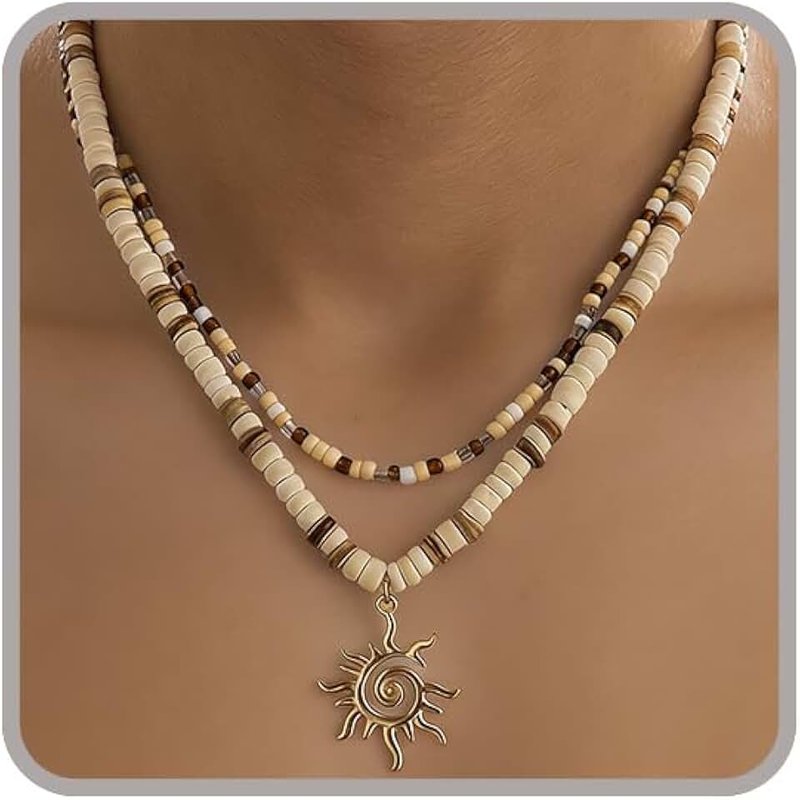
Choker-length shell necklaces (35 to 40 cm) sit at the throat for a 1990s-inspired look. Standard 45 cm length suits most daily wear. Longer strands (50 to 60 cm) layer well with shorter necklaces. A single large shell pendant on a fine chain is a minimalist statement. A multi-shell strand creates a bolder, more bohemian aesthetic. Layering two or three shell necklaces of different lengths and shell types is a popular styling move.
Ethical Sourcing
Shells should be sustainably and ethically sourced — collected from beaches after natural shedding rather than harvested from living animals. Reputable sellers provide sourcing information. Be cautious with endangered species: queen conch, certain abalone species, and giant clam shells may be protected under wildlife laws. In Australia, collecting shells from national parks or marine reserves is prohibited.
Care
Rinse shell necklaces with fresh water after beach wear to remove salt. Air dry flat — never use a hairdryer, as heat can crack shells. Store away from direct sunlight, which fades colour over time. Mother of pearl is particularly sensitive to chemicals — keep away from perfume, hairspray, and cleaning products. Natural shells can be gently polished with a dab of mineral oil on a soft cloth to restore lustre.
Pricing
Shell necklaces in Australia range from $12 to $40 AUD. Simple cowrie or puka shell strands on cord start at the entry level. Mother-of-pearl and abalone pendants on sterling silver chains sit in the mid-range. Designer shell jewellery with gold settings and gemstone accents commands premium prices.
Are shell necklaces waterproof?
Natural shells handle water fine, but the stringing material determines overall water resistance. Waxed cotton cord and stainless steel chains hold up well. Leather and silk degrade with repeated water exposure. Rinse with fresh water after saltwater contact and dry thoroughly.
How do I know if a shell is real or fake?
Real shells have subtle imperfections — variations in colour, texture, and thickness. They feel cool to the touch and are heavier than plastic replicas. Hold them up to light: natural mother of pearl shows layered iridescence, while fake versions have a flat, painted-on sheen.
Can I wear a shell necklace to work?
A single shell pendant on a fine chain or a mother-of-pearl piece looks polished enough for most workplaces. Multi-strand cowrie necklaces or chunky puka designs read as more casual and suit relaxed work environments. Match the style to your workplace dress code.
How do I clean a shell necklace?
Rinse with lukewarm fresh water and air dry. For stubborn dirt, use a soft toothbrush. Do not soak natural shells for long periods. Avoid chemicals, soaps, and ultrasonic cleaners. A tiny amount of mineral oil on a soft cloth restores natural sheen to dulled shells.
Are cowrie shell necklaces still in fashion?
Cowrie shell jewellery remains a perennial summer trend. It cycles between peak fashion moments and quieter periods, but the style never fully disappears. It is a staple in bohemian, coastal, and festival fashion and continues to appear in designer collections.