

Amber Necklace
As an Amazon Associate, DreamPigeon earns from qualifying purchases. Prices and availability are accurate as of the date/time indicated and are subject to change.
How to Buy an Amber Necklace: A Practical Guide for Australian Shoppers
Amber has been worn as jewellery for thousands of years, and it’s not hard to see why. That warm golden resin — sometimes with an insect or air bubble frozen inside — is unlike anything else you’ll find at a jewellery counter. But buying an amber necklace in Australia comes with a few traps worth knowing about before you hand over your money.
Real Amber vs. Fakes: What You’re Actually Buying
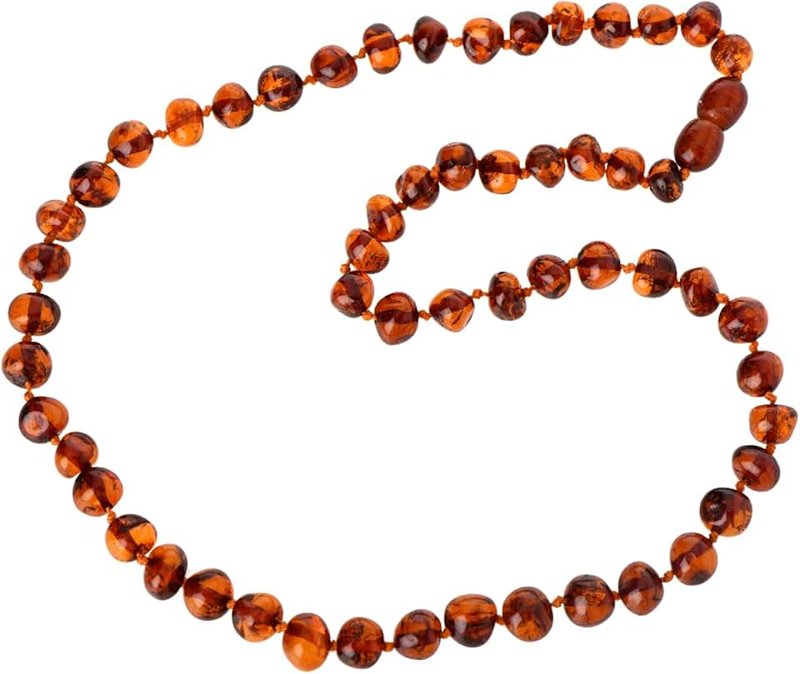
The market for amber jewellery is unfortunately full of imitations. Plastic, glass, and copal resin (young, not fully fossilised) are all sold as genuine amber by sellers who either don’t know better or don’t care. A genuine amber necklace should feel warm to the touch — real amber is lightweight and slightly warm, not cold like glass. The classic salt water test still works: mix 1 part salt to 2 parts water and drop your piece in. Real amber floats; plastic and glass sink. If you’re buying natural amber necklace pieces online, ask sellers for UV photos — amber glows blue-white under ultraviolet light, while most fakes won’t.
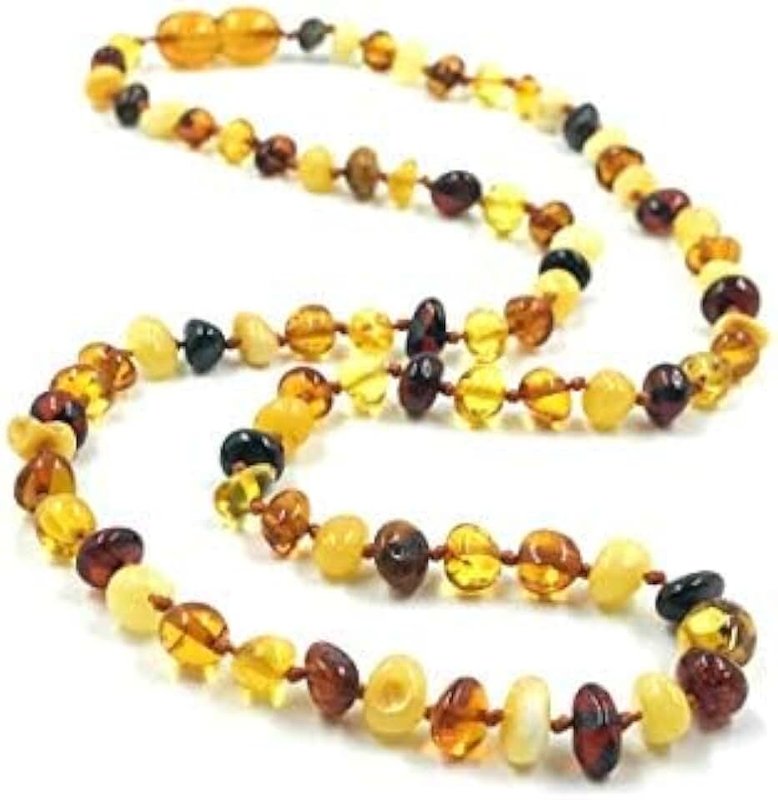
Baltic amber is the gold standard, accounting for roughly 90% of the world’s gem-quality amber. Genuine amber jewellery sourced from the Baltic region is typically millions of years old, and that age matters — both for quality and value. If someone’s selling you amber jewellery australia-wide at suspiciously low prices (think 0–5 for a pendant), it’s almost certainly copal or plastic.
Styles to Consider
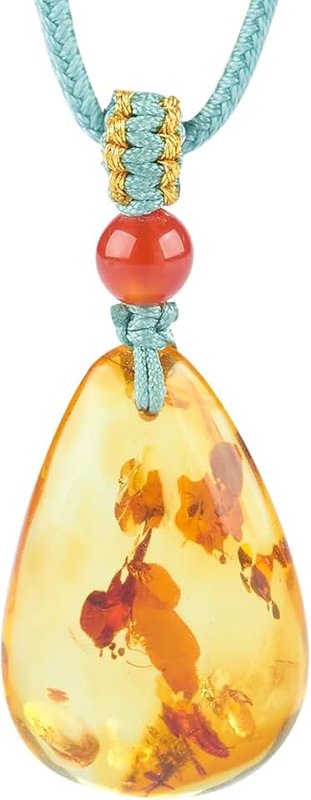
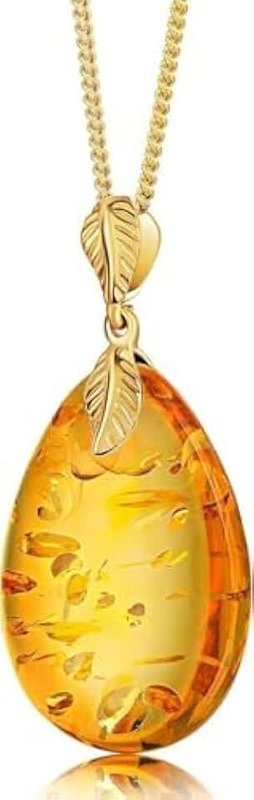
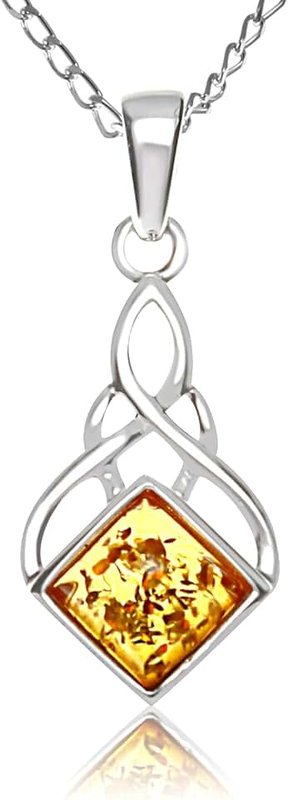
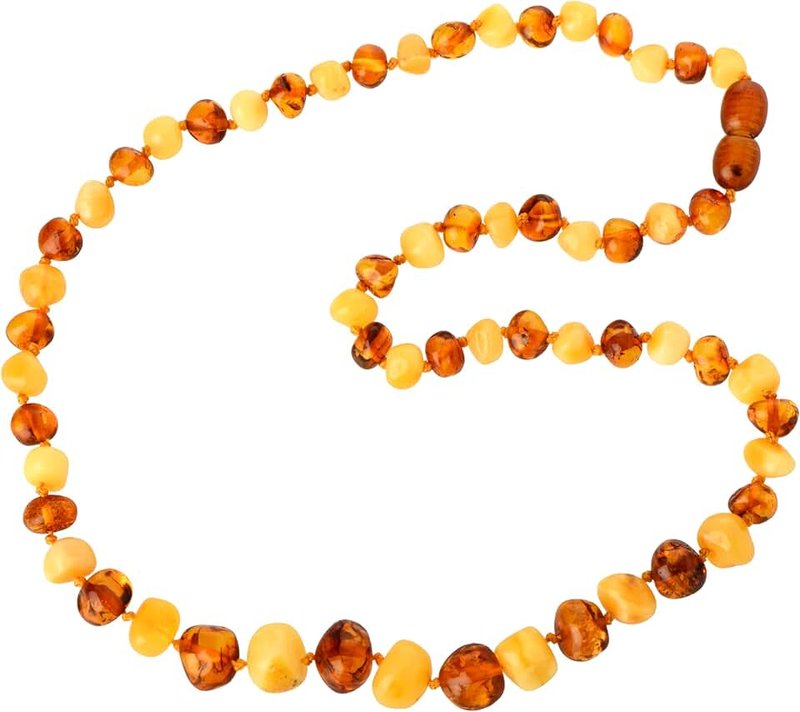
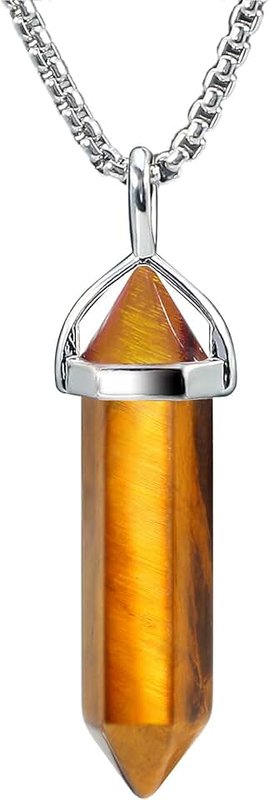
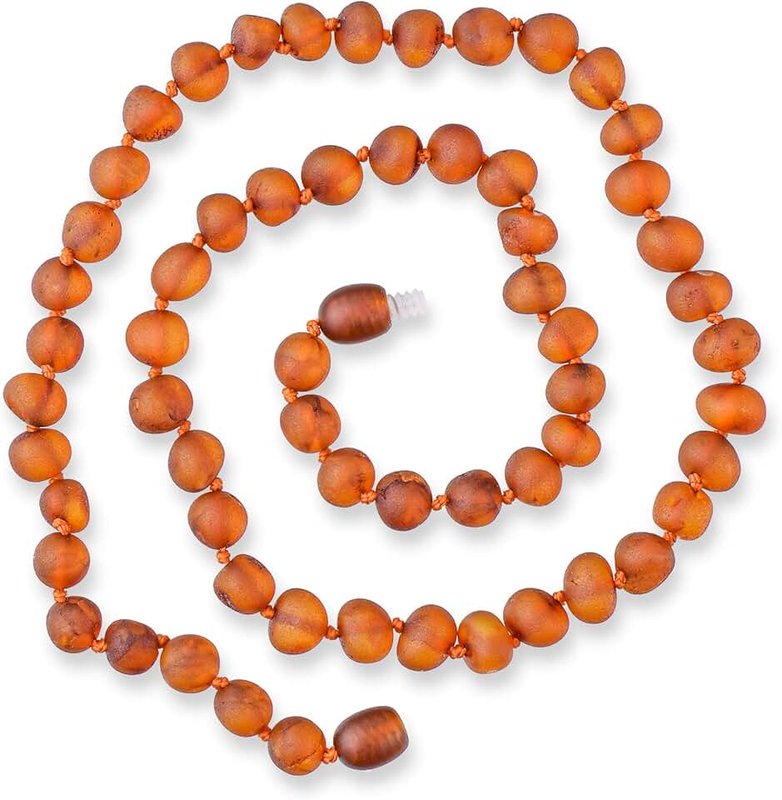
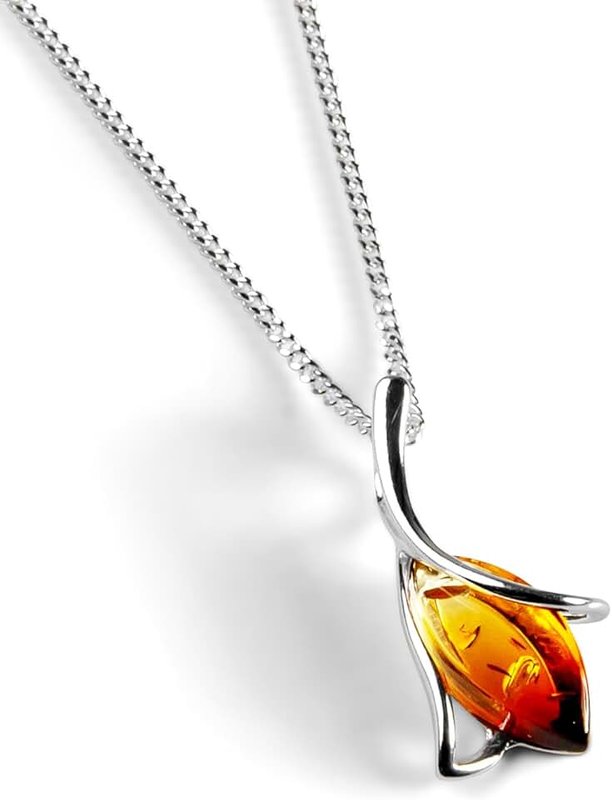
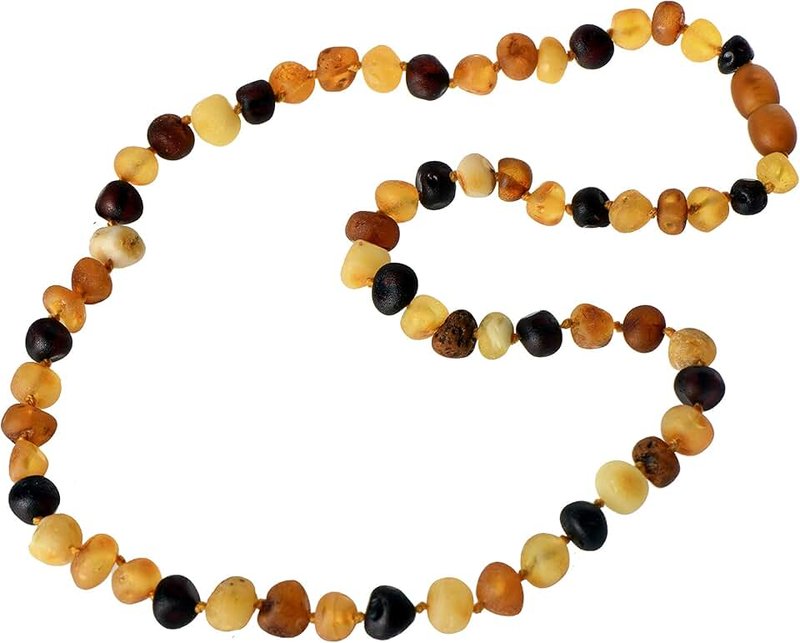
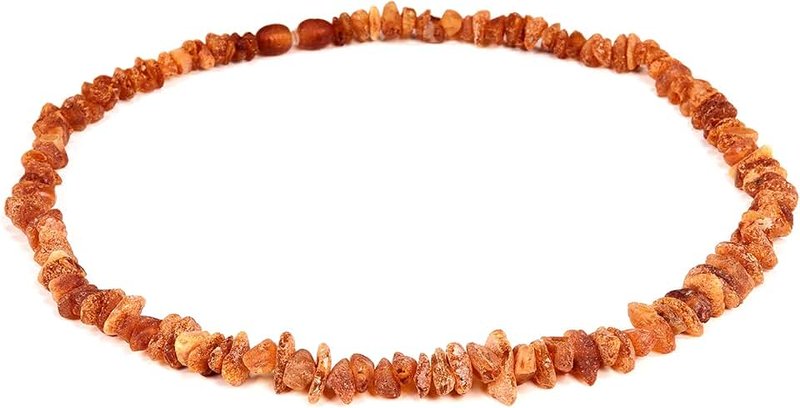
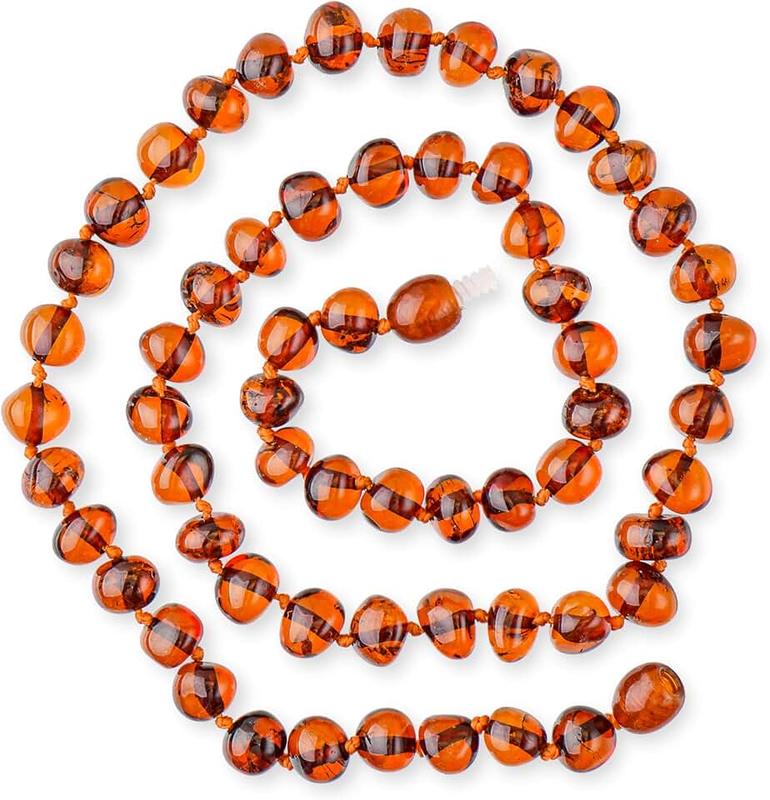
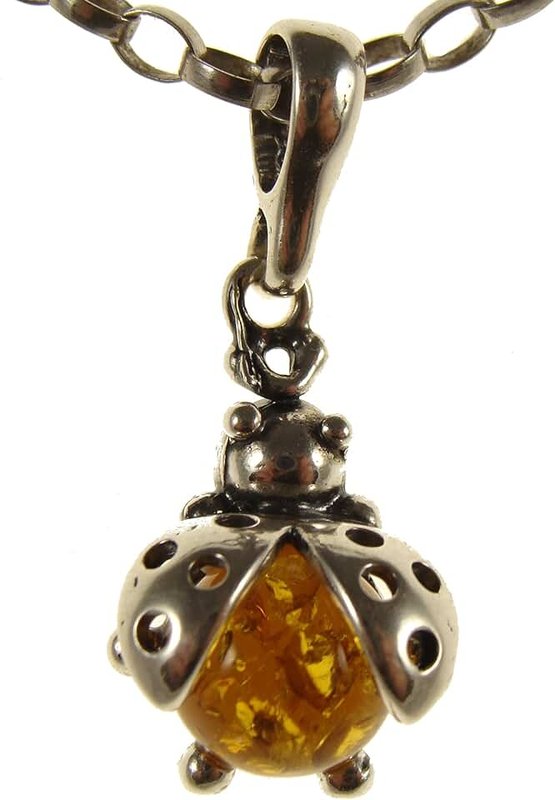
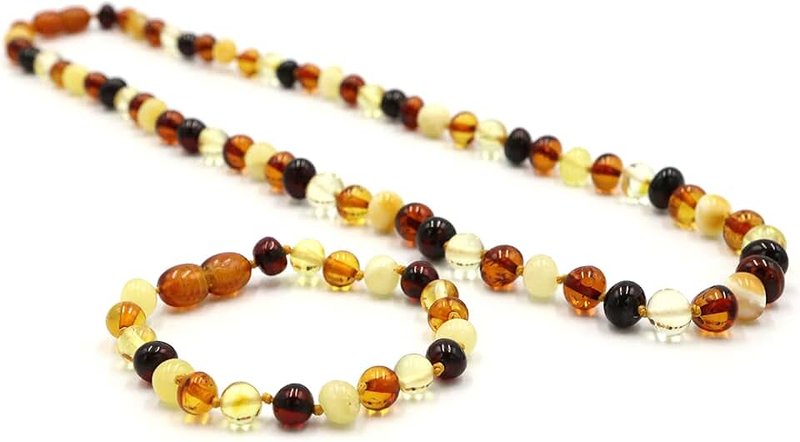
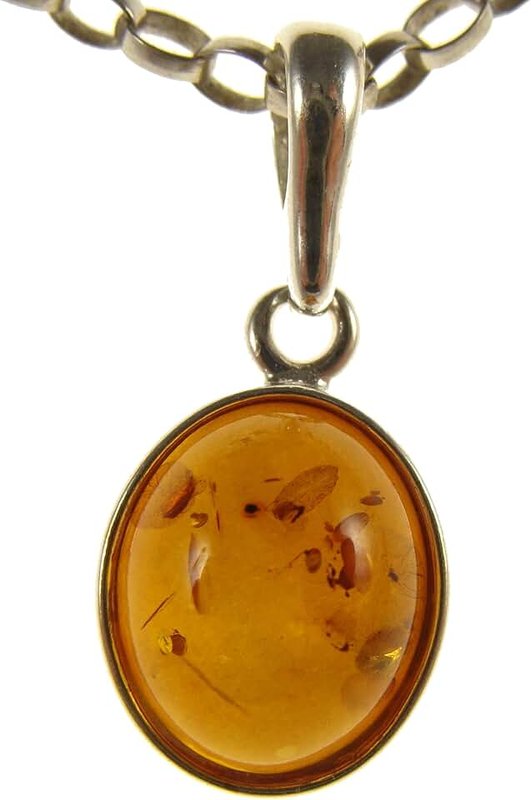
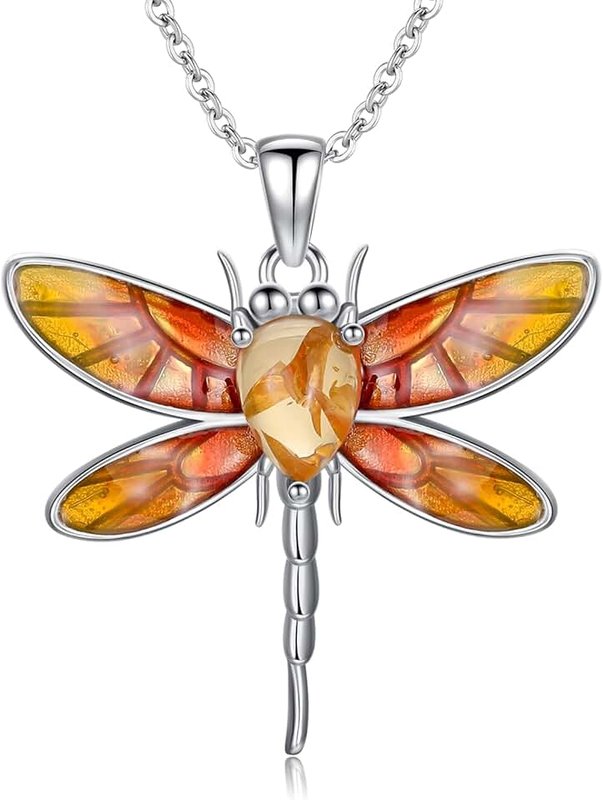
When people shop for an amber pendant, they’re usually after one of three things: a simple polished cabochon, a raw amber necklace with that uncut, organic shape, or an inclusion piece with something trapped inside. Inclusion pieces command the highest prices — a well-preserved insect in clear amber can run 00–00 AUD depending on clarity and size. A standard polished amber pendant necklace in sterling silver sits more comfortably in the 0–80 AUD range for quality work.
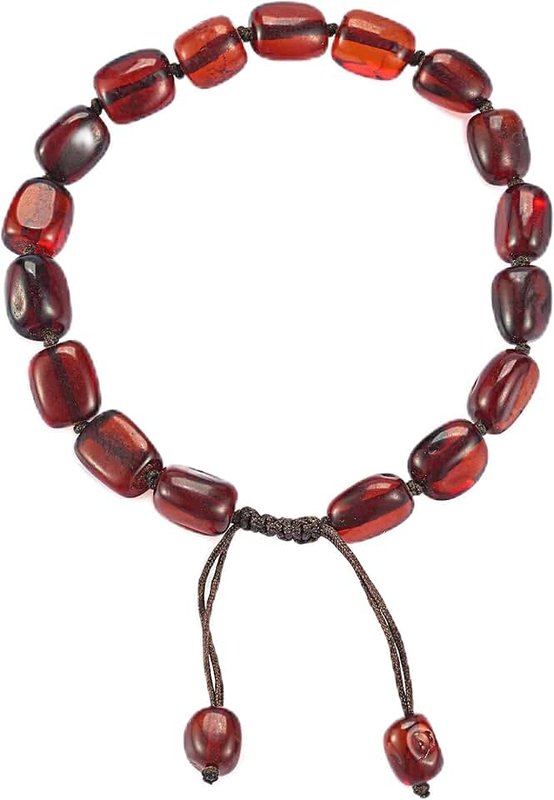
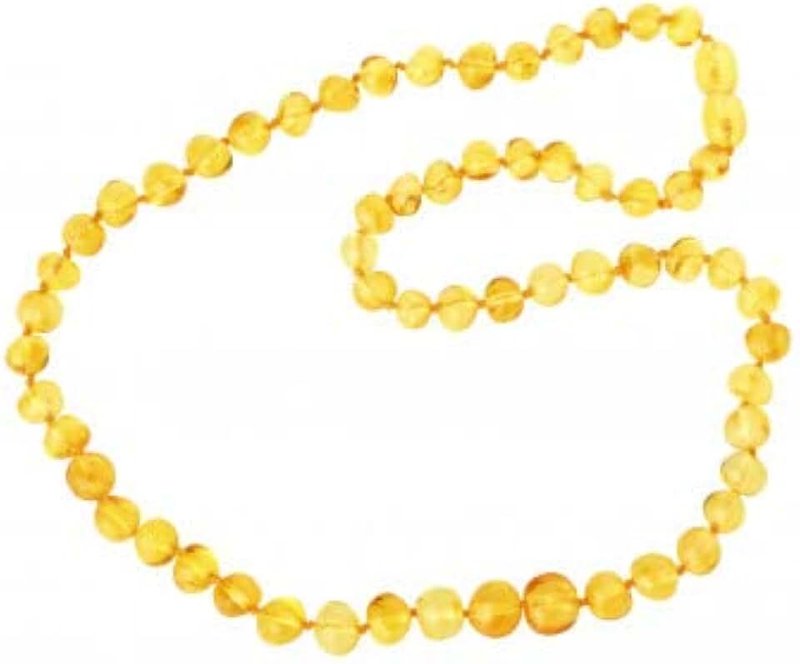
Raw amber necklace styles have become increasingly popular because they show the material honestly — no heavy polishing to hide flaws or enhance colour. They tend to suit layered, casual styling better than formal occasions. Polished pieces in teardrop or oval shapes work for both. An amber crystal necklace — where the stone is faceted to catch light — gives a dressier look, though purists will tell you amber isn’t technically a crystal at all (it’s organic resin, not a mineral).
Colour, Clarity and What Affects Price
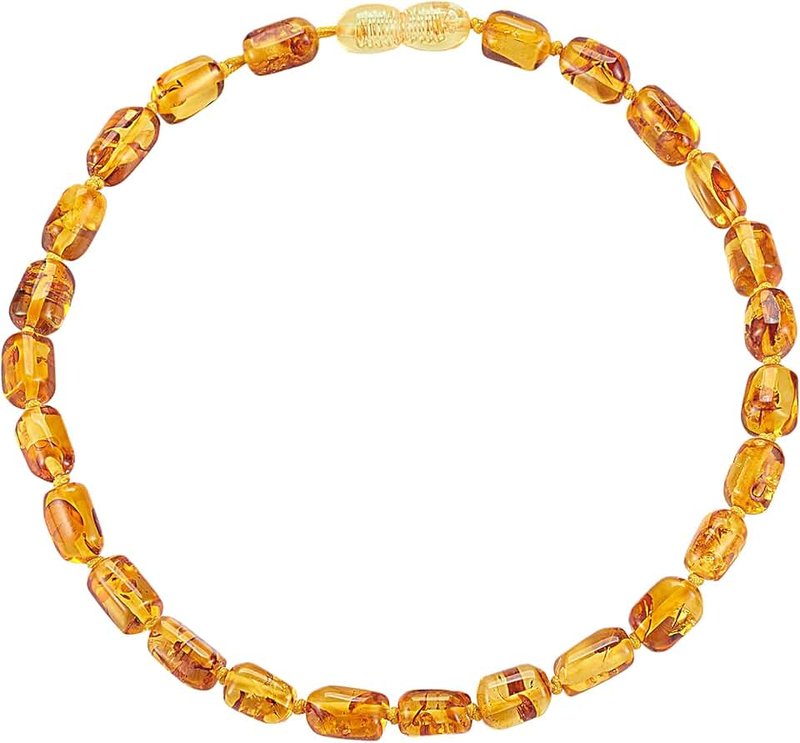
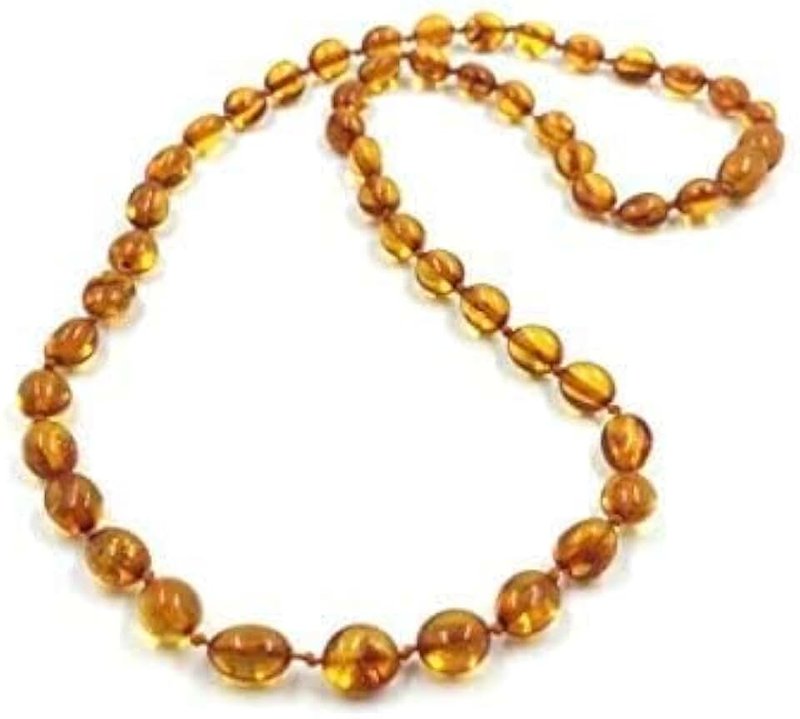
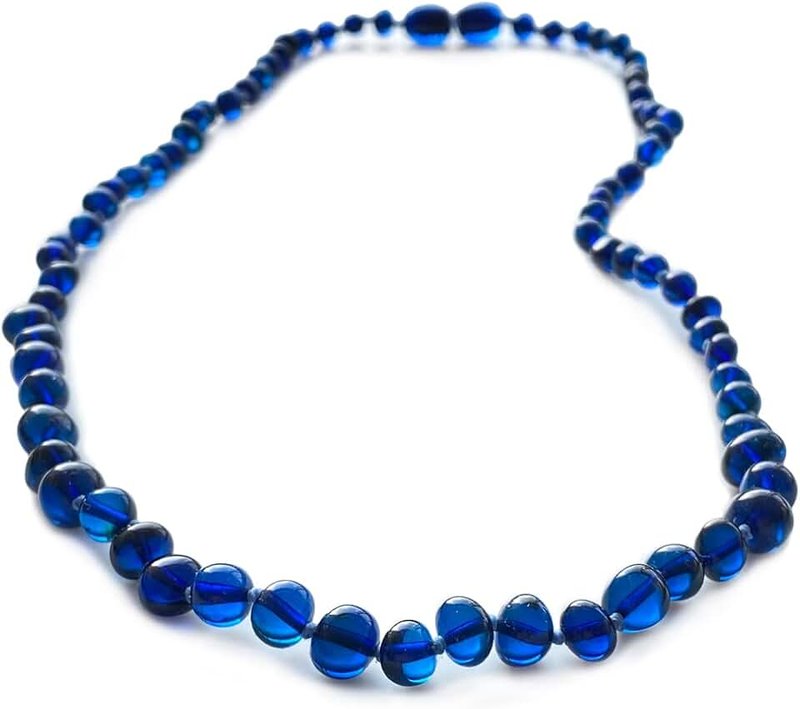
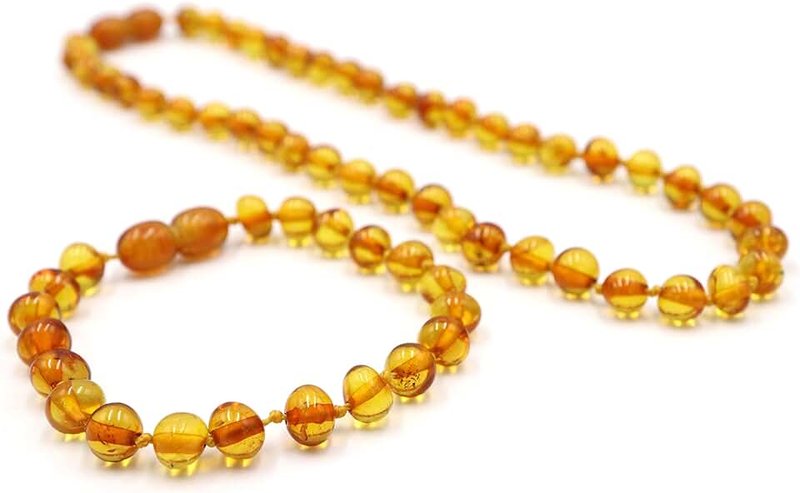
Amber comes in more colours than most people realise. Cognac and honey tones are most common, but you’ll also find green, cherry red, milky white, and rare blue amber. With amber pendants, clarity dramatically affects price: clear, transparent pieces cost more than cloudy ones. That said, cloudy amber (sometimes called “butterscotch”) has its own appeal and is equally genuine. For a necklace with amber that you’ll wear regularly, cloudy or semi-transparent pieces are often more practical — surface scratches show less.
In terms of pricing for amber necklace australia-wide: expect to pay 0–20 AUD for a decent silver-set pendant from a reputable seller, 50–00 AUD for larger statement pieces or unusual colours, and 00+ AUD for verified inclusion specimens or antique pieces. Anything significantly cheaper than these ranges deserves extra scrutiny.
Buying Tips for Australian Shoppers
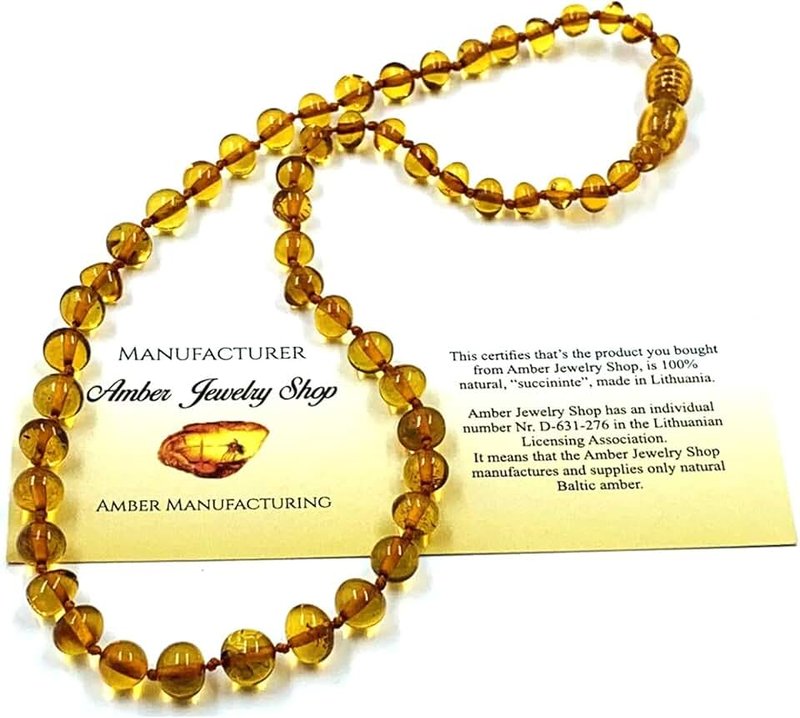
Ask for provenance when buying genuine amber jewellery — a good seller will tell you where the amber originated. Baltic amber (Lithuania, Poland, Latvia) is the most commercially significant and well-documented. When buying amber jewellery online, look for sellers who provide certificates of authenticity and clear return policies. For a natural amber necklace intended as a gift, a sterling silver or 9ct gold setting will last far longer than base metal, which can tarnish against the resin over time.
Finally, amber is softer than most gemstones (around 2–2.5 on the Mohs scale), so keep your amber pendants away from perfume, harsh cleaning products, and prolonged sun exposure. Store pieces separately in a soft pouch — they scratch easily when knocked against harder stones or metal clasps.
How do I know if amber necklace are genuine quality?
Look for hallmarks, stamps, or certificates that verify the material. Reputable Australian sellers provide authenticity details and clear return policies. Check the weight and finish — quality pieces feel solid and have a clean, even surface without rough spots or discolouration.
What is the best way to care for amber necklace?
Clean with a soft cloth and lukewarm water with mild soap. Avoid exposure to harsh chemicals, chlorine, and perfumes. Store each piece separately in a soft pouch or lined box to prevent scratches. Regular gentle cleaning keeps the appearance fresh without risking damage.
Can I buy amber necklace online in Australia with confidence?
Yes, provided you buy from established sellers with clear product descriptions, genuine photos, and a solid returns policy. Check customer reviews and look for Australian-based businesses or those with local support. Compare prices across a few trusted sources to make sure you are getting fair value.