

Stud Earrings
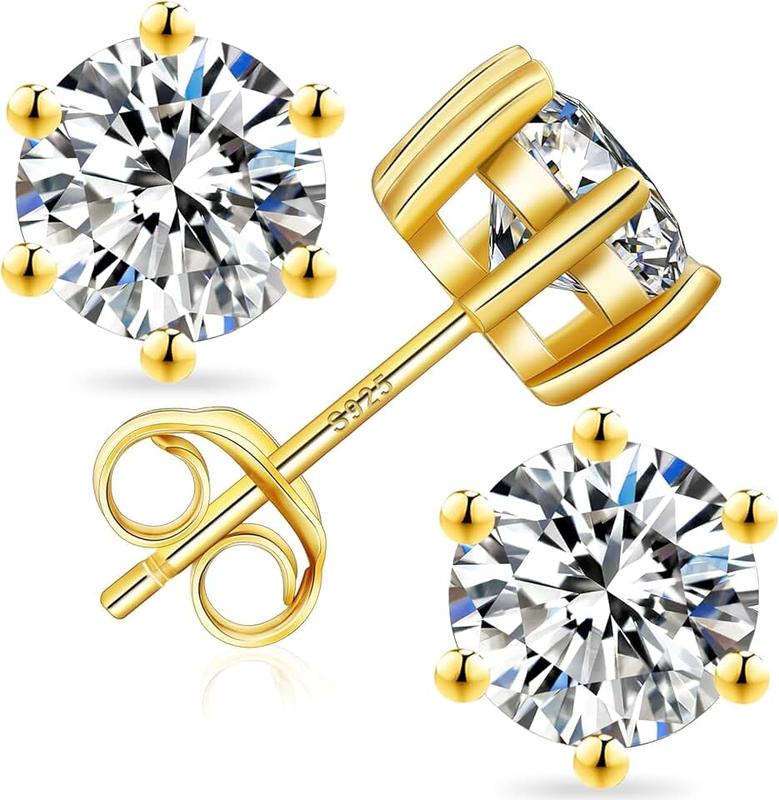
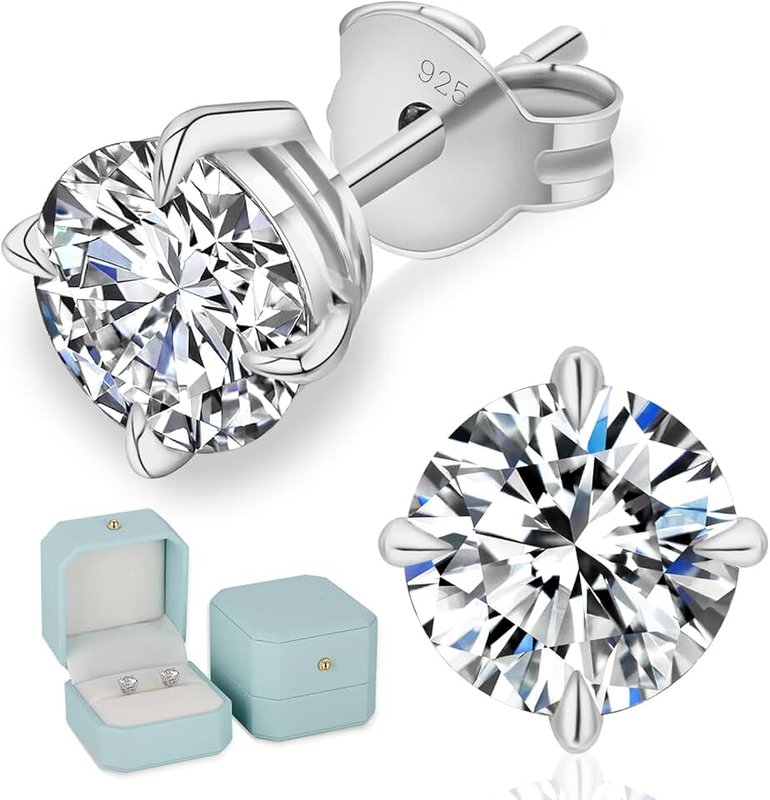
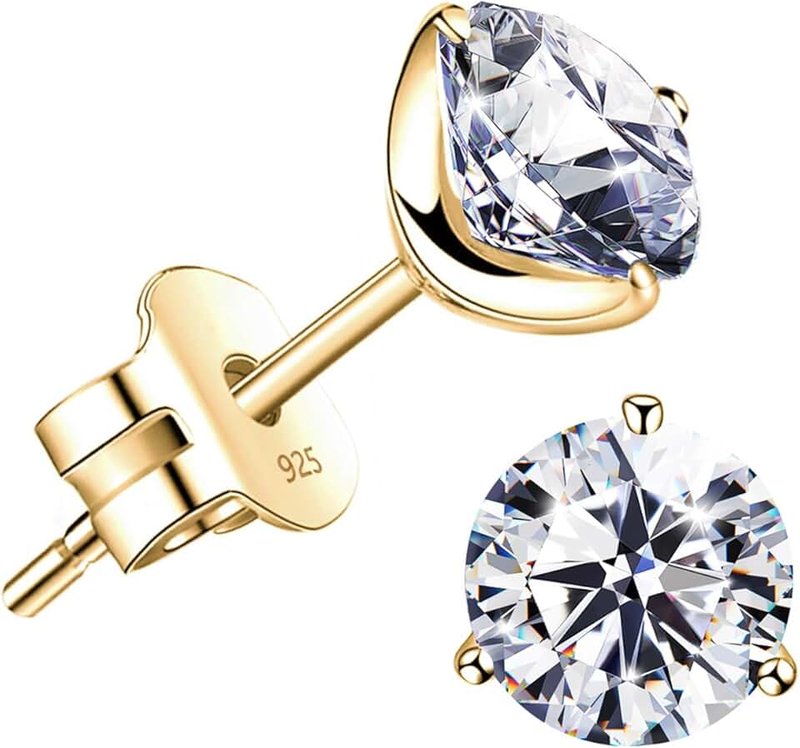
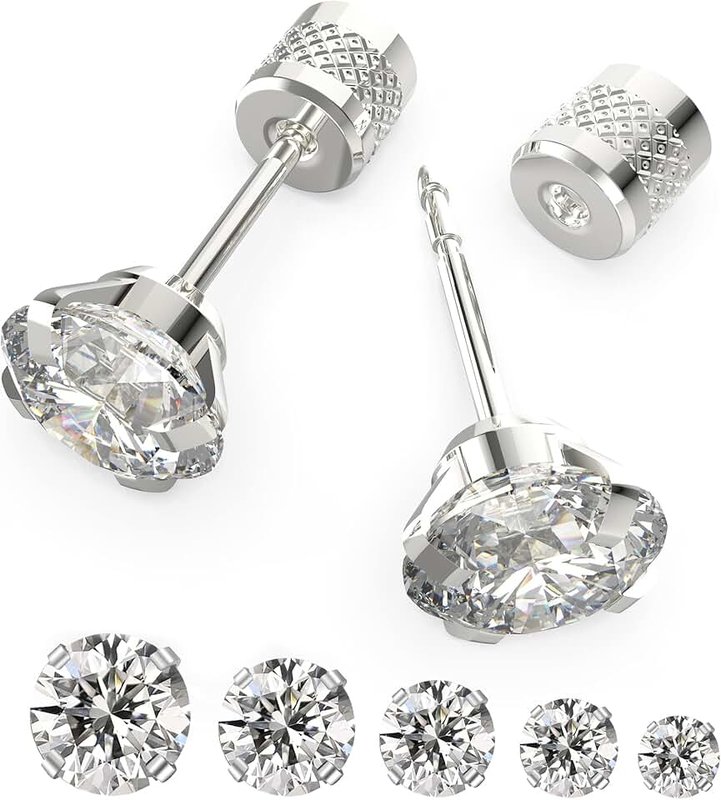
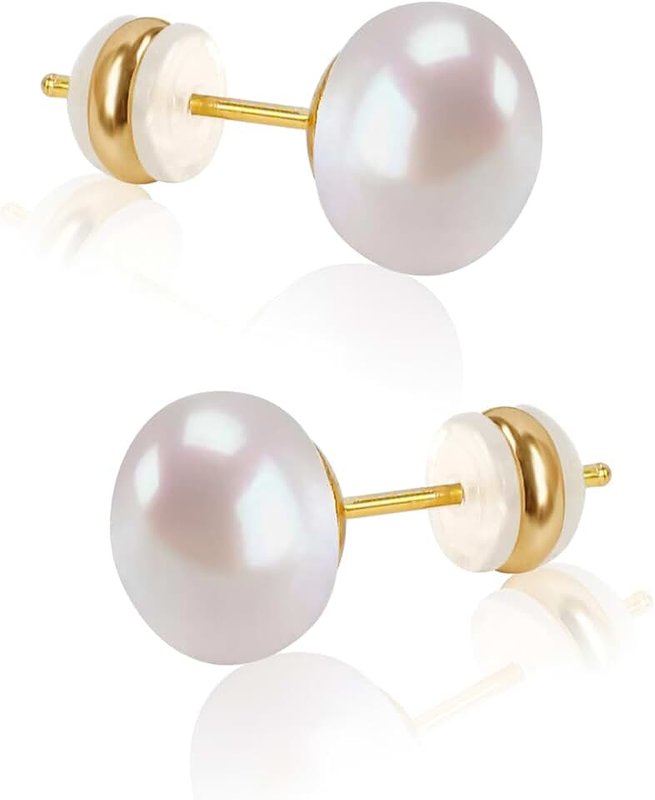
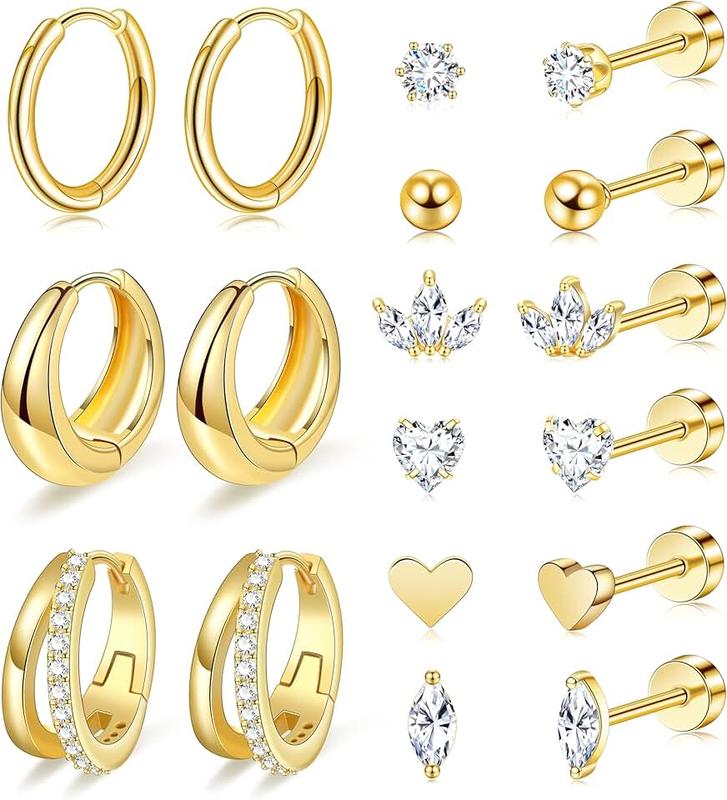
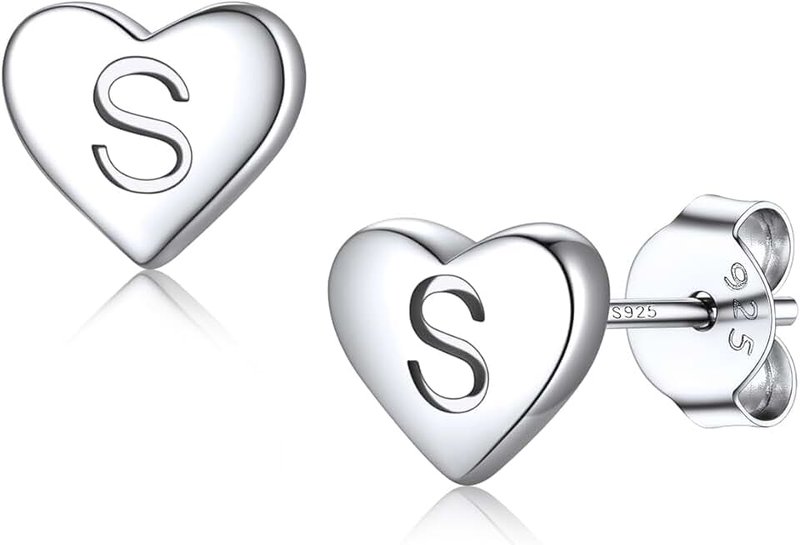
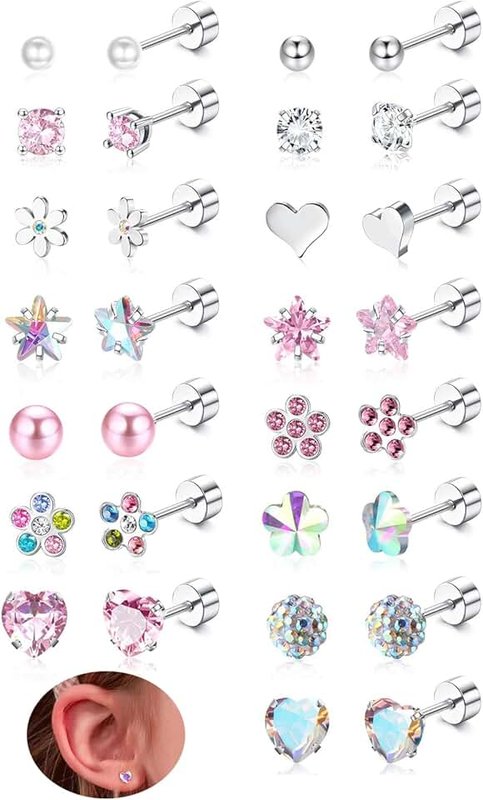
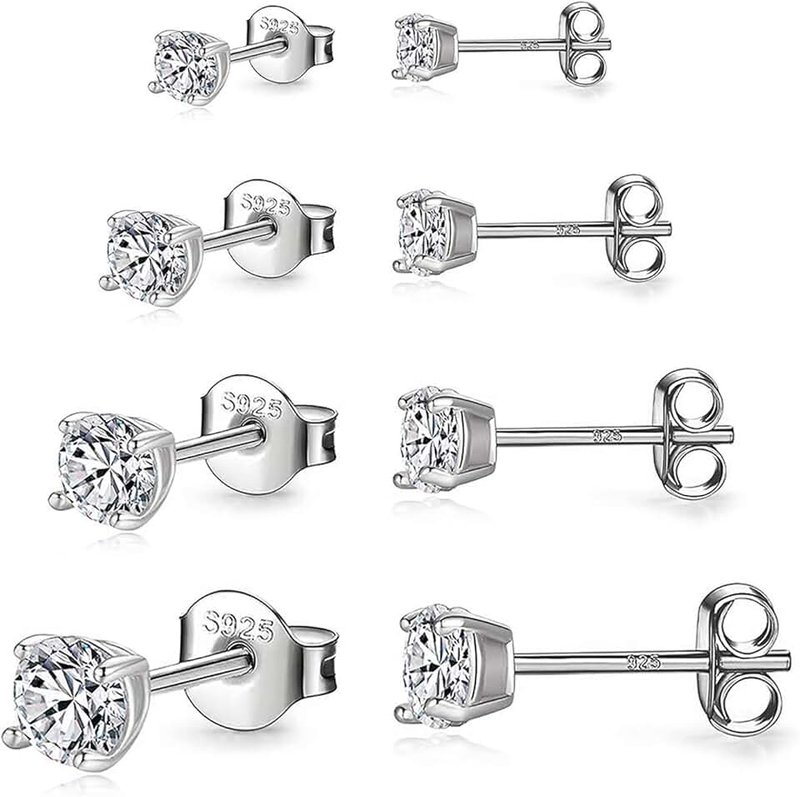
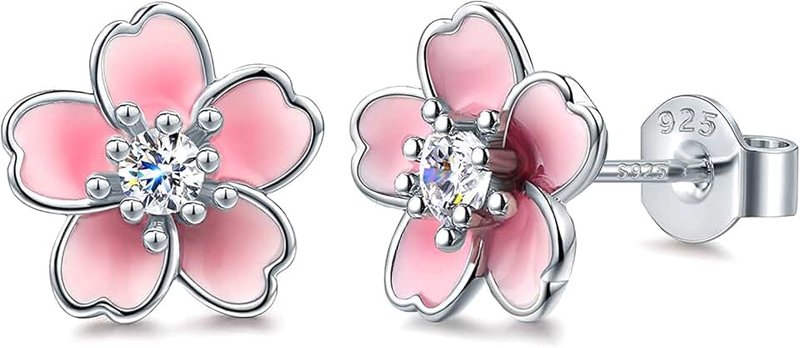
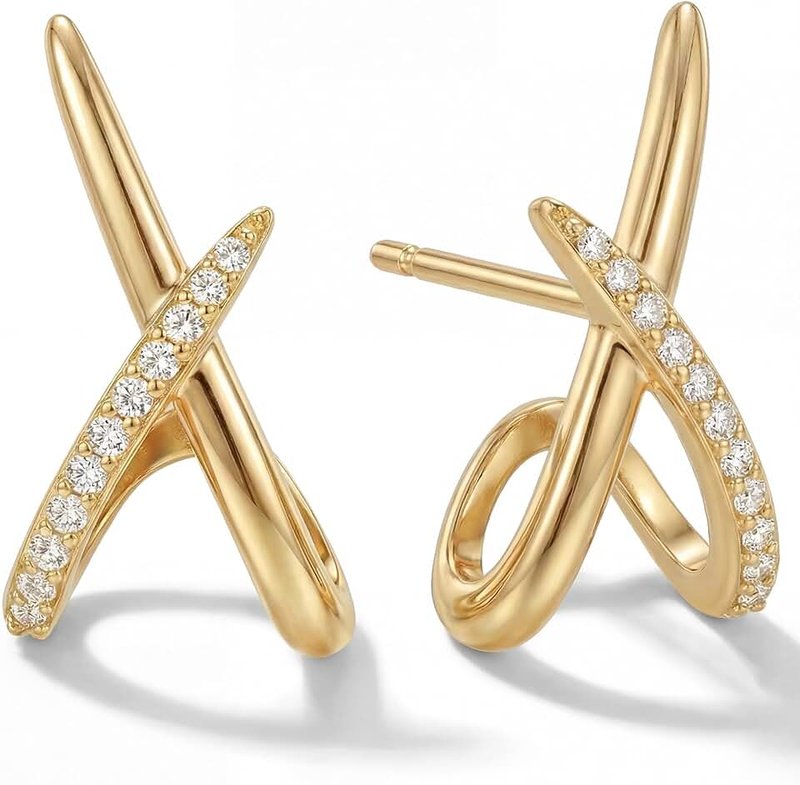
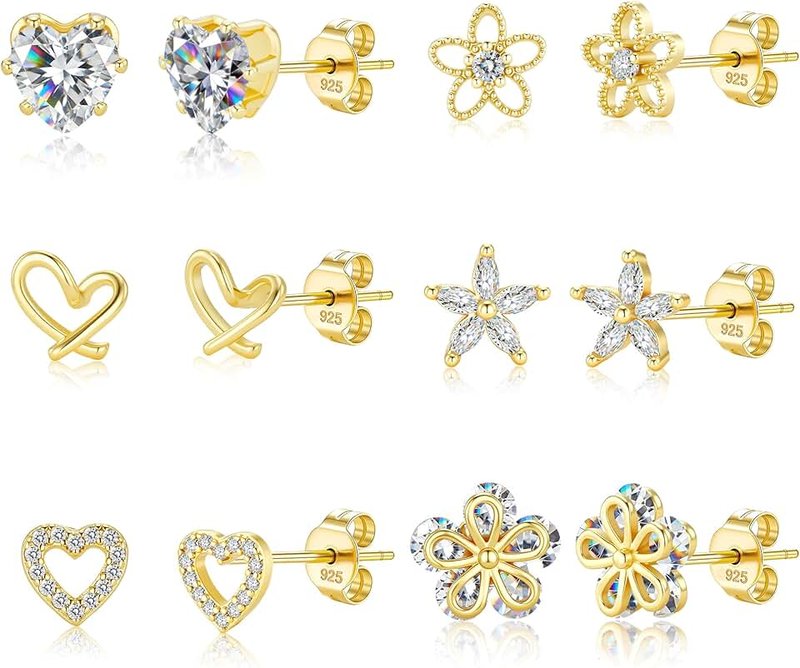
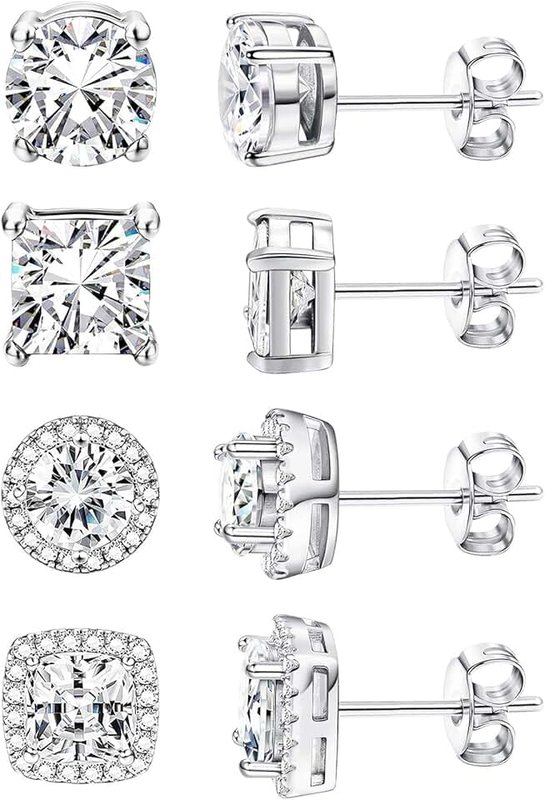
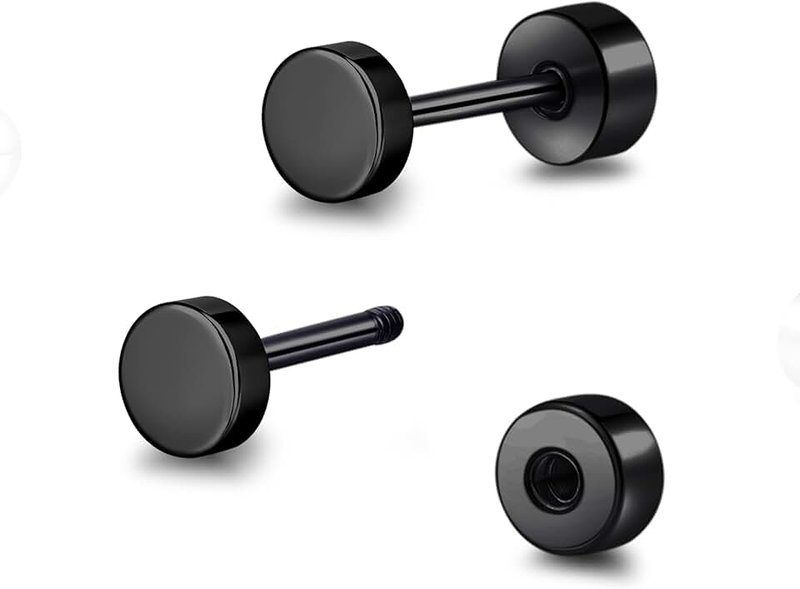
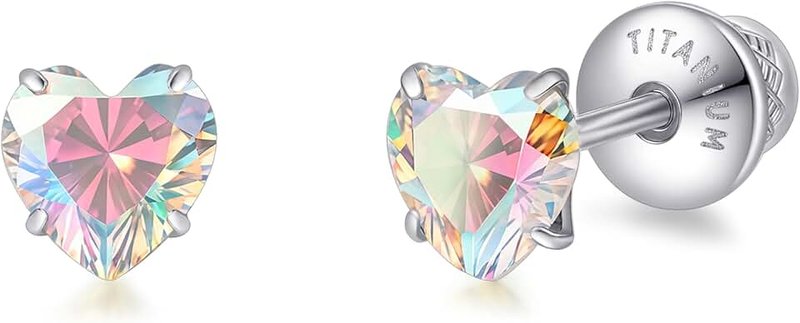
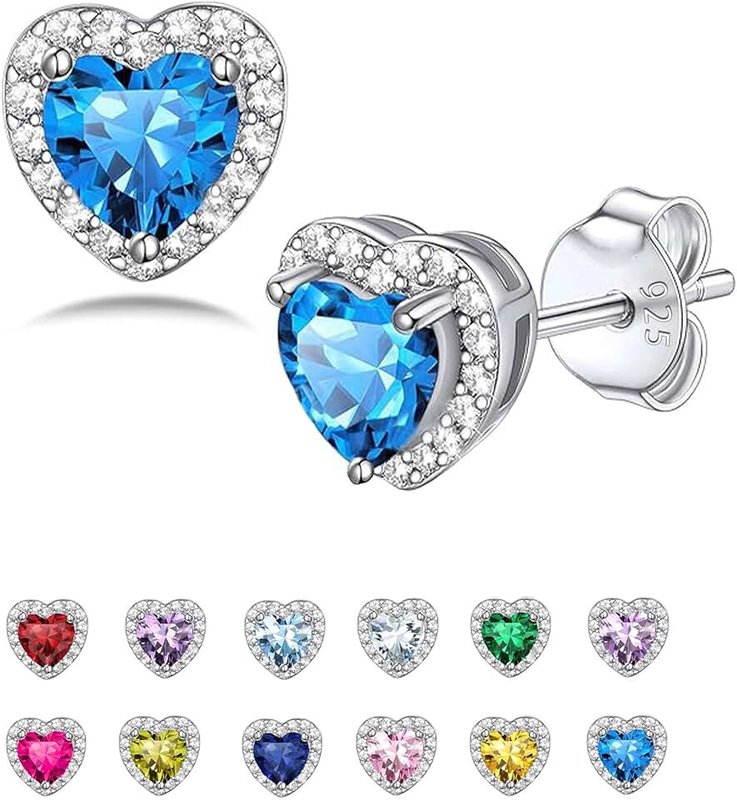
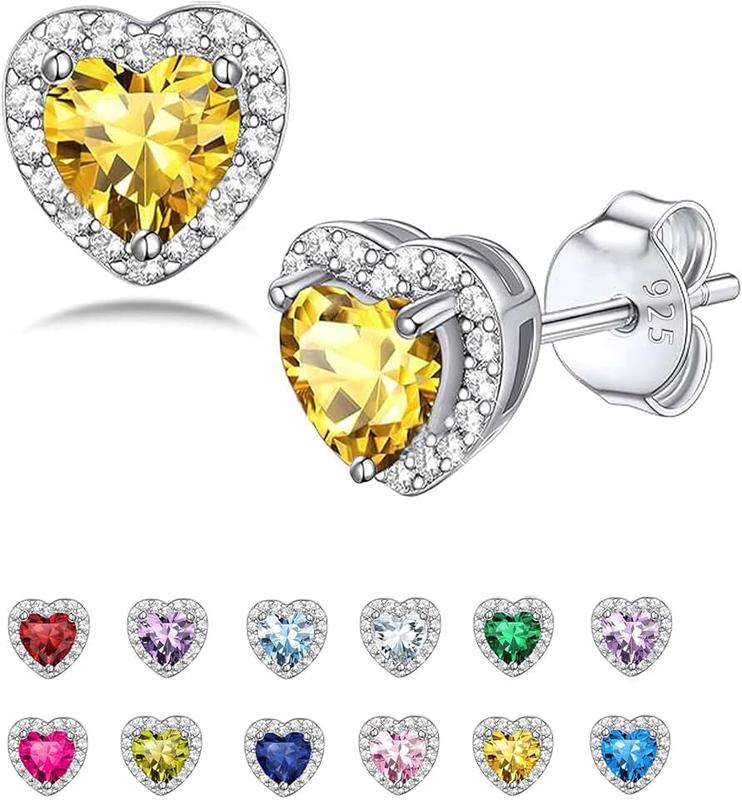
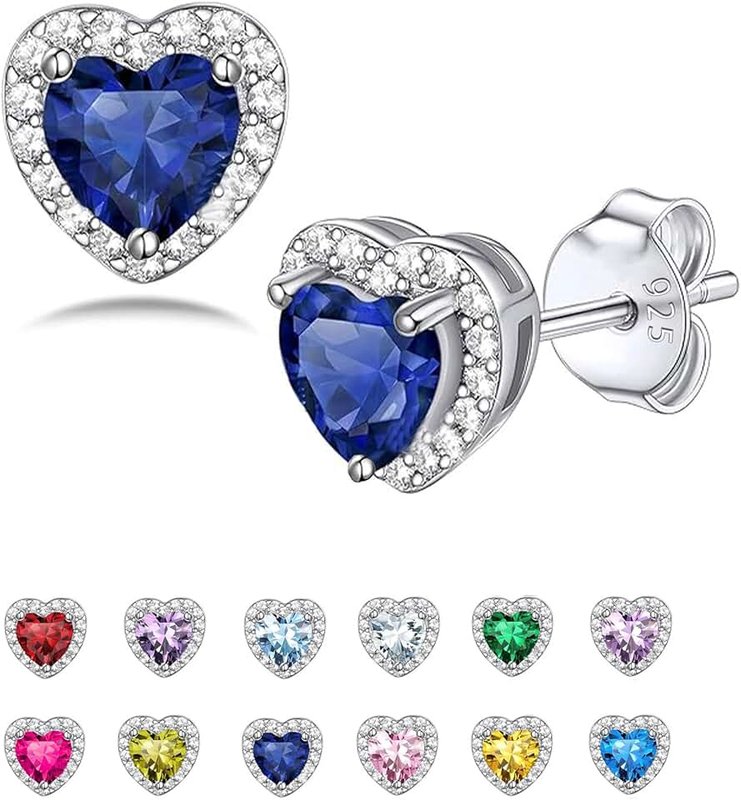
Seleneva Birthstone Stud Earrings for Women Sterling Silver...
$10.88 $9.30 (15% off)
View on Amazon
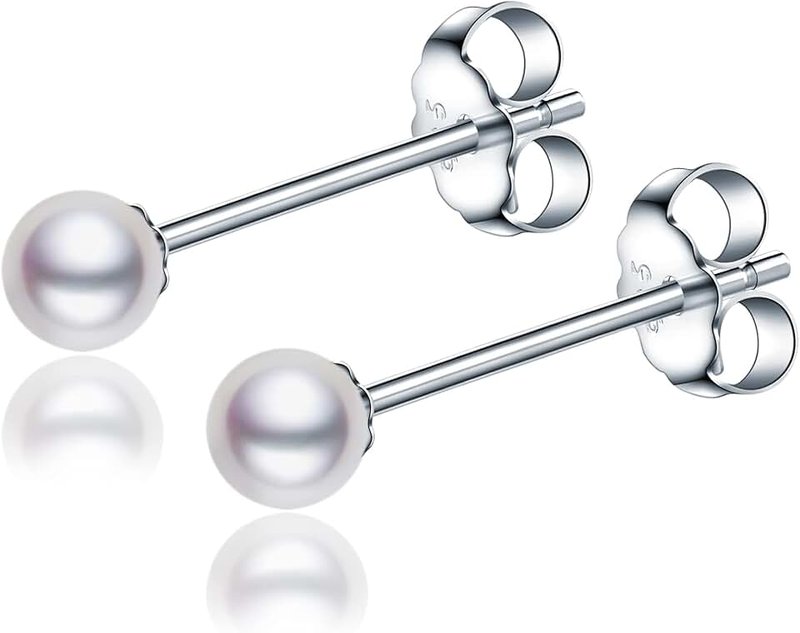
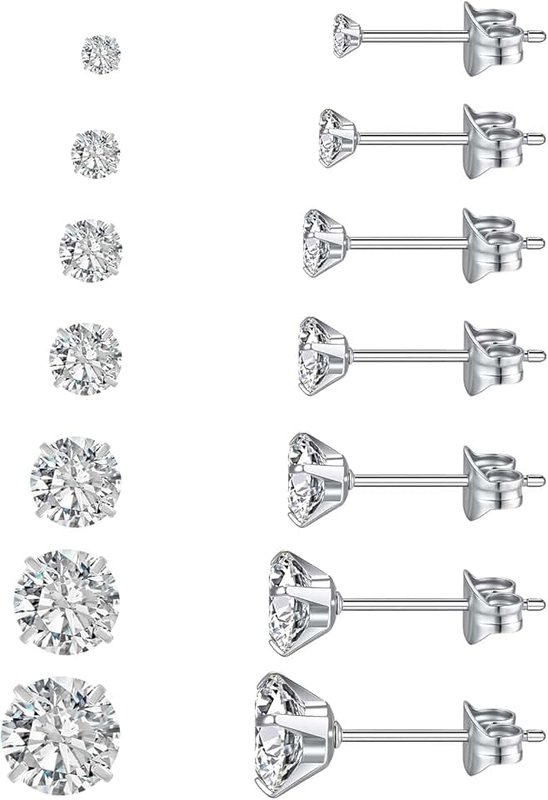
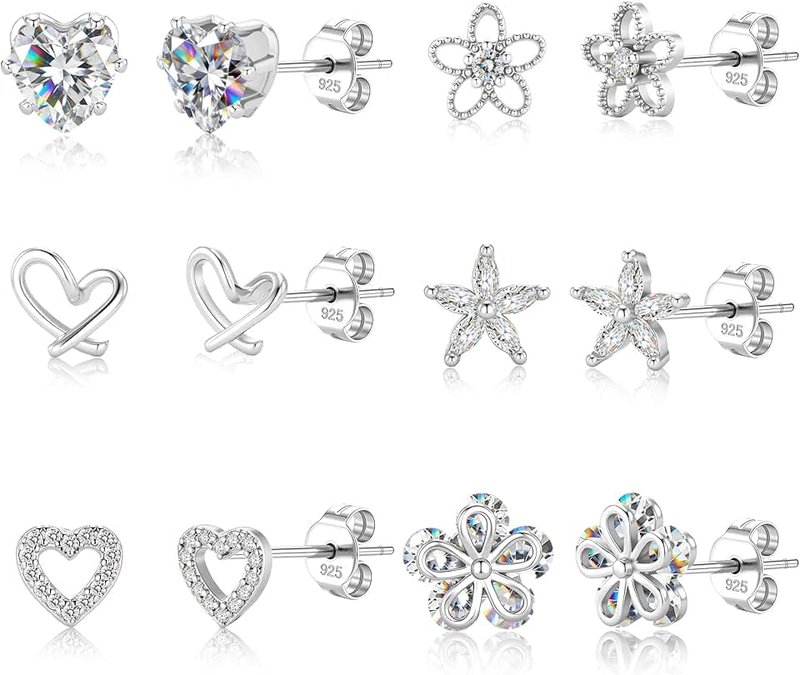
As an Amazon Associate, DreamPigeon earns from qualifying purchases. Prices and availability are accurate as of the date/time indicated and are subject to change.
The Essential Guide to Stud Earrings
Stud earrings are the simplest and most versatile earring style. A single ornament sits directly on the earlobe with no hanging elements — clean, compact, and endlessly adaptable. They’re the first earring most people ever wear and often the pair they reach for most often throughout their life.
The range of stud earring styles is staggering. Round ball studs create a minimalist, unisex look. CZ or diamond studs add sparkle and sophistication. Pearl studs offer classic elegance. Themed studs — stars, hearts, animals, symbols — express personality. Flat-back studs sit flush against the lobe and are the most comfortable for sleeping or phone use. With prices from $9 to $40, studs deliver significant style impact for modest investment.
Stud size is measured in millimetres across the face of the earring. Small studs (3-4mm) are subtle and professional, perfect for conservative workplaces. Medium studs (5-7mm) are the everyday sweet spot — noticeable without being attention-grabbing. Large studs (8mm+) are statement pieces that work well for going out or expressive daily style.
Materials and Settings
Post material determines comfort, especially for people with sensitive ears. Surgical steel and titanium posts are the safest for all skin types. Sterling silver posts suit most people but can cause reactions in the nickel-sensitive. Gold posts (14K+) are hypoallergenic for nearly everyone. Avoid mystery-metal posts on cheap studs — they’re the most common cause of earring-related irritation.
For gemstone or CZ studs, the setting style affects both appearance and security. Prong settings elevate the stone and allow maximum light entry for sparkle, but prongs can catch on clothing and hair. Bezel settings encircle the stone in a smooth metal rim — less sparkle but much more secure and snag-free. Pave settings cluster tiny stones together for a textured, glittering surface.
Backing type matters for both security and comfort. Butterfly backs (the small metal scrolls) are standard but can loosen over time. Screw backs are the most secure and ideal for valuable studs. Push-back silicone disc backs grip firmly and sit comfortably against the lobe — many people find these more comfortable than butterfly backs for all-day wear.
Wearing and Caring for Studs
Studs are the only earring style generally safe to sleep in, provided they have flat backs and are made from body-safe metal. Even so, giving your lobes a break overnight a few times a week promotes healthy piercings.
Clean your stud earrings and your piercings weekly. Soak studs in warm soapy water for five minutes, then gently brush around the setting with a soft brush. Wipe the posts with rubbing alcohol before reinserting. This prevents the buildup of dead skin cells and oils that cause odour and irritation around the piercing.
Store studs in paired compartments or a stud-specific organiser. Losing one earring from a pair is the most common jewellery frustration — a dedicated storage system makes a real difference.
Building a Stud Earring Collection
A well-rounded stud earring collection covers your daily needs with just four or five pairs. Start with a classic pair — small CZ or diamond studs in your preferred metal. Add a pair of pearl studs for elegance and variety. Include a pair of coloured stone studs (birthstone, favourite colour) for personality. Add one or two fun pairs — themed studs, textured gold balls, or statement-sized studs — for weekends and evenings. This compact collection covers every scenario from work presentations to date nights, and each pair earns regular rotation because they serve a distinct purpose in your wardrobe.
What size stud earrings are best for everyday wear?
Studs between 5-7mm are the most versatile for daily wear. They’re visible enough to be noticed but small enough to suit any outfit or setting. Go smaller for conservative workplaces, larger for casual or evening wear.
Can I wear stud earrings in the shower?
Surgical steel and titanium studs can handle occasional shower exposure. Sterling silver and gold-plated studs should be removed to prevent tarnish and plating damage. Make it a habit to remove earrings before bathing for best longevity.
Why do my stud earrings keep falling out?
Loose butterfly backs are the usual culprit. Replace worn backings or switch to screw-back or silicone disc backs for a tighter hold. Earrings can also slip out during sleep if the post is too short for your earlobe thickness.
Are CZ stud earrings a good alternative to diamonds?
Cubic zirconia studs offer excellent sparkle at a fraction of the diamond price. Modern CZ is virtually indistinguishable from diamond to the naked eye. They’re a smart choice for everyday wear since you won’t stress about losing an expensive stone.
What’s the most comfortable stud earring backing?
Flat silicone disc backs are widely considered the most comfortable, as they distribute pressure evenly and sit flush against the lobe. Screw backs are the most secure option and also sit comfortably once tightened to the right position.