

Ruby Earrings
![RIZILIA Dangle Drop Pierced Earrings with Pear Cut CZ [5 Colors available] in White Gold Plated, Simple Modern Elegant](https://www.dreampigeon.com.au/wp-content/plugins/dreampigeon-products/product_images/B0/B07TVBJMRV_0.jpg)
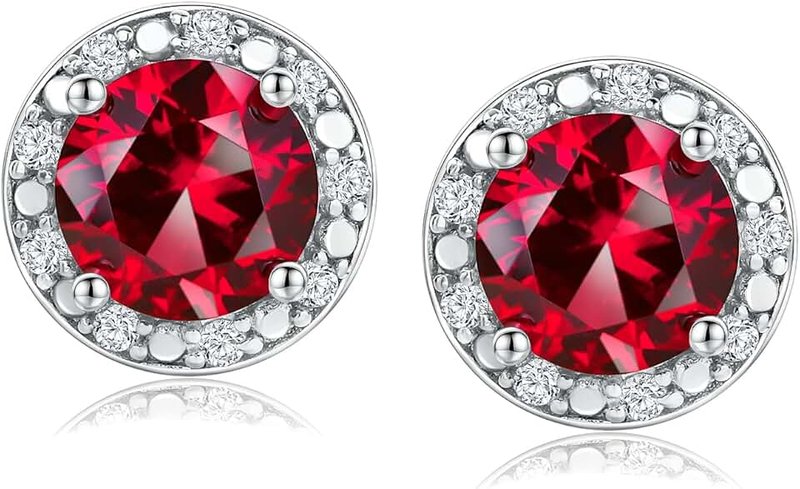
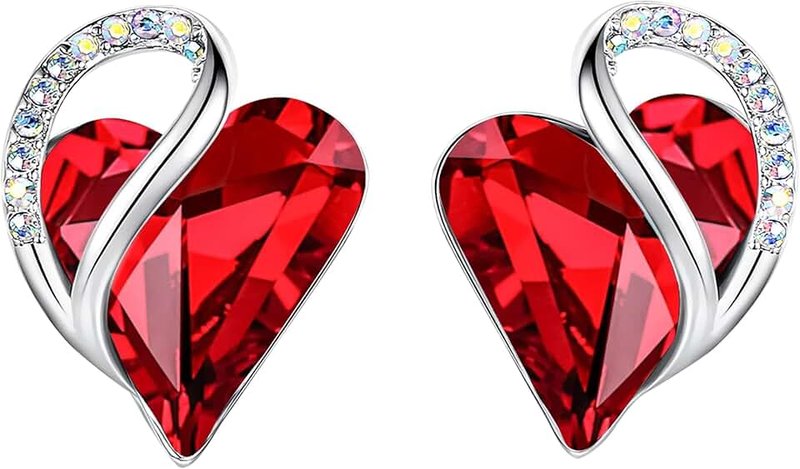
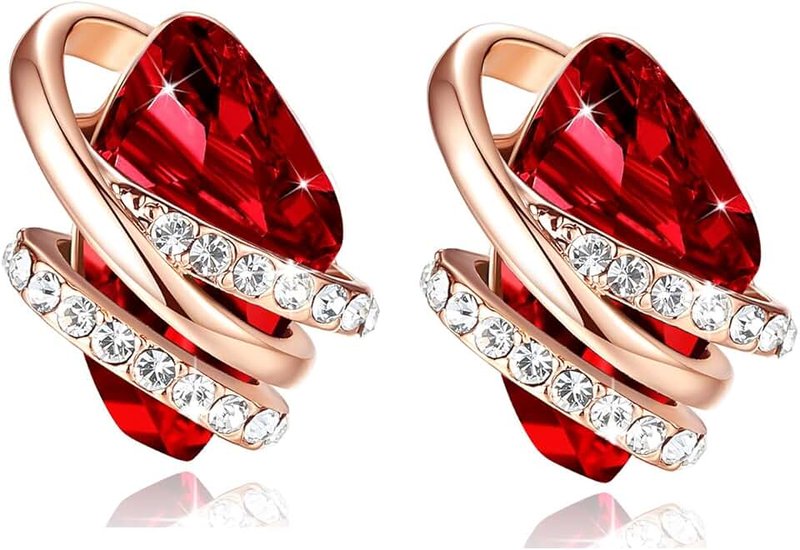
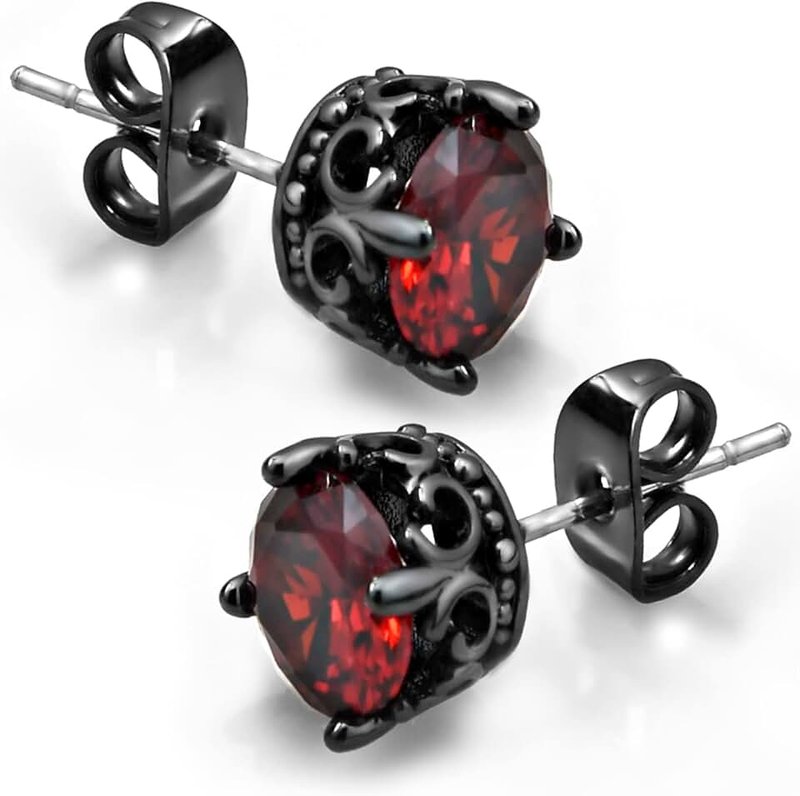
![RIZILIA [RIZILIA CLASSIC] Stud Pierced Earrings with Square Emerald Cut Gemstones CZ [Multi-Colors available] in 18K White Gold Plated, Simple Modern Elegant](https://www.dreampigeon.com.au/wp-content/plugins/dreampigeon-products/product_images/B0/B08L7H1HXC_0.jpg)
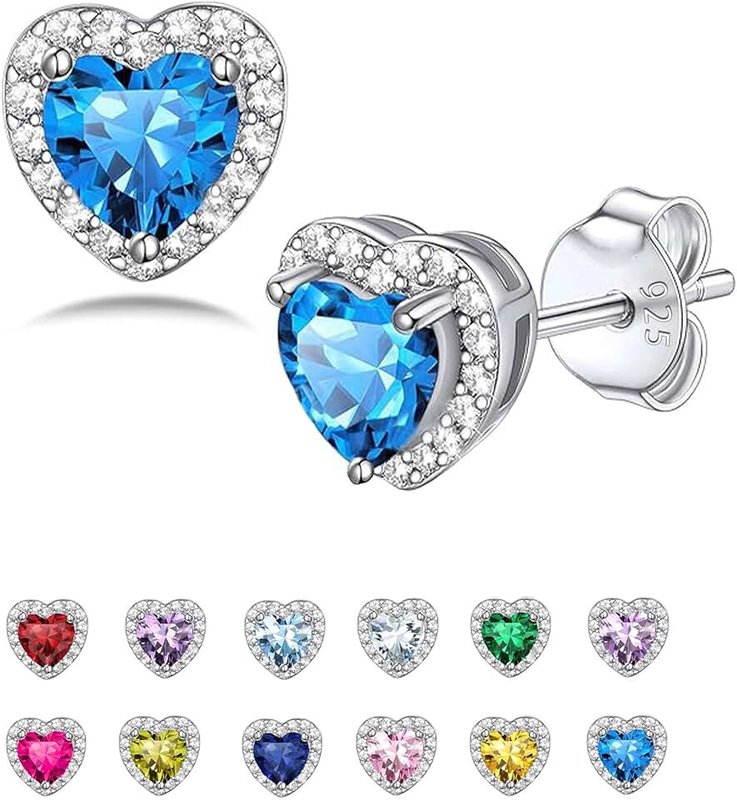
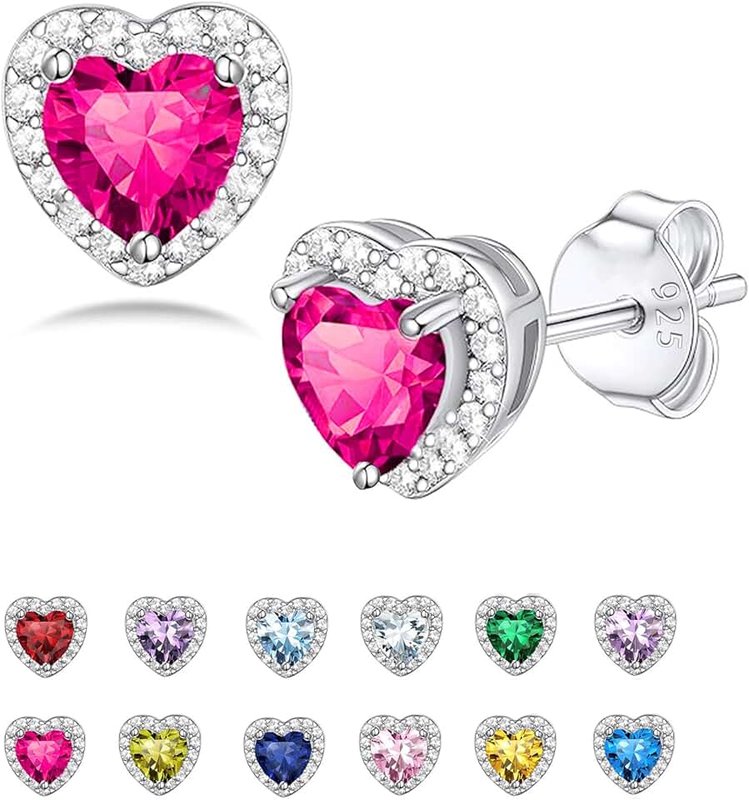
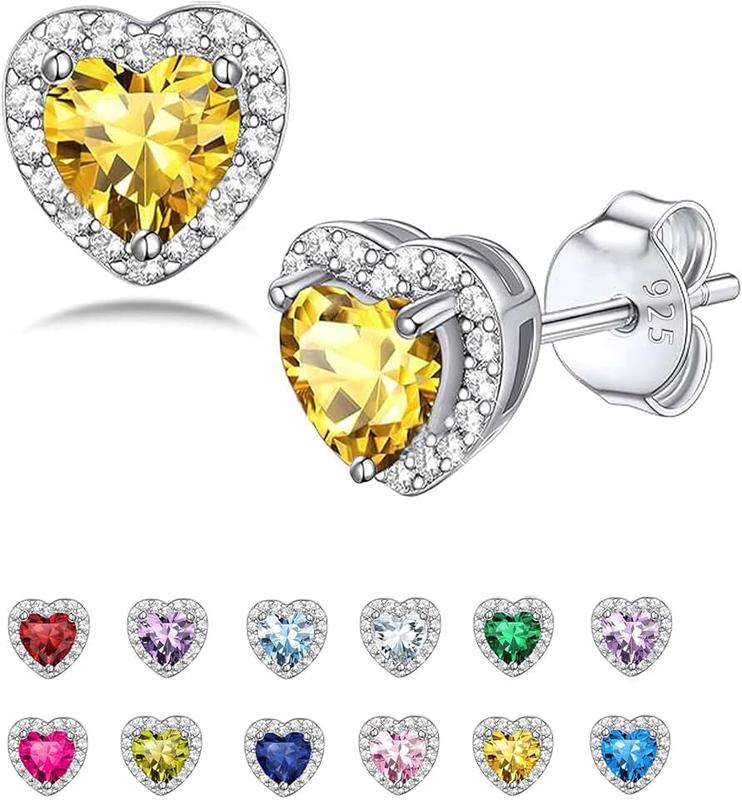
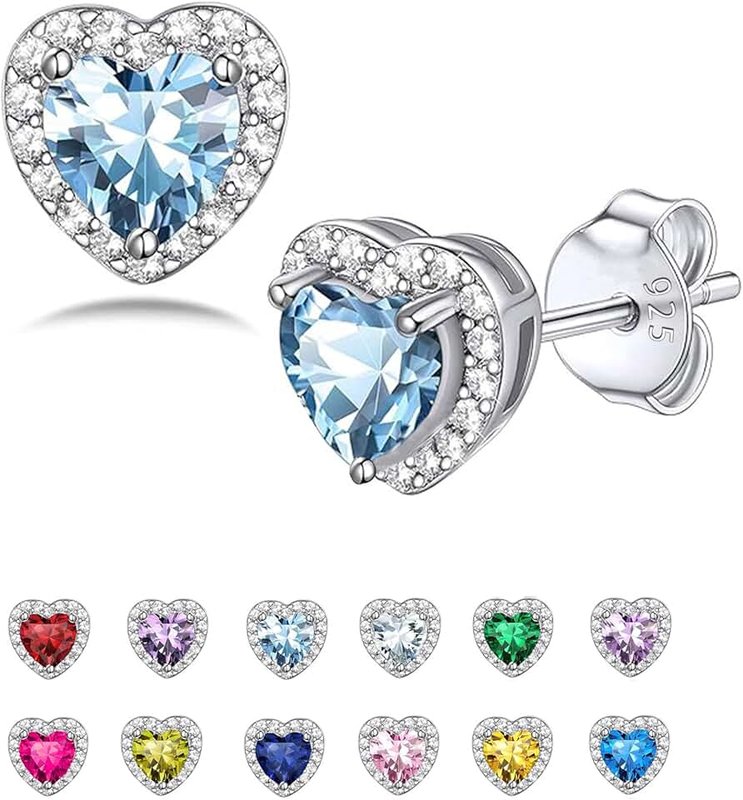
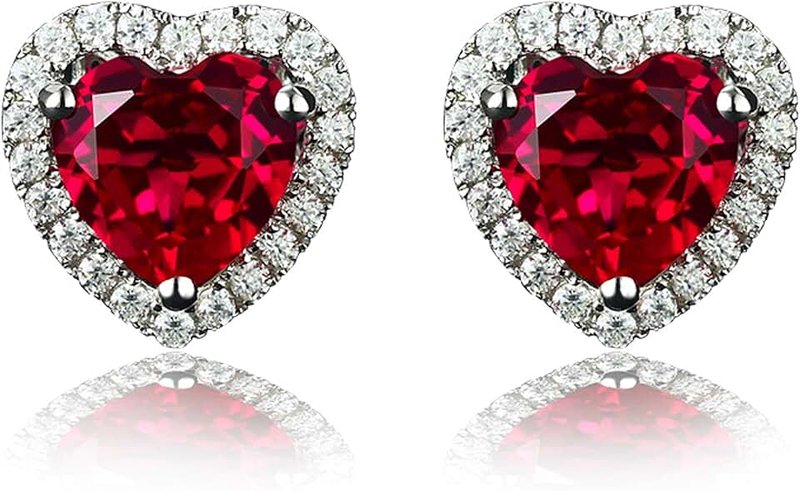
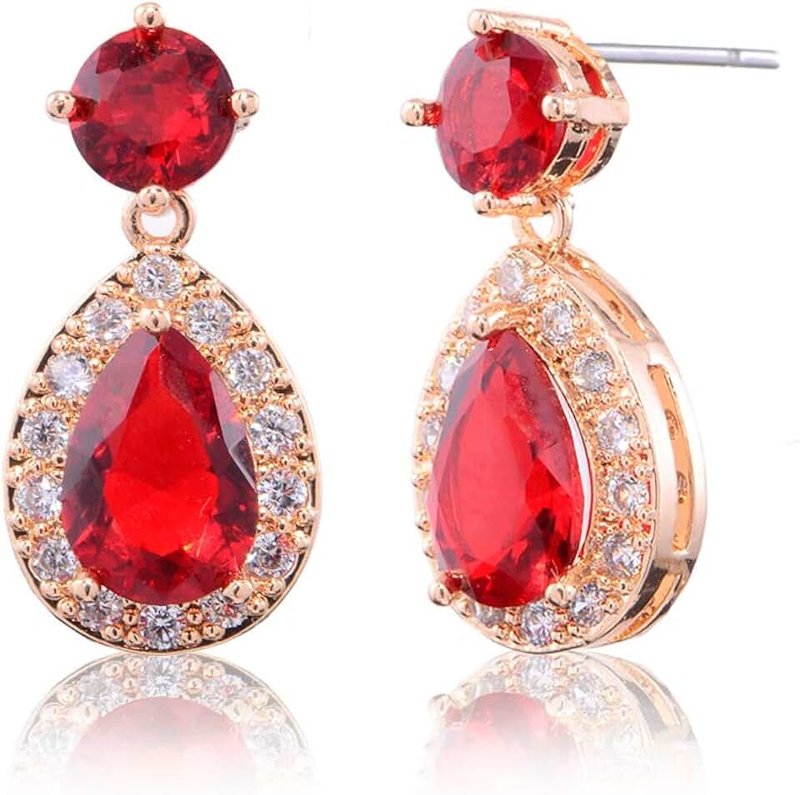
As an Amazon Associate, DreamPigeon earns from qualifying purchases. Prices and availability are accurate as of the date/time indicated and are subject to change.
Buying Ruby Earrings: A practical guide
Ruby earrings command attention. The deep red of a quality ruby is one of the most striking colours in the gemstone world — it signifies passion, power, and protection across virtually every culture. Worn as studs, drops, or hoops, rubies bring a rich warmth to the face that few other stones can match. Understanding how to evaluate ruby quality and settings helps you make a smart purchase.
Ruby Quality Factors
Colour is king for rubies. The most prized shade is a vivid, saturated red with a slight blue undertone — the legendary “pigeon blood” colour from Myanmar (Burma). Lighter pinkish-red rubies are more affordable, while dark brownish-red stones lack the fire that makes rubies special. After colour, clarity matters: rubies almost always contain inclusions (called “silk”), but they should not be visible to the naked eye in earring-sized stones. A few inclusions actually enhance the stone’s character without reducing its beauty.
Natural vs Lab-Created Rubies
Lab-created rubies (grown in a laboratory) are chemically identical to natural rubies. They score the same 9 on the Mohs hardness scale and display the same colour and fire. They cost a fraction of natural rubies and are an excellent option for ruby earrings worn daily. Natural rubies with good colour and minimal treatment are rarer and hold investment value. For the visual impact of ruby earrings, lab-created stones are hard to beat on value.
Treatments
Heat treatment is standard for natural rubies — it improves colour and clarity permanently. This is accepted industry-wide and does not significantly reduce value. Glass-filling (also called fracture-filling) is a more aggressive treatment: lead glass is injected into fractures to improve transparency. Glass-filled rubies are far less durable and much less valuable. Always ask about treatments before purchasing and request a gemmological certificate for significant spending.
Earring Styles
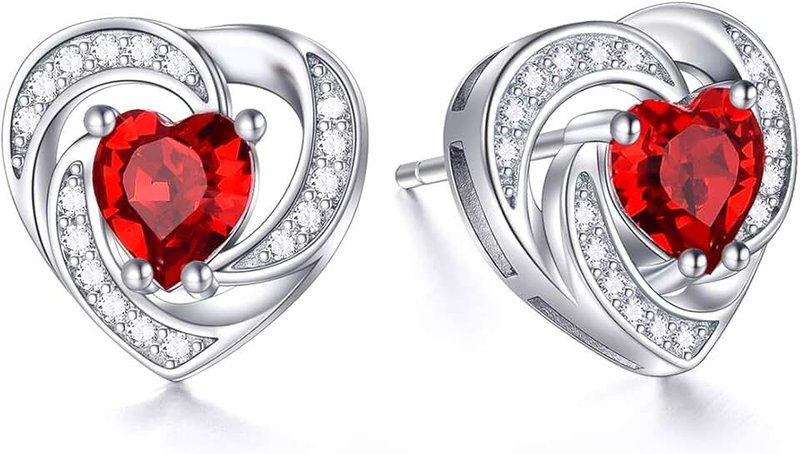
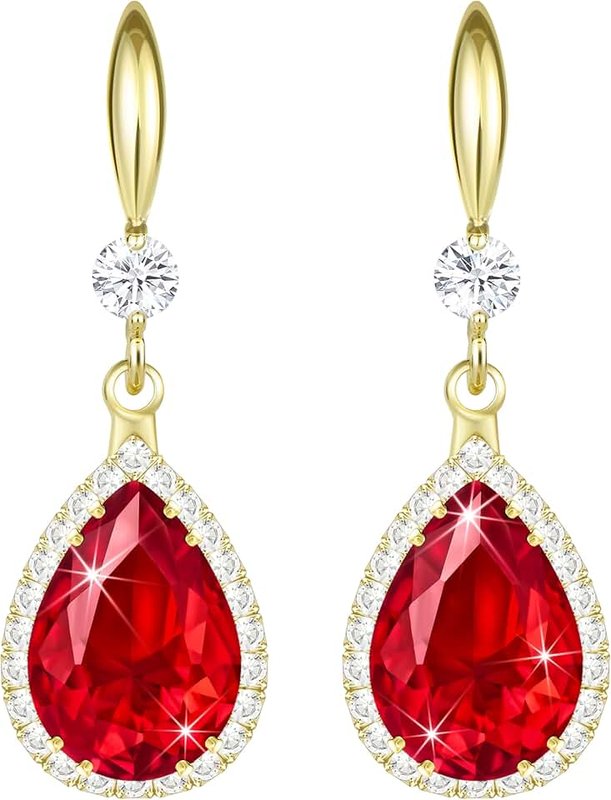
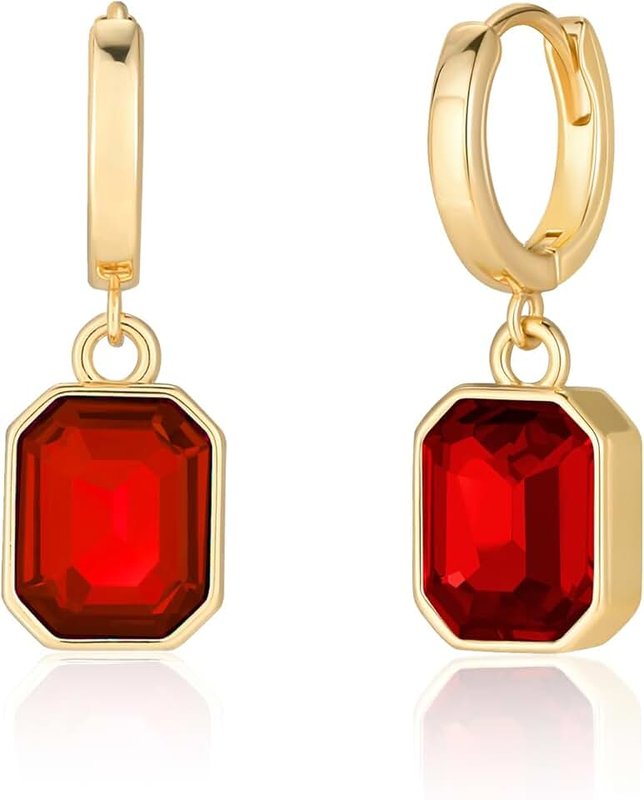
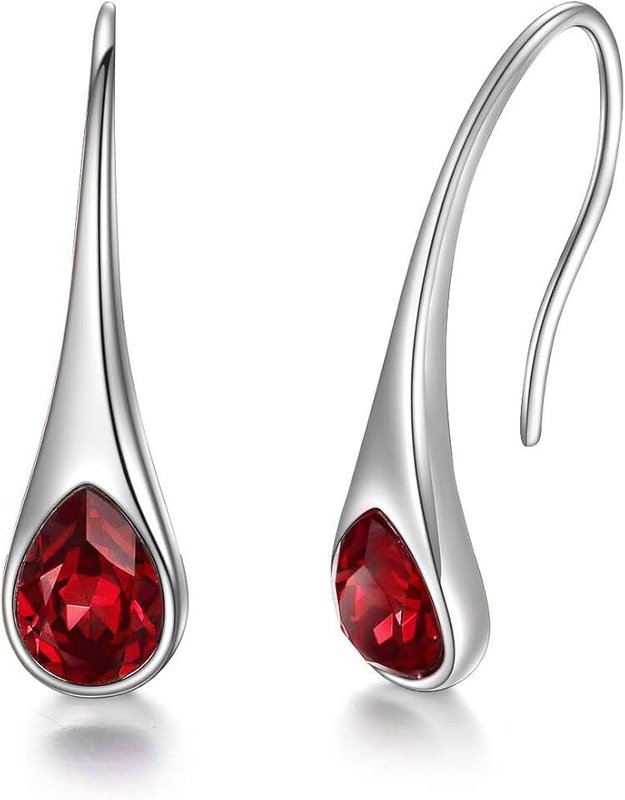
Ruby stud earrings are the most versatile — a single ruby per ear, set in gold or platinum, suitable for everyday through to formal wear. Ruby drop earrings add movement and sophistication. Halo settings surround each ruby with small diamonds, amplifying the stone’s presence. Ruby huggie hoops line the inner face of the hoop with small rubies for a contemporary look. Cluster earrings group multiple rubies for a lush, red statement.
Metal Pairings
Yellow gold is the classic pairing — warm gold against red creates a regal, timeless combination. White gold and platinum provide a modern contrast that makes the ruby’s red appear even more vivid. Rose gold adds a softer, romantic warmth. The ruby’s colour intensity should guide the choice: deeper reds look stunning against any metal, while lighter pinkish rubies benefit from the warmth of yellow or rose gold.
Care
Rubies are very hard (9 Mohs) and handle daily wear well. Clean with warm soapy water and a soft brush. Heat-treated and untreated rubies can tolerate ultrasonic cleaners; glass-filled rubies cannot. Store separately from softer stones to prevent scratching. Remove ruby earrings before applying hairspray or heavy beauty products.
Pricing
Ruby earrings in Australia range from $49 to $747 AUD. Lab-created ruby studs in sterling silver sit at the accessible end. Natural heat-treated rubies in 14k gold occupy the mid-range. High-quality natural rubies in platinum or 18k gold with diamond accents command premium prices.
Are lab-created rubies real rubies?
Yes — lab-created rubies have the exact same chemical composition, crystal structure, hardness, and optical properties as natural rubies. The only difference is their origin: a laboratory instead of the earth. They are genuine ruby, not imitation.
What is the best metal for ruby earrings?
Yellow gold is the traditional and most complementary pairing, enhancing the ruby’s warm red tones. White gold or platinum creates a striking modern contrast. The best choice depends on your skin tone and personal style — all three metals showcase rubies beautifully.
How can I tell if ruby earrings are good quality?
Look for a vivid, saturated red colour without brownish or overly dark tones. The stone should have good clarity — no visible inclusions to the naked eye. Hold the earrings under different light sources to assess colour consistency. Request a gemmological certificate for natural rubies.
Can I wear ruby earrings every day?
Absolutely. Rubies score 9 on the Mohs hardness scale, making them exceptionally scratch-resistant — second only to diamonds. They are one of the most durable gemstones for everyday earrings. Just avoid exposing glass-filled rubies to chemicals or extreme heat.
Do rubies fade over time?
Natural and heat-treated rubies do not fade. Their colour is permanent and stable. Glass-filled rubies can lose transparency if the glass filling is damaged by chemicals, heat, or ultrasonic cleaning, but the ruby material itself does not change colour.