

Cartilage Earrings
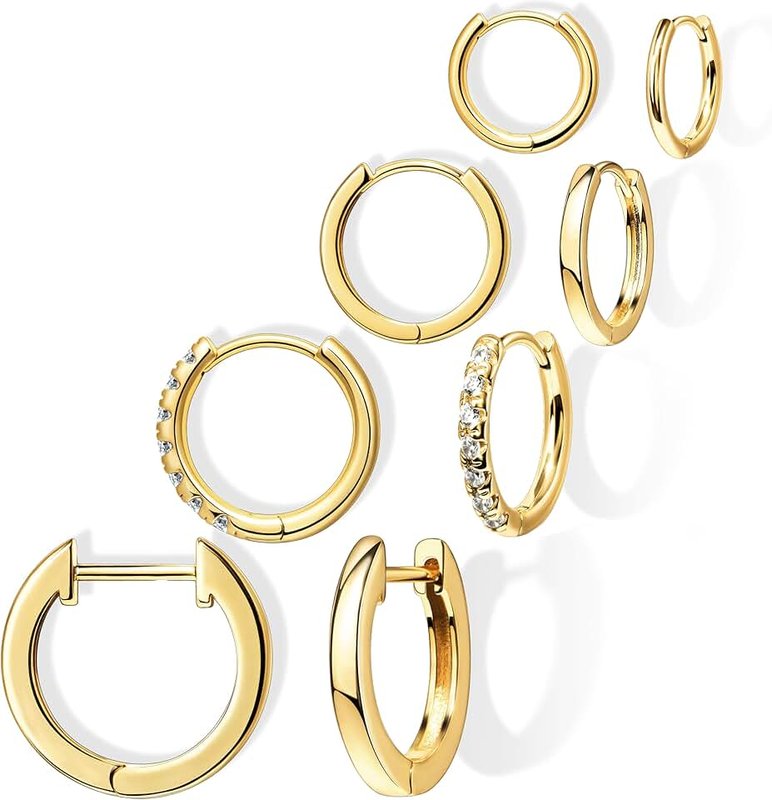
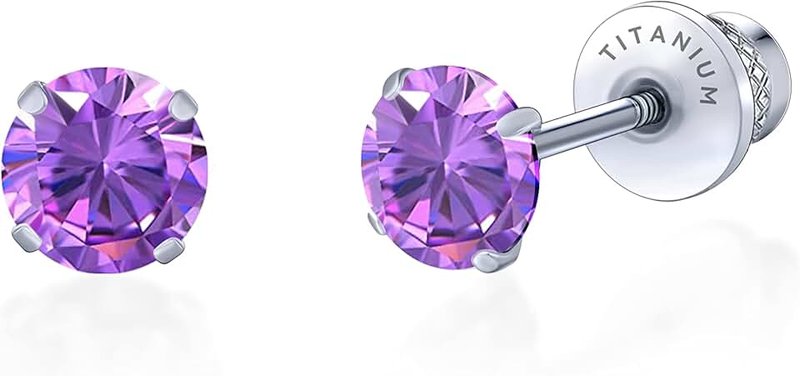
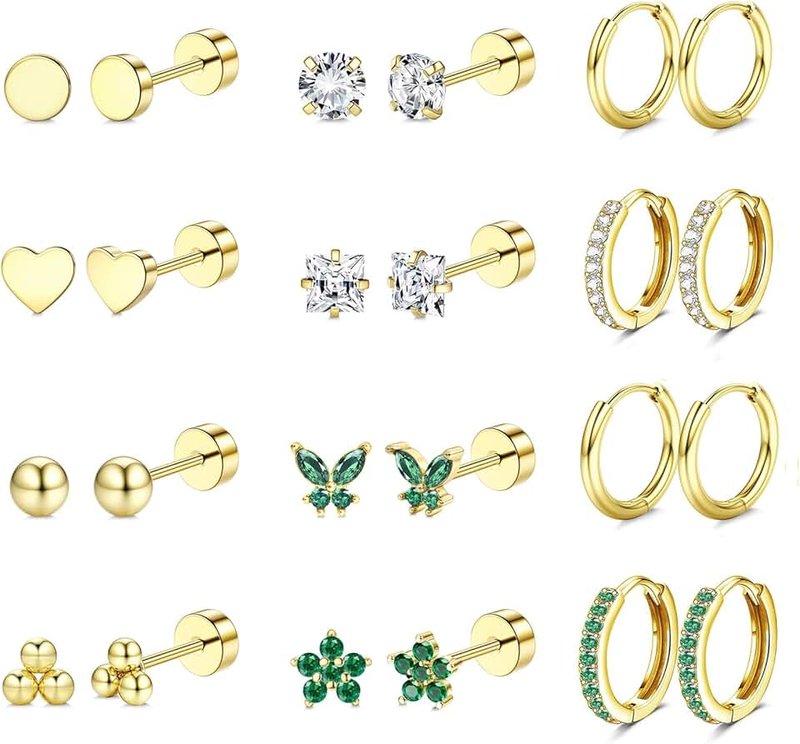
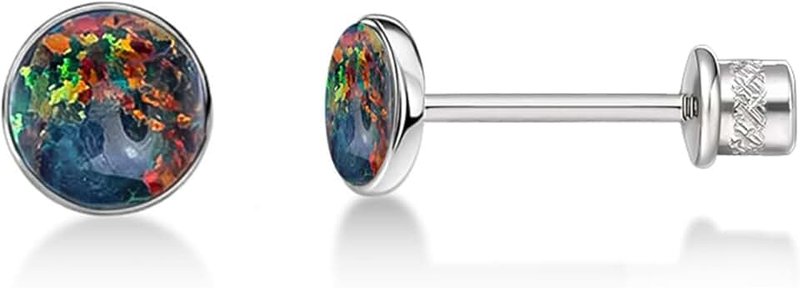
limerencia Hypoallergenic G23 Implant Grade Titanium Screw...
$25.99 $22.09 (15% off)
View on Amazon
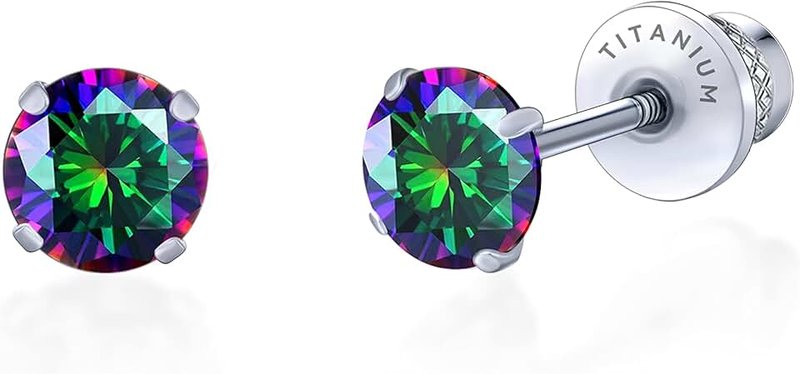
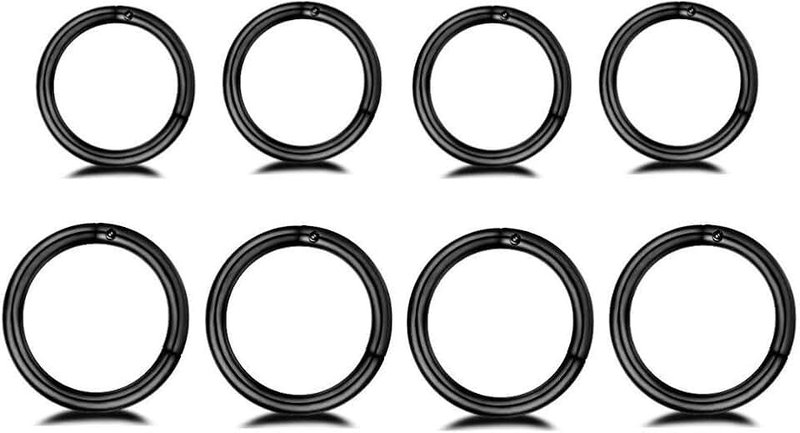
limerencia Hypoallergenic G23 Implant Grade Titanium Screw...
$25.99 $22.09 (15% off)
View on Amazon
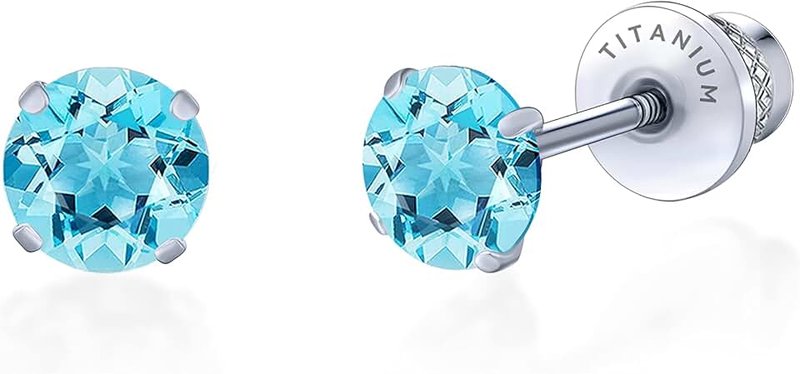
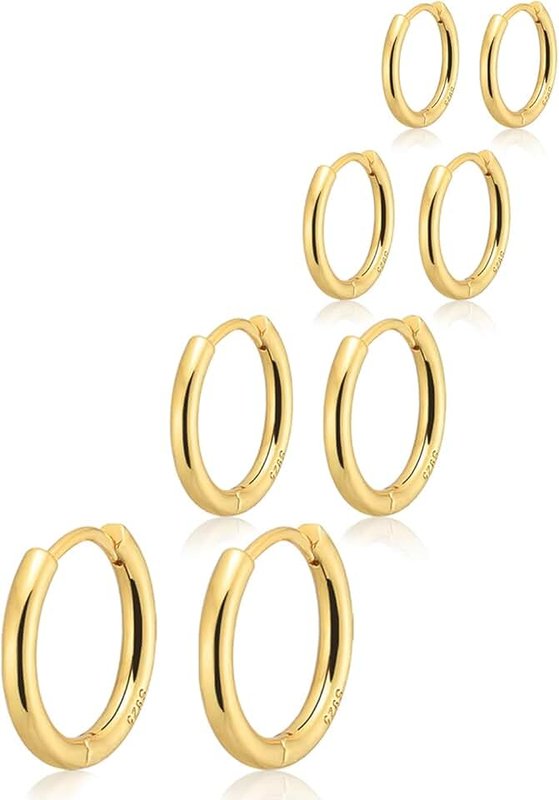
limerencia Hypoallergenic G23 Implant Grade Titanium Screw...
$25.99 $22.09 (15% off)
View on Amazon
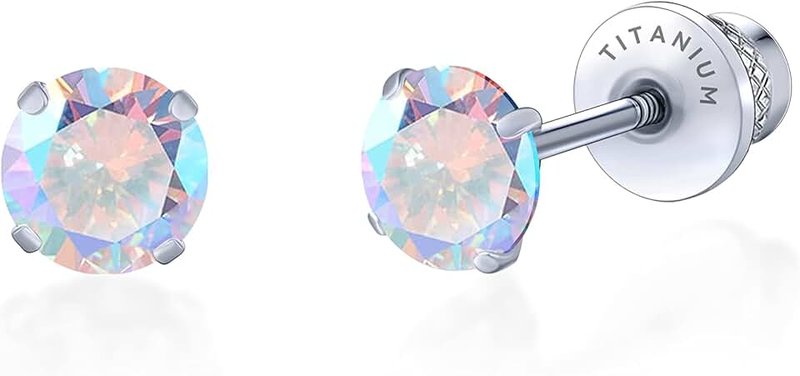
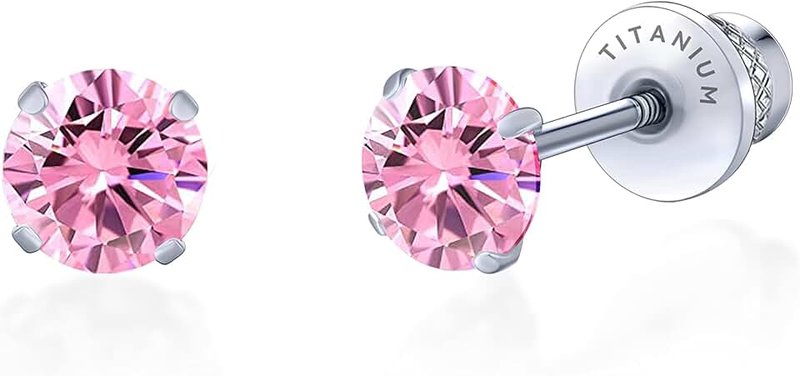
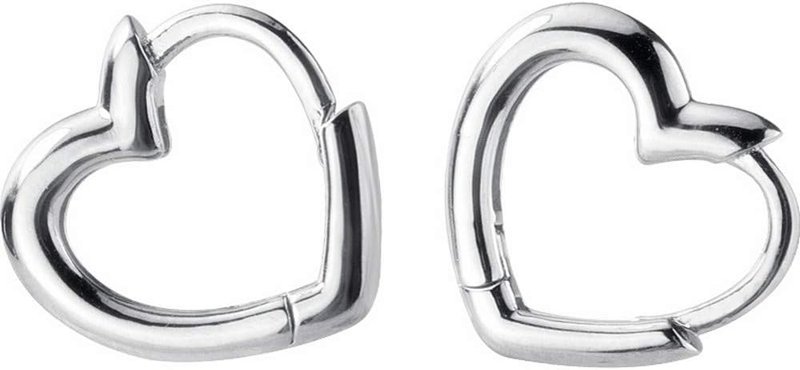
limerencia Hypoallergenic G23 Implant Grade Titanium Screw...
$25.99 $22.09 (15% off)
View on Amazon
limerencia Hypoallergenic G23 Implant Grade Titanium Screw...
$25.99 $22.09 (15% off)
View on Amazon
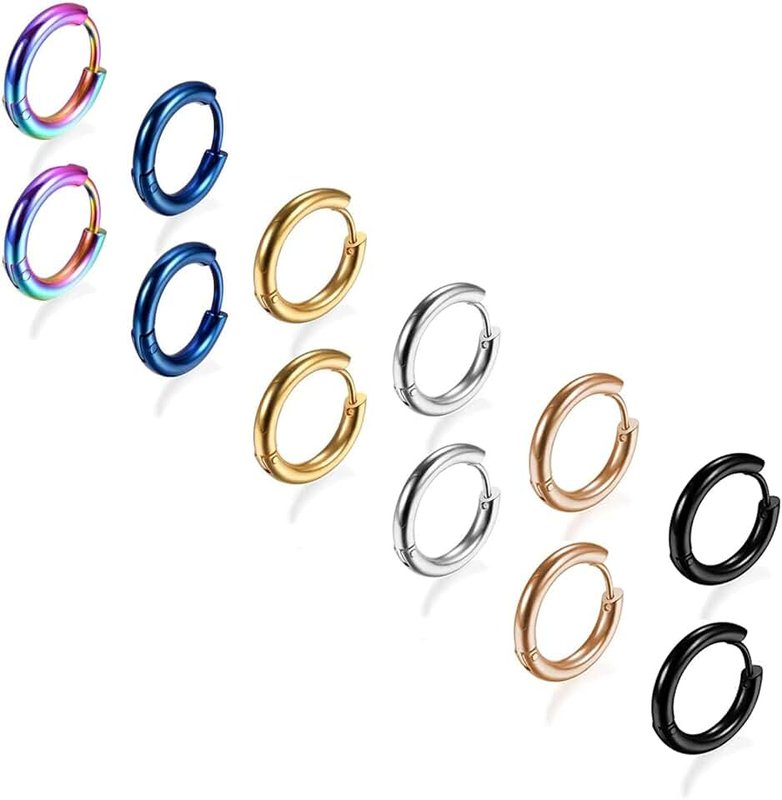
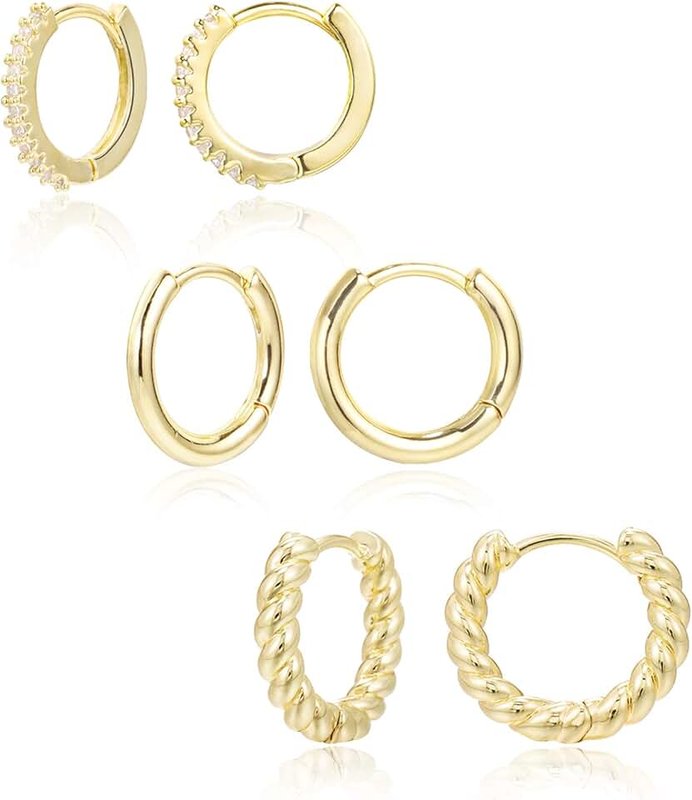
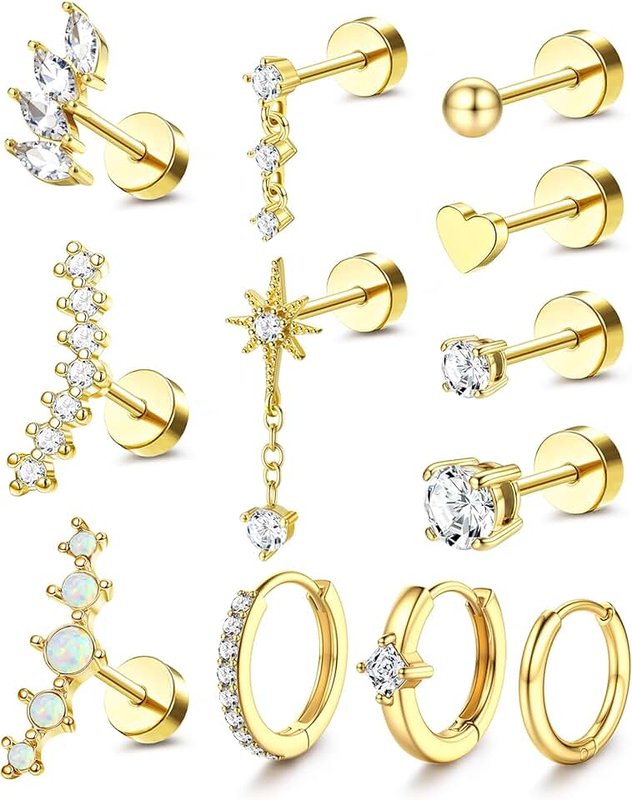
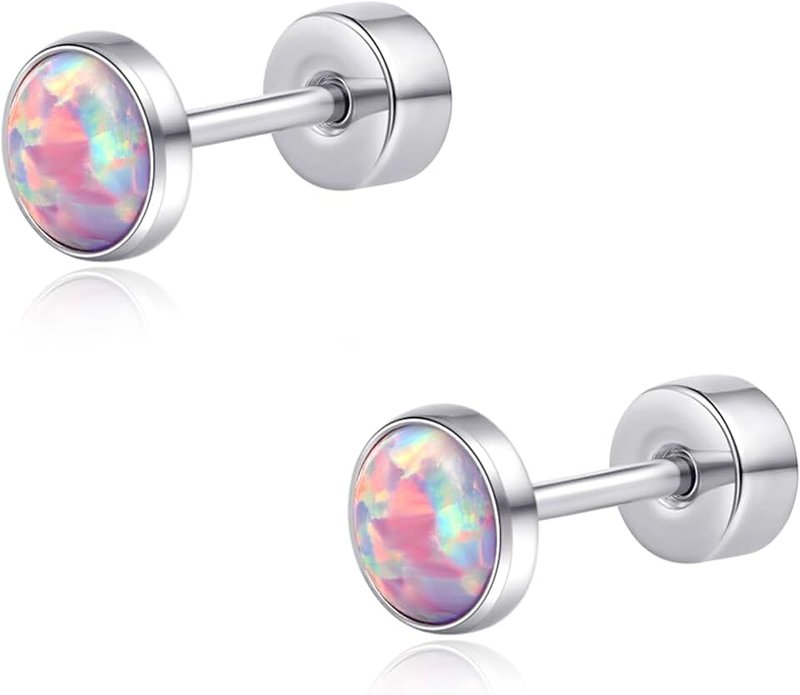
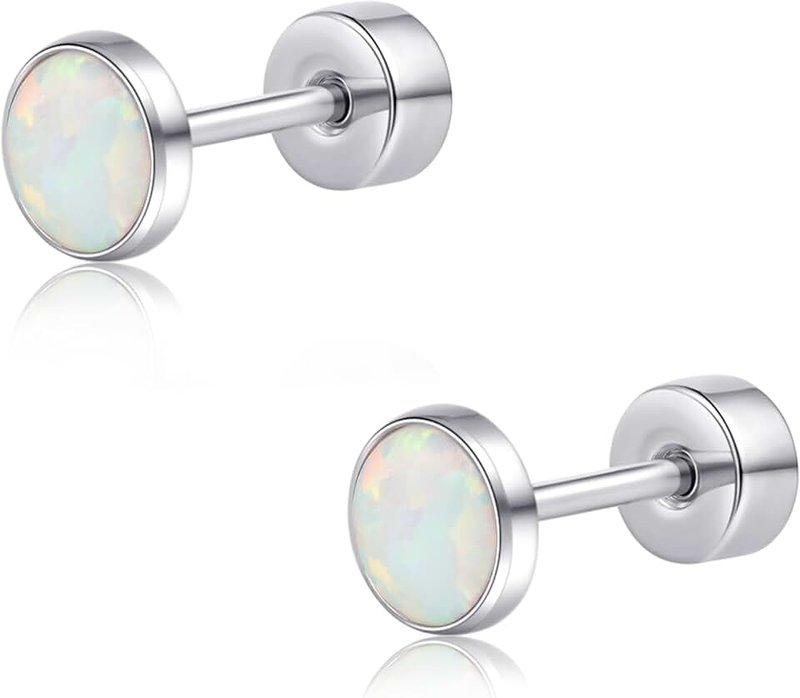
As an Amazon Associate, DreamPigeon earns from qualifying purchases. Prices and availability are accurate as of the date/time indicated and are subject to change.
Choosing Earrings for Cartilage Piercings
Cartilage piercings — helix, tragus, conch, rook, daith, and industrial — have become one of the most popular forms of self-expression in Australia. The upper ear offers multiple piercing positions, each accommodating different earring styles for a curated, personalised ear arrangement. Cartilage earrings are available from $11 to $42.
The most critical consideration for cartilage earrings is the gauge. Most cartilage piercings are done at 16 gauge (1.2mm), though some piercers use 18 gauge (1mm) for helix and tragus placements. Wearing the wrong gauge causes problems — too thin and the earring doesn’t sit right, too thick and it won’t fit through the piercing. Know your gauge before shopping.
Material selection for cartilage piercings follows the same rules as any body piercing, just more strictly. Implant-grade titanium (ASTM F136) is the gold standard. Surgical steel (ASTM F138) is a close second. 14K solid gold works well for healed piercings. Avoid sterling silver, plated metals, and anything not specifically graded for body piercings — cartilage takes longer to heal than earlobes and is more prone to complications from reactive metals.
Earring Styles by Piercing Type
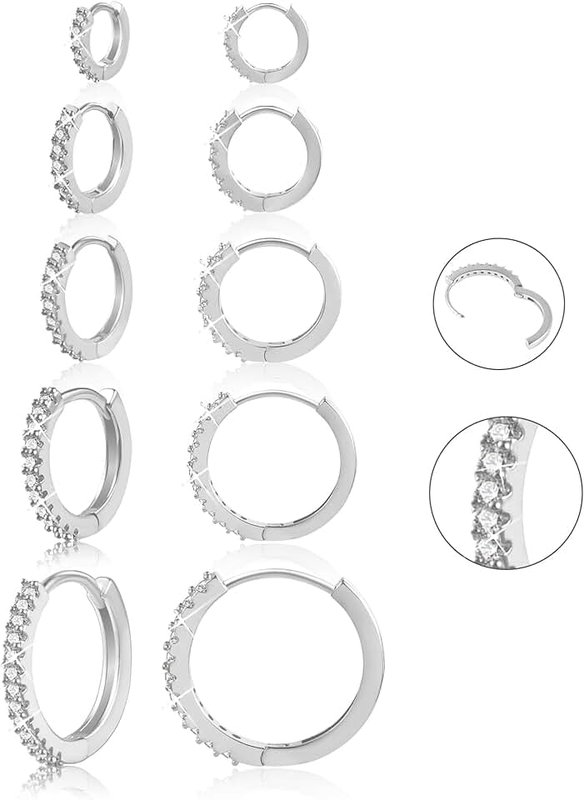
Helix piercings (upper outer ear) suit small hoops, huggies, and flat-back studs. CZ studs create a constellation effect when placed in groups. Tiny hoops (6-8mm) are a popular helix choice — they frame the ear’s curve beautifully.
Tragus piercings (the small flap in front of the ear canal) work best with flat-back labret studs. The flat back sits comfortably against the ear canal side, while the decorative front shows on the tragus. Tiny gemstones, opals, and minimalist discs are popular tragus designs.
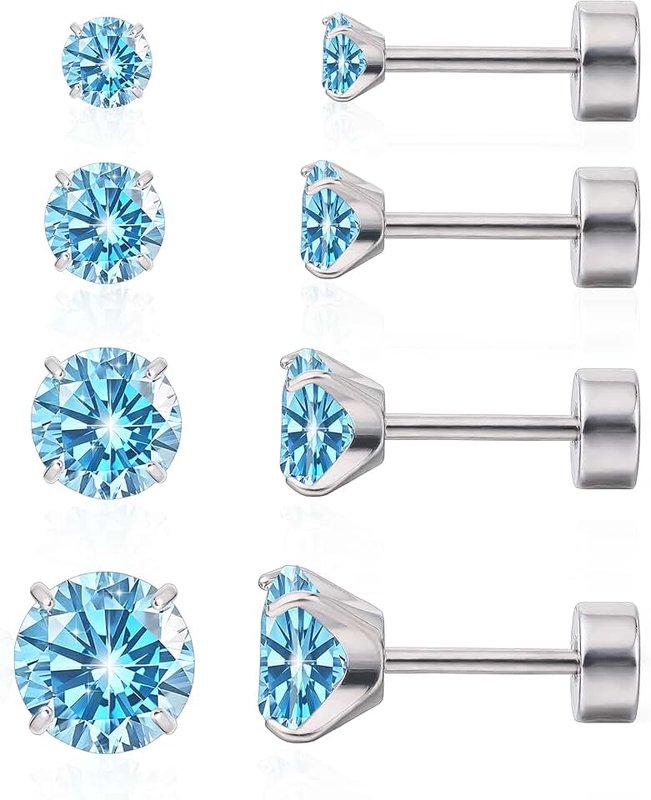
Conch piercings (the flat inner cup of the ear) accommodate both studs and hoops. A CZ stud in the conch adds a central sparkle point. A snug-fitting hoop that wraps around the outer edge of the ear creates a bold, modern look. Conch hoops typically need a larger diameter (10-12mm) than helix hoops.
Healing and Aftercare
Cartilage piercings take 3-12 months to fully heal, depending on the location and your body’s healing rate. During this time, stick with the initial jewellery your piercer inserted — typically an implant-grade titanium flat-back labret. Don’t change earrings during healing unless directed by a piercer.
Clean the piercing twice daily with sterile saline solution (0.9% sodium chloride). Avoid touching the piercing with unwashed hands, sleeping on it, and snagging it on clothing or headphones. Healing cartilage piercings are susceptible to irritation bumps — these usually resolve with consistent aftercare and patience. If a bump persists beyond a few weeks, consult your piercer.
Once healed, cartilage piercings are low-maintenance but shouldn’t be left empty for extended periods. Cartilage piercings can close surprisingly fast — even after years, going without jewellery for a few days can shrink the piercing significantly. Keep a simple stud in any cartilage piercing you want to maintain.
Building a Curated Ear with Cartilage Jewellery
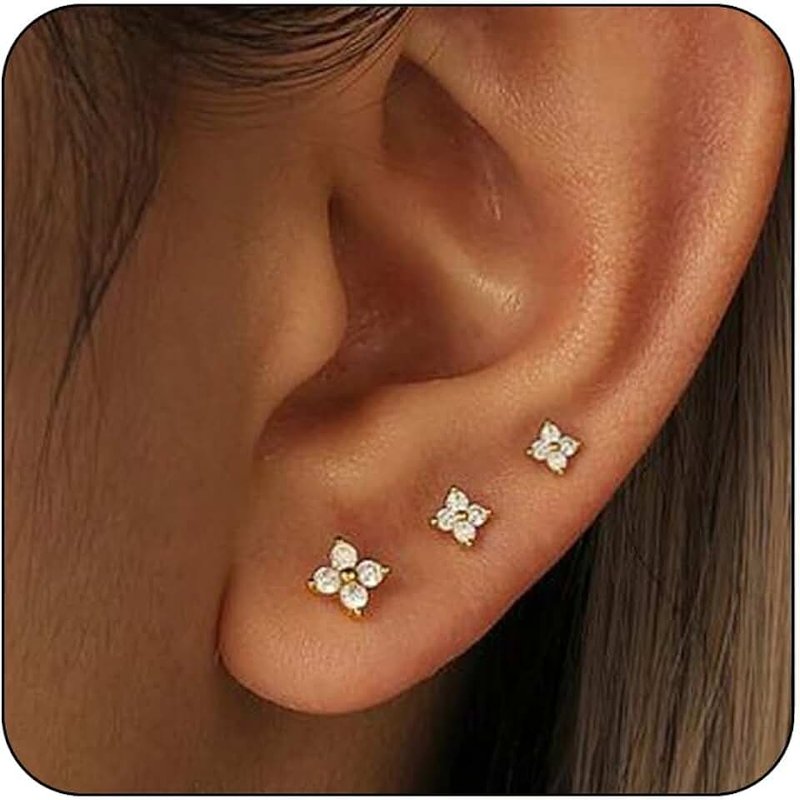
The curated ear — a deliberately arranged combination of piercings and earrings across the ear — has become one of the biggest jewellery trends in Australia. Professional piercers now offer consultation services to plan placement and jewellery combinations that create a cohesive, balanced look. Start with one or two piercings and build over time, adding new positions once existing ones have fully healed. Mixing stud sizes, small hoops, and different stone colours creates visual interest, while keeping all pieces in the same metal tone ties the arrangement together into a unified composition.
What gauge are most cartilage earrings?
Most cartilage piercings use 16 gauge (1.2mm) jewellery. Some piercers use 18 gauge (1mm) for certain placements. Always confirm your gauge with your piercer before buying cartilage earrings, as the wrong size causes irritation and poor fit.
When can I change my cartilage piercing earring?
Wait until the piercing is fully healed before changing jewellery — typically 3-6 months for a helix, 6-12 months for a tragus or conch. Changing too early disrupts healing and increases infection risk. Have your piercer confirm healing before swapping.
Can I sleep on a cartilage piercing?
Avoid sleeping directly on a cartilage piercing during healing — pressure causes irritation bumps and extends healing time. Use a travel pillow with your ear in the hole, or train yourself to sleep on the opposite side. Once fully healed, sleeping on the piercing is generally fine.
Why does my cartilage piercing have a bump?
Irritation bumps form from pressure, snagging, sleeping on the piercing, or reactive jewellery. They usually resolve with consistent saline cleaning, avoiding trauma to the area, and ensuring your jewellery is implant-grade material. Persistent bumps warrant a visit to your piercer.
What’s the most popular cartilage earring style?
Flat-back labret studs with CZ or opal tops are the most versatile and popular. They sit flat against the ear, work in most cartilage positions, and come in endless decorative designs. Tiny hoops (6-8mm) are the second most popular, especially for helix piercings.