

Key Necklace
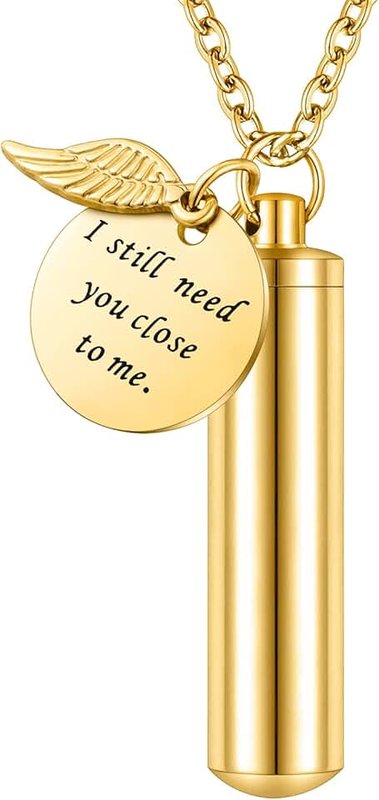
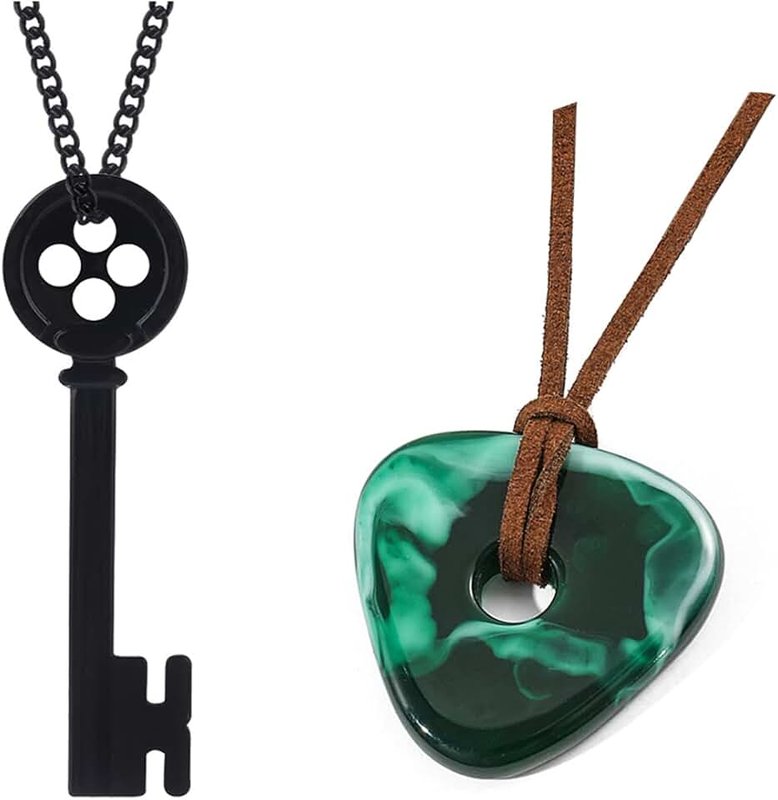
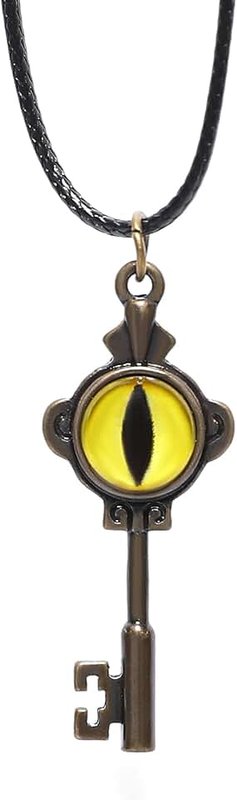
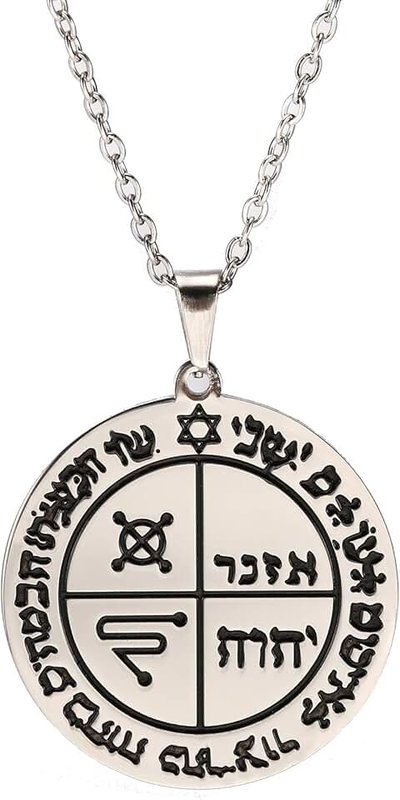
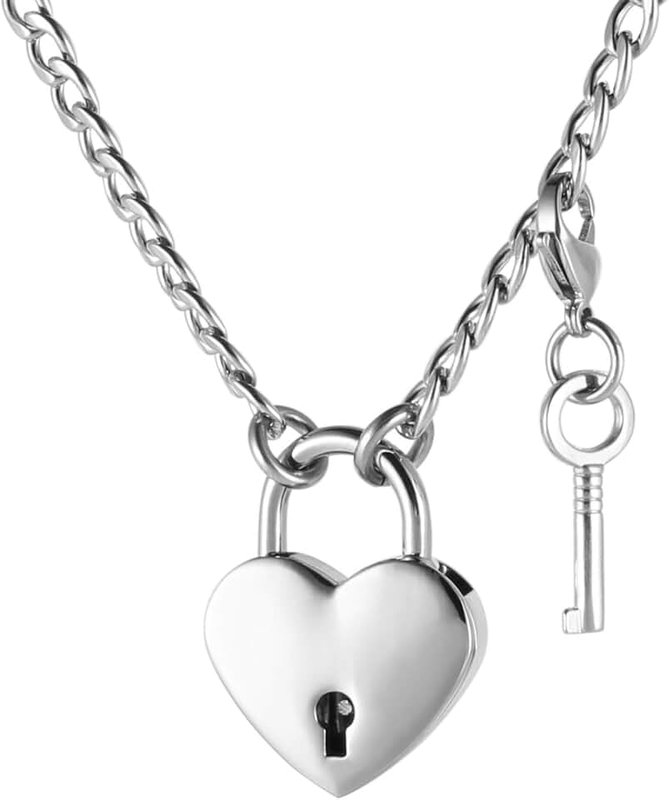
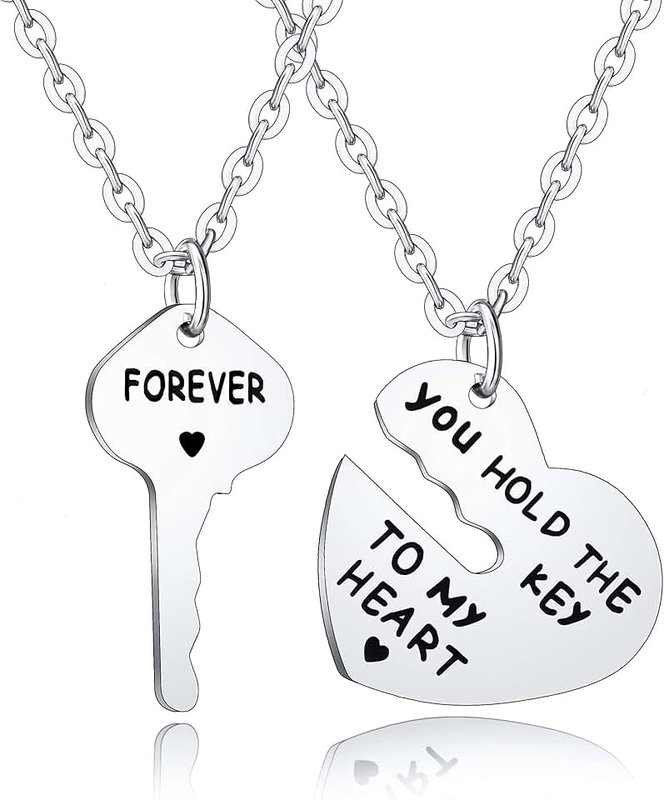
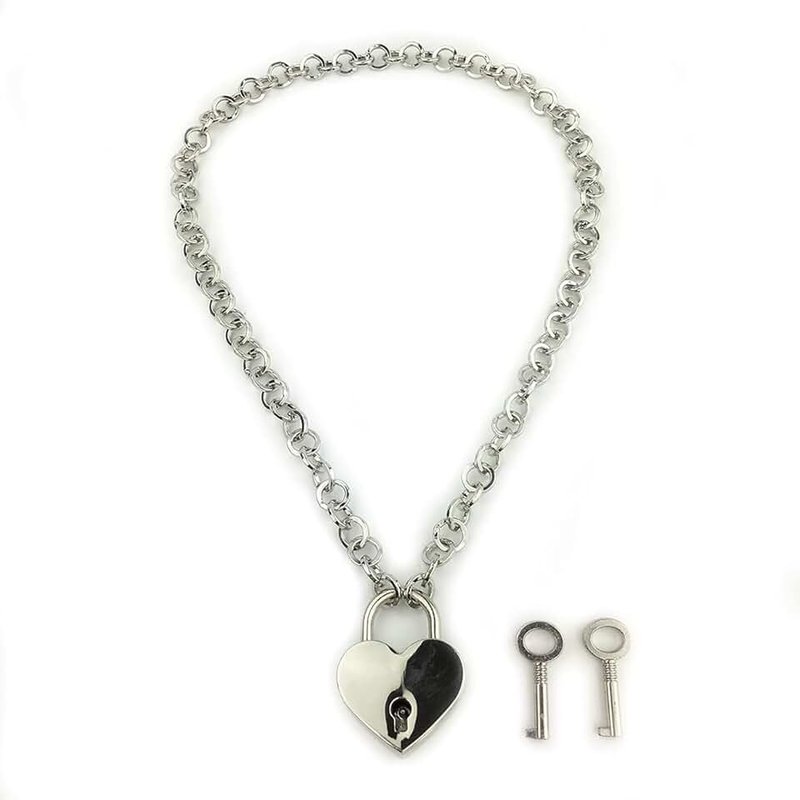
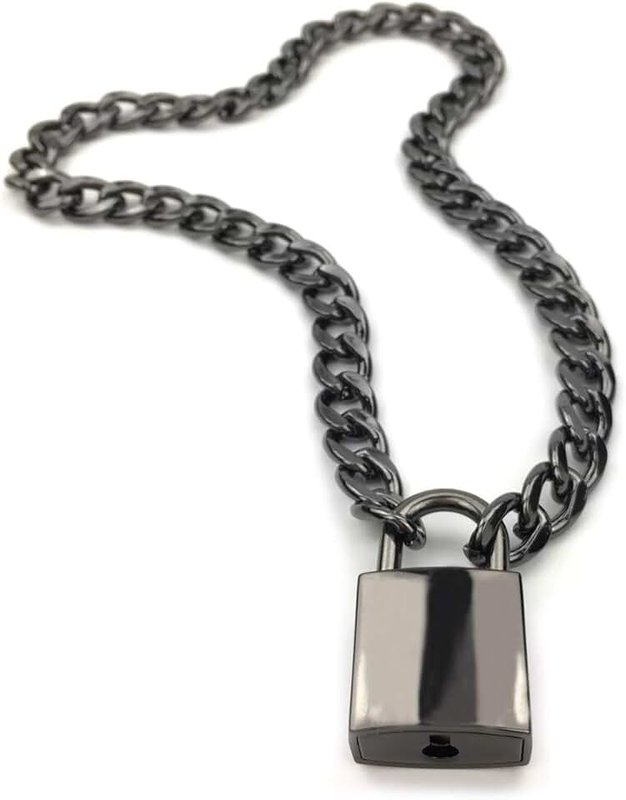
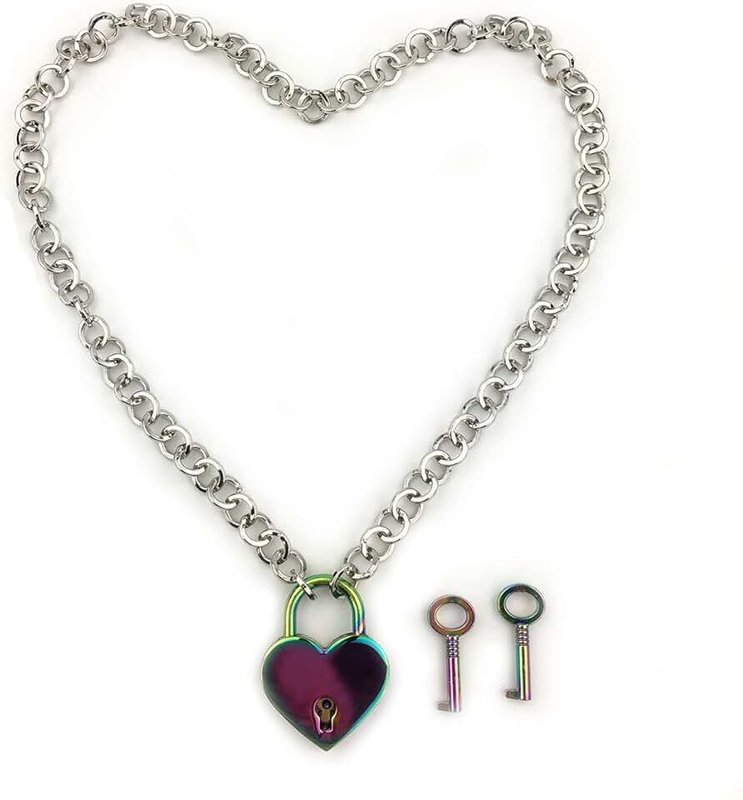
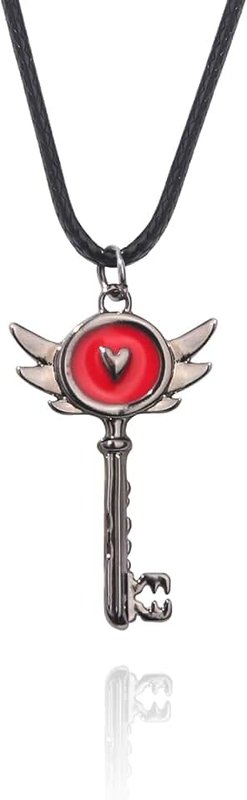
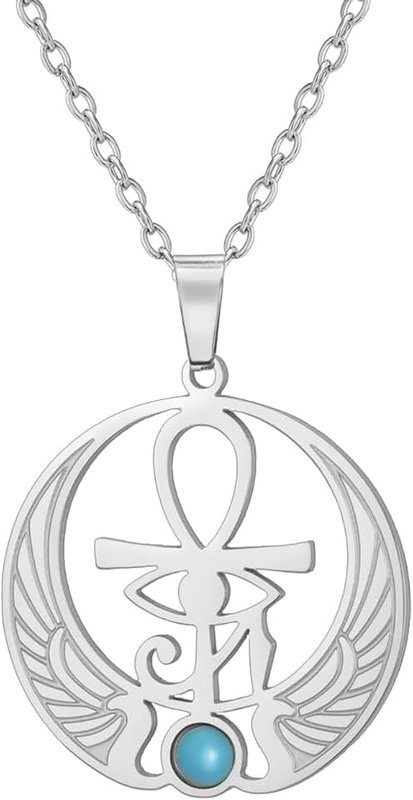
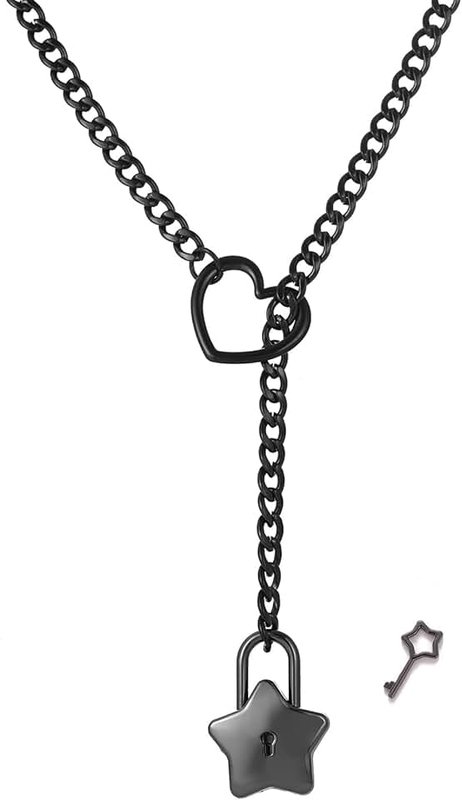
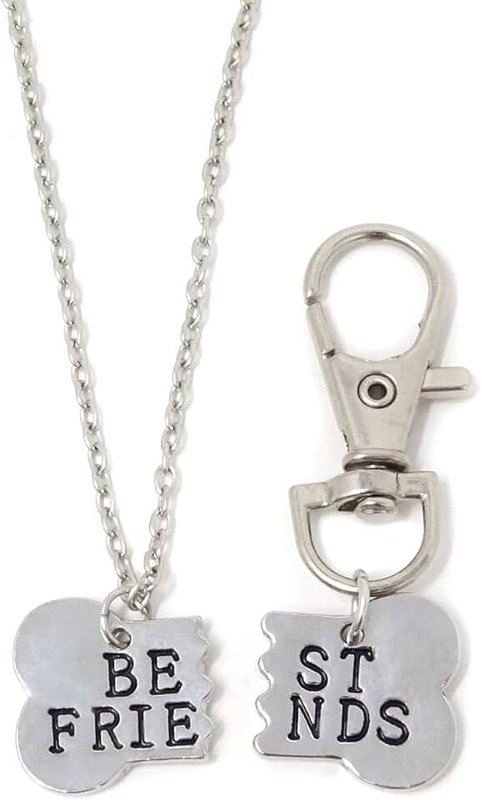
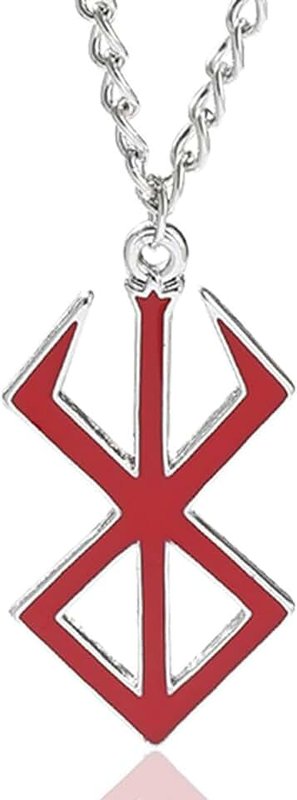
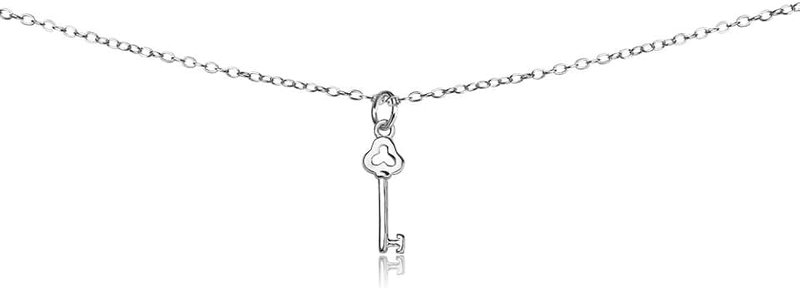
As an Amazon Associate, DreamPigeon earns from qualifying purchases. Prices and availability are accurate as of the date/time indicated and are subject to change.
How to Choose the Right Key Necklace: A Buyer’s Guide for Australians
A key necklace has been a staple of personal jewellery for centuries — and for good reason. It carries genuine symbolic weight: unlocking potential, opening new chapters, holding secrets close. But beyond the symbolism, a key pendant necklace is one of the more versatile pieces you can own. Wear it solo for a clean, minimalist look, or layer it with other chains. The trick is knowing what to look for so you don’t end up with something flimsy that tarnishes after three wears.
Metal Type: Where to Start
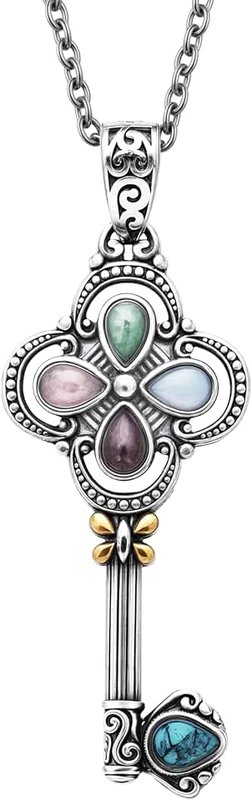
The metal you choose determines both the longevity and the look of your key pendant. A sterling silver key necklace is the most popular option for everyday wear — it’s durable, hypoallergenic for most people, and sits at an accessible price point. Genuine sterling silver (marked 925) holds up far better than silver-plated options, which will show wear within months. Expect to pay anywhere from 0 to 50 AUD for a quality sterling silver key pendant necklace from a reputable jeweller.
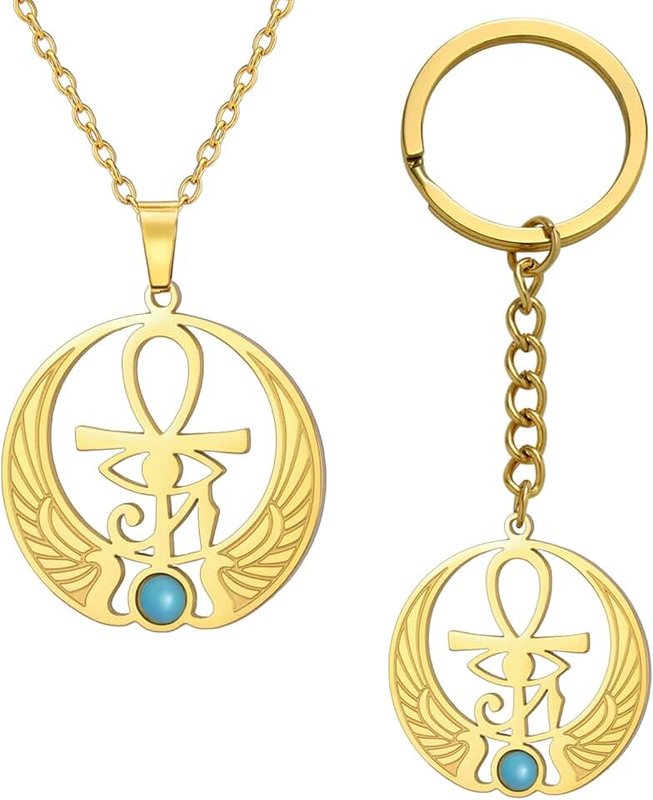
If you’re leaning warmer in tone, a gold key necklace makes a striking statement. Solid 9ct or 18ct gold versions start around 00 AUD and climb steeply depending on weight and craftsmanship. Gold-filled key necklaces sit in the middle ground — more durable than plated, less expensive than solid gold — and are worth considering if you want that key necklace gold look without the full price tag.
Choosing the Right Style of Key
Not all key necklaces are created equal, and the style of the key itself changes the whole feel of a piece.
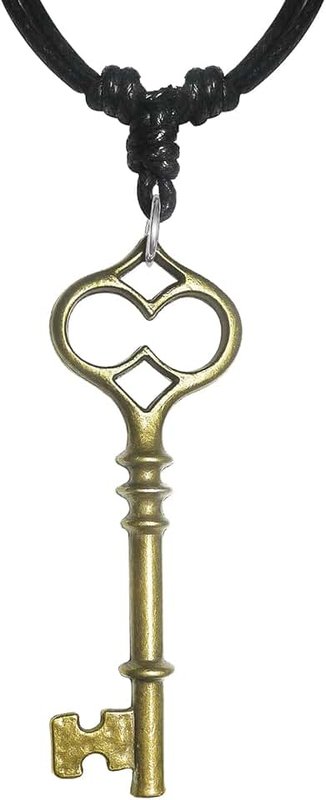
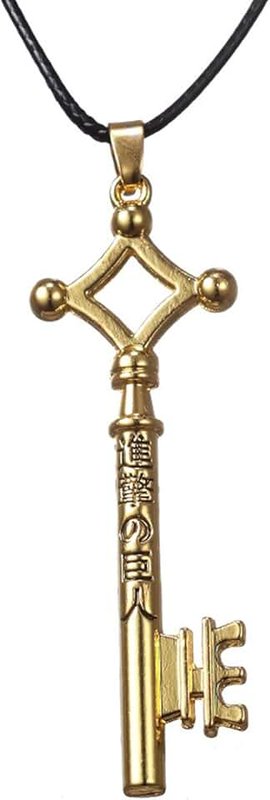
A skeleton key necklace is the most romantic and vintage-leaning option. The ornate bow (the top loop) and decorative bit (the bottom teeth) give it an antique, heirloom quality. These suit stacking with pearls or delicate chains and work particularly well in silver. If you want something with a heritage feel, this is your pick.
Modern minimalist key pendants strip everything back — a simple, clean silhouette with little embellishment. These translate well in both key pendant silver and gold finishes and suit contemporary wardrobes. They’re also easier to layer without looking cluttered.
For something with a distinctly Mediterranean or architectural edge, consider greek key jewellery. The Greek key (or meander) pattern is a repeating geometric motif that appears along pendant frames and chain links — it’s a different interpretation of the “key” aesthetic but unmistakably connected. This style tends to suit bolder chain designs and looks particularly strong in yellow gold.
Chain Length and Weight
A key pendant necklace needs the right chain to hang properly. A pendant with any real weight — say a larger skeleton key — will pull and twist on a delicate 1mm cable chain. Go for at least a 1.5mm to 2mm chain if your key pendant has some heft to it. For a lightweight key pendant silver piece, a fine chain works beautifully and keeps the whole look airy.
Chain length is largely personal, but 45cm sits at the collarbone and suits most necklines, while 50–60cm drops to the chest and works well with open necklines or layering. Key necklaces at longer lengths tend to read more bohemian; shorter lengths feel more refined.
Occasion and Layering
Key jewelry transitions naturally from day to night, which is part of its appeal. A single silver key necklace on a fine chain works in a professional setting; pile it with two or three other necklaces of varying lengths and it becomes weekend wear instantly. If you’re building a layered look, mix a key necklace silver with a plain chain and perhaps a small charm or coin pendant for variation in shape.
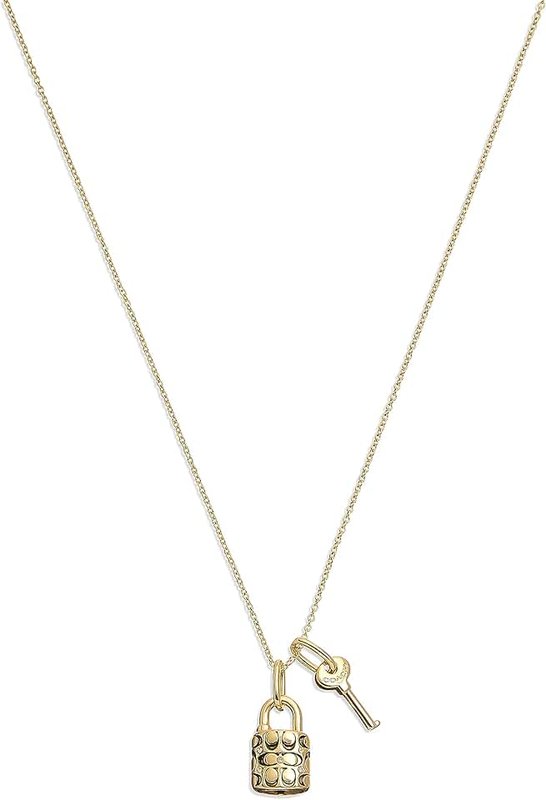
For gifting, a key necklace with a key — especially a personalised or meaningful version — is a consistently well-received choice for milestone birthdays, graduations, or housewarmings. The symbolism does the heavy lifting without being over-the-top.
What to Avoid
Skip anything described only as “silver-toned” or “gold-toned” — these are plated base metals and will disappoint quickly. Always check the metal stamp: 925 for sterling silver, 375 for 9ct gold, 750 for 18ct. With key necklaces especially, the pendant hardware (the bail, the jump ring) should match the chain in metal type — mixed metals in the hardware is a dead giveaway of cheap construction.
Stick to pieces with a clear metal specification, a decent bail that won’t catch and warp, and a clasp that actually holds. A good key necklace should last years — not just a season.
How do I know if key necklace are genuine quality?
Look for hallmarks, stamps, or certificates that verify the material. Reputable Australian sellers provide authenticity details and clear return policies. Check the weight and finish — quality pieces feel solid and have a clean, even surface without rough spots or discolouration.
What is the best way to care for key necklace?
Clean with a soft cloth and lukewarm water with mild soap. Avoid exposure to harsh chemicals, chlorine, and perfumes. Store each piece separately in a soft pouch or lined box to prevent scratches. Regular gentle cleaning keeps the appearance fresh without risking damage.
Can I buy key necklace online in Australia with confidence?
Yes, provided you buy from established sellers with clear product descriptions, genuine photos, and a solid returns policy. Check customer reviews and look for Australian-based businesses or those with local support. Compare prices across a few trusted sources to make sure you are getting fair value.