

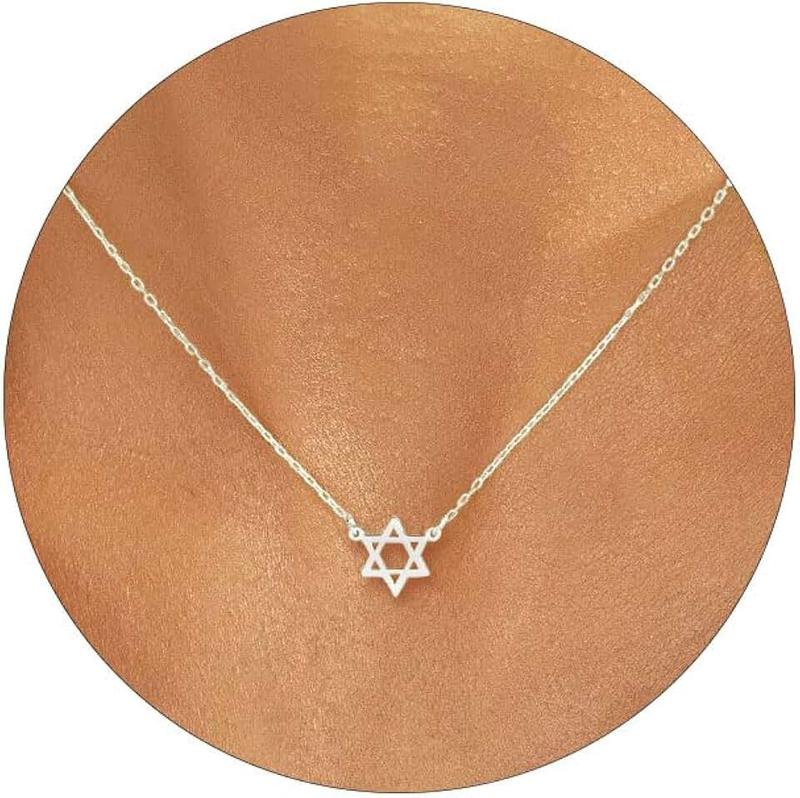
White Gold Necklace
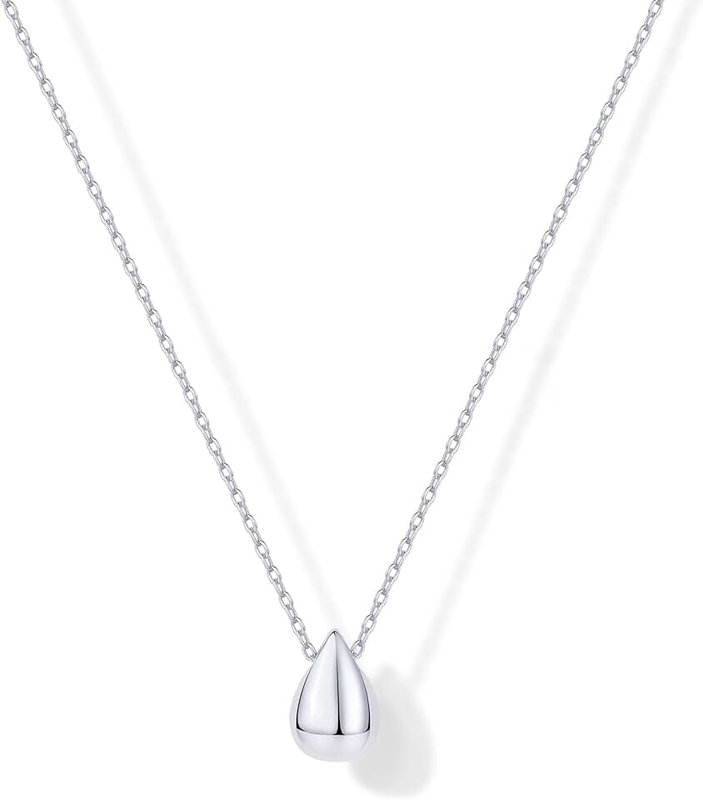
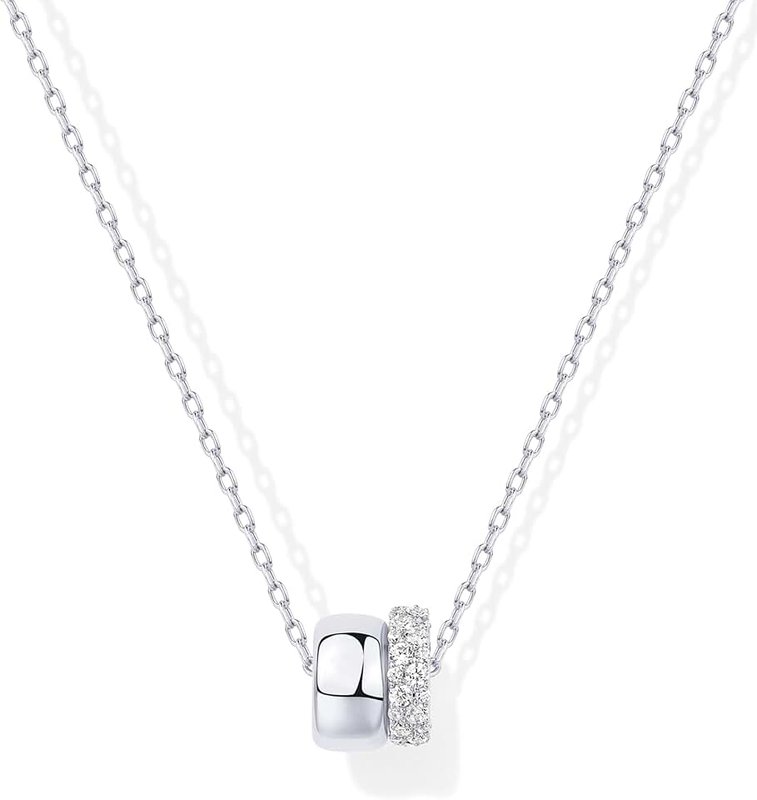
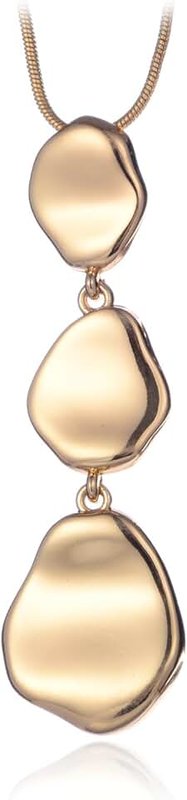
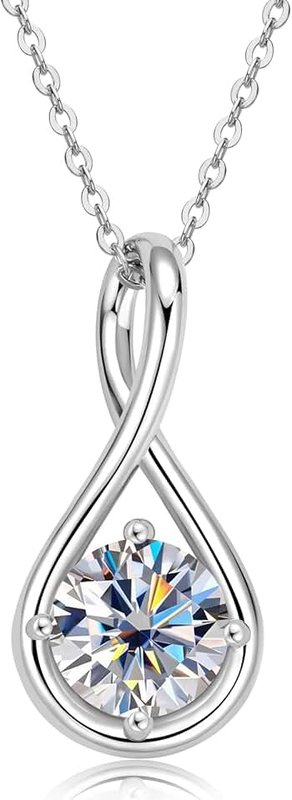
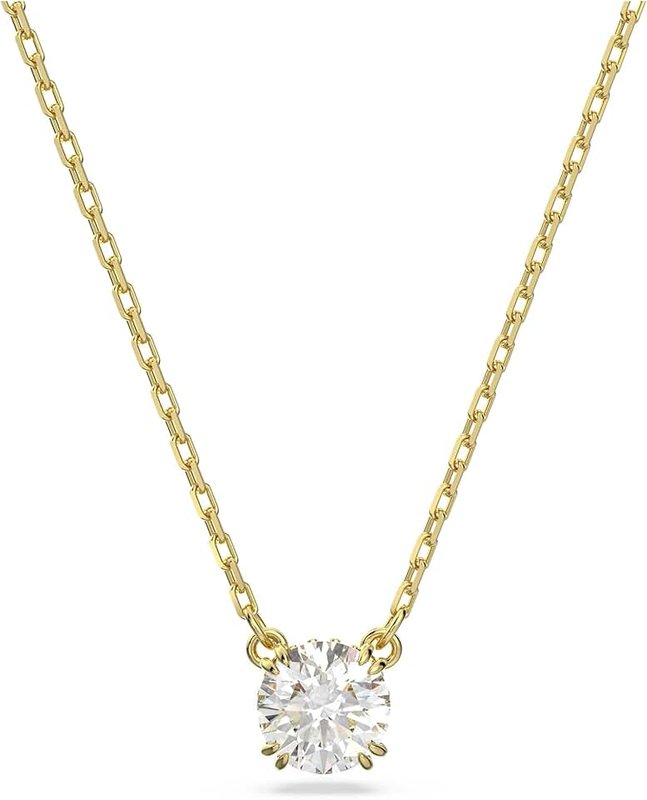
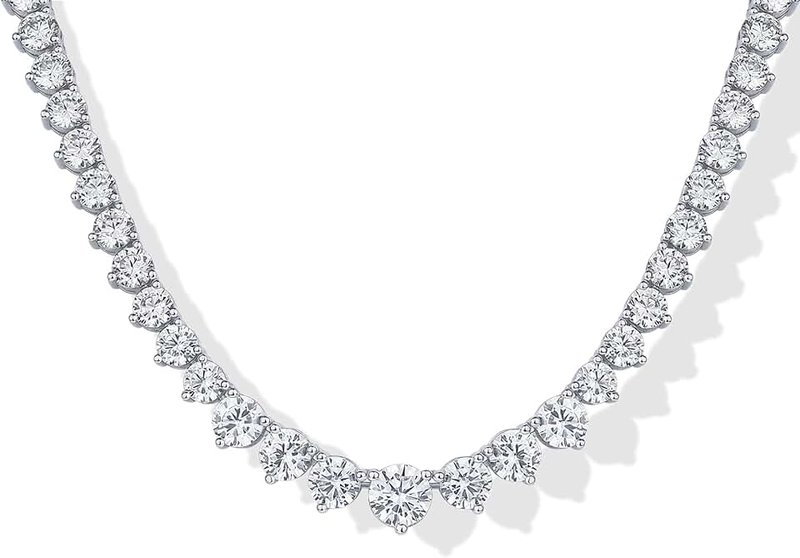
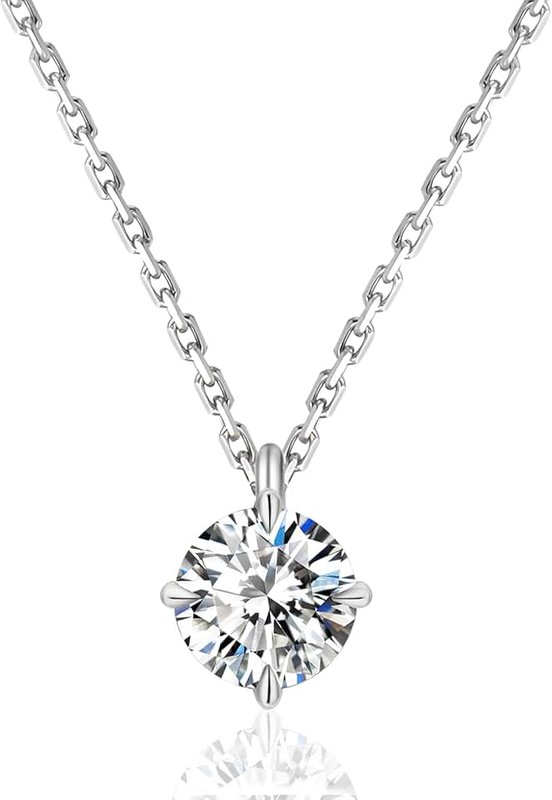
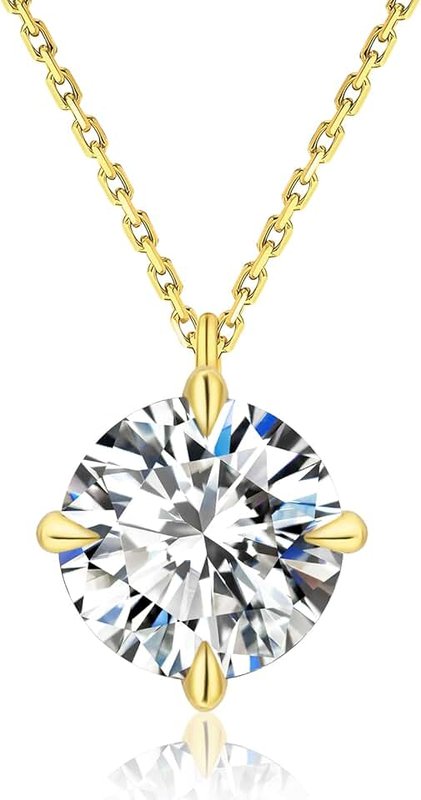
As an Amazon Associate, DreamPigeon earns from qualifying purchases. Prices and availability are accurate as of the date/time indicated and are subject to change.
What to Know Before Buying a White Gold Necklace
White gold combines the prestige of gold with a silvery sheen that complements cool skin tones and modern fashion. A white gold necklace pairs naturally with diamonds, pearls, and coloured gemstones, making it one of the most adaptable metals for fine jewellery. But there are practical details about white gold that many buyers overlook.
What White Gold Actually Is
White gold is not a naturally occurring metal. It is yellow gold alloyed with white metals — typically palladium, nickel, or silver — to produce a pale colour. Most white gold necklaces are then coated with rhodium, a platinum-group metal, to achieve that bright, reflective finish. The rhodium plating is what gives white gold its signature look, and it wears off over time (more on that below).
Karat Grades
9-karat white gold (37.5% gold) is the most affordable and hardest-wearing, making it practical for everyday necklaces. 14-karat (58.5% gold) offers a good balance of durability and gold content. 18-karat (75% gold) has a richer tone and slightly warmer hue but is softer and more prone to scratching. For a white gold necklace you plan to wear daily, 9k or 14k is the practical choice. For special-occasion pieces, 18k offers a premium feel.
Rhodium Plating: What to Expect
Fresh rhodium plating looks brilliant — highly reflective and scratch-resistant. But it is a coating, not permanent. With daily wear, expect the plating to thin after 12 to 18 months, revealing a slightly yellowish or greyish tone underneath. Re-plating costs roughly $50 to $100 AUD at a jeweller and takes about a day. Some people skip re-plating and let the natural tone show — it is a softer, warmer white that some prefer.
Nickel Sensitivity
Some white gold alloys contain nickel, which causes allergic reactions in a significant number of people — itching, redness, and rashes at the contact point. If you have sensitive skin, look for nickel-free white gold (alloyed with palladium instead) or ask the jeweller to confirm the alloy composition. The rhodium plating acts as a barrier initially, but once it wears, nickel-containing white gold can trigger reactions.
Chain Styles
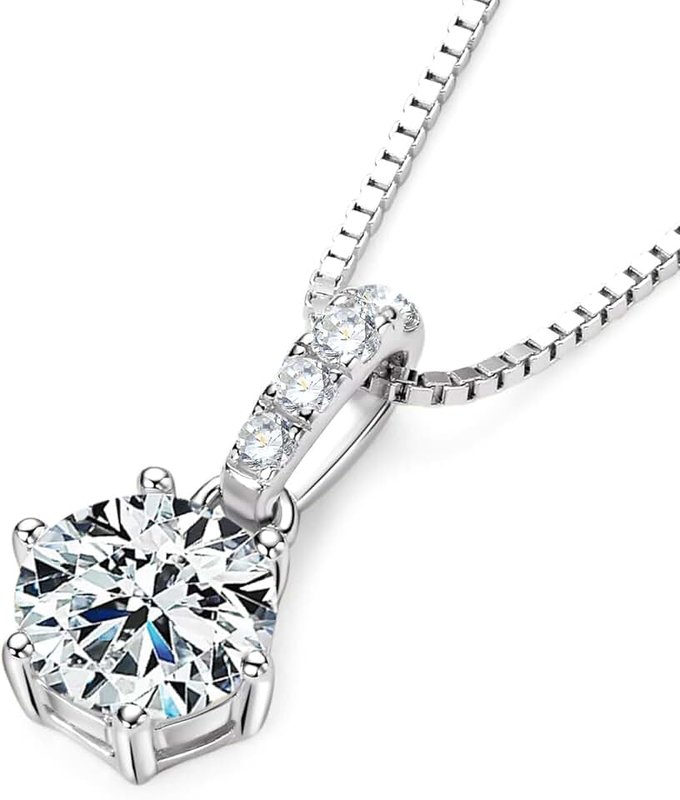
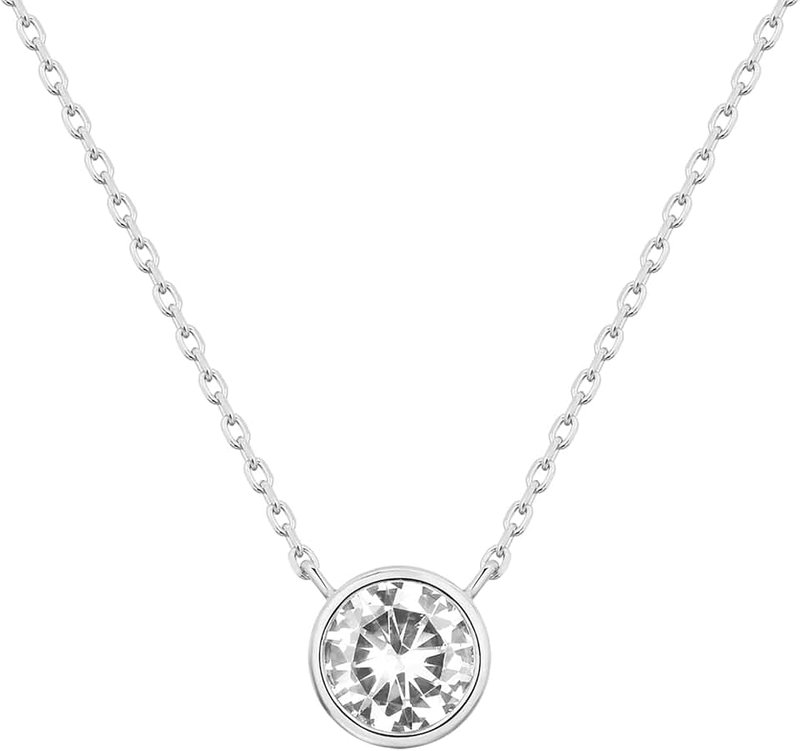
Cable chains are the most common and durable for a white gold necklace. Box chains have a clean, angular look. Curb chains lie flat against the skin and work well with pendants. Rope chains catch more light with their twisted links. Snake chains are smooth and sleek but kink easily and are harder to repair. For everyday wear, a cable or curb chain in 1 to 2 mm width offers the best combination of durability and aesthetics.
Care and Maintenance
Clean with warm soapy water and a soft brush. Avoid abrasive cloths or harsh chemicals that strip the rhodium faster. Store separately from other jewellery — white gold can scratch softer metals. Remove before swimming (chlorine damages gold alloys) and before applying perfume or lotions. When the rhodium wears thin, take the necklace to a jeweller for re-plating rather than trying to polish it aggressively.
Pricing
White gold necklaces in Australia range from $32 to $621 AUD. Simple 9k chains start at the lower end, while 18k white gold necklaces with diamond or gemstone pendants sit at the top. White gold typically costs slightly more than yellow gold of the same karat due to the alloying metals and rhodium plating process.
Does white gold turn yellow over time?
The rhodium plating that gives white gold its bright silver appearance wears off gradually with daily wear, revealing a slightly warmer, yellowish tone beneath. This is normal and expected. A jeweller can re-plate it with rhodium to restore the original bright finish.
How often does white gold need to be re-plated?
With everyday wear, rhodium plating typically lasts 12 to 18 months. If the necklace is worn occasionally, it can last several years between re-platings. The cost is usually between $50 and $100 AUD, and most jewellers complete it within a day.
Is white gold better than sterling silver for a necklace?
White gold is more durable, holds its value better, and does not tarnish the way silver does. Sterling silver is significantly cheaper and easier to maintain without re-plating. The choice depends on your budget and whether you value the prestige and longevity of gold.
Can I wear a white gold necklace every day?
Yes. White gold, particularly 9k and 14k, is hard-wearing enough for daily use. The rhodium plating will thin faster with constant wear, but the underlying gold alloy remains intact. Just remove it before swimming, showering, and applying products.
Is white gold hypoallergenic?
Not always. White gold alloyed with nickel can cause allergic reactions in sensitive individuals. Palladium-based white gold is hypoallergenic. If you have known metal allergies, ask the jeweller whether the piece contains nickel before buying.