

Medical Alert Bracelets
As an Amazon Associate, DreamPigeon earns from qualifying purchases. Prices and availability are accurate as of the date/time indicated and are subject to change.
Buying Medical Alert Bracelets in Australia
A medical alert bracelet can save your life. When you cannot speak for yourself — in an accident, an allergic reaction, a diabetic emergency, or a seizure — the information on your wrist speaks instead. Paramedics and emergency staff are trained to check for medical identification jewellery. Wearing one is a simple, constant safeguard that works even when your phone is locked and your wallet is out of reach.
Who Needs a Medical Alert Bracelet
Anyone with a condition that could affect emergency treatment: diabetes, severe allergies (anaphylaxis), epilepsy, blood thinners (warfarin, etc.), heart conditions, asthma, Addison’s disease, implanted devices (pacemakers), organ transplant recipients, and anyone on critical medication. Children with allergies, elderly people with multiple conditions, and people with communication difficulties also benefit greatly.
What to Engrave
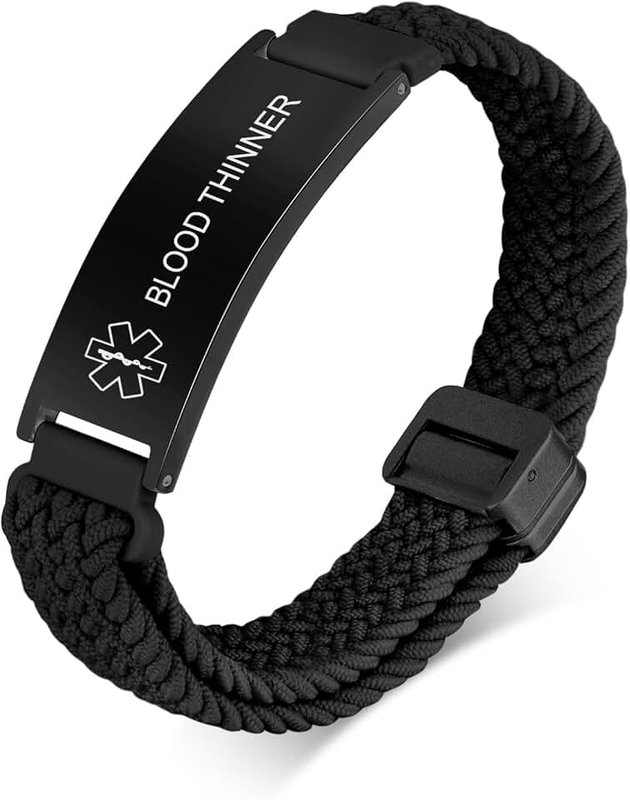
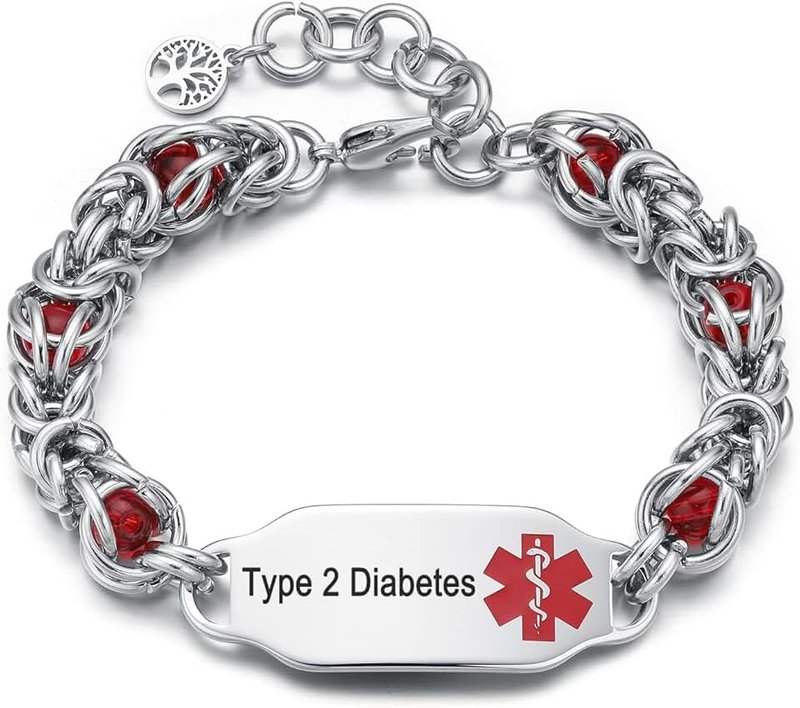
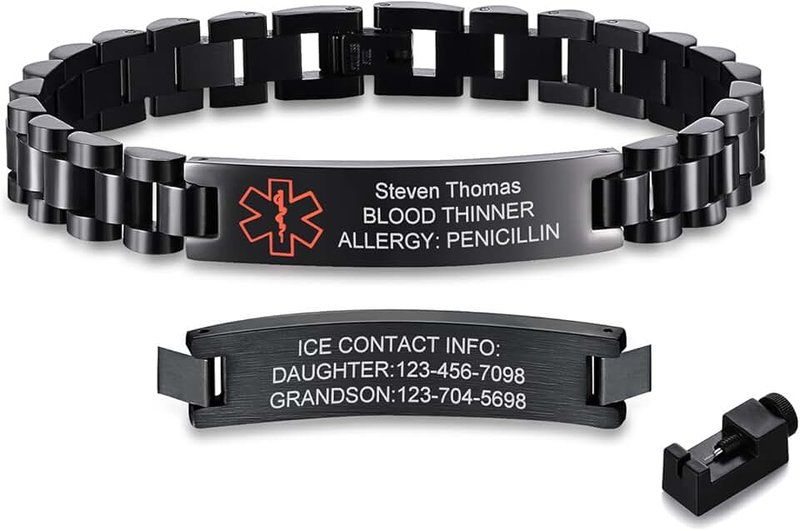
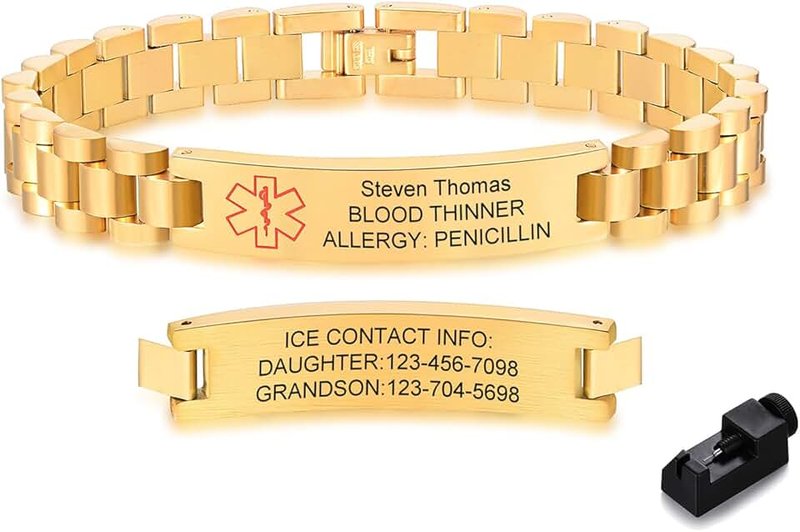
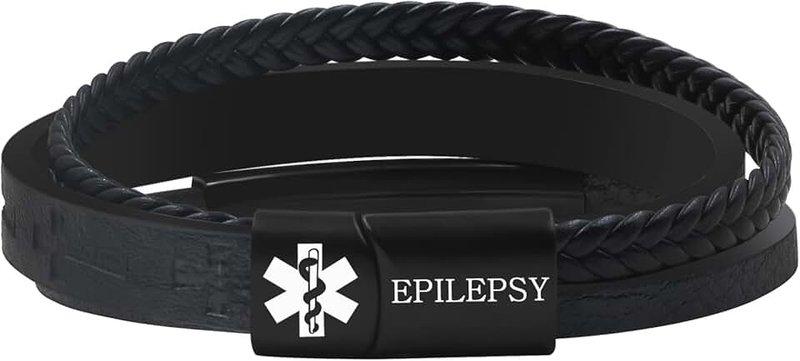
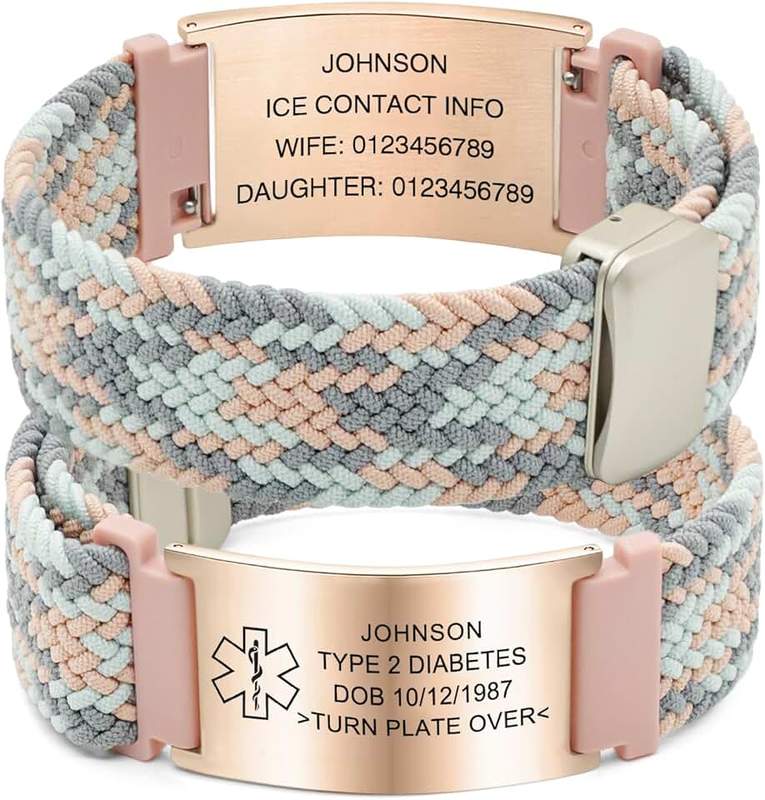
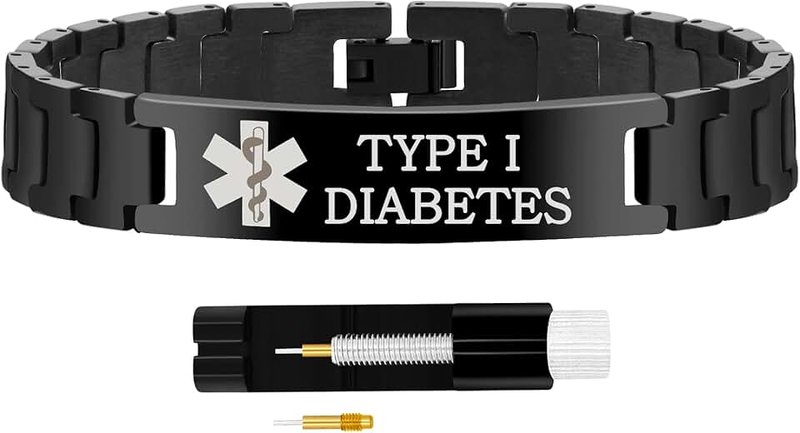
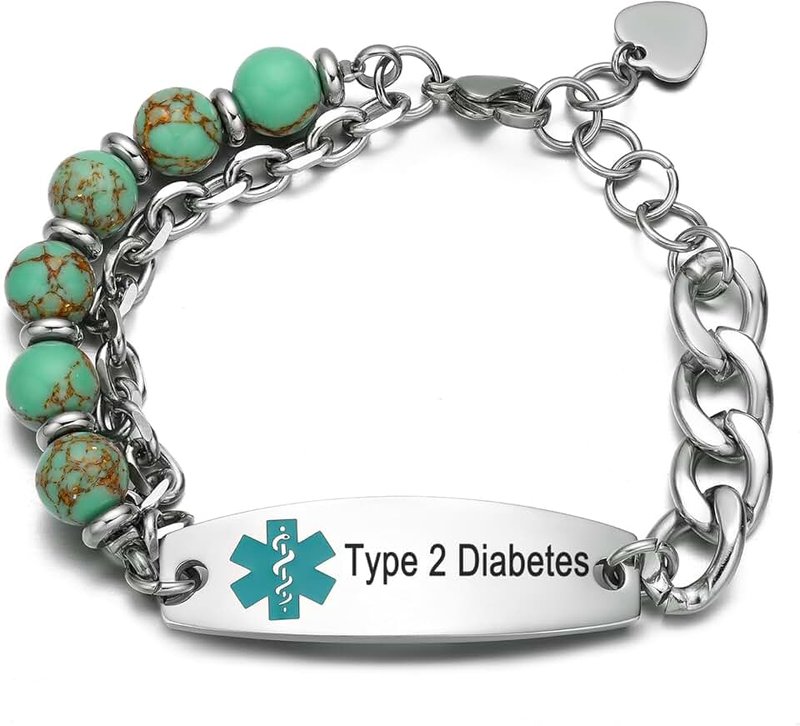
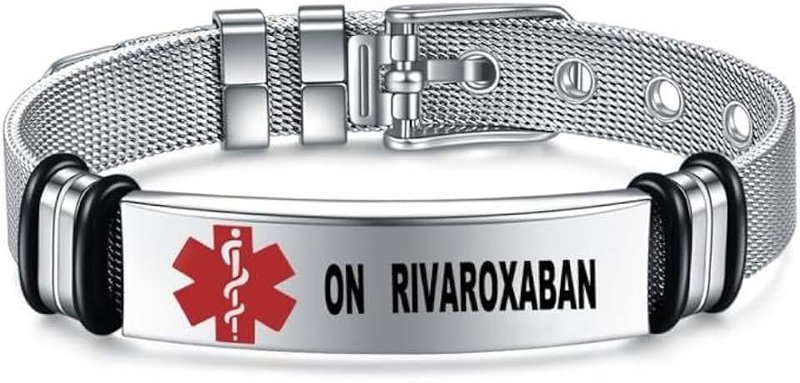
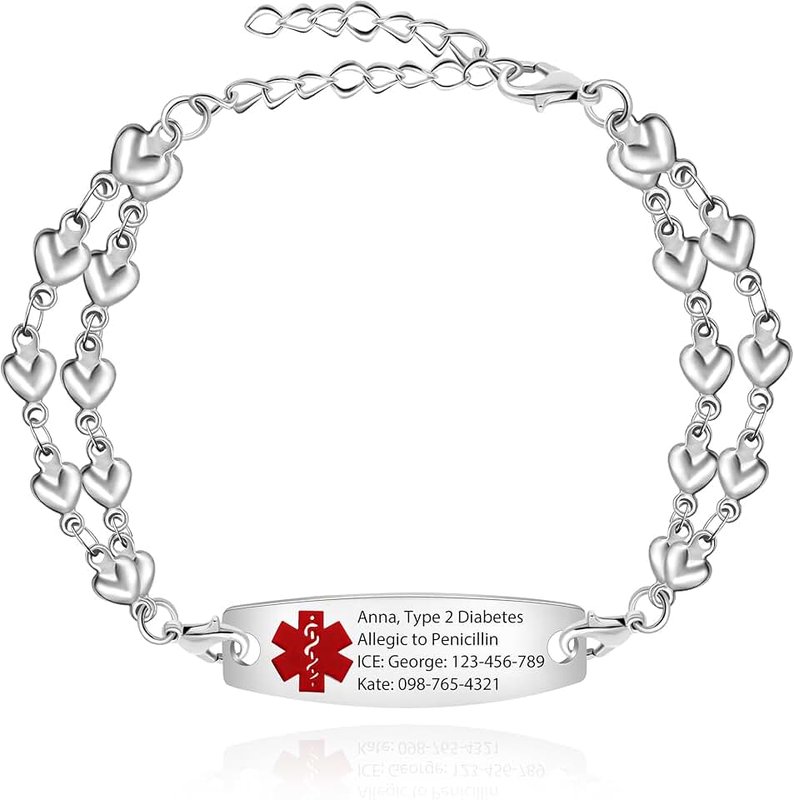
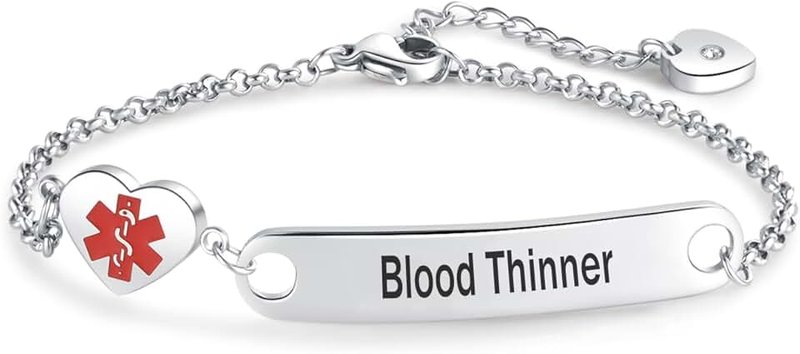
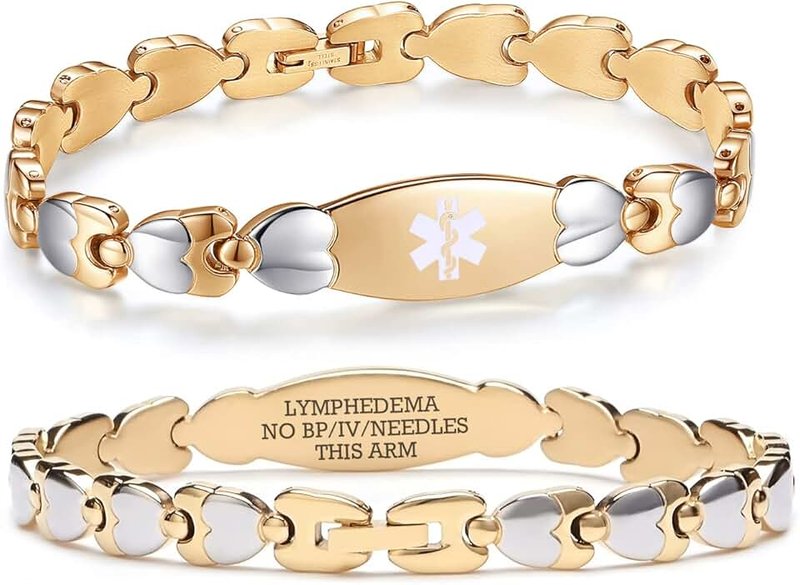
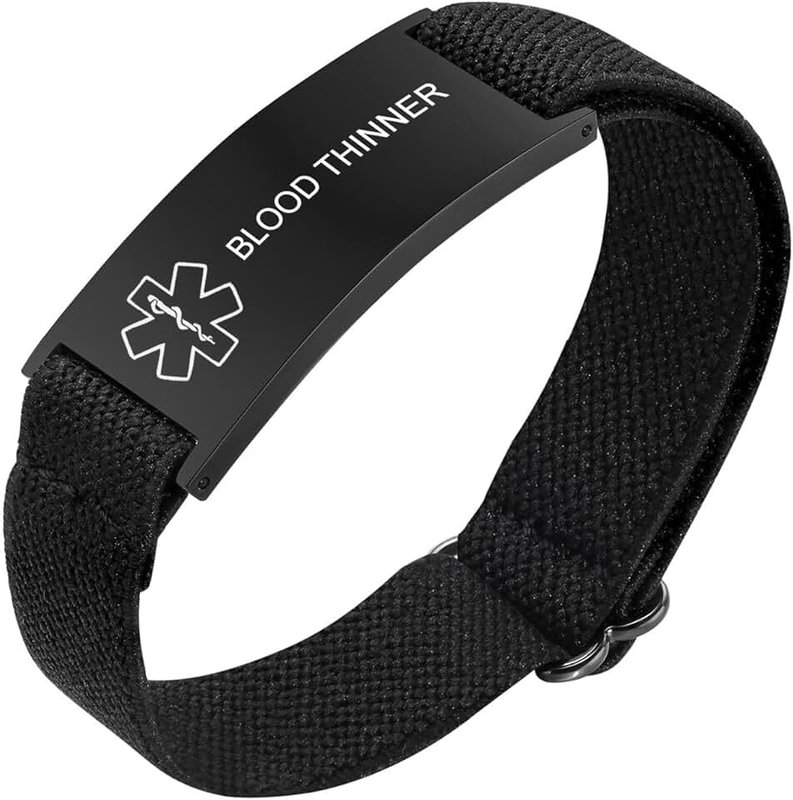
Front: the medical condition(s) in order of severity. Back: emergency contact name and phone number, medications, and blood type if relevant. Keep it concise — emergency responders need quick, clear information. Common formats: “DIABETES TYPE 1”, “ALLERGY: PENICILLIN”, “BLOOD THINNER: WARFARIN”, “EPILEPSY — SEE WALLET CARD”. Medical alert bracelets in Australia typically cost between $25 and $120 AUD.
Materials for Daily Wear
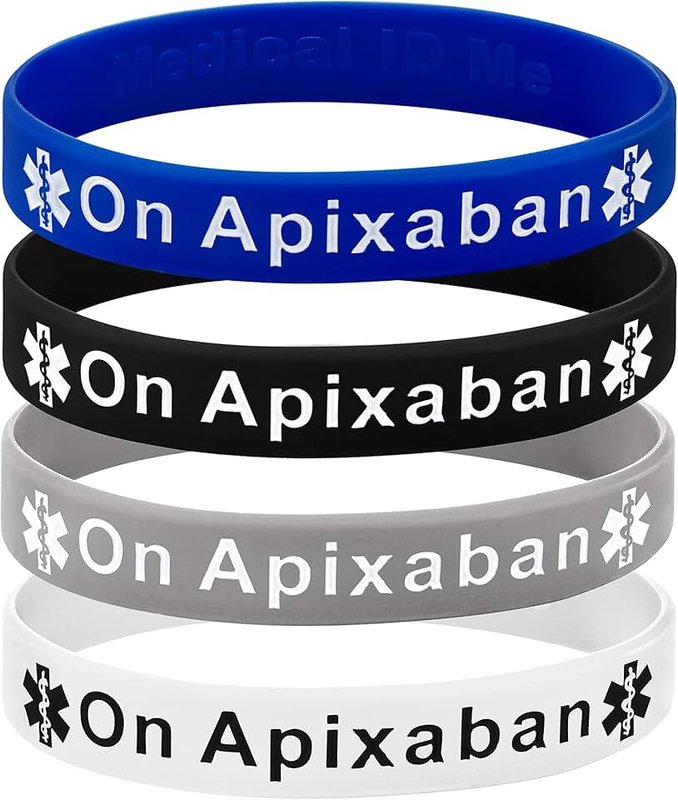
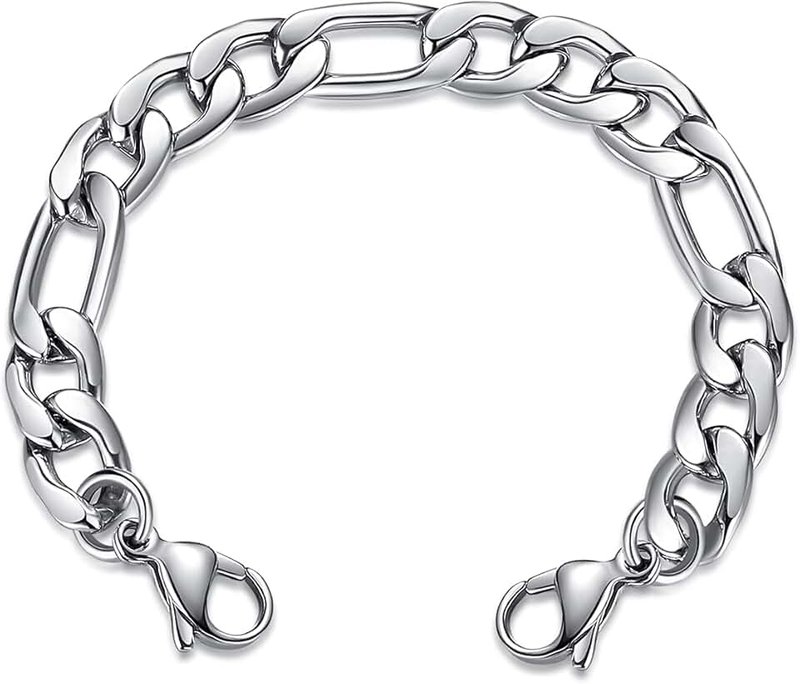
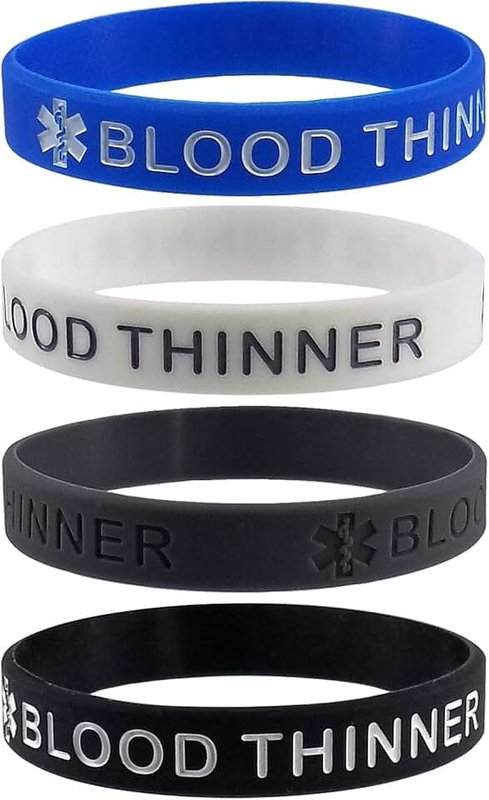
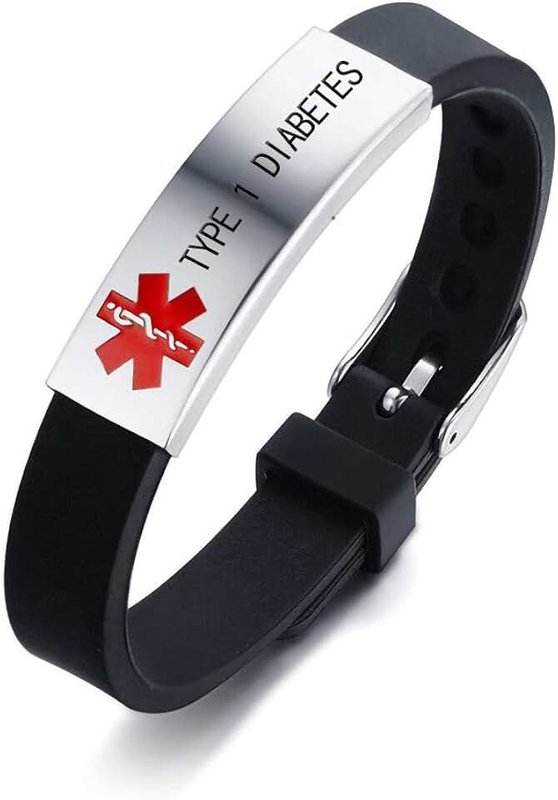
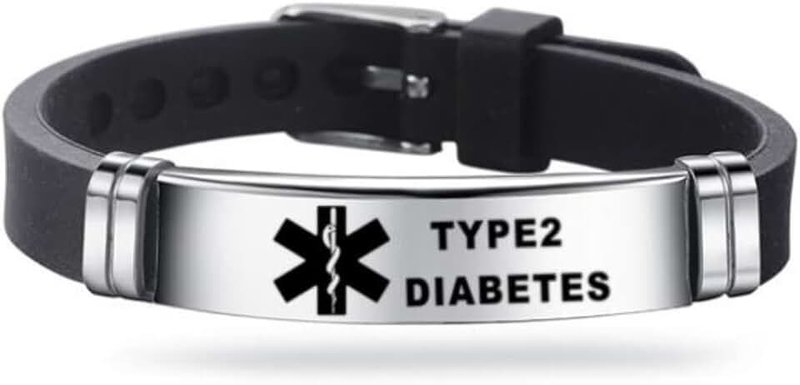
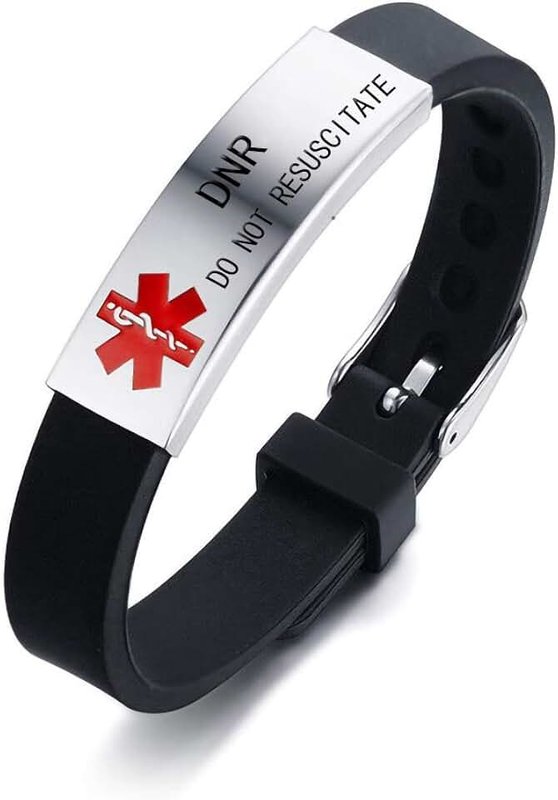
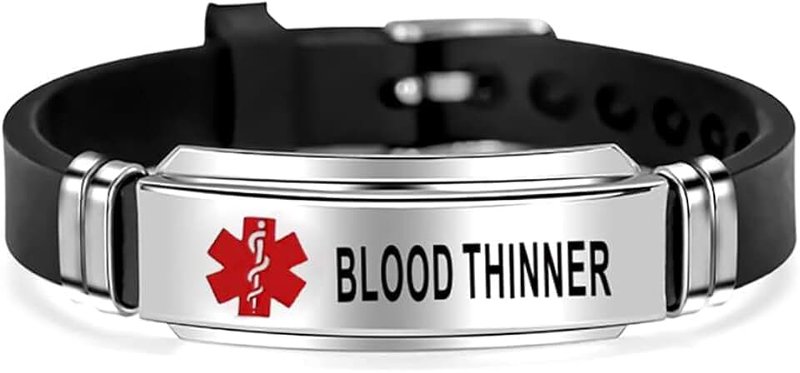
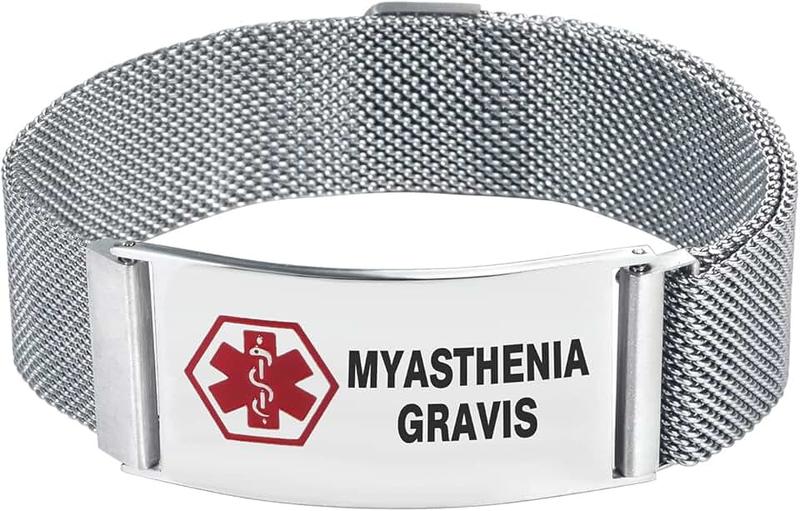
Stainless steel is the standard — it is durable, hypoallergenic, and takes engraving well. Sterling silver offers a more refined look for those who want their medical bracelet to feel like jewellery rather than a medical device. Silicone bands with stainless steel plates are comfortable and waterproof — popular for children, athletes, and outdoor workers. Leather straps with metal ID plates provide a casual, masculine option. The bracelet must withstand daily wear without the engraving becoming illegible.
Design and Style
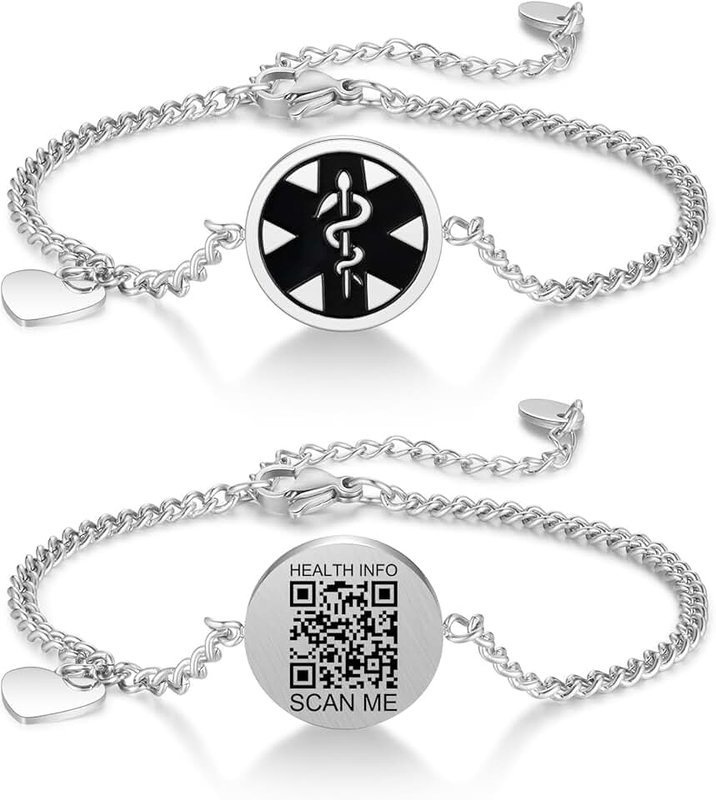
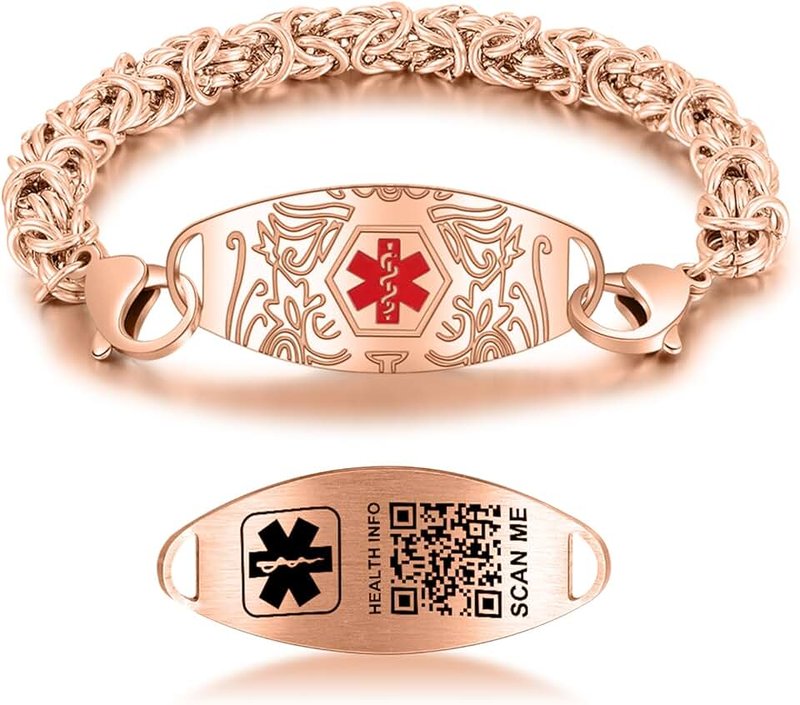
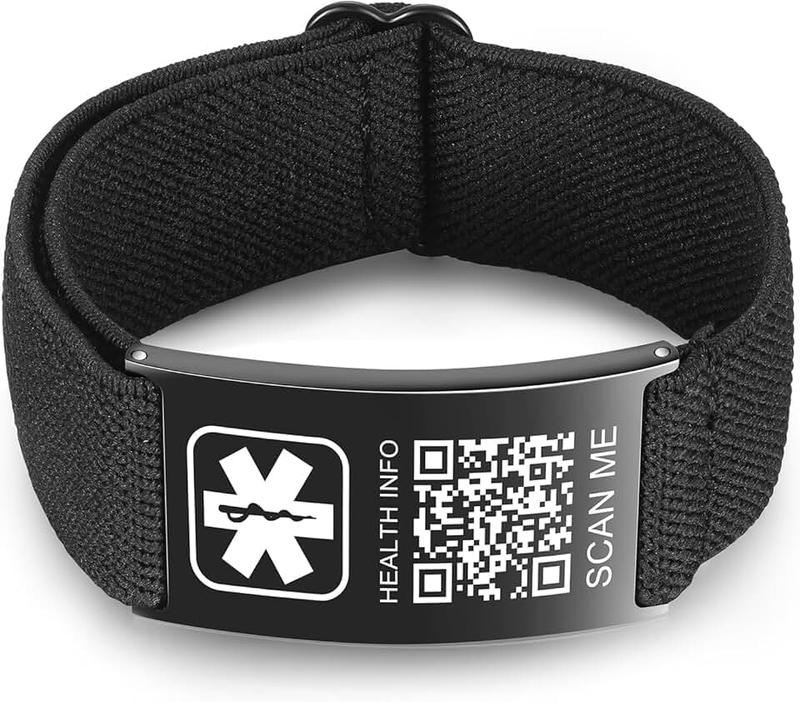
Modern medical alert bracelets have moved far beyond the clunky ID bands of the past. Sleek chain-link designs, beaded bracelets with a discreet ID tag, cuff styles, and even smart bracelets with QR codes linking to online medical profiles are all available. Many designs are indistinguishable from regular jewellery until you look at the engraving. The medical caduceus or star-of-life symbol should be visible on the front for emergency staff to recognise it.
Children’s Medical Alert Bracelets
For children, prioritise comfort, safety, and durability. Silicone bands are the most comfortable and safest (no sharp edges, no metal allergies). Bright colours appeal to kids and make the bracelet less likely to be removed. Include the child’s name, condition, parent’s phone number, and any critical medication. School staff should be aware the child wears one and why.
Maintaining Legibility
The engraving must remain readable for the bracelet to serve its purpose. Clean regularly with a soft brush to remove grime from engraved grooves. Check every 6 months that all text is still legible. Deep machine engraving lasts longest. Laser etching can fade on heavily worn pieces. If your medical information changes (new medication, new condition), order a replacement bracelet promptly.
Digital and Smart Medical Alert Options
Modern medical alert bracelets increasingly incorporate digital elements. QR code bracelets link to an online profile containing comprehensive medical history — far more detail than can fit on an engraved plate. NFC-enabled bracelets allow emergency responders with smartphones to tap and access the wearer’s medical file. These digital options can be updated instantly when medical information changes, eliminating the need for a new physical bracelet. However, traditional engraving remains essential as a backup — technology fails, but engraved text is always readable without any device.
Do paramedics actually check for medical alert bracelets?
Yes. Australian paramedics and emergency department staff are trained to look for medical identification on the wrist and neck. A visible medical alert bracelet with the recognised medical symbol is checked as a standard part of patient assessment.
What should I engrave on a medical alert bracelet?
Engrave your primary medical condition, critical allergies, blood-thinning medications, and an emergency contact number. Keep it concise. Use standard medical abbreviations where possible. Include the medical alert symbol on the visible face.
Can I wear a medical alert bracelet in the shower?
Stainless steel and silicone medical alert bracelets tolerate water without issue. Sterling silver and leather should be dried after exposure. Waterproof bracelets are recommended for people who may need medical identification at any time, including during water activities.
Are medical alert bracelets covered by health insurance?
Generally no, medical alert bracelets are considered personal items and are not covered by Medicare or private health insurance in Australia. However, they are tax-deductible as a medical expense in some circumstances. Consult your accountant.
How often should I update my medical alert bracelet?
Update whenever your medical information changes — new diagnosis, new medication, changed emergency contacts. Check legibility every 6 months. Even without changes, replace the bracelet every 3-5 years if daily wear has degraded the engraving clarity.