

Jade Necklace
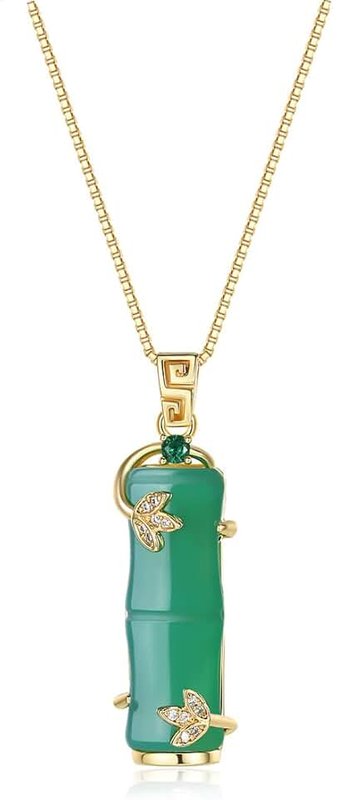
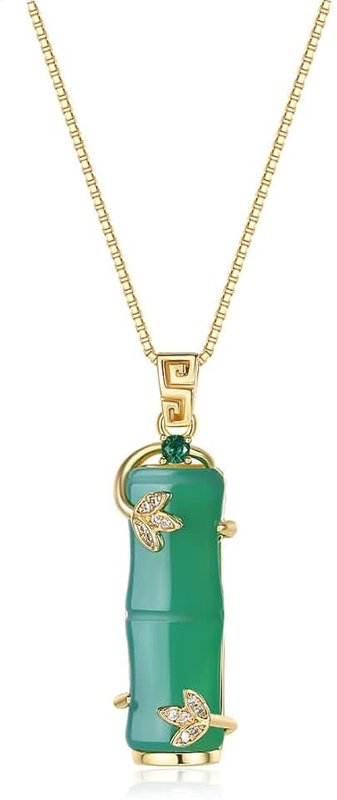
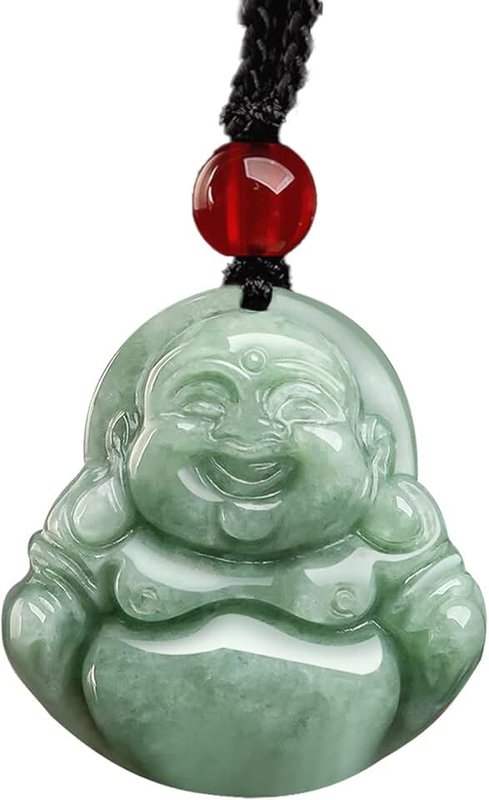
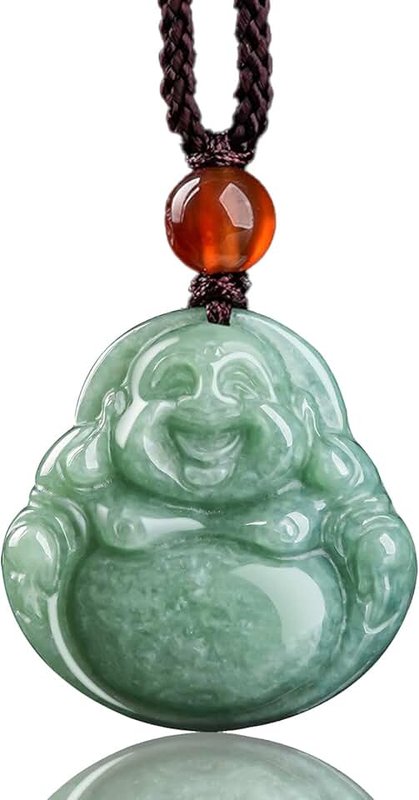
As an Amazon Associate, DreamPigeon earns from qualifying purchases. Prices and availability are accurate as of the date/time indicated and are subject to change.
Buying a Jade Necklace: What Every Buyer Needs to Know
Jade has been treasured across cultures for thousands of years — as a symbol of purity, wisdom, and protection in East Asian traditions, and as a prized ornamental stone in Mesoamerican civilisations. A jade necklace carries that weight of history while still looking completely at home with modern outfits. The trick is knowing how to spot quality jade and avoid the imitations flooding the market.
Jadeite vs Nephrite: Two Different Stones
The word “jade” actually covers two distinct minerals. Jadeite is rarer, harder (6.5 to 7 on the Mohs scale), and comes in a wider range of colours — vivid green, lavender, white, even red. Top-grade jadeite (called “Imperial jade”) is a translucent, intense emerald green and fetches extraordinary prices. Nephrite is more common, slightly softer, and typically appears in creamy white to deep green tones. Both are genuine jade, but jadeite commands higher prices due to scarcity.
Evaluating Quality
Three factors determine jade quality: colour, translucency, and texture. The most valued colour is a rich, even green without brown or grey undertones. Hold the jade necklace up to a light source — fine jade shows some translucency, with light passing softly through the stone. Texture should feel smooth and waxy, not gritty. Run your thumb across the surface; high-quality jade has a buttery feel.
Beware of “Grade A, B, C” labels. Grade A means the jade is natural and untreated. Grade B has been chemically bleached and polymer-impregnated to improve clarity. Grade C is dyed. Only Grade A jade holds its appearance and value over time.
Common Jade Necklace Styles
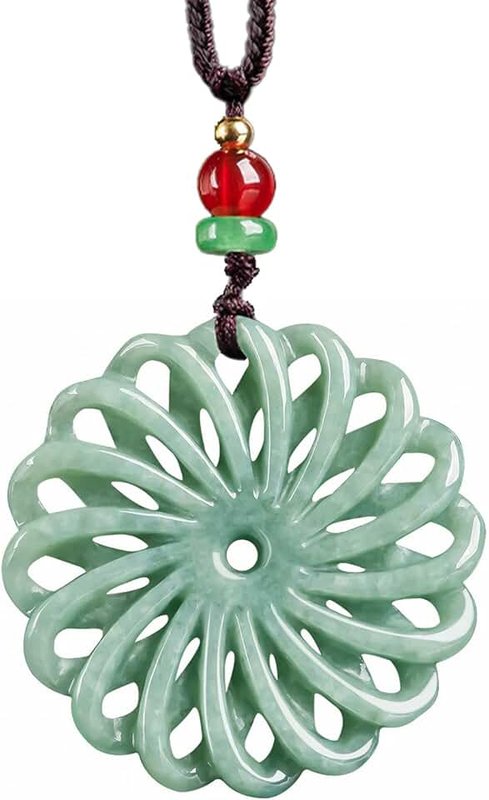
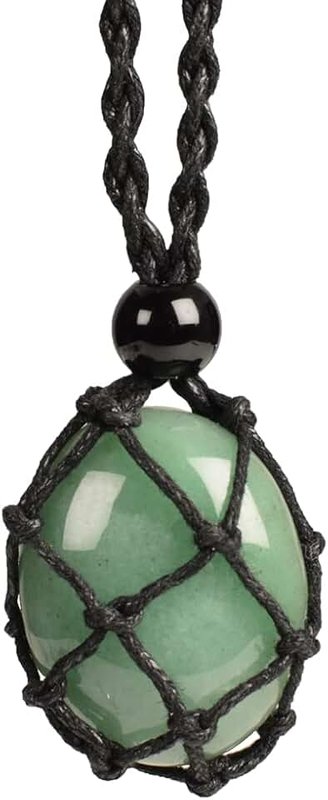
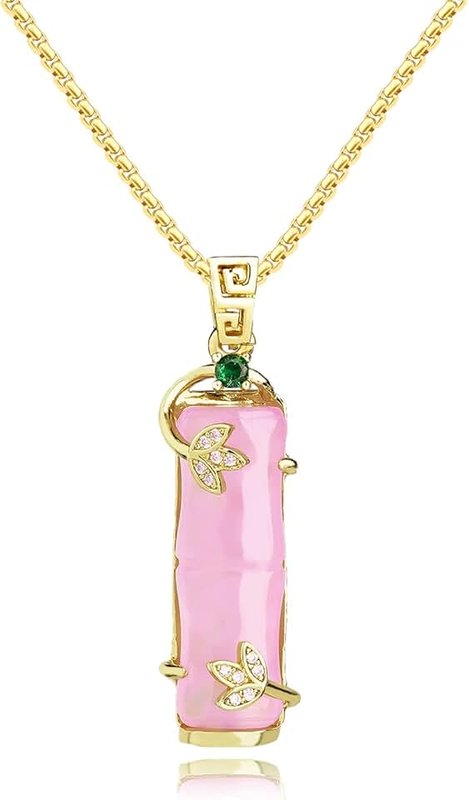
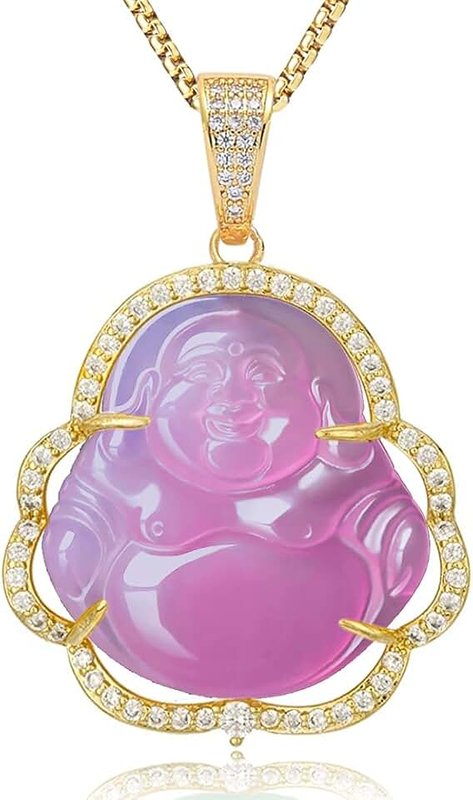
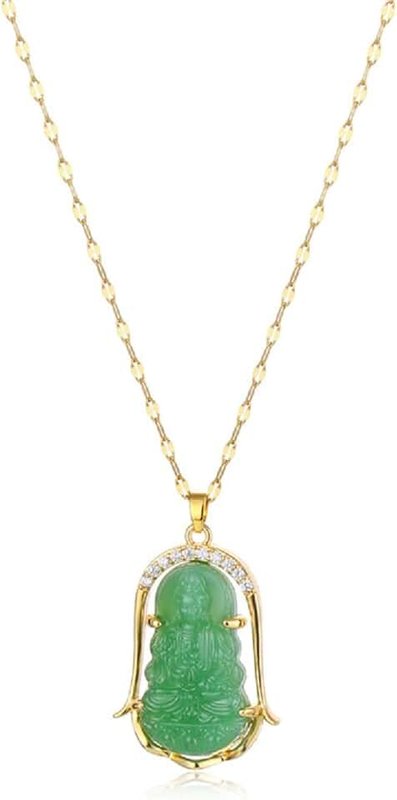
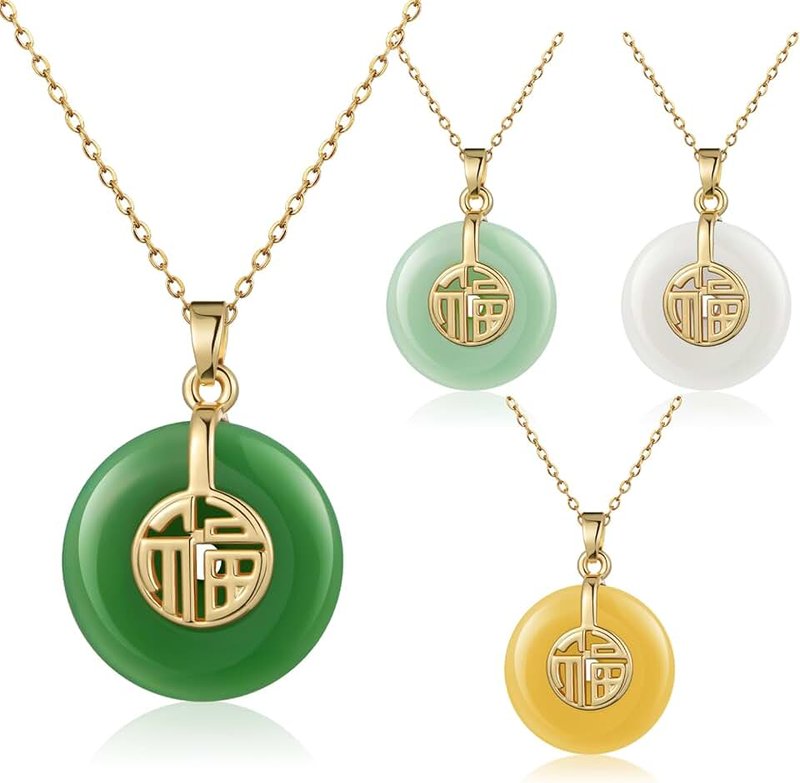
The classic jade pendant on a cord or fine chain is the most popular style. Bangle-style jade beaded necklaces offer a bolder look. Donut-shaped jade pendants (called “bi” or “ping an kou”) symbolise safety and completeness and are traditionally worn for good luck. Carved jade pendants depicting animals or symbols carry specific cultural meanings — dragons for strength, fish for prosperity, Buddha figures for serenity.
Spotting Fakes
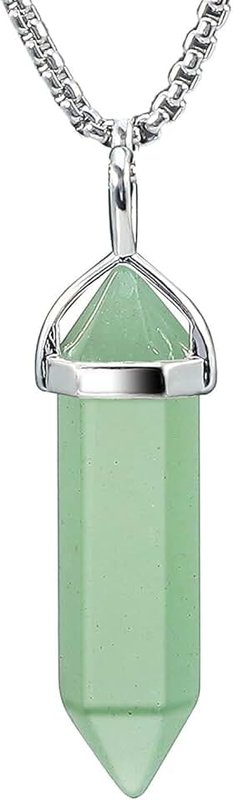
Fake jade is everywhere. Common substitutes include serpentine, aventurine, and dyed quartz. Genuine jade feels cold and heavy in the hand and warms slowly. Tap two pieces together — real jade produces a clear, resonant chime rather than a dull thud. A scratch test works too: jade should not scratch easily with a steel blade. When spending serious money on a jade necklace, request a certificate from a recognised gemmological laboratory.
Caring for Your Jade
Jade is tough but can chip on hard impacts. Store it wrapped in a soft cloth, separate from harder stones like diamonds and sapphires. Clean with lukewarm water and a soft brush — avoid ultrasonic cleaners and harsh chemicals. Some wearers believe jade absorbs the wearer’s energy over time, developing a deeper lustre the more it is worn. Regardless of belief, the natural oils from your skin do give jade a subtle polish with regular wear.
Pricing in Australia
Jade necklaces available in Australia typically range from $24 to $185 AUD. Nephrite pieces sit at the lower end, while jadeite — especially in vivid greens with good translucency — commands higher prices. Vintage or antique jade with provenance can be worth significantly more. For everyday wear, a well-crafted nephrite pendant on a quality chain is an excellent starting point.
How can I tell if a jade necklace is real?
Genuine jade feels cold and dense, warms slowly in your hand, and produces a clear ringing sound when tapped against another hard object. It should not scratch easily with a steel knife. For expensive purchases, always ask for a gemmological certificate confirming the stone is natural and untreated (Grade A).
What is the difference between jadeite and nephrite?
Both are genuine jade, but they are different minerals. Jadeite is rarer, harder, and comes in a broader colour range including vivid green, lavender, and red. Nephrite is more widely available and typically ranges from white to dark green. Jadeite generally costs more than nephrite of similar size.
Does jade change colour over time?
Natural Grade A jade does not change colour. However, treated jade (Grade B or C) can fade or discolour as the dye or polymer breaks down. Some wearers notice their jade developing a richer lustre with regular wear — this is surface polishing from skin contact, not a colour change.
Can I wear my jade necklace in water?
Brief contact with water is fine, but avoid prolonged soaking, chlorinated pools, and hot tubs. Chemicals and temperature changes can damage treated jade. Natural Grade A jade is more resilient, but it is still best to remove it before swimming.
What does a jade donut pendant symbolise?
The circular donut shape, known as a ‘ping an kou’ in Chinese culture, represents completeness, eternity, and safety. It is one of the most traditional jade pendant shapes and is commonly given as a protective talisman or good-luck gift.