

Piercing Earrings
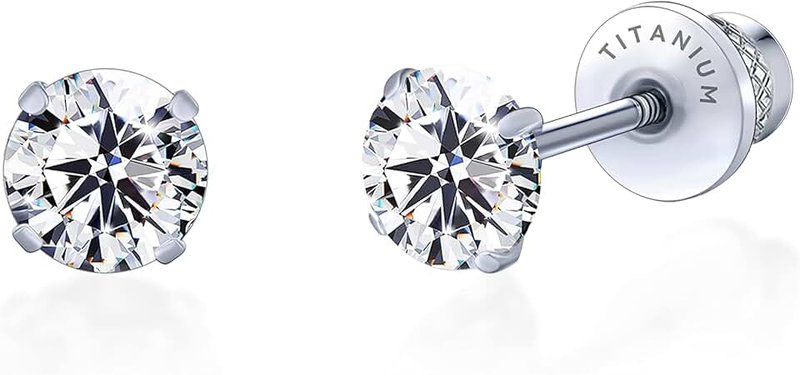
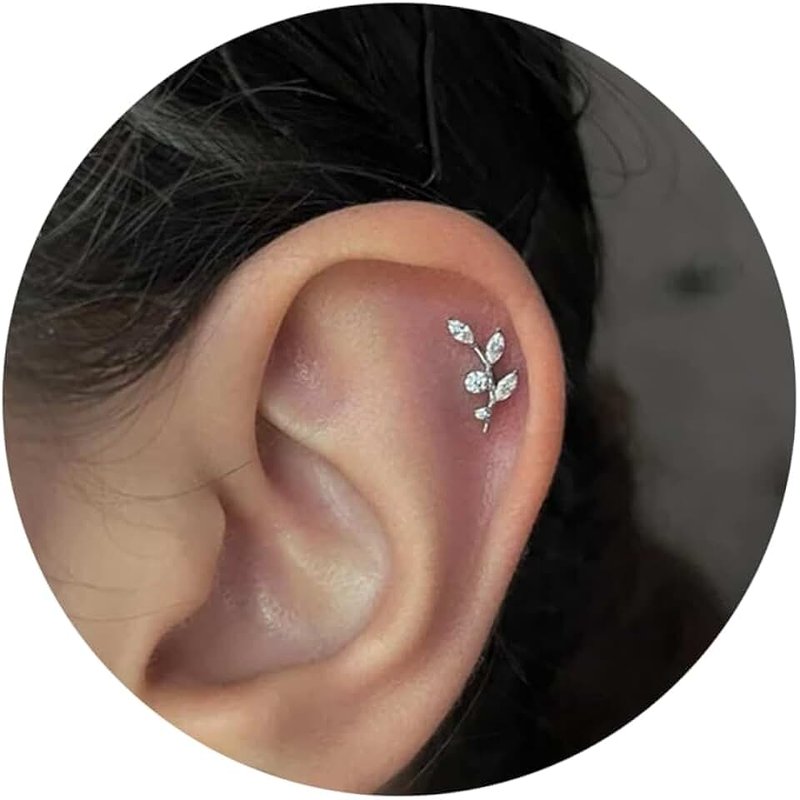
limerencia Hypoallergenic G23 Implant Grade Titanium Screw...
$25.99 $20.79 (20% off)
View on Amazon
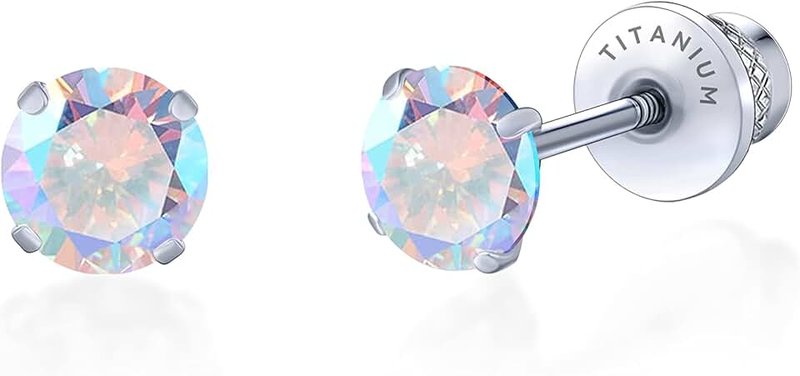
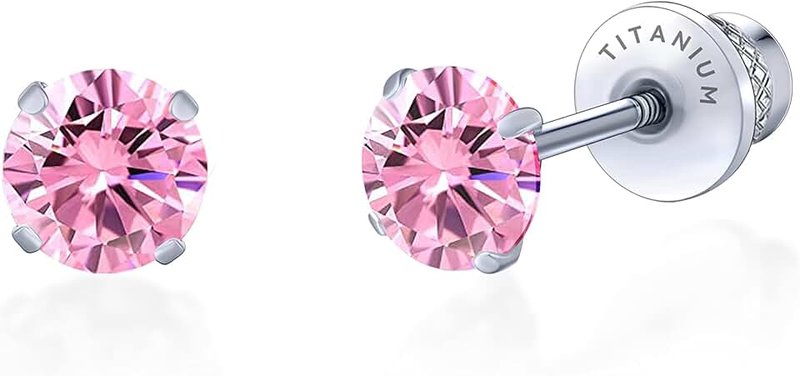
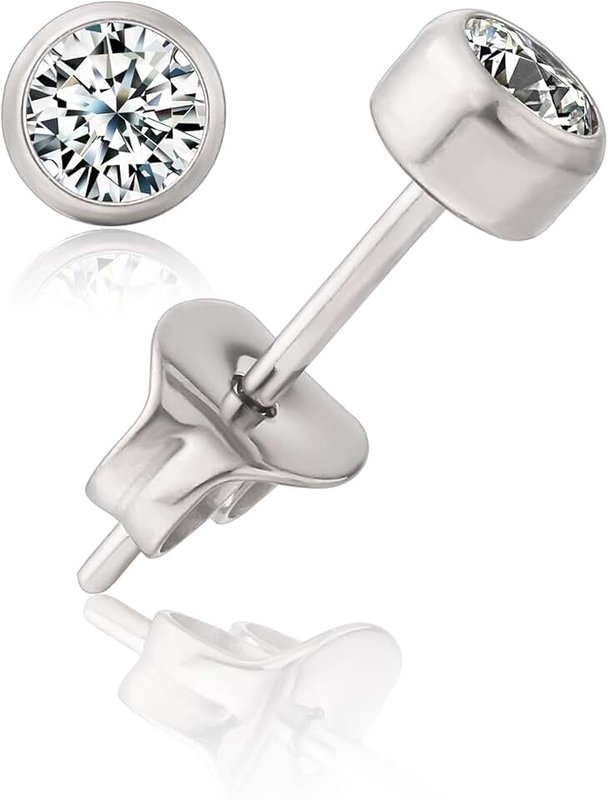
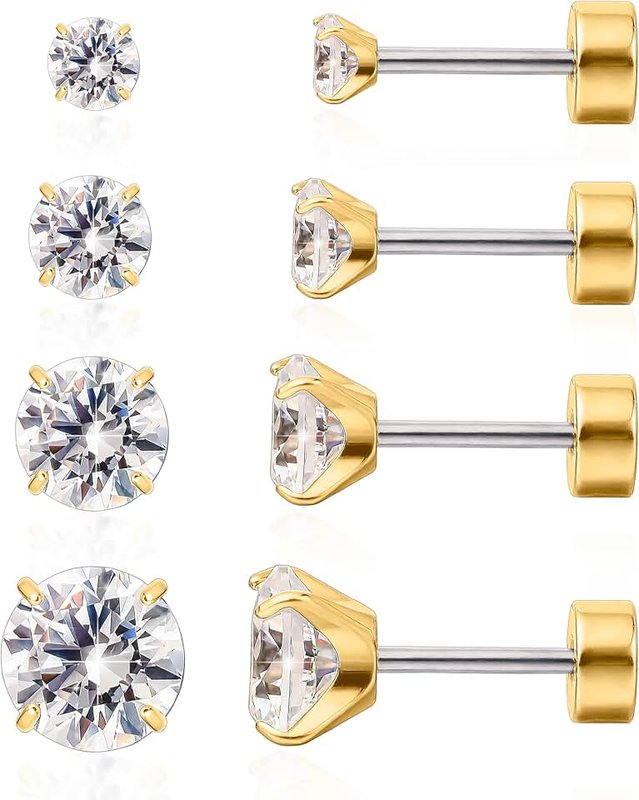
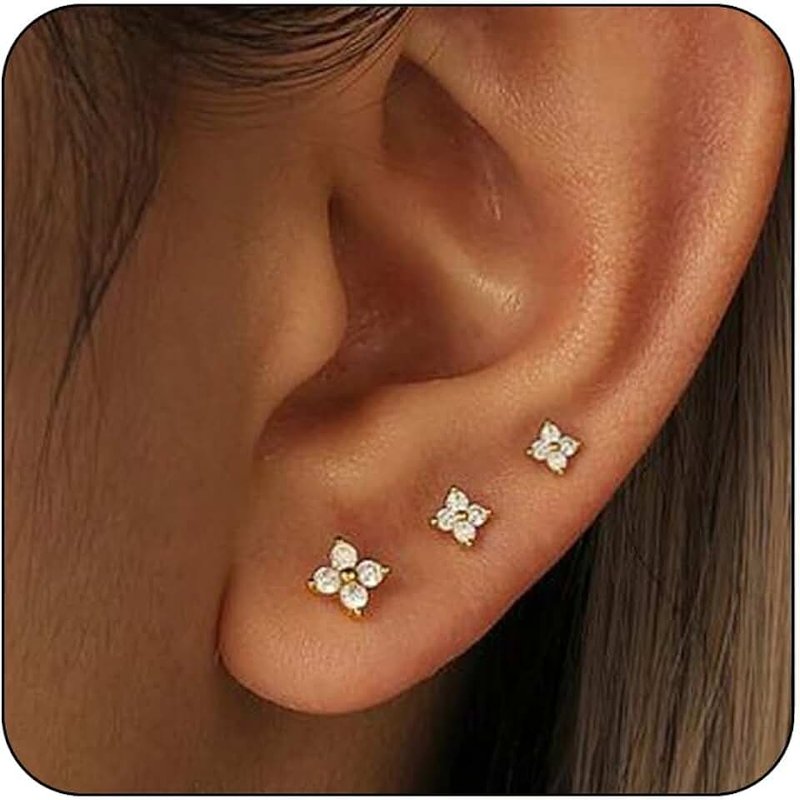
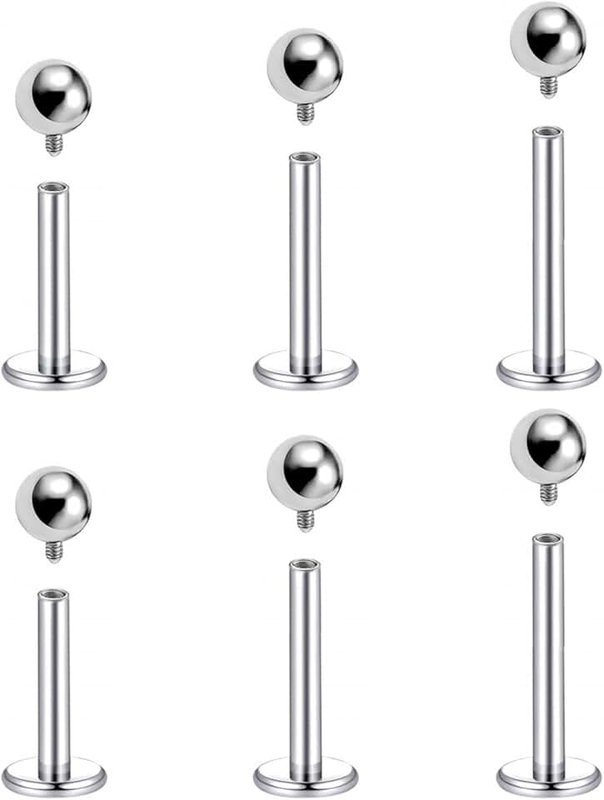
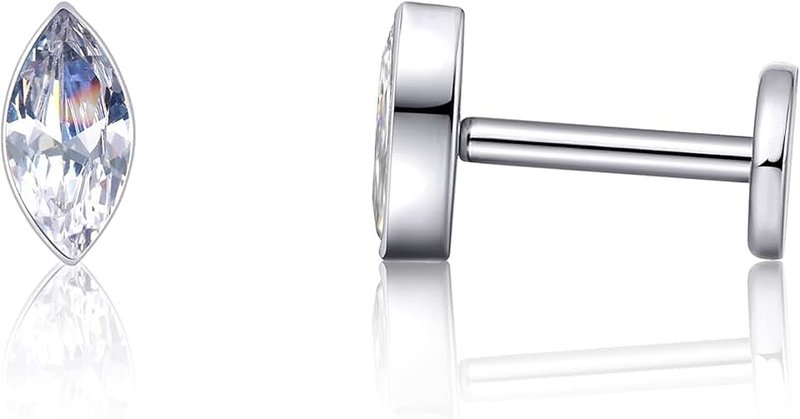
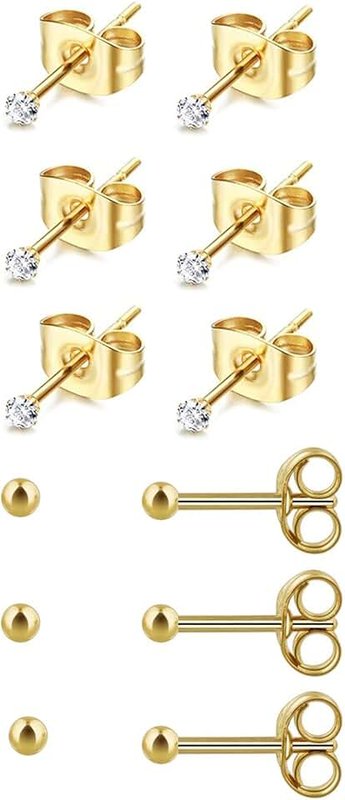
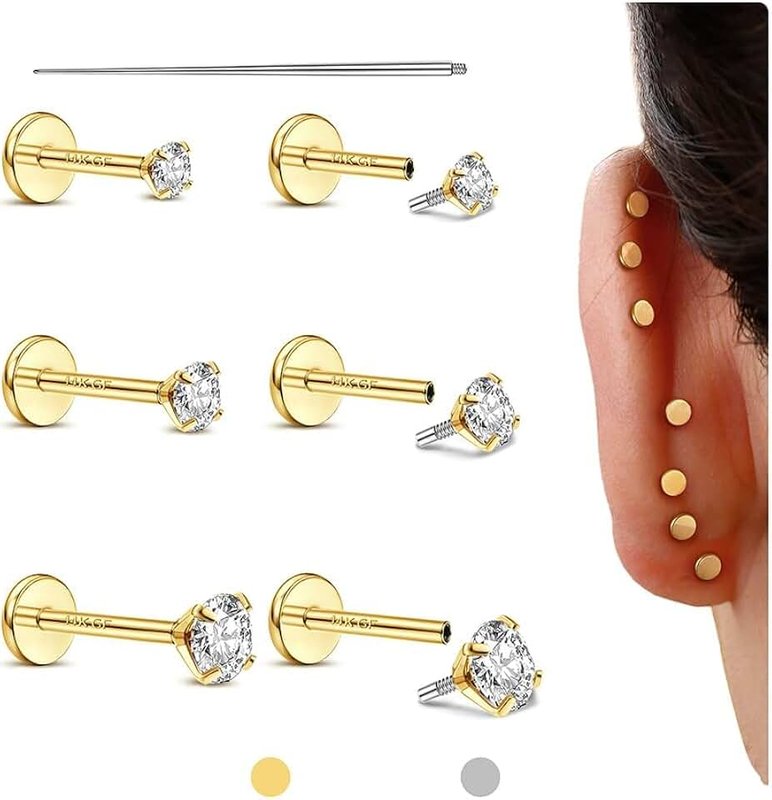
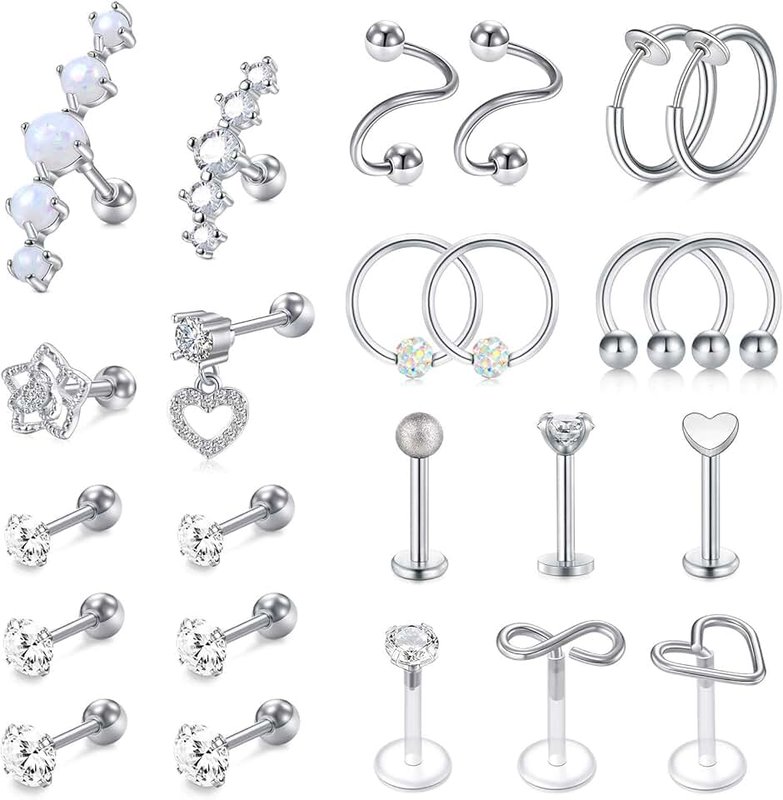
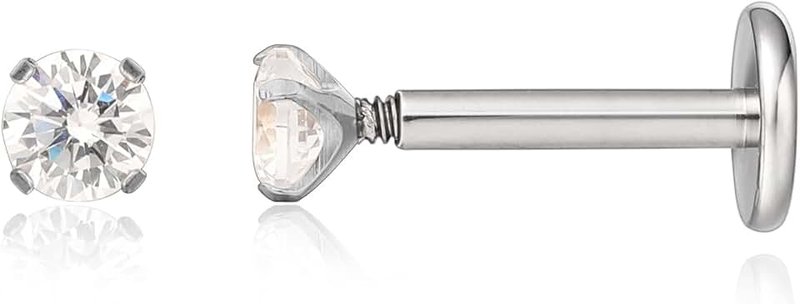
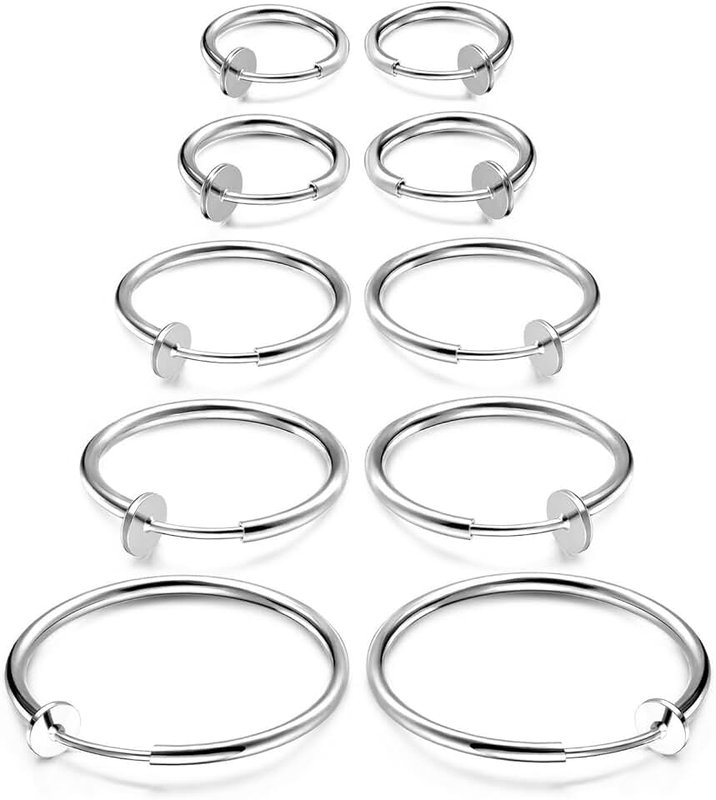
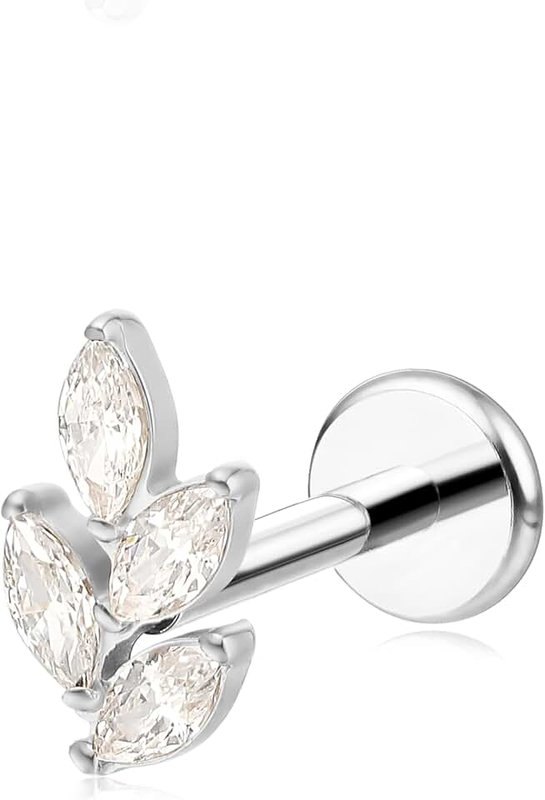
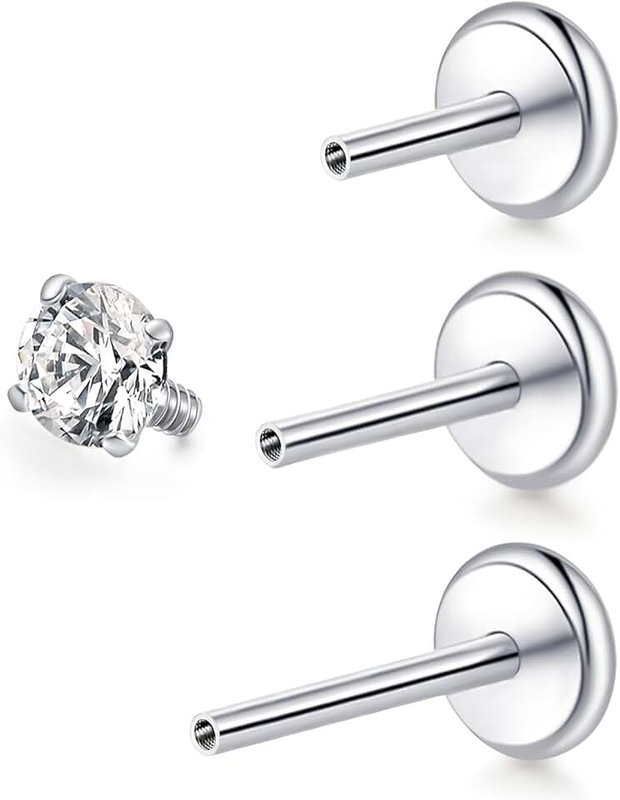
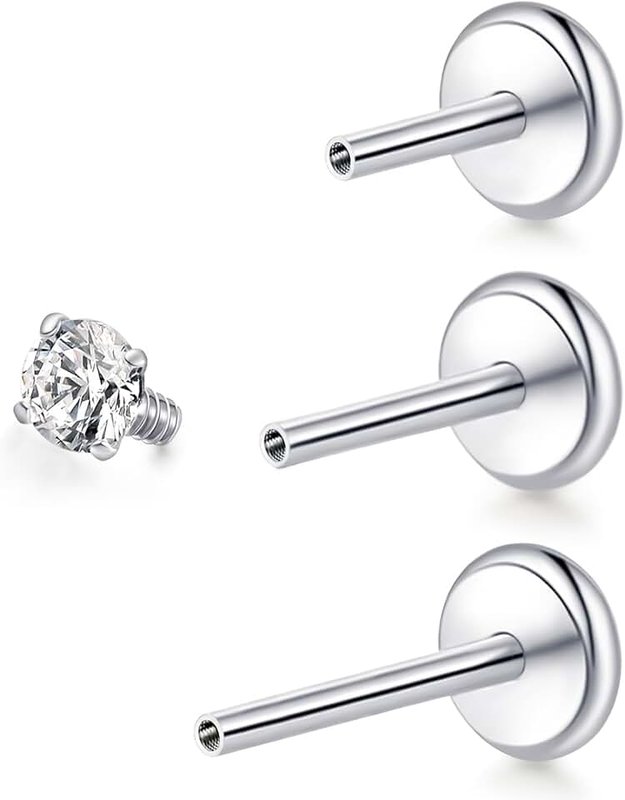
As an Amazon Associate, DreamPigeon earns from qualifying purchases. Prices and availability are accurate as of the date/time indicated and are subject to change.
The Australian Buyer’s Guide to Piercing Earrings
Not all earrings are created equal — and if you’ve ever swapped out your piercing earrings too soon or reached for the wrong metal, you’ll know exactly what I mean. Whether you’re healing a fresh lobe, upgrading a cartilage placement, or styling a double piercing, knowing what to look for makes a real difference to both comfort and longevity.
Material Is Everything
The single most important factor when choosing ear piercing jewellery is the material. For fresh piercings, you want implant-grade metals — implant-grade titanium (ASTM F136), implant-grade surgical steel (ASTM F138), solid 14k or 18k gold, or niobium. These are what professional piercers use, and for good reason. Cheap earrings for ear piercing made from mystery alloys or nickel-heavy bases are a fast track to irritation, delayed healing, and in some cases, allergic contact dermatitis.
Titanium is generally the go-to recommendation for newly pierced ears — it’s lightweight, biocompatible, and available in anodised colours without adding reactive coatings. If you’re shopping for ear piercing earrings in Australia, be aware that not all retailers stock implant-grade titanium, so it’s worth asking specifically rather than assuming “surgical steel” automatically means the highest grade.
Styles That Work for Fresh vs Healed Piercings
The style of piercing earring you choose should match where you’re at in the healing process. For a fresh lobe or cartilage piercing, a flat-back labret stud is typically the most comfortable — the flat disc sits flush against the skin, reducing snagging and pressure. Classic ball-back earrings for piercing work fine for lobes but can trap moisture in cartilage placements. Hoops and rings are generally saved for fully healed ears, as the movement during healing increases irritation.
Once healed, the world opens up. Pierced earrings in healed lobes can handle almost any style — huggies, drops, clusters, threaders. For those rocking a double piercing earring setup, think about how the pieces interact visually. A small flat stud paired with a delicate hoop in the second lobe is a clean combination that’s been popular across Australia for a few years now and doesn’t look overdone.
Sizing: Gauge and Length
Standard lobe piercings in Australia are typically done at 20g or 18g. Cartilage piercings — helix, tragus, forward helix — are usually 16g. Getting the gauge wrong when replacing your earring for ear piercing means either a tight, uncomfortable fit or a loose piece that moves around too much. If you’re unsure, ask your piercer before buying.
Post length matters more than most people realise. Ear piercing jewelry that’s too short can embed into swollen tissue during healing; too long and it catches on everything. For fresh lobes, 6–8mm is a common starting length. For cartilage, 6mm is standard once initial swelling settles down.
What to Expect to Pay in Australia
Quality earrings piercings come at a range of price points. Implant-grade titanium studs from a reputable piercing studio or online supplier typically run 0–0 AUD per piece. Solid 14k gold ear piercings earrings start around 0–0 and go up depending on stone setting and craftsmanship. Budget earrings piercing sets under 5 are widely available, but the material quality is often questionable — fine for healed piercings if you react well to the metal, but not suitable for anything fresh or sensitive.
When buying ear piercing earrings Australia-wide through online retailers, check whether the listing specifies material certifications. Any reputable seller of earrings for piercing should be able to tell you exactly what alloy they’re working with. Vague terms like “hypoallergenic” or “stainless” without grade specifics are a red flag.
Aftercare and Jewellery Swaps
Even the best ear piercing earrings won’t perform well if aftercare is ignored. Saline spray twice daily, no touching with unwashed hands, and resisting the urge to rotate the jewellery are the basics. Most lobe piercings take 6–9 months to fully heal — cartilage can take 12–18 months. Swapping out your earring piercing too early is the most common reason people struggle with ongoing irritation and angry bumps.
When you do make the switch to fashion pieces in healed piercings, rinse them before wearing and give your ears a break from heavy or dangling styles if you notice any tenderness returning. That’s your body telling you to go back to basics for a week or two — a simple implant-grade stud, good saline routine, and a bit of patience sorts most setbacks out without needing to start from scratch.
How do I know if piercing earrings are genuine quality?
Look for hallmarks, stamps, or certificates that verify the material. Reputable Australian sellers provide authenticity details and clear return policies. Check the weight and finish — quality pieces feel solid and have a clean, even surface without rough spots or discolouration.
What is the best way to care for piercing earrings?
Clean with a soft cloth and lukewarm water with mild soap. Avoid exposure to harsh chemicals, chlorine, and perfumes. Store each piece separately in a soft pouch or lined box to prevent scratches. Regular gentle cleaning keeps the appearance fresh without risking damage.
Can I buy piercing earrings online in Australia with confidence?
Yes, provided you buy from established sellers with clear product descriptions, genuine photos, and a solid returns policy. Check customer reviews and look for Australian-based businesses or those with local support. Compare prices across a few trusted sources to make sure you are getting fair value.