

Amethyst Bracelets
As an Amazon Associate, DreamPigeon earns from qualifying purchases. Prices and availability are accurate as of the date/time indicated and are subject to change.
How to Buy Amethyst Bracelets: A Practical Guide for Australian Shoppers
Amethyst bracelets are one of those pieces that look deceptively simple but vary enormously in quality. The difference between a bracelet that stays beautiful for decades and one that fades or falls apart within a year usually comes down to a few specific things — the stone quality, the setting, and the metal. Here’s what to actually look for before you spend your money.
Natural vs Raw vs Genuine — These Terms Aren’t Interchangeable
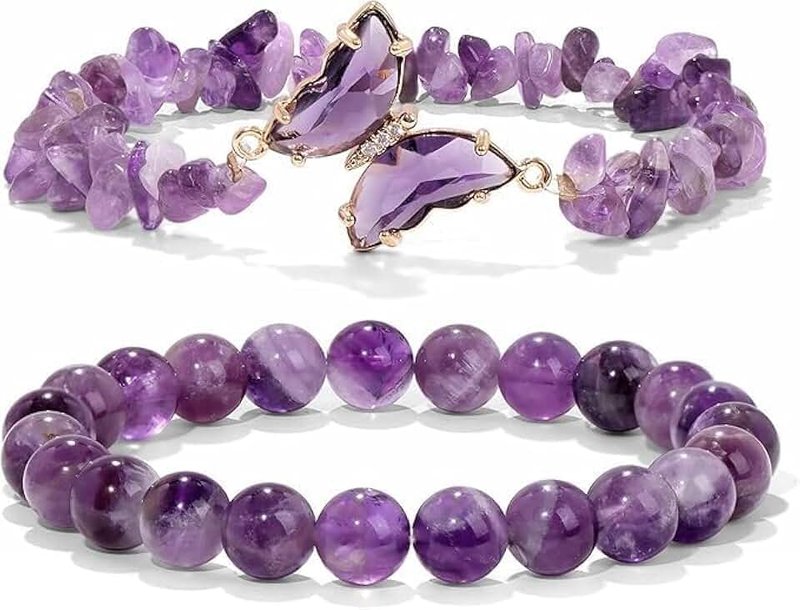
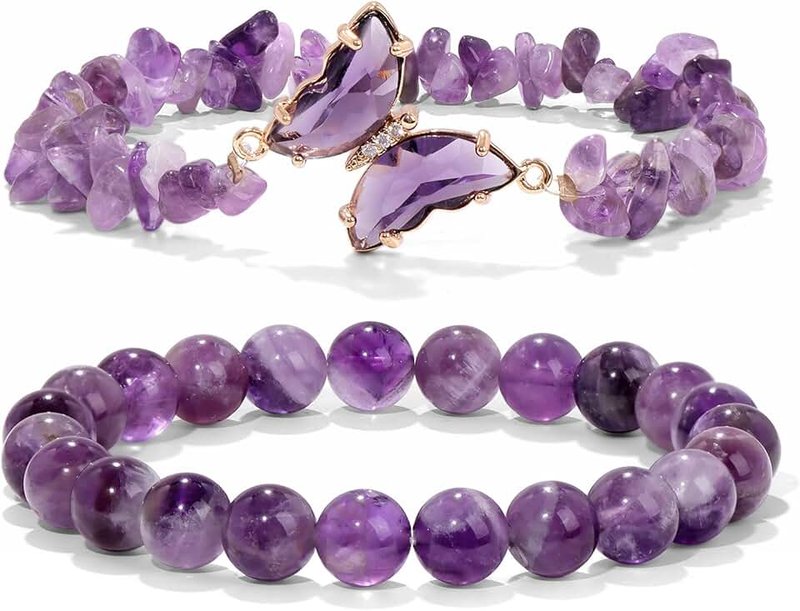
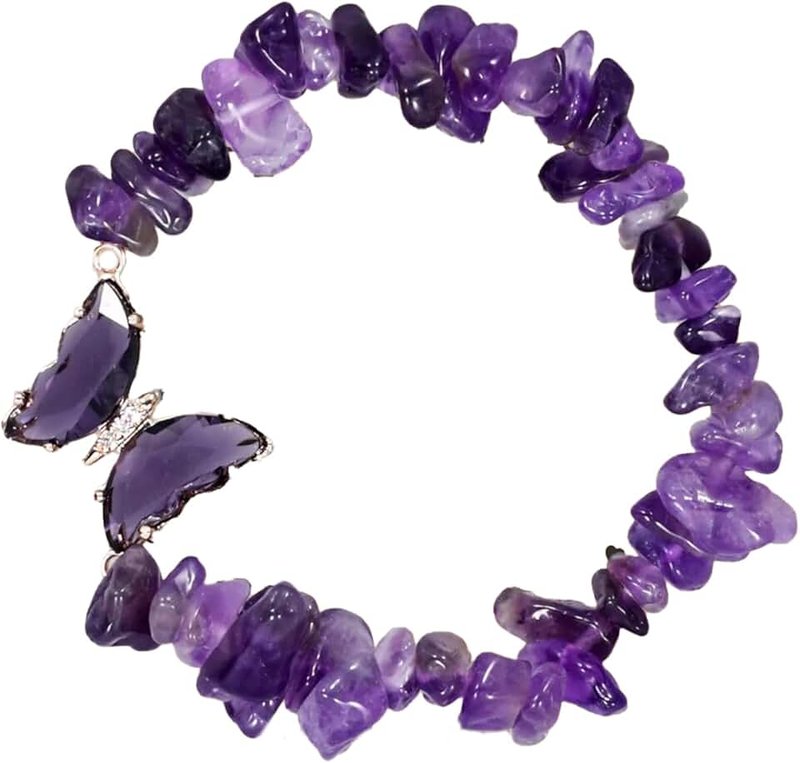
A lot of listings throw around words like “genuine amethyst bracelet” and “natural amethyst bracelet” without much consistency, so it helps to know what each actually means. A genuine amethyst bracelet simply means the stones are real amethyst rather than glass or synthetic imitation — that’s the bare minimum. A natural amethyst bracelet goes a step further: the stones haven’t been synthesised in a lab, though they may still have been heat-treated (which is standard practice and not a red flag on its own). A raw amethyst bracelet, on the other hand, uses uncut, unpolished crystal chunks rather than shaped beads — these have a rougher, more earthy look that suits some styles better than others. Neither is superior; it’s purely about the aesthetic you’re after.
What you do want to avoid is dyed quartz being sold as amethyst. With a real amethyst bracelet, the colour should have natural variation — slightly lighter in the centre of each stone, deeper at the edges. Uniform, saturated purple throughout an entire bead is often a sign of dyed material. If you’re buying in person, that’s easy to check under good lighting. Online, ask the seller directly whether the stones are colour-treated.
Choosing Between Amethyst Beads and Crystal Settings
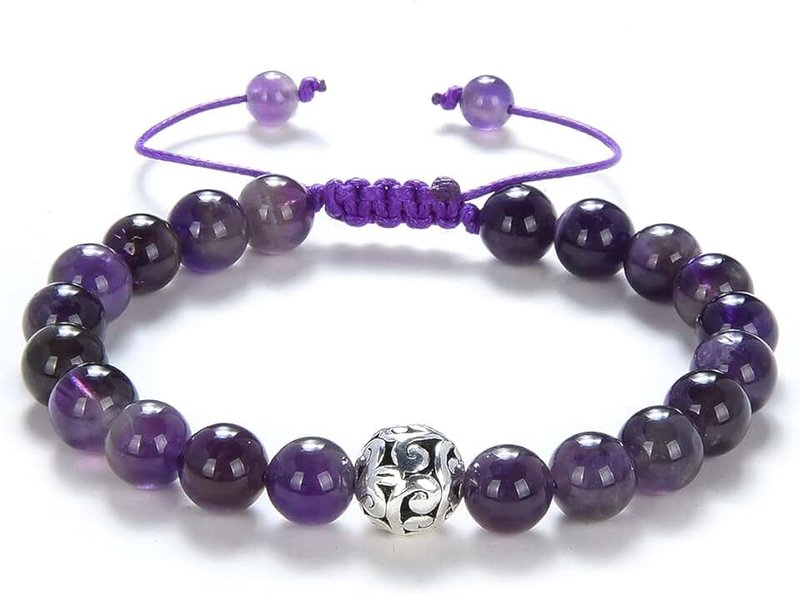
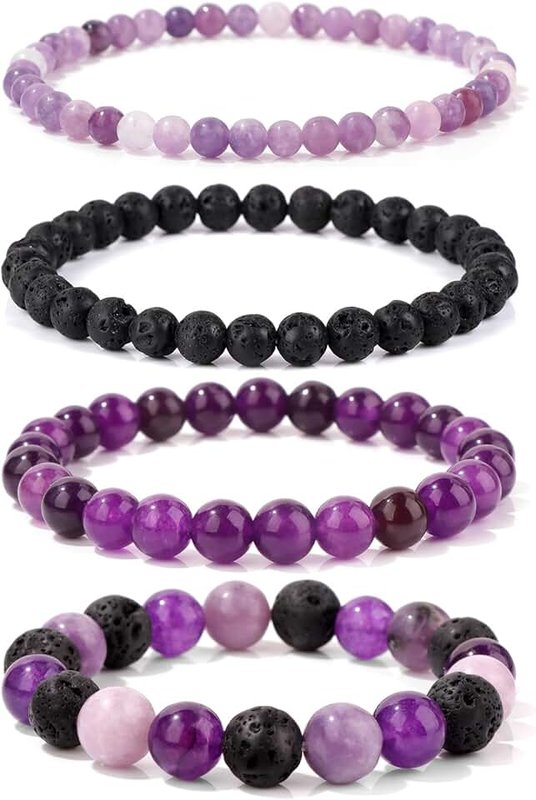
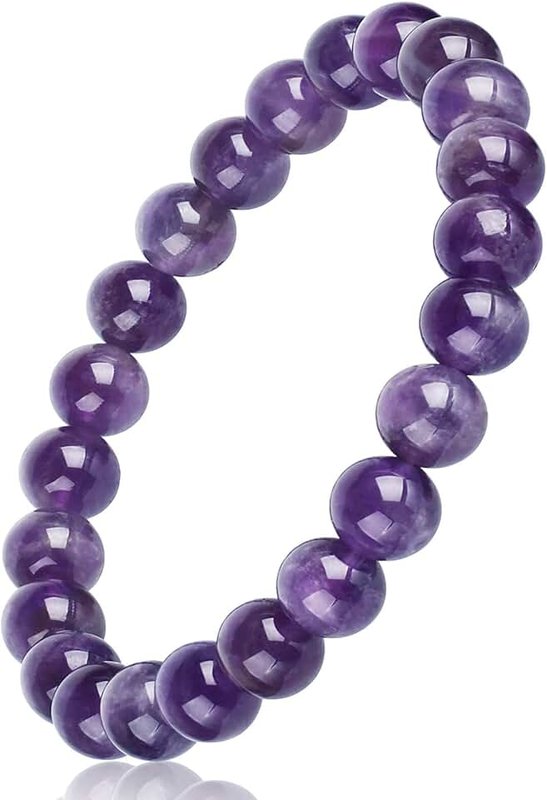
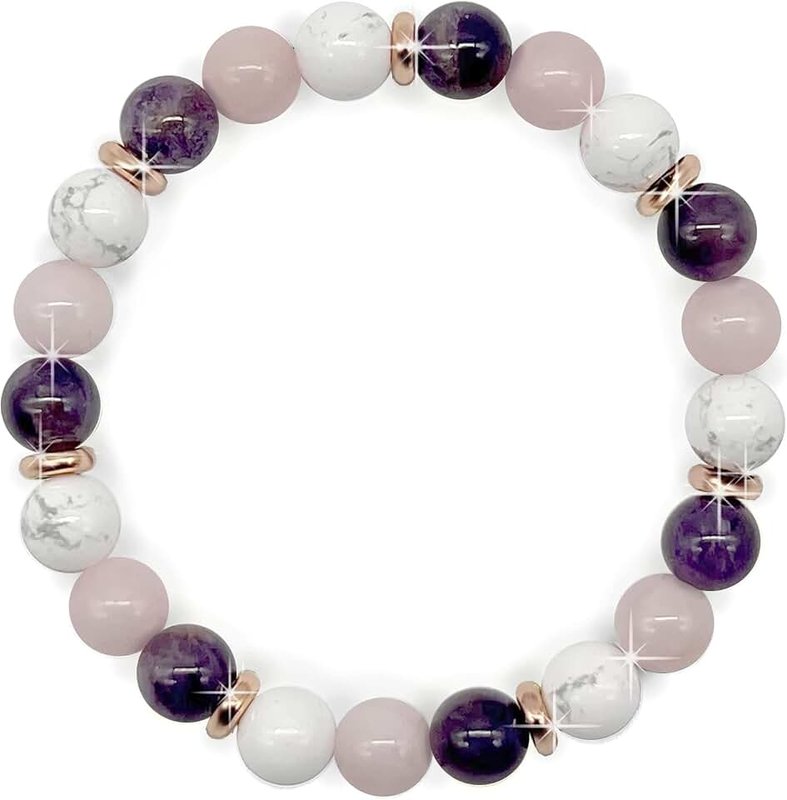
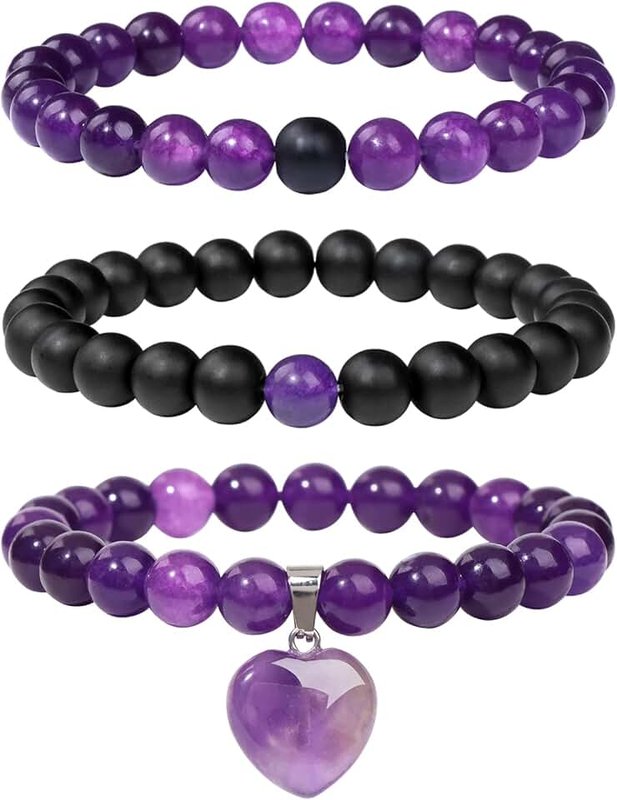
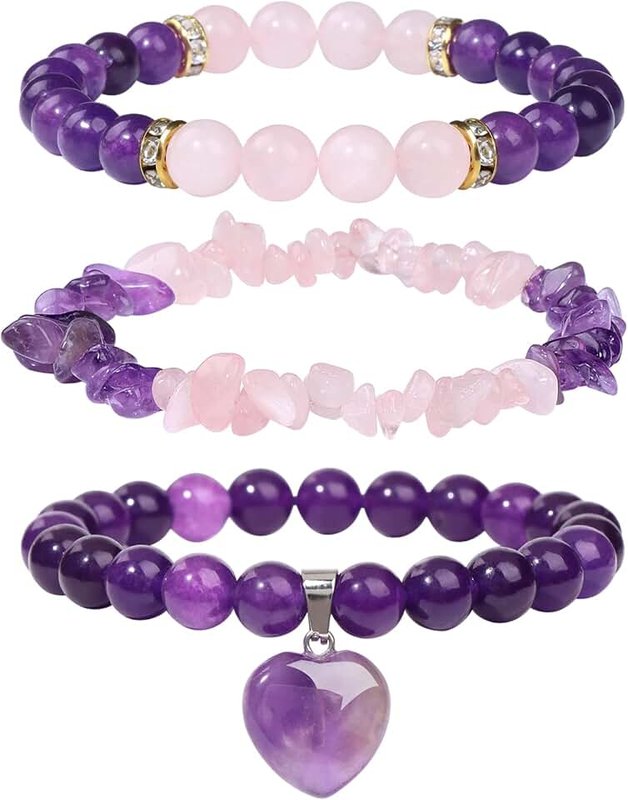
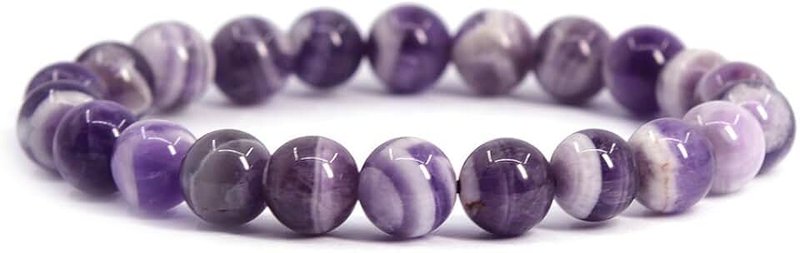
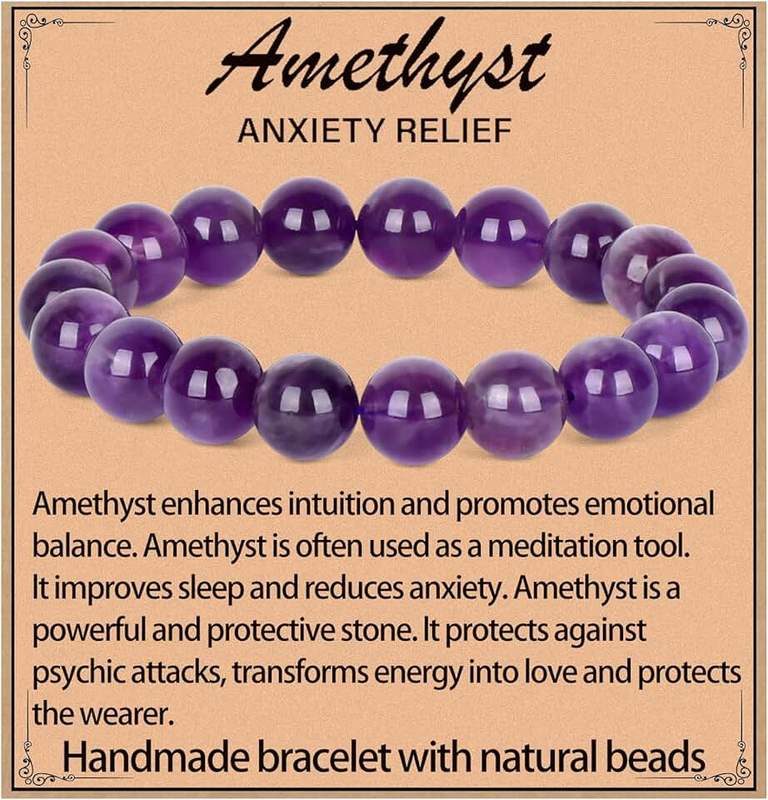
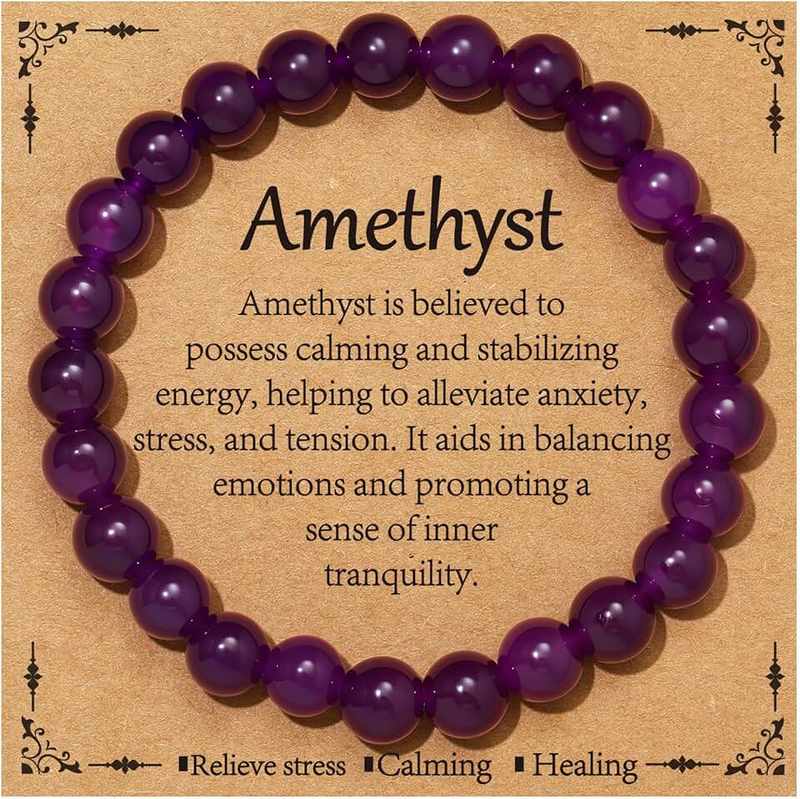
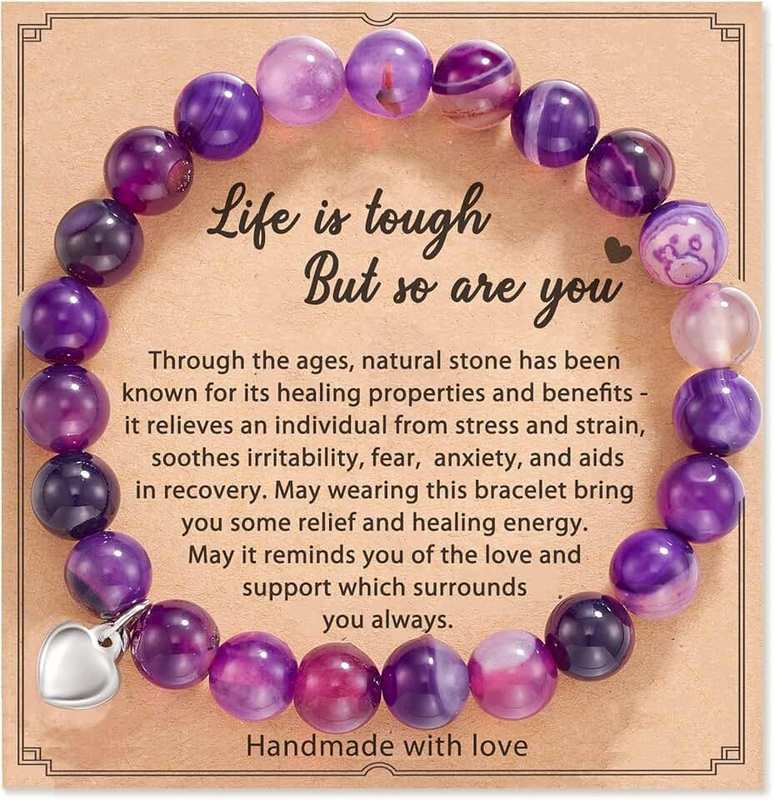
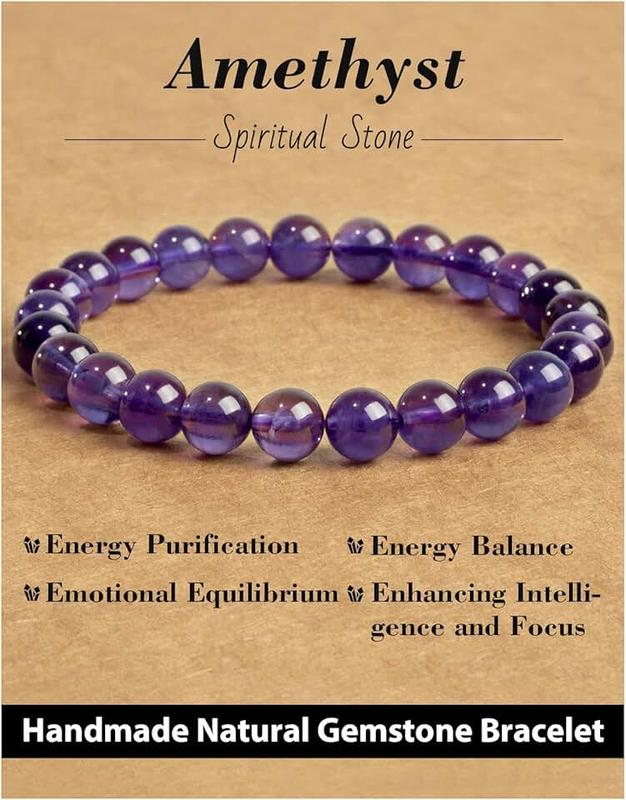
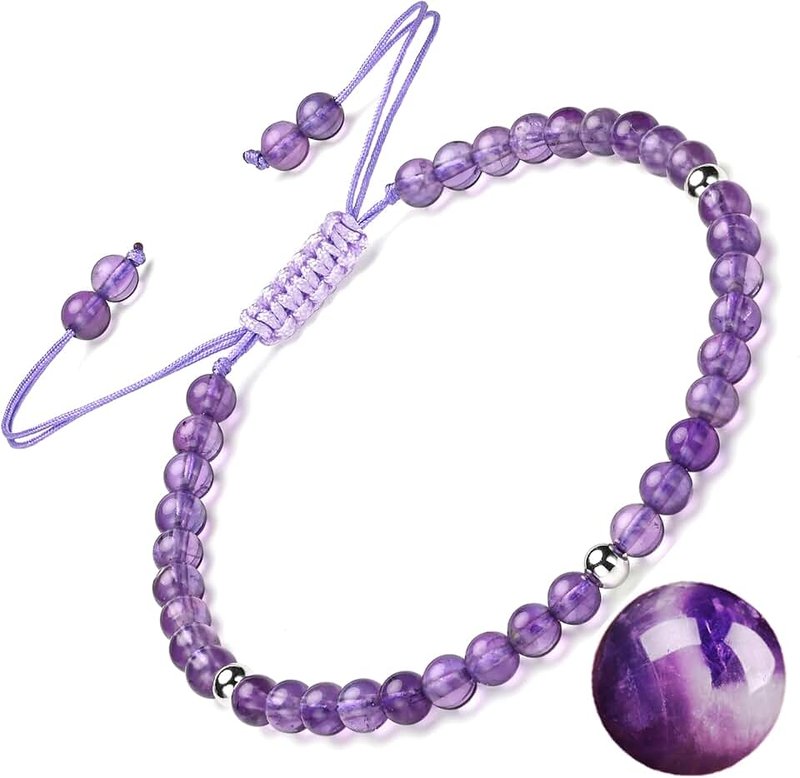
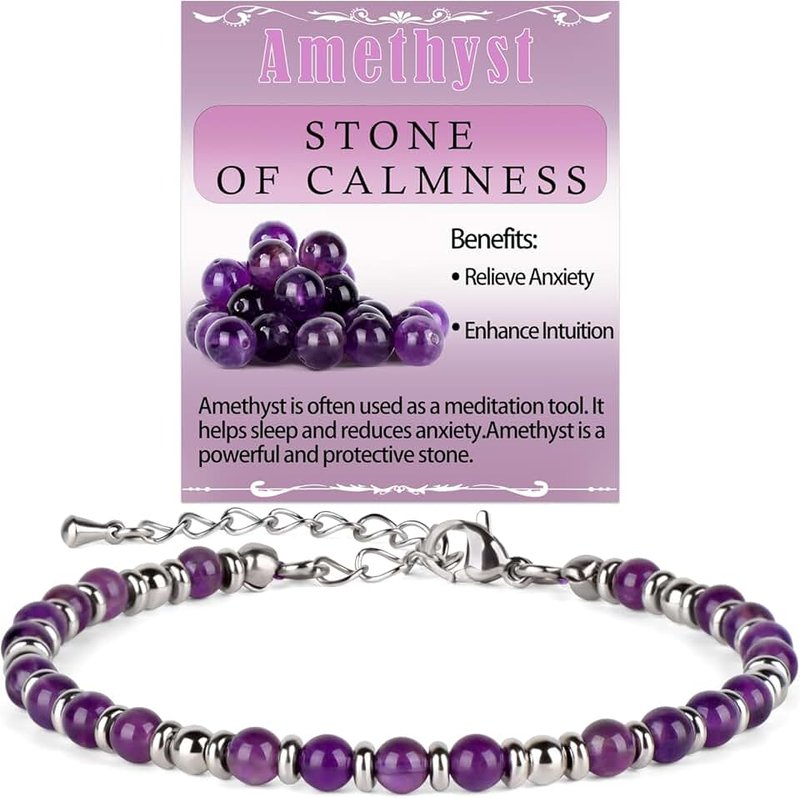
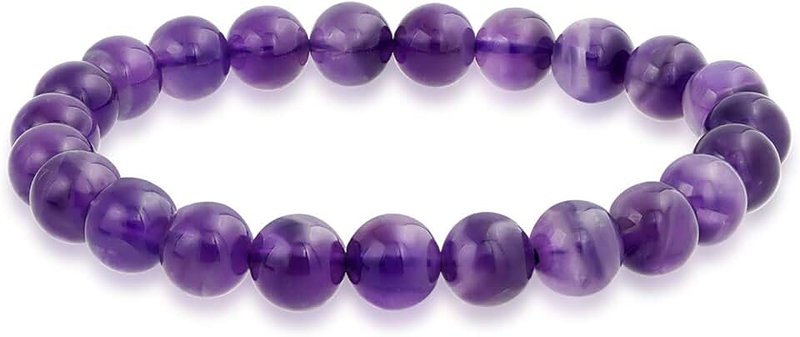
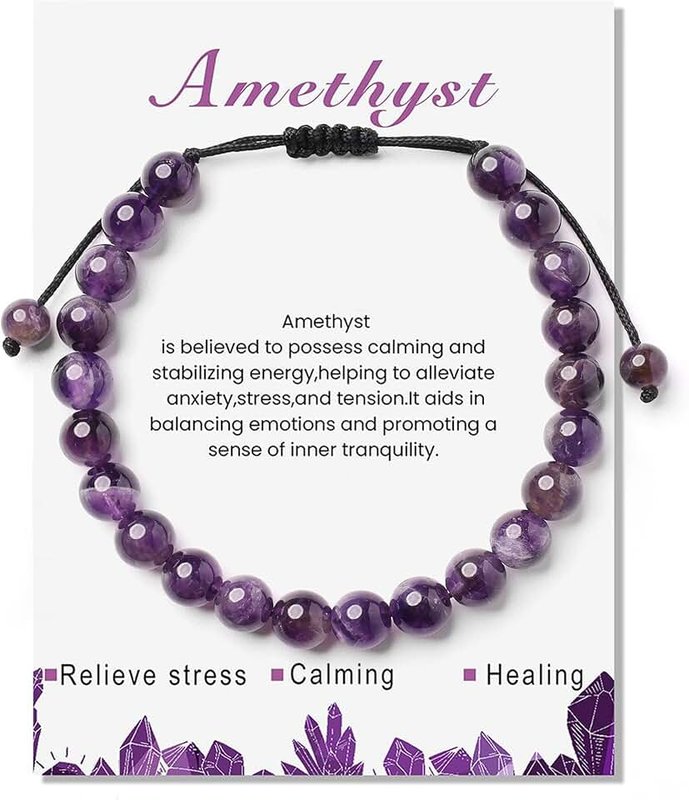
Most amethyst bracelets you’ll encounter fall into two categories: bead-strung designs and crystal-set pieces. An amethyst bead bracelet — sometimes called an amethyst crystal bracelet when the beads are faceted — typically features round or oval stones strung on elastic or wire. These are comfortable, stackable, and usually more affordable. The quality of an amethyst bead bracelet depends heavily on the bead grade: AAA-grade beads have deep, even colour with minimal inclusions, while lower grades may look washed out or cloudy.
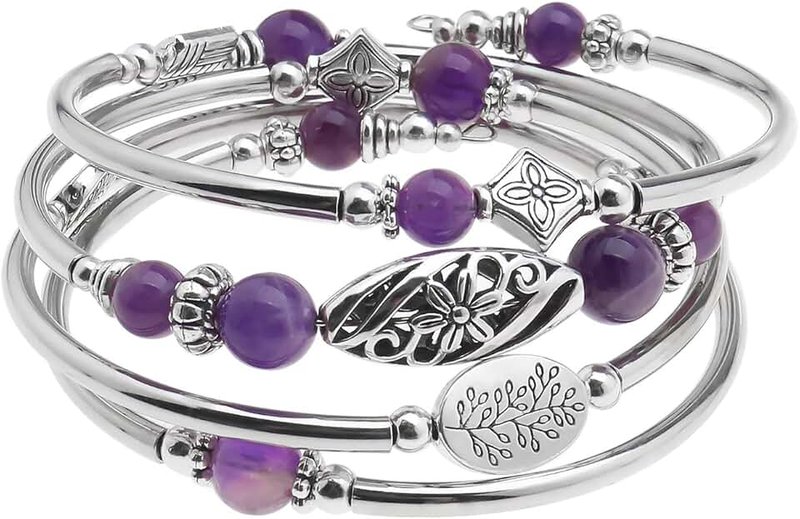
Crystal-set designs mount individual amethyst stones into metal settings, which allows for more detailed work and tends to suit dressier occasions. The choice of metal here matters a lot — more on that below.
Gold, Silver, or Something Else?
The metal you choose changes the entire feel of the piece. A silver amethyst bracelet is the most versatile — cool tones in sterling silver complement amethyst’s violet hues beautifully, and silver keeps the price more accessible without looking cheap. For something warmer and more luxurious, a gold amethyst bracelet reads as considerably more formal. Whether you go for a yellow amethyst and gold bracelet or a rose gold variation depends on your existing jewellery and skin tone — yellow gold suits deeper, richer purple amethyst, while rose gold works particularly well with lighter lavender stones.
If you’re shopping for an amethyst bracelet gold options in Australia, clarify whether you’re looking at solid gold, gold-filled, or gold-plated. Solid gold (9ct or 18ct) will hold its colour and value indefinitely. Gold-filled is a good middle ground — a genuine amethyst bracelet in gold-filled construction will last years with normal wear. Gold-plated is the cheapest option but the plating does wear through, particularly on pieces worn daily.
What to Expect to Pay in Australia
For anyone searching for an amethyst bracelet australia-wide, prices vary significantly depending on the metal and stone quality. A basic elastic amethyst bead bracelet in lower-grade stones starts around 0–0. Mid-range amethyst beads in AAA grade on sterling silver wire run 0–50. A well-made silver amethyst bracelet with a solid clasp and quality stones sits comfortably in the 00–50 range. For a solid 9ct amethyst bracelet gold or an amethyst gold bracelet with good-sized stones, budget from 00 upward — and considerably more for 18ct.
A Few Practical Things Before You Buy
Always check the clasp on any amethyst bracelet before purchasing — this is where cheaper pieces tend to fail first. A lobster clasp or toggle closure on a well-made silver amethyst bracelet will outlast the spring-ring closures common on budget pieces. For bead-strung designs, ask whether the cord is double-strung or knotted between each bead; this protects against losing all your stones at once if the cord breaks. And regardless of whether you’re buying a raw amethyst bracelet or a polished amethyst crystal bracelet, amethyst is sensitive to prolonged sun exposure — the colour can fade over time, so it’s worth removing it before extended time outdoors.
How do I know if amethyst bracelets are genuine quality?
Look for hallmarks, stamps, or certificates that verify the material. Reputable Australian sellers provide authenticity details and clear return policies. Check the weight and finish — quality pieces feel solid and have a clean, even surface without rough spots or discolouration.
What is the best way to care for amethyst bracelets?
Clean with a soft cloth and lukewarm water with mild soap. Avoid exposure to harsh chemicals, chlorine, and perfumes. Store each piece separately in a soft pouch or lined box to prevent scratches. Regular gentle cleaning keeps the appearance fresh without risking damage.
Can I buy amethyst bracelets online in Australia with confidence?
Yes, provided you buy from established sellers with clear product descriptions, genuine photos, and a solid returns policy. Check customer reviews and look for Australian-based businesses or those with local support. Compare prices across a few trusted sources to make sure you are getting fair value.