

Freshwater Pearl Necklace
As an Amazon Associate, DreamPigeon earns from qualifying purchases. Prices and availability are accurate as of the date/time indicated and are subject to change.
Buying a Freshwater Pearl Necklace: Expert Tips
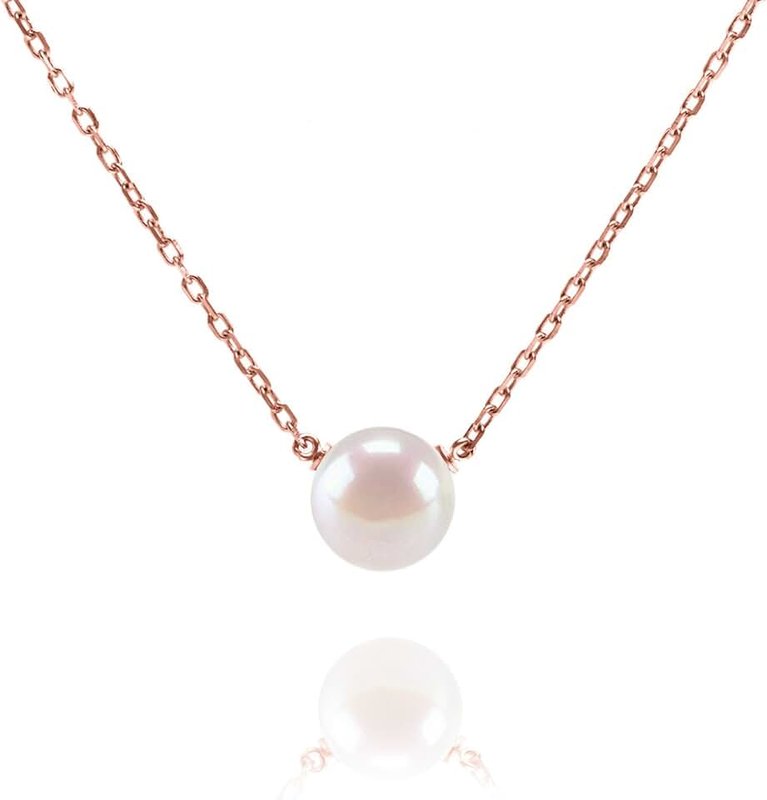
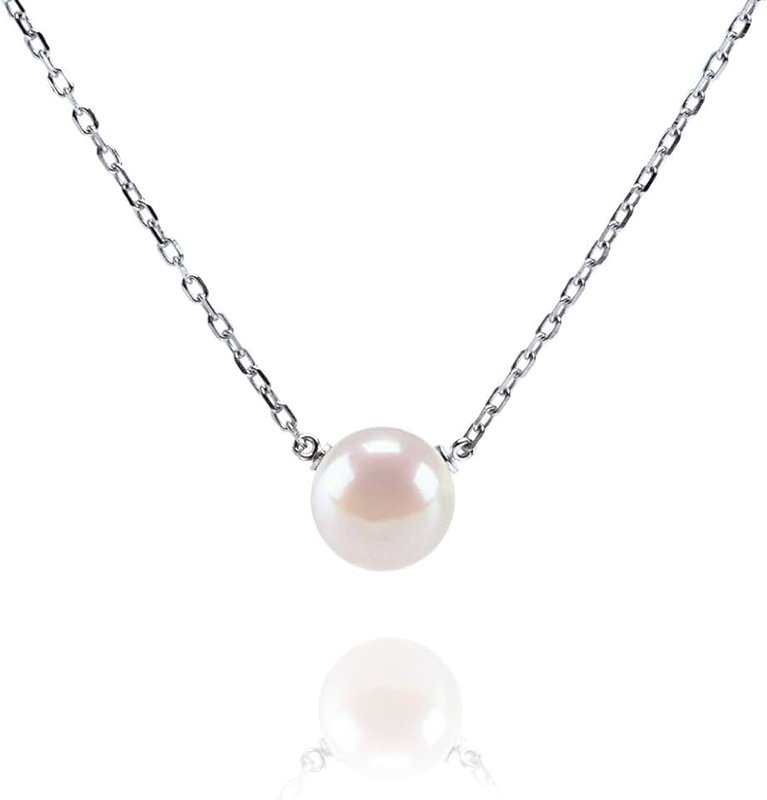
Freshwater pearls are grown in mussels in rivers and lakes, primarily in China, and they have transformed the pearl market over the past two decades. A freshwater pearl necklace delivers genuine lustre and elegance at a fraction of what saltwater pearls (Akoya, Tahitian, South Sea) cost. But quality varies widely, and knowing what to look for saves you from overpaying for mediocre pearls.
What Makes Freshwater Pearls Different
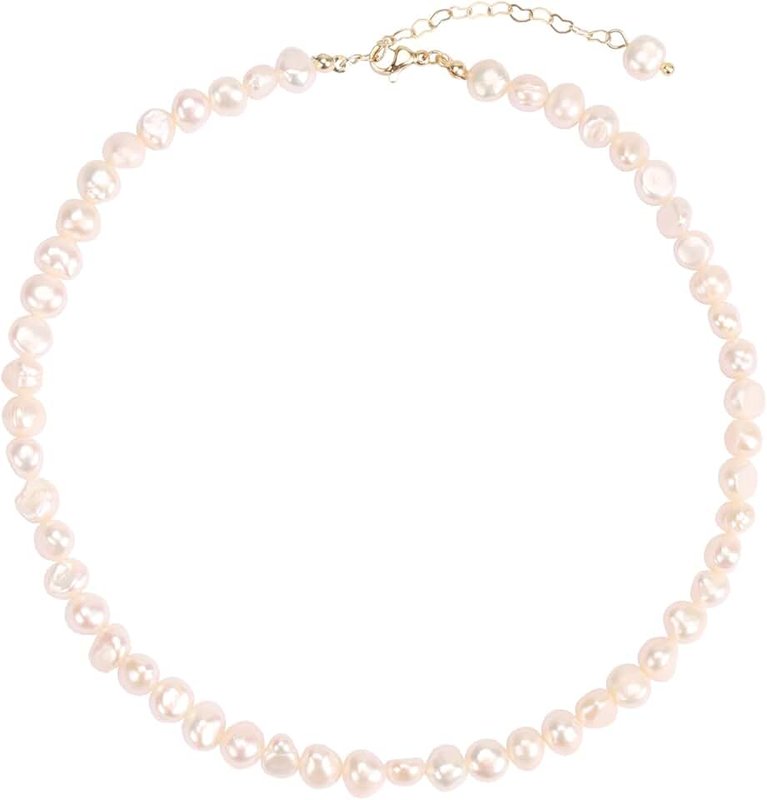
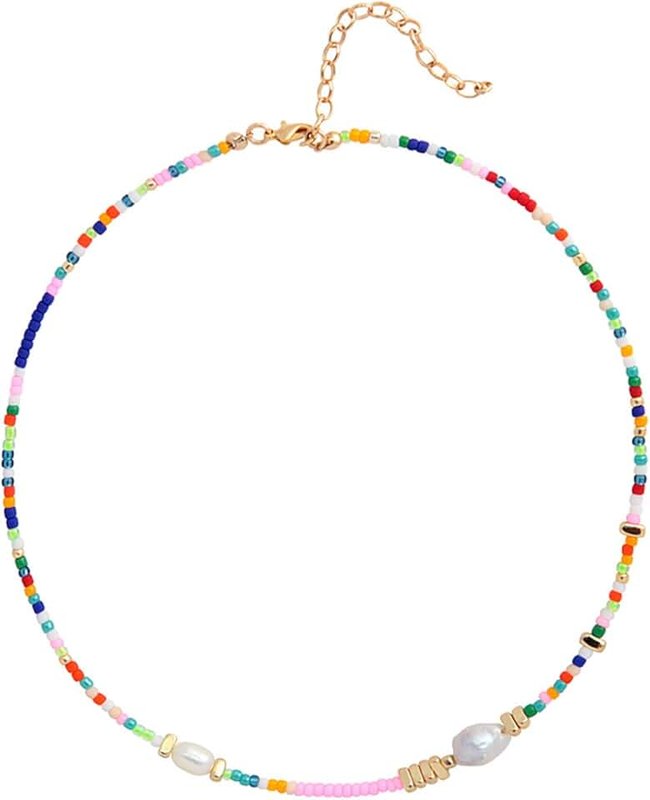
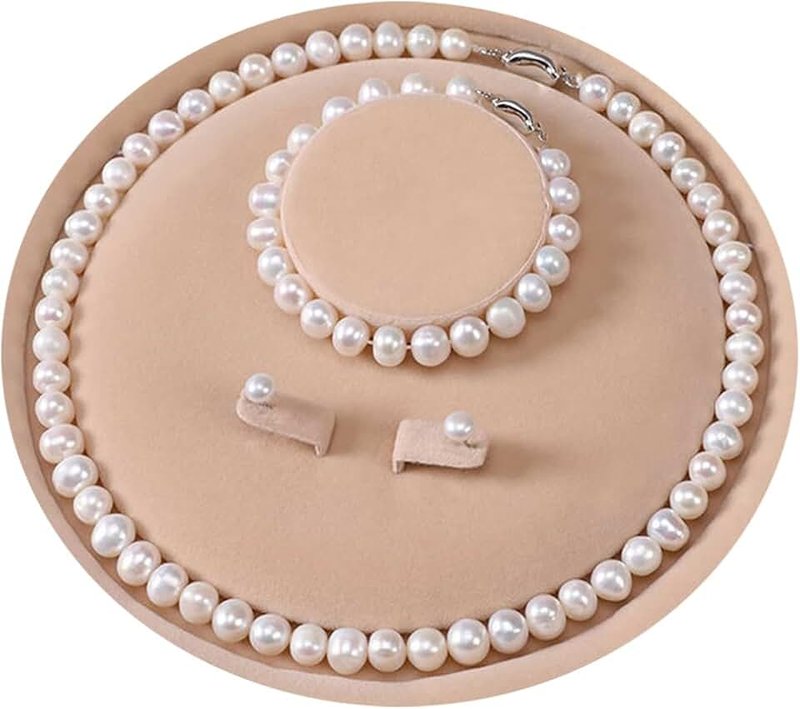
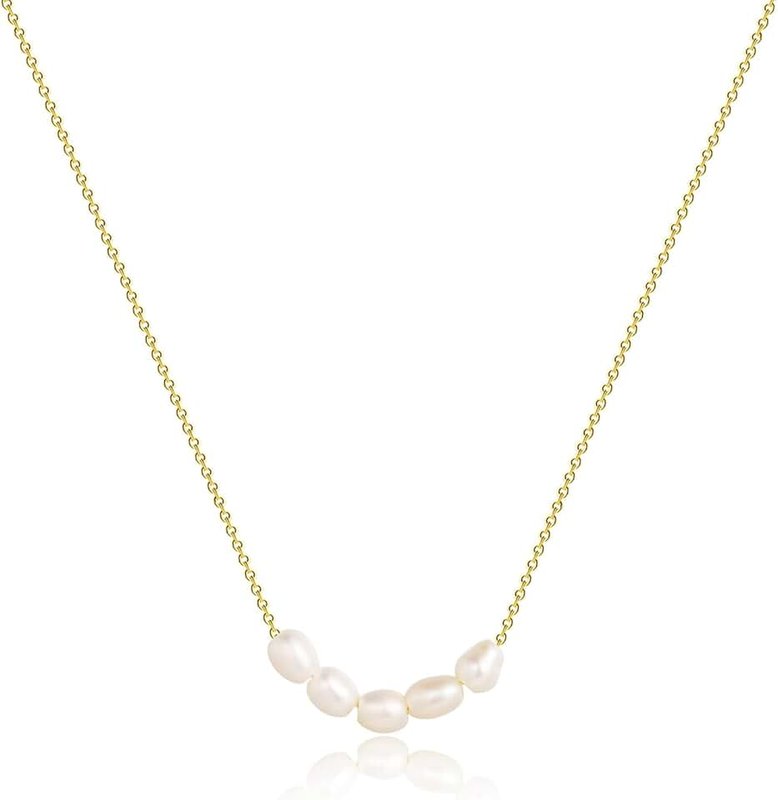
Freshwater pearls are solid nacre — the mussel deposits layer after layer of nacre around a tissue graft (no bead nucleus), producing a pearl that is nacre through and through. This makes them more durable than many saltwater pearls that have a thin nacre coating over a bead. Freshwater pearls come in white, cream, pink, peach, and lavender. Their shapes range from perfectly round to baroque (irregular), with round being the most valued and baroque offering a distinctive, organic aesthetic.
Evaluating Quality
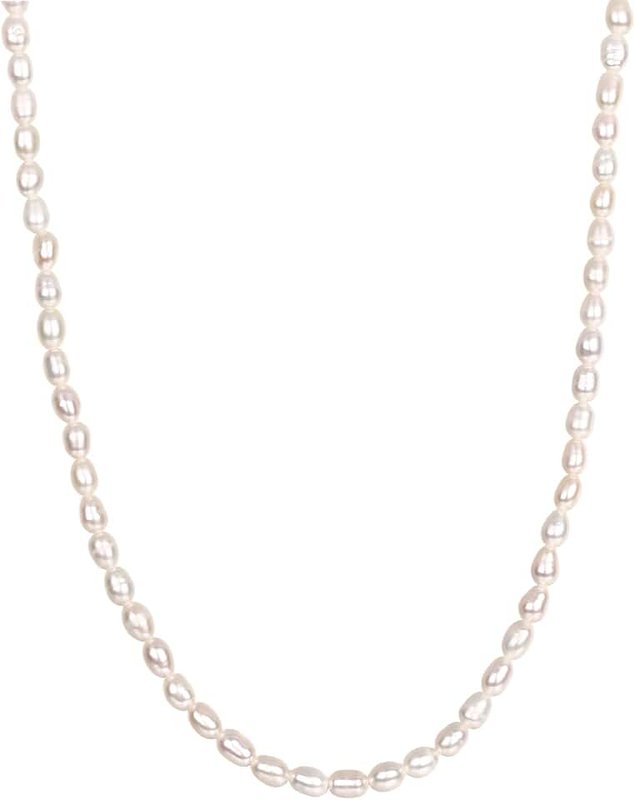
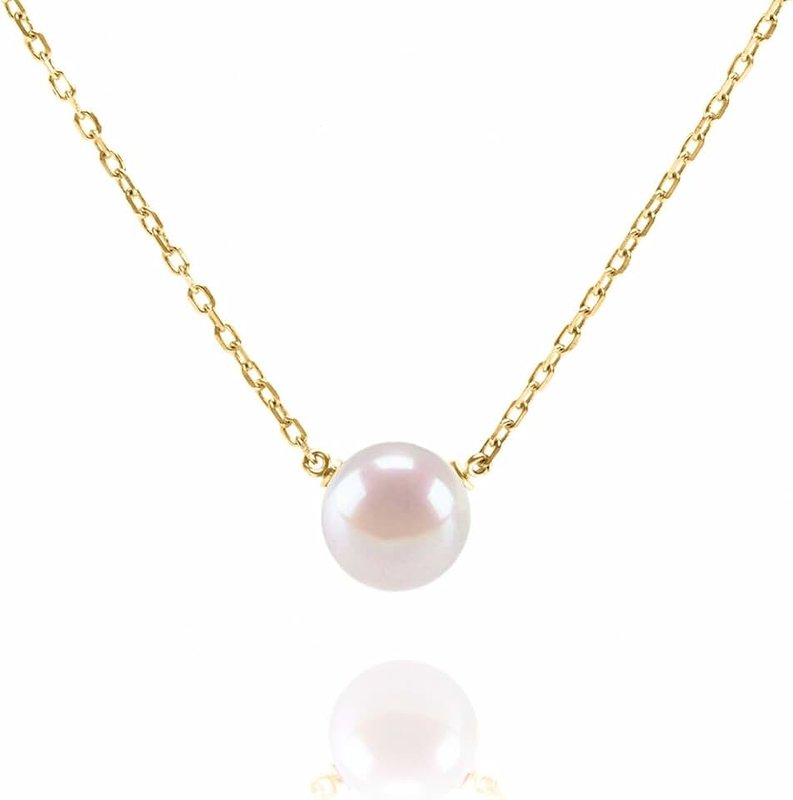
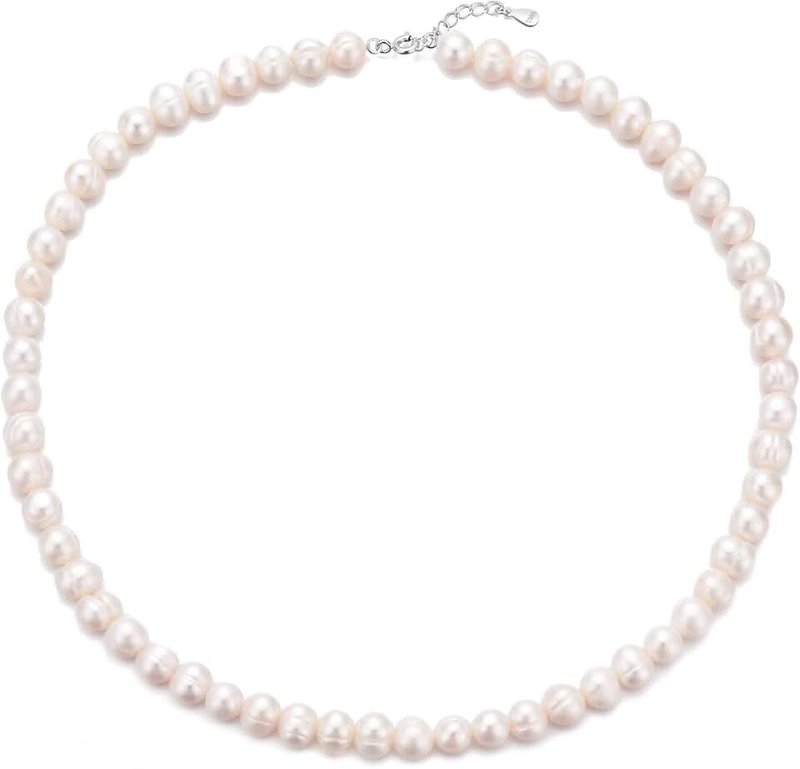
Lustre is the single most important quality factor. A high-lustre freshwater pearl necklace shows sharp, bright reflections on the surface — you can almost see your face in each pearl. Chalky, dull pearls lack lustre and are lower grade regardless of size. Surface quality matters too: minor blemishes are normal and expected, but heavy pitting, cracks, or peeling nacre indicate poor quality. Size ranges from tiny seed pearls (2 mm) to impressive 12 mm+ specimens, with price climbing sharply above 9 mm.
Matching and Stringing
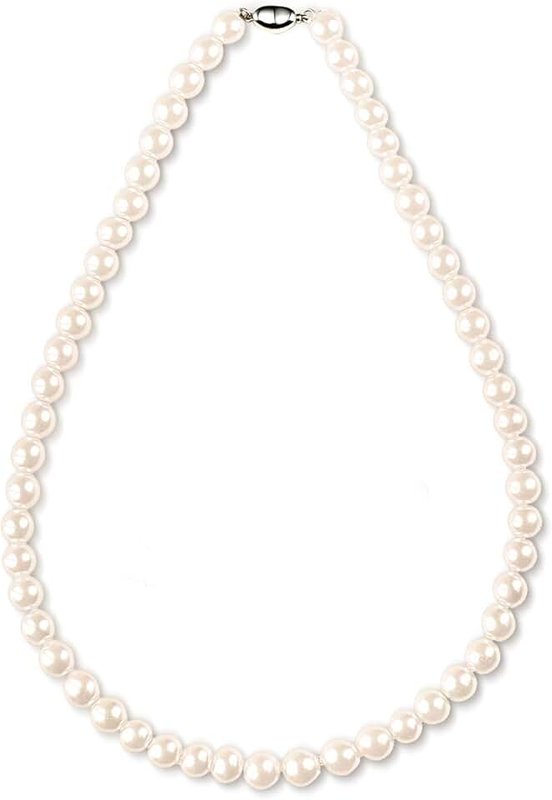
On a well-matched necklace, every pearl should be similar in size, shape, colour, and lustre. Hold the strand at eye level and roll it slowly — inconsistencies in shape or size become obvious. Quality necklaces are individually knotted between each pearl, which prevents pearls from rubbing together and stops the entire strand from scattering if the string breaks. Silk thread is the traditional stringing material; nylon-coated steel wire is an alternative that lasts longer but lacks the drape of silk.
Length Guide
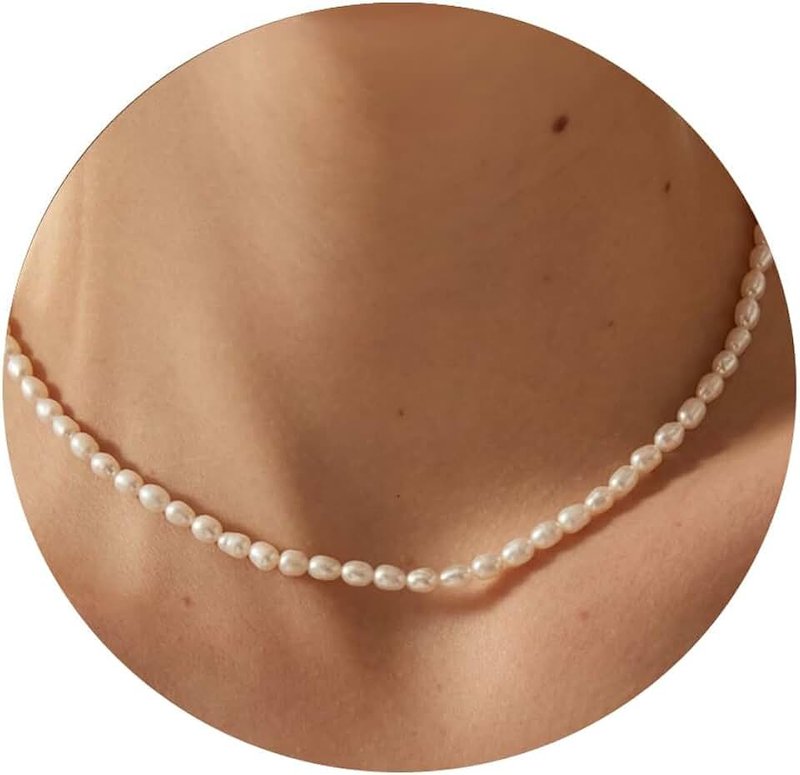
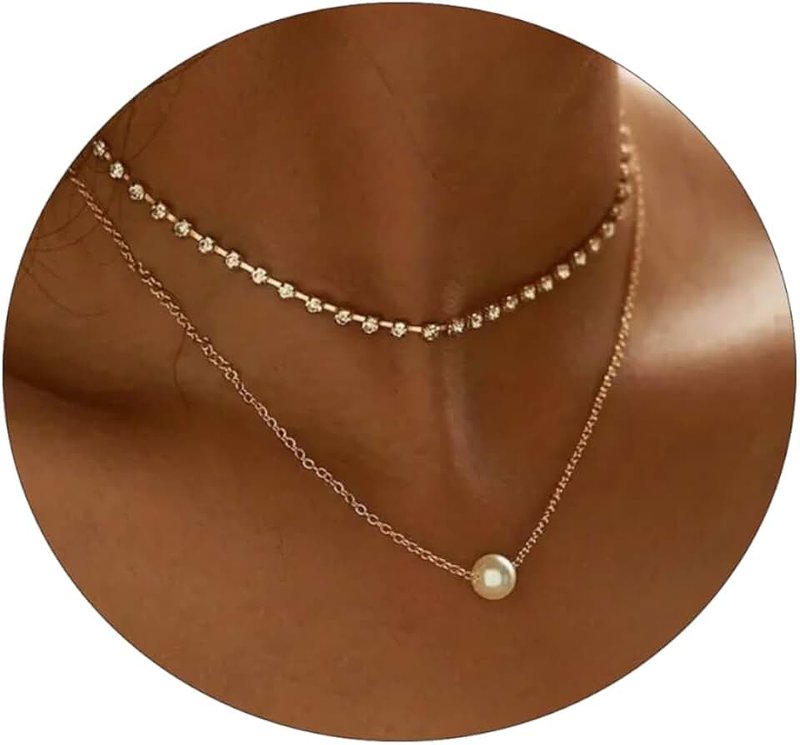
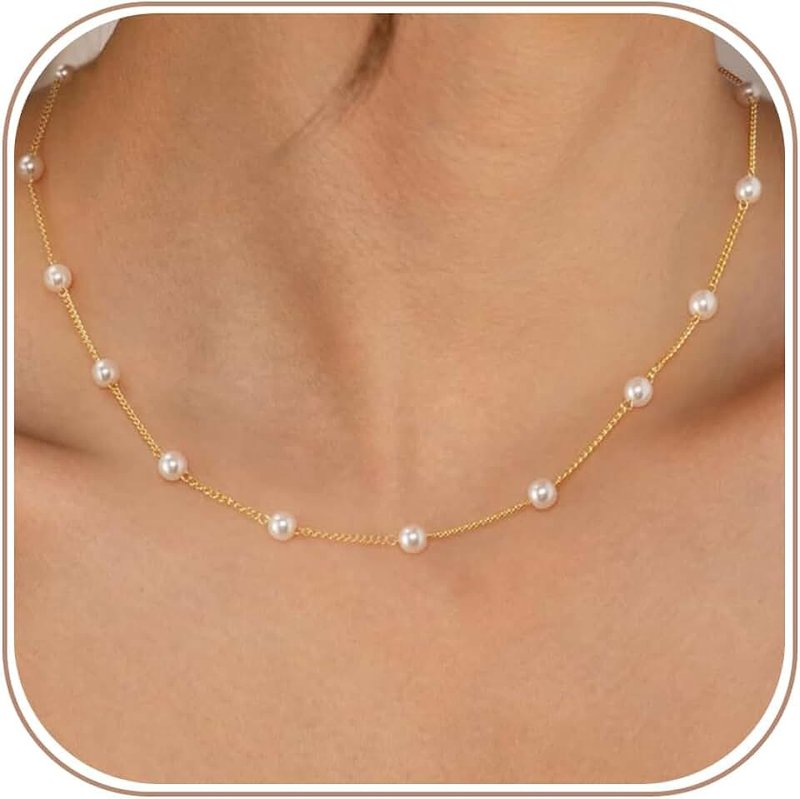
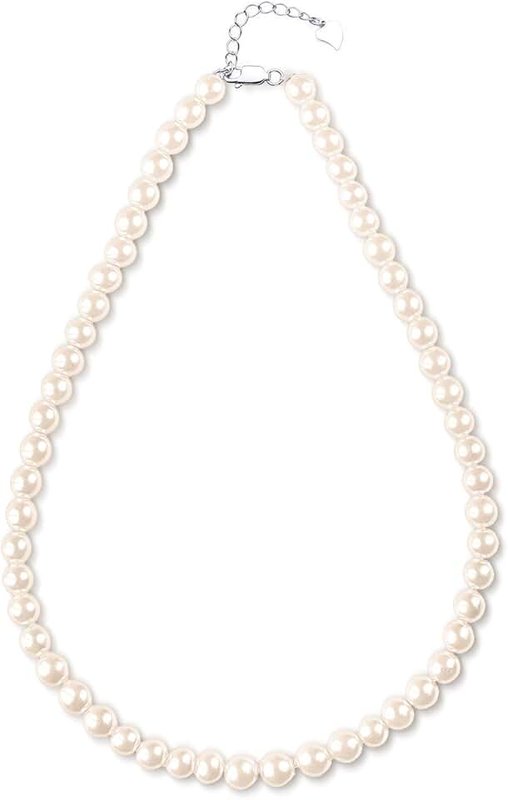
A choker length (35 to 40 cm) sits against the throat and suits formal wear. A princess length (43 to 48 cm) is the most versatile — it falls just below the collarbone and works with almost any neckline. Matinee length (50 to 58 cm) sits at the upper chest and pairs well with business attire. Opera length (70 to 80 cm) and rope length (90 cm+) can be doubled or knotted for a more dramatic effect.
Clasp Types
A freshwater pearl necklace clasp should be secure but easy to operate. Fishhook clasps are traditional for pearl strands. Box clasps are more secure and can feature decorative elements. Magnetic clasps are convenient but may open under strain. Sterling silver or gold clasps indicate a higher-quality piece; base metal clasps suggest the pearls may be lower grade too.
Care and Storage
Pearls are organic and sensitive. Put your necklace on last (after perfume, hairspray, and makeup) and take it off first at the end of the day. Wipe with a damp, soft cloth after wearing. Store flat in a soft pouch — never in an airtight container, as pearls need a trace of moisture. Have the strand restrung every one to two years if you wear it regularly, as silk stretches and weakens over time.
Pricing
Freshwater pearl necklaces in Australia typically range from $20 to $141 AUD. Price depends on pearl size, lustre, surface quality, shape (round commands a premium), and strand length. A well-chosen freshwater pearl necklace at the mid-range offers remarkable value compared to saltwater alternatives costing many times more.
Are freshwater pearls real pearls?
Absolutely. Freshwater pearls are genuine pearls grown inside freshwater mussels. They are composed of solid nacre, the same material that gives all pearls their lustre. They are not imitation or simulated — they are cultured natural pearls.
How can I tell if freshwater pearls are good quality?
Check the lustre first — high-quality pearls have a bright, mirror-like surface sheen. Then look at the surface for excessive blemishes, and check that the pearls are well-matched in size and colour across the strand. A gritty feel when you rub two pearls together (the ‘tooth test’) confirms they are real nacre, not plastic.
How long does a freshwater pearl necklace last?
With proper care, a freshwater pearl necklace lasts a lifetime and can be passed down through generations. The pearls themselves are durable solid nacre. The silk thread will need restringing every one to two years with regular wear, which any jeweller can do.
Can I wear pearls every day?
Yes, but take a few precautions. Put the necklace on after applying cosmetics and perfume. Remove it before showering, swimming, or exercising. Wipe it gently after each wear. These simple habits keep the pearls lustrous for decades.
What is the difference between freshwater and saltwater pearls?
Freshwater pearls are grown in mussels in rivers and lakes and are solid nacre. Saltwater pearls (Akoya, Tahitian, South Sea) grow in oysters in the ocean around a bead nucleus. Saltwater pearls are generally rounder and more expensive, but top-grade freshwater pearls now rival them in lustre and shape at a much lower price.