

Ruby Necklace
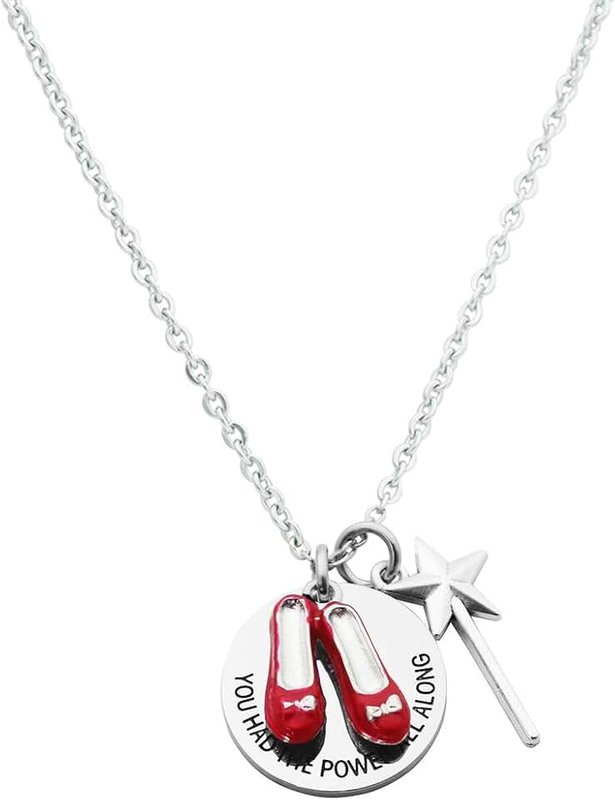
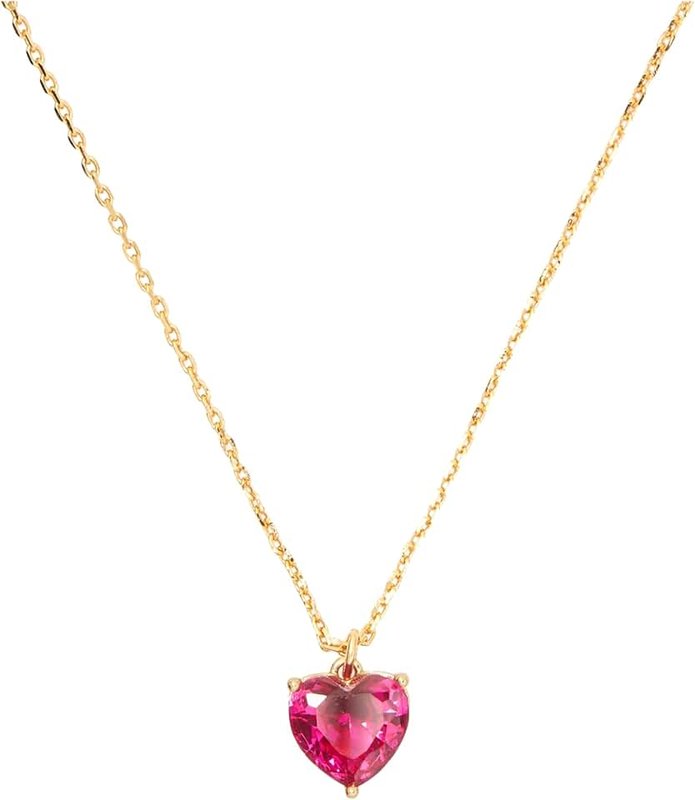
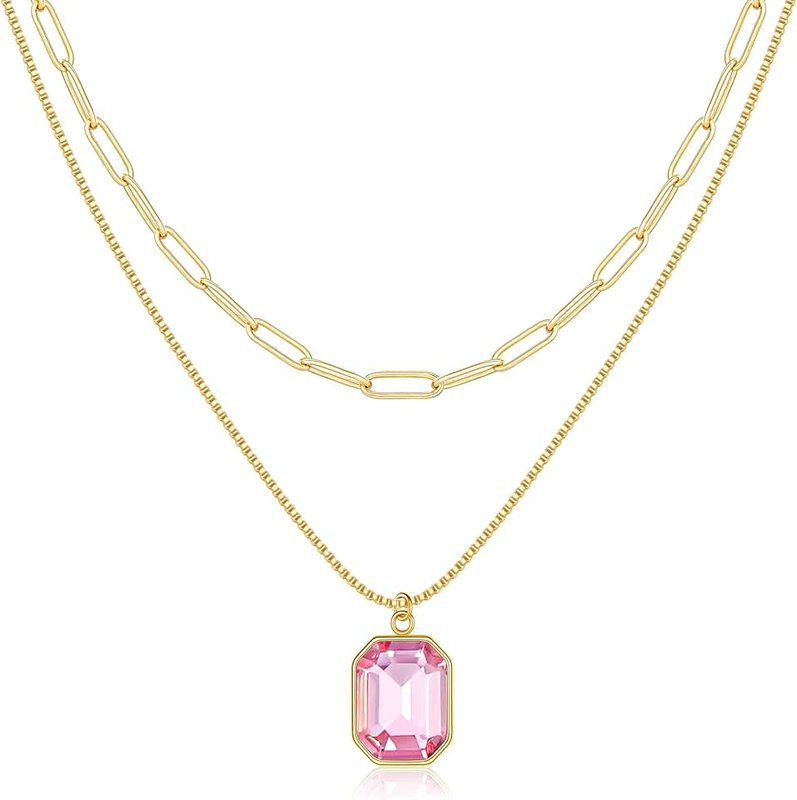
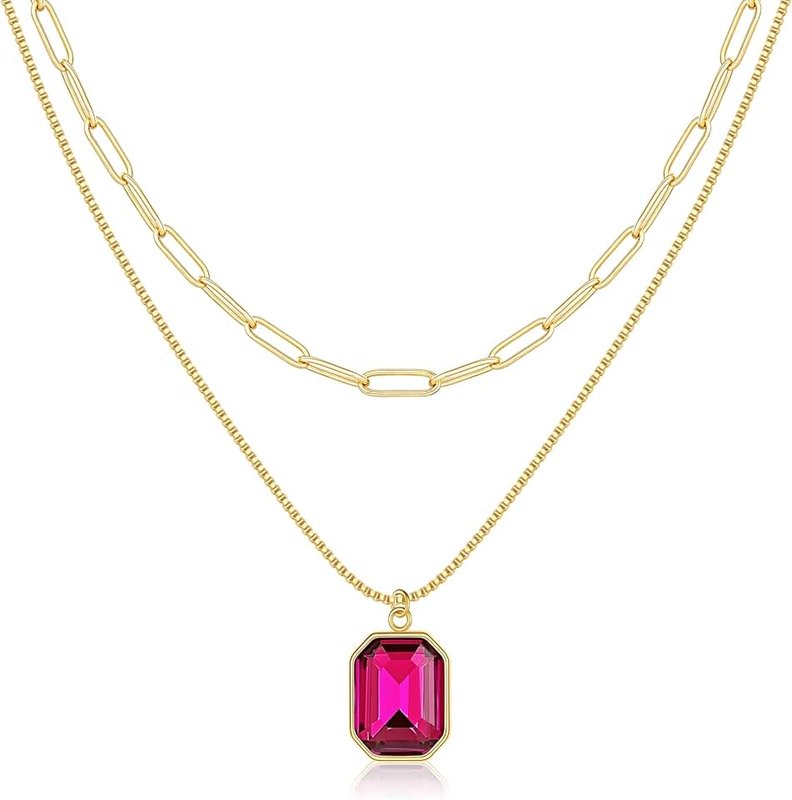
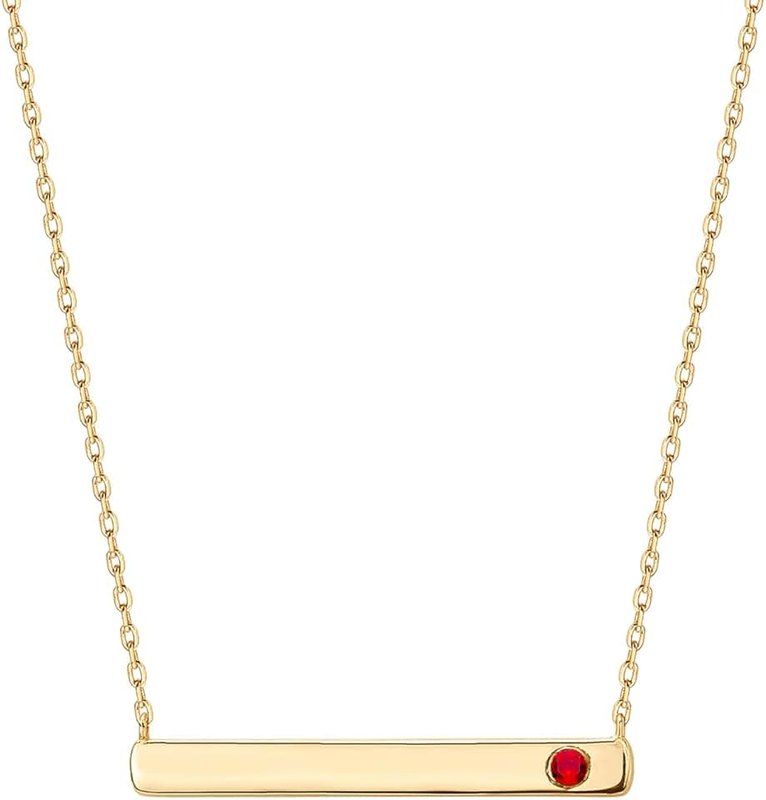
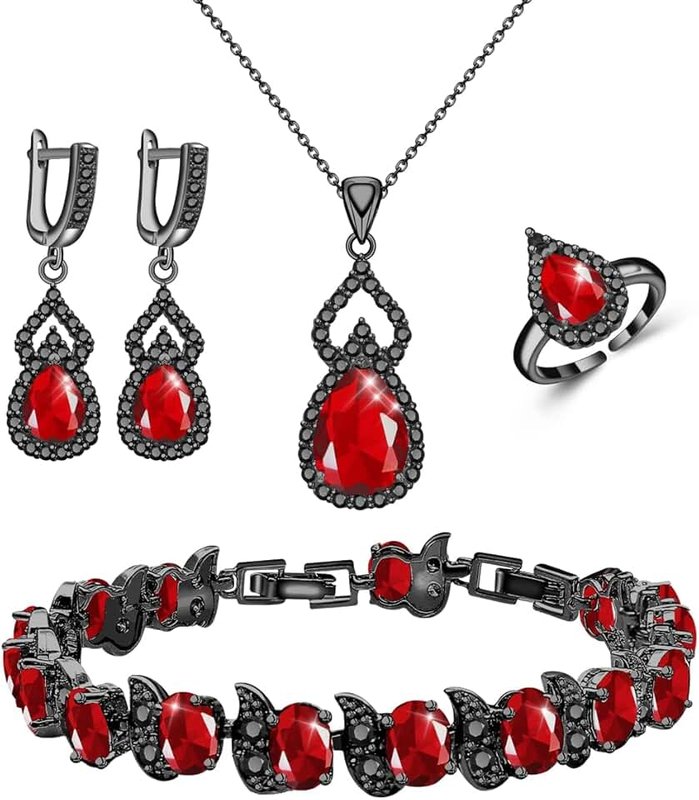
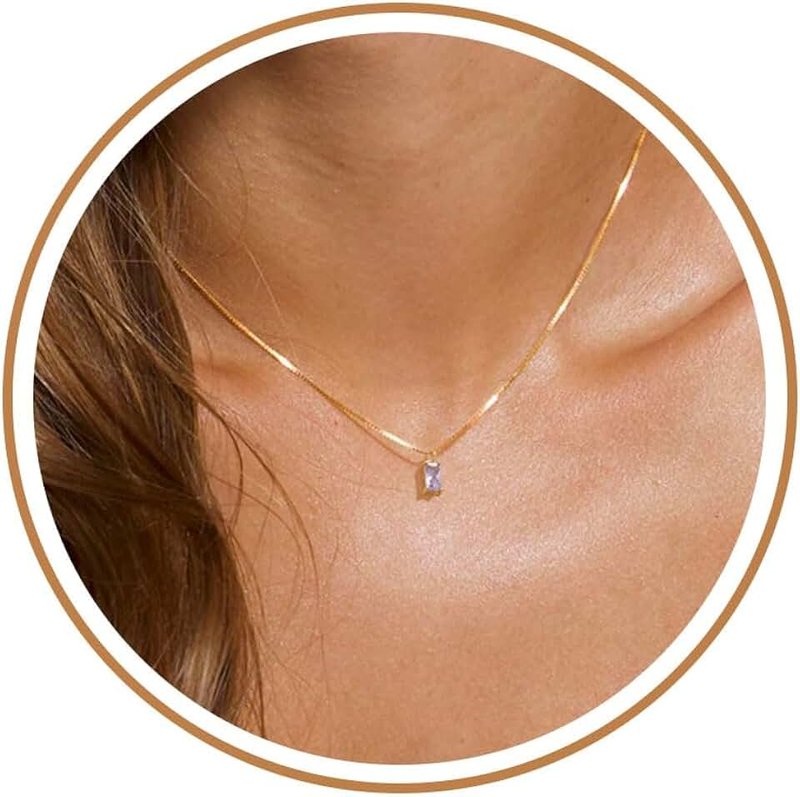
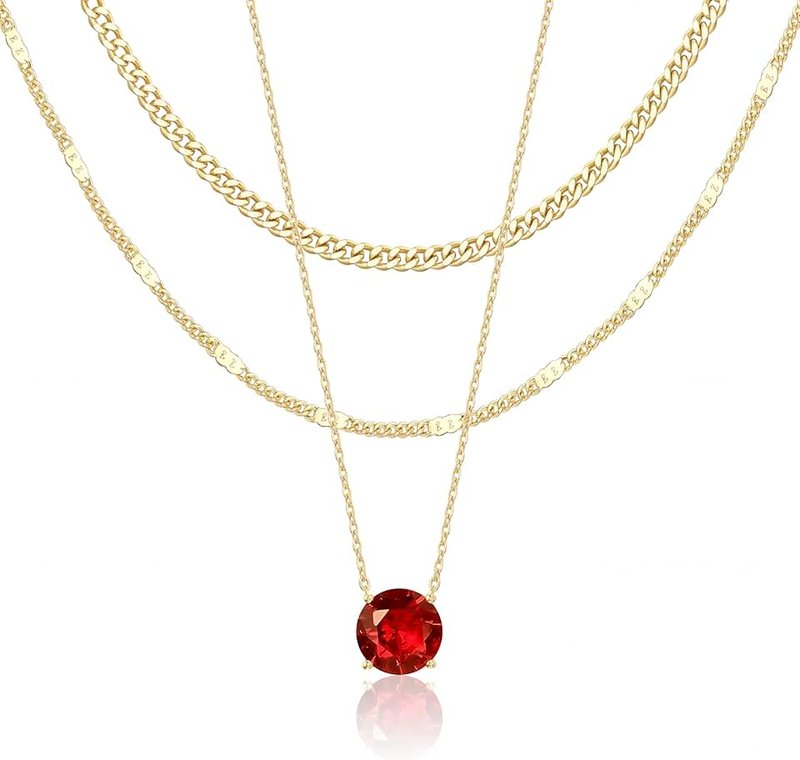
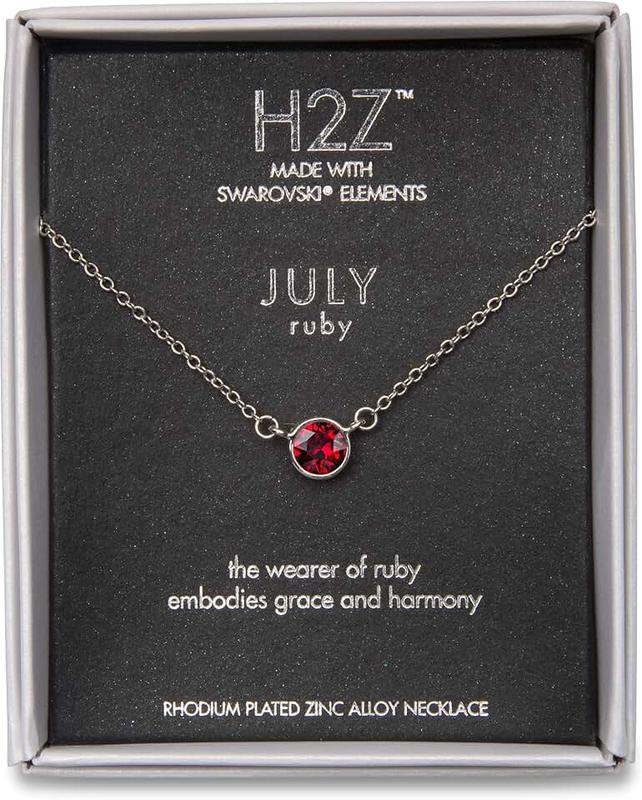
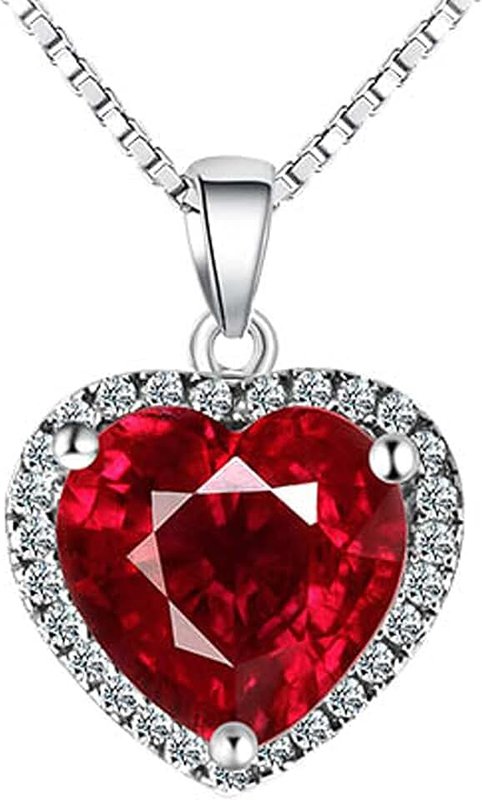
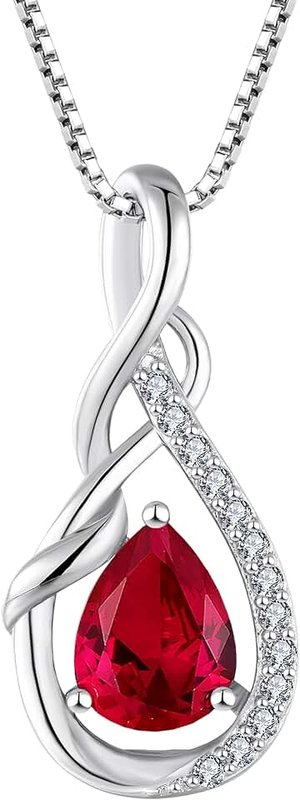
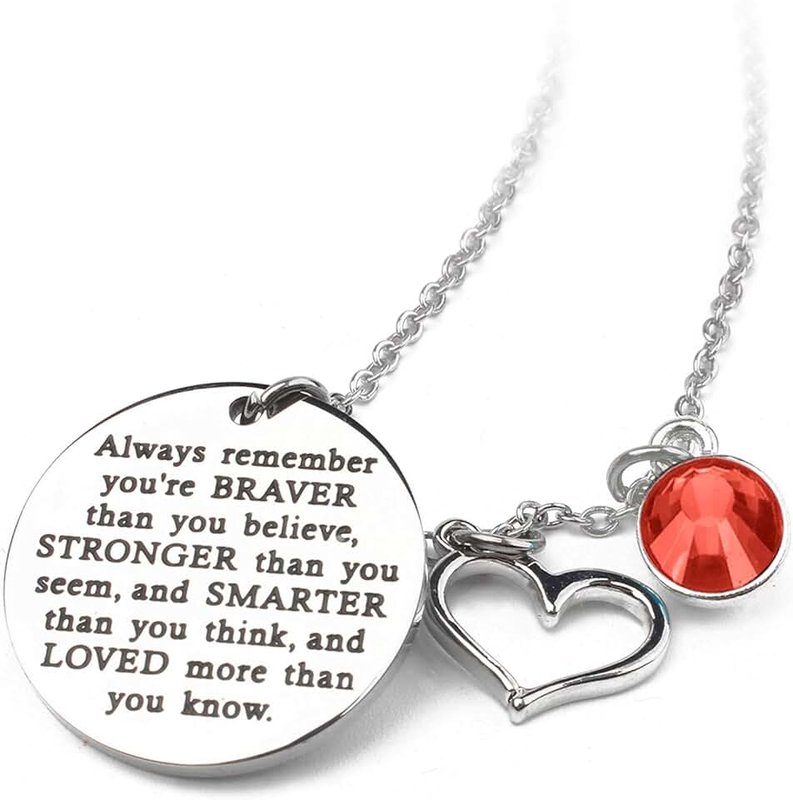
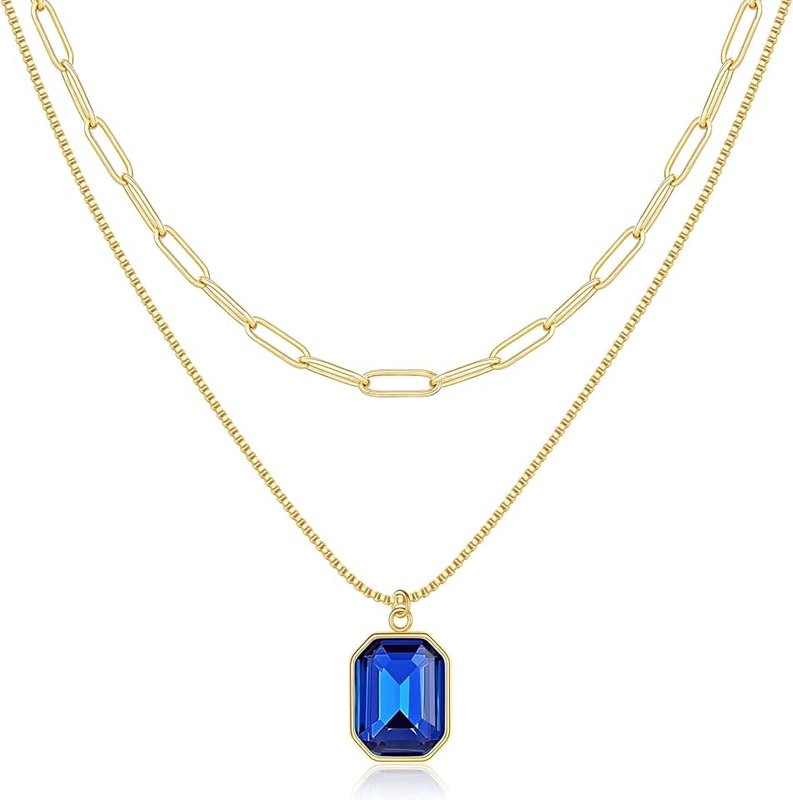
As an Amazon Associate, DreamPigeon earns from qualifying purchases. Prices and availability are accurate as of the date/time indicated and are subject to change.
How to Buy a Ruby Necklace With Confidence
Rubies have symbolised passion, power, and protection across cultures for millennia. A ruby necklace is a bold choice — the vivid red stands out against any outfit and carries more visual punch per carat than nearly any other gemstone. But the ruby market is full of treatments, synthetics, and misleading descriptions, so a bit of knowledge goes a long way before you spend.
Understanding Ruby Quality
Colour is the most important factor. The ideal ruby is a saturated, vivid red — sometimes called “pigeon blood” red — with no brown or purple overtones. Lighter pinkish-red stones are technically still rubies (ruby and pink sapphire are the same mineral, corundum, just different saturations), but they command lower prices. Darker rubies that appear almost black in low light are less desirable. Hold the stone under different lighting: daylight, fluorescent, and incandescent, to see the true colour range.
Treatments to Be Aware Of
The vast majority of rubies on the market are heat-treated to improve colour and clarity — this is industry-standard and accepted. Glass-filled rubies (also called composite rubies) are heavily treated with lead glass to fill fractures and improve transparency. They look impressive but are far less durable and worth far less than heat-treated or untreated rubies. A ruby necklace with glass-filled stones should be priced accordingly. Always ask for treatment disclosure and preferably a gemmological certificate for significant purchases.
Natural vs Lab-Created Rubies
Lab-created rubies have the same chemical composition (aluminium oxide with chromium) as natural rubies. They are visually identical and cost a fraction of the price. For a stunning everyday ruby necklace, lab-created stones offer incredible value. If provenance and rarity matter to you — or if the necklace is an investment — natural rubies hold their value better.
Setting Styles
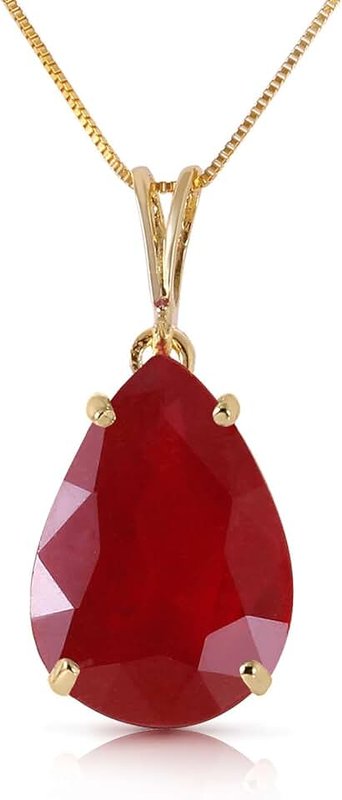
A solitaire ruby pendant is the most classic ruby necklace design — a single stone set in gold or platinum. Halo settings surround the ruby with diamonds, amplifying the stone’s size and brilliance. Bezel settings encase the ruby for a sleek, contemporary look and added protection. Multi-stone necklaces with graduated rubies create a dramatic, luxurious effect. For everyday wear, a bezel or half-bezel setting protects the stone from knocks.
Metal Pairings
Yellow gold is the traditional partner for rubies — the warm tones enhance the red dramatically. White gold and platinum provide a modern, cooler contrast that makes the ruby’s colour pop differently. Rose gold softens the red and adds a romantic warmth. Avoid silver for ruby settings — the stone’s hardness and value deserve a stronger, more prestige-worthy metal.
Care Guide
Rubies are hard (9 on the Mohs scale) and durable — second only to diamonds. Clean with warm soapy water and a soft brush. Avoid ultrasonic cleaners for glass-filled rubies, as the vibrations can damage the filling. Store separately from softer stones. Heat-treated and untreated rubies are robust enough for daily wear.
Price Range
Ruby necklaces in Australia range from $41 to $157 AUD. Lab-created ruby pendants on gold-plated chains sit at the accessible end. Natural heat-treated rubies in solid gold settings occupy the mid to upper range. Exceptional untreated natural rubies from renowned origins (Burma/Myanmar) can command extraordinary prices.
Are most rubies treated?
Yes. The vast majority of rubies sold commercially are heat-treated to enhance colour and clarity. This is an accepted, permanent, and stable treatment. Glass-filling is a more aggressive treatment that is less durable. Always ask about treatments and request a certificate for significant purchases.
What is the difference between a ruby and a pink sapphire?
Ruby and pink sapphire are the same mineral — corundum. The distinction is colour saturation: sufficiently saturated red corundum is classified as ruby, while lighter pinkish-red stones are classified as pink sapphire. The boundary is somewhat subjective and can vary between gemmological laboratories.
How should I clean a ruby necklace?
Warm water with a drop of mild dish soap and a soft toothbrush works well. Rinse thoroughly and dry with a lint-free cloth. Untreated and heat-treated rubies can handle ultrasonic cleaners, but glass-filled rubies should never go in one, as the glass can fracture.
Is a lab-created ruby a good choice for a necklace?
Lab-created rubies are chemically and optically identical to natural rubies, with the same hardness and brilliance. They cost significantly less and are an excellent choice for a beautiful, durable everyday necklace. The only trade-off is that they do not carry the rarity value of natural stones.
What metal looks best with a ruby pendant?
Yellow gold is the most traditional and visually complementary pairing — the warm gold enhances the red. White gold and platinum create a striking modern contrast. Rose gold offers a softer, romantic warmth. The best choice depends on personal style and skin tone.