

Aquamarine Rings
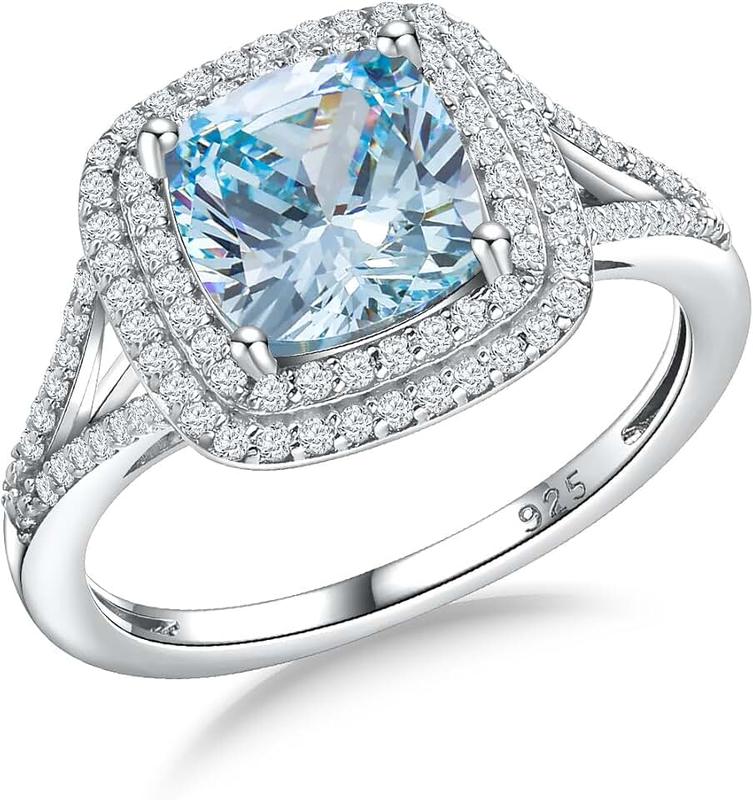
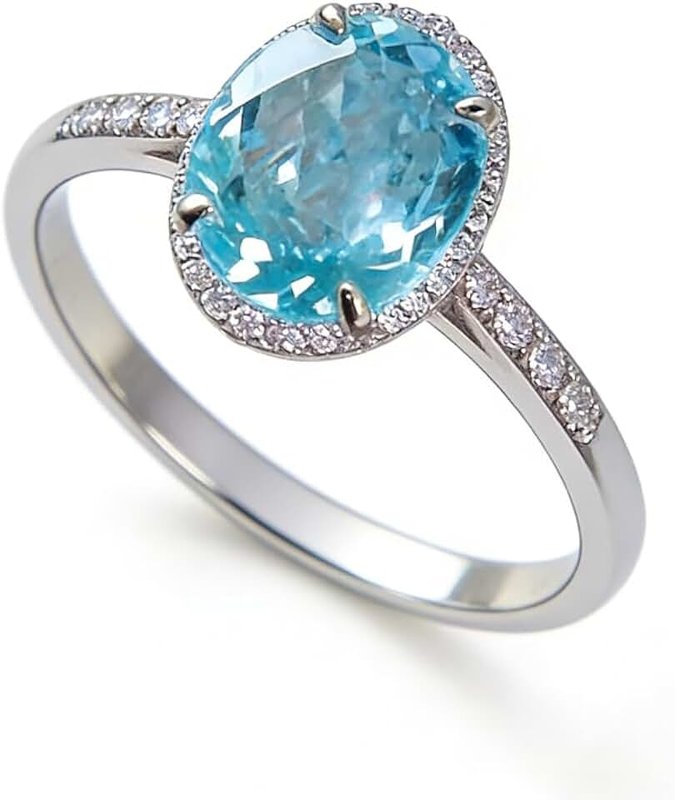
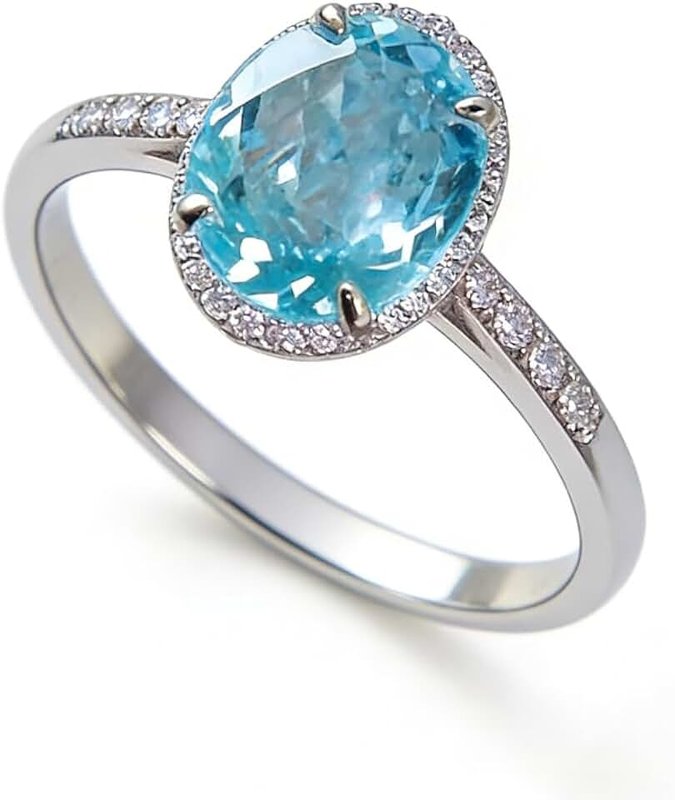
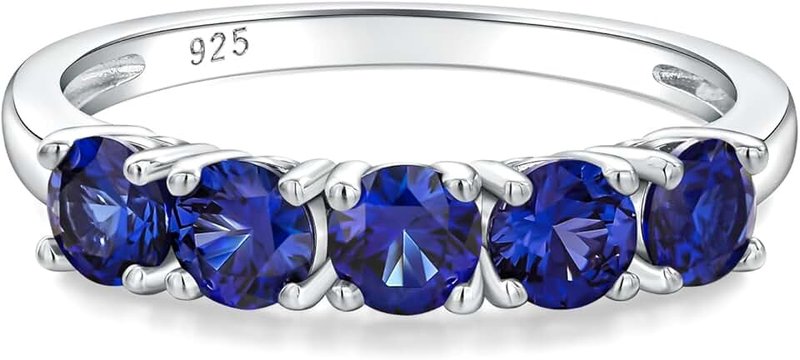
As an Amazon Associate, DreamPigeon earns from qualifying purchases. Prices and availability are accurate as of the date/time indicated and are subject to change.
Buying Aquamarine Rings in Australia
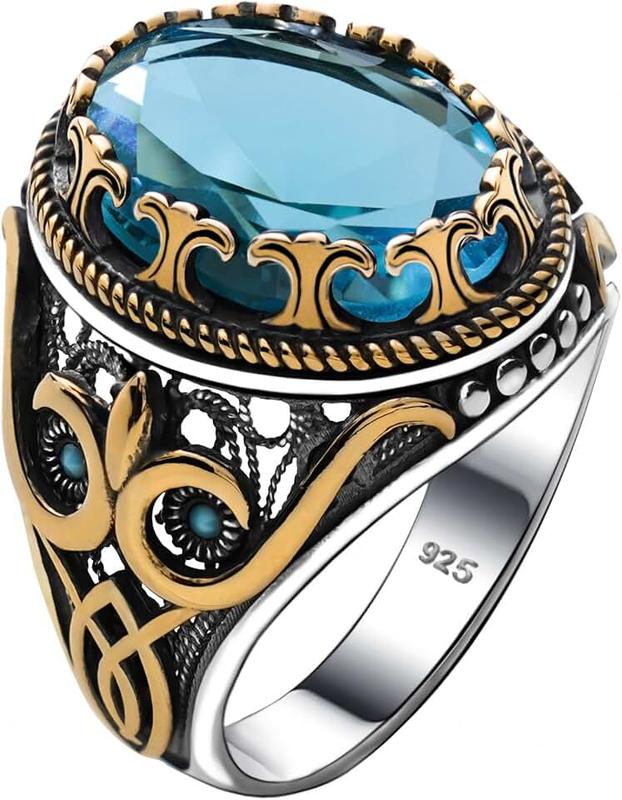
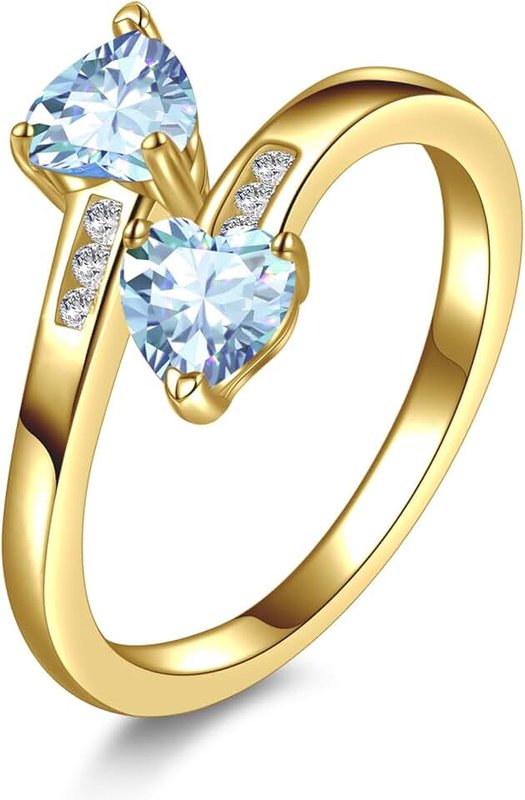
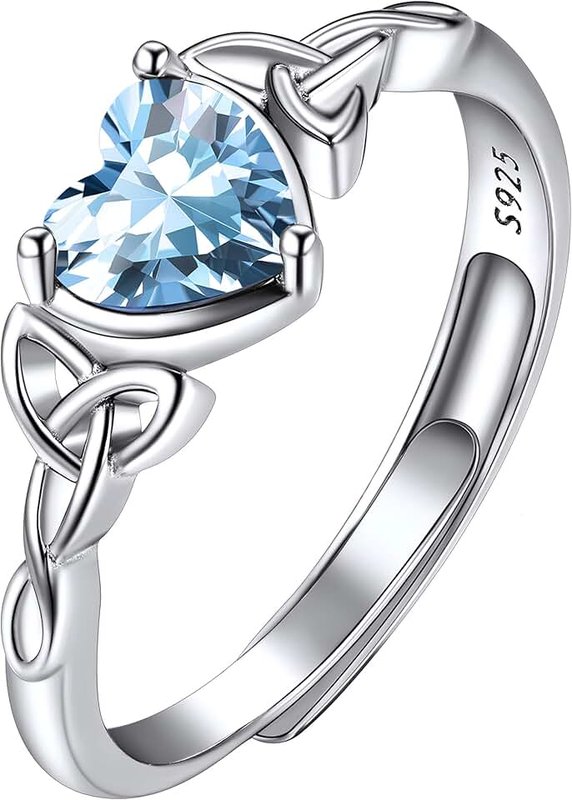
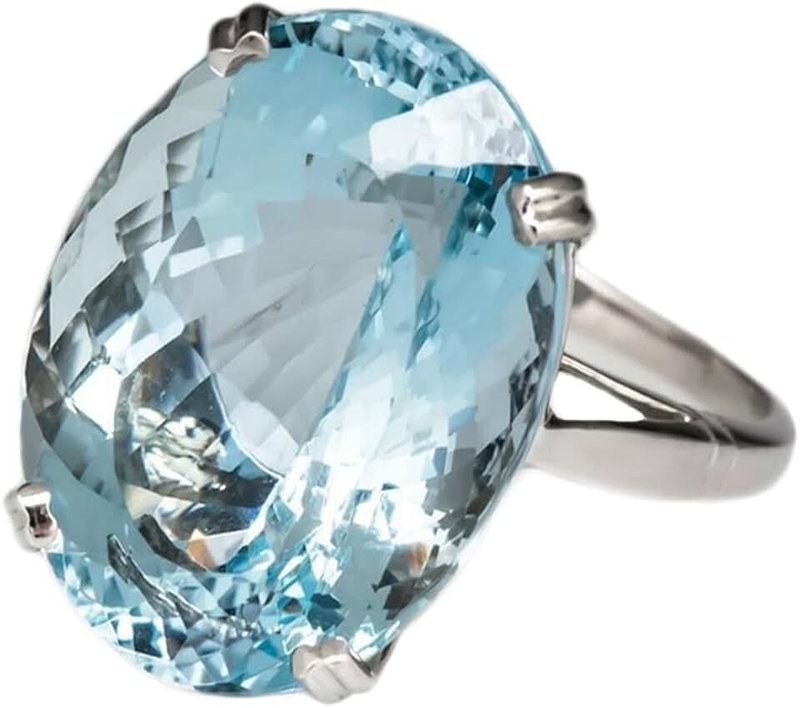
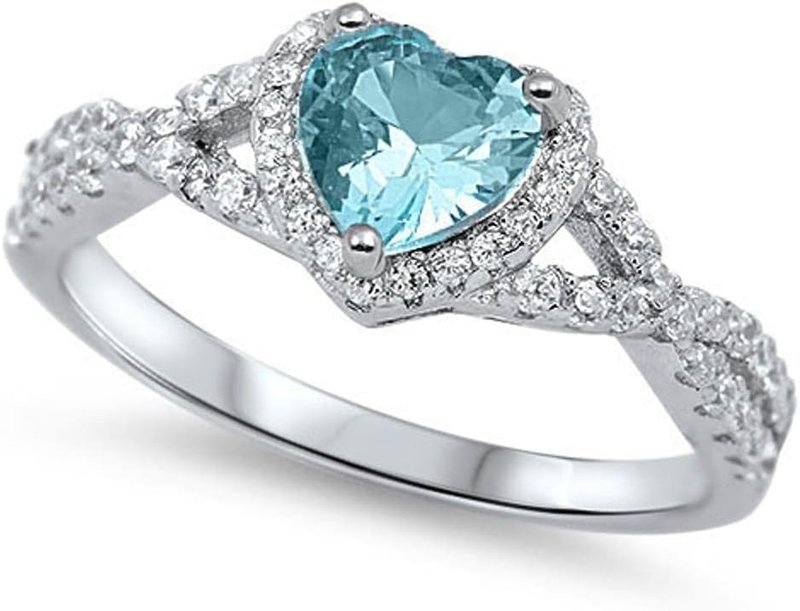
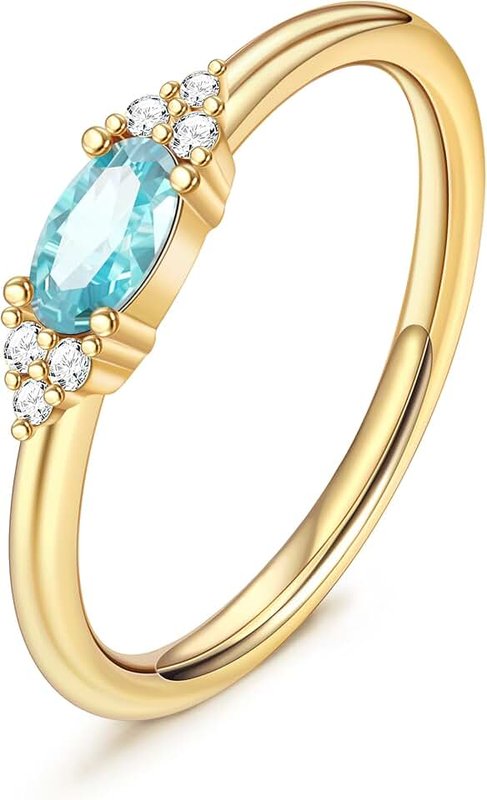
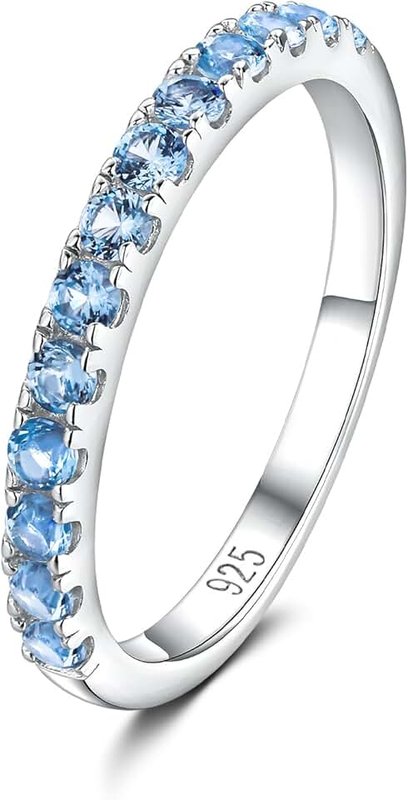
Aquamarine is the blue gemstone of the sea — its name literally means “water of the sea” in Latin. Ranging from pale sky blue to deep ocean blue, it is one of the most wearable coloured gemstones available. In a ring setting, aquamarine delivers a cool, tranquil elegance that works daily or for special occasions. It is also the birthstone for March, making it a natural gift choice for anyone born that month.
Colour and Quality
The most valued aquamarine colour is a medium to deep blue with slight greenish tones. Pale, washed-out specimens are less desirable and less expensive. Heat treatment is standard and accepted in the industry — it removes greenish tones to enhance the blue. Unlike some gemstones, aquamarine is typically eye-clean (no visible inclusions), so expect a clear stone. Any visible cloudiness or fractures indicate lower quality.
Cut and Setting
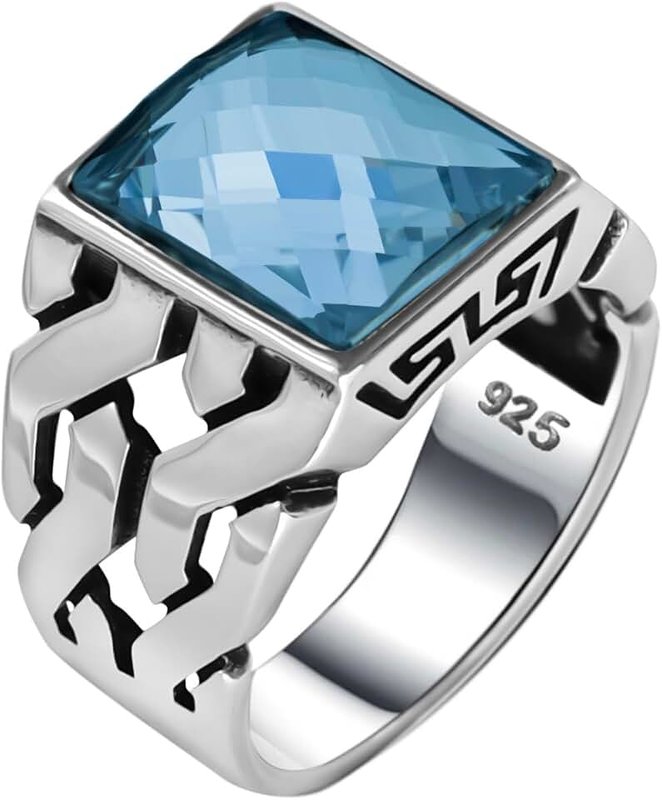
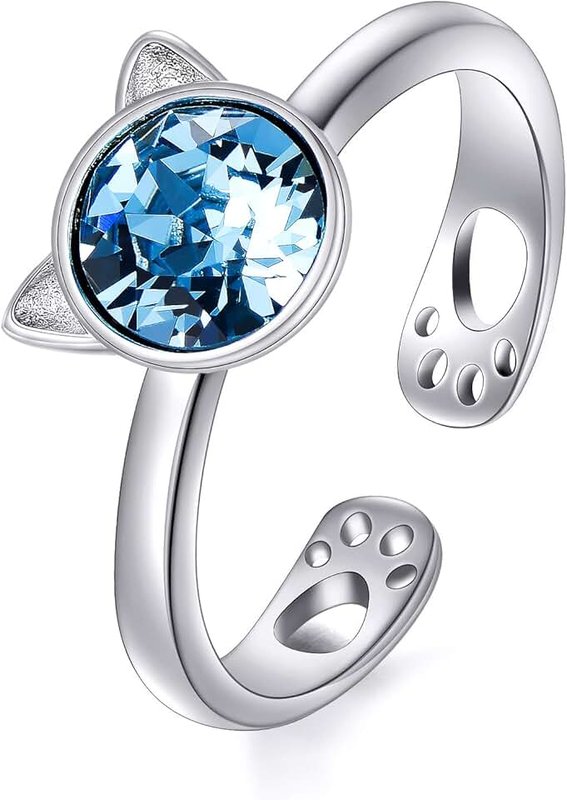
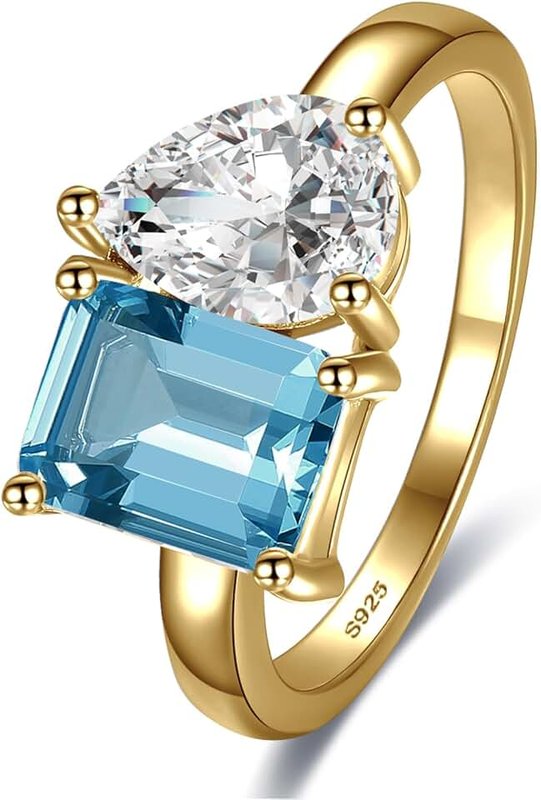
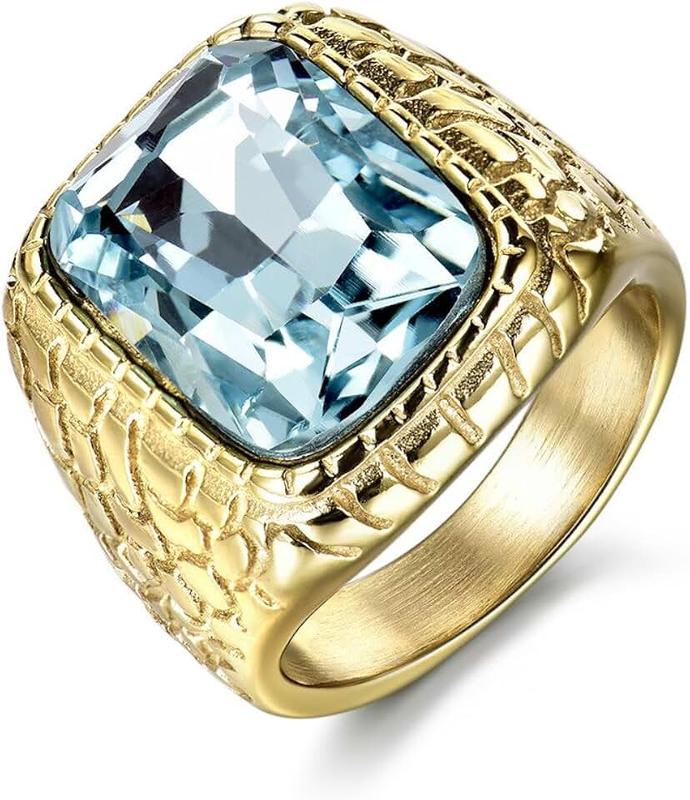
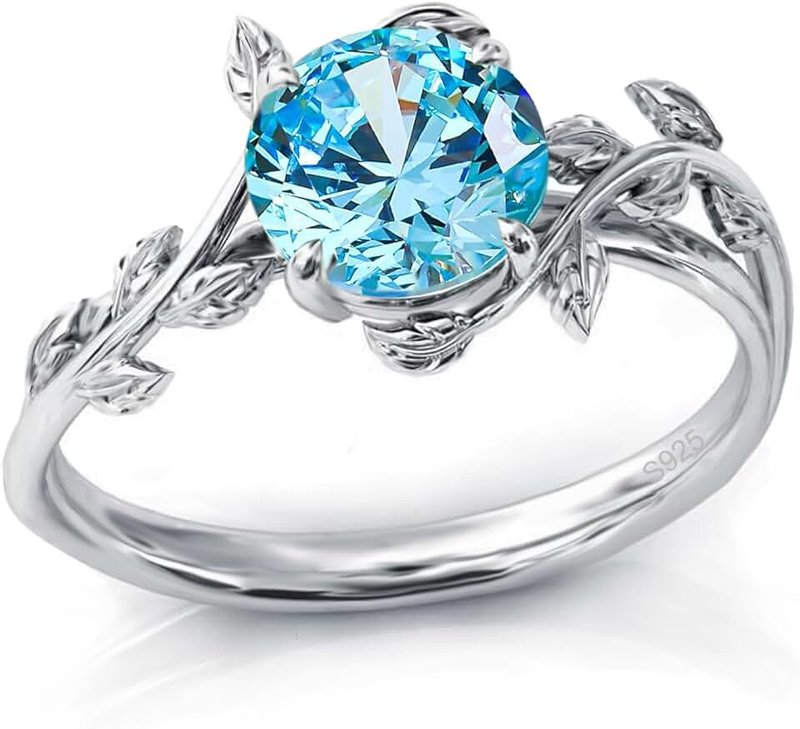
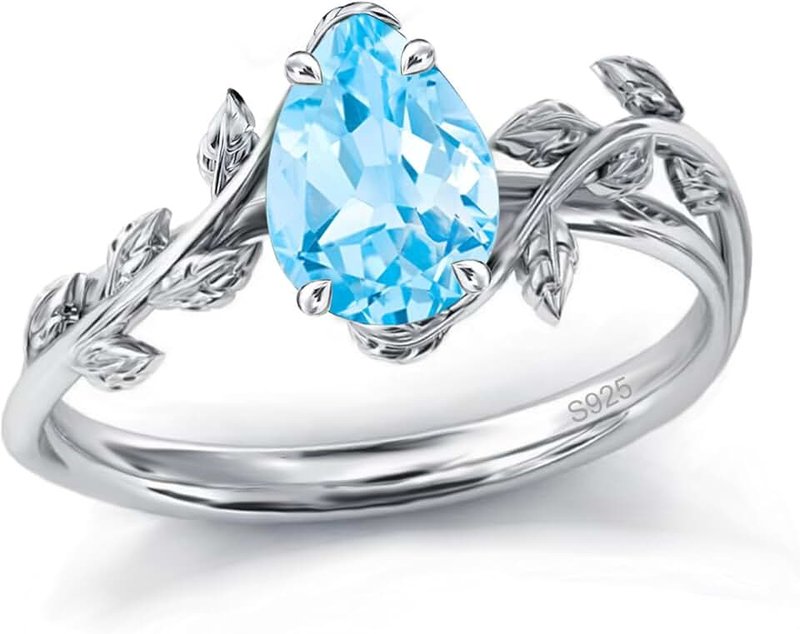
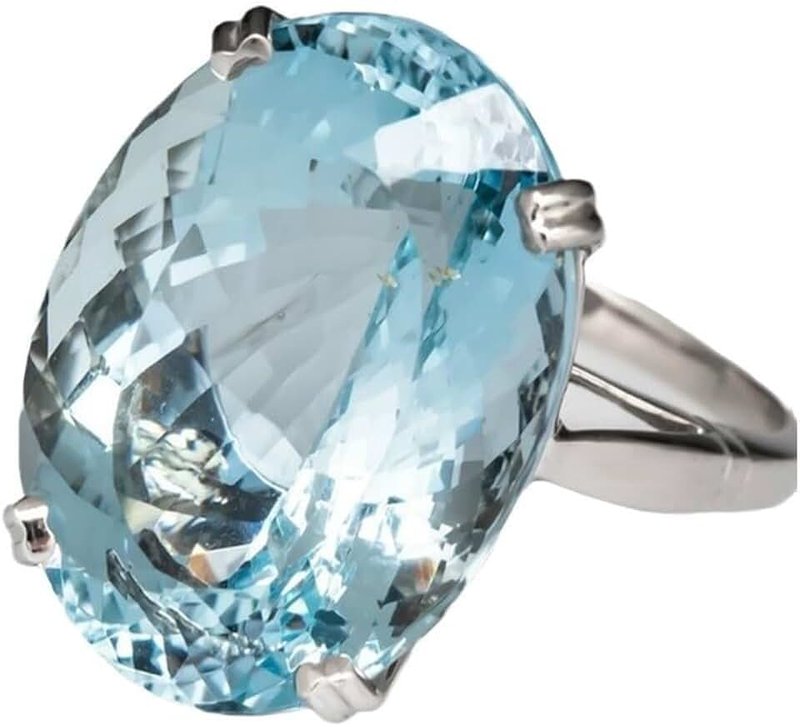
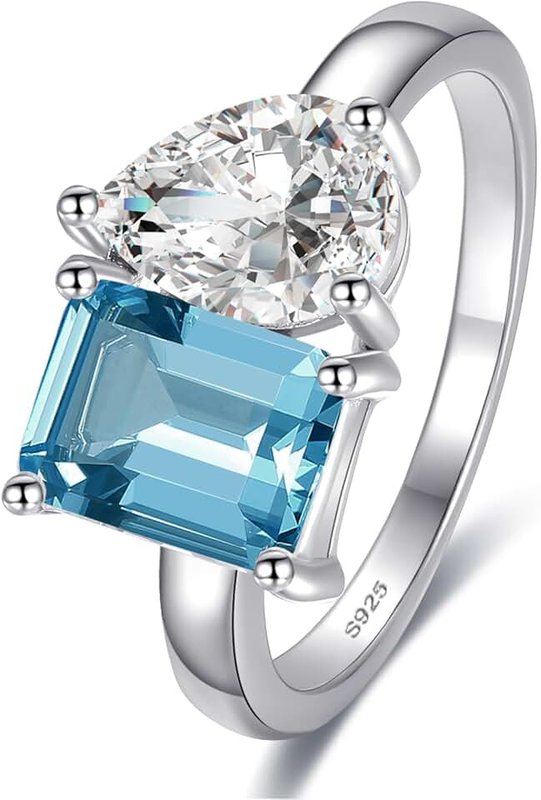
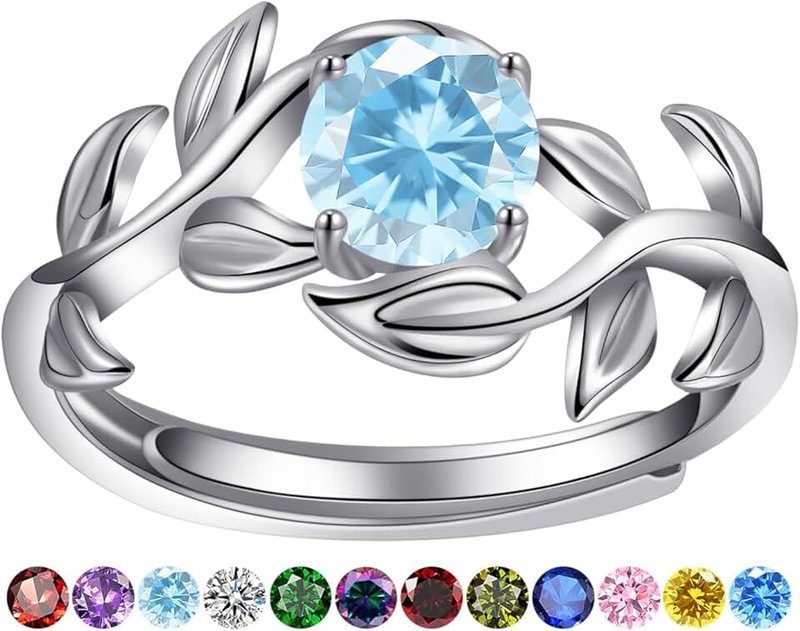
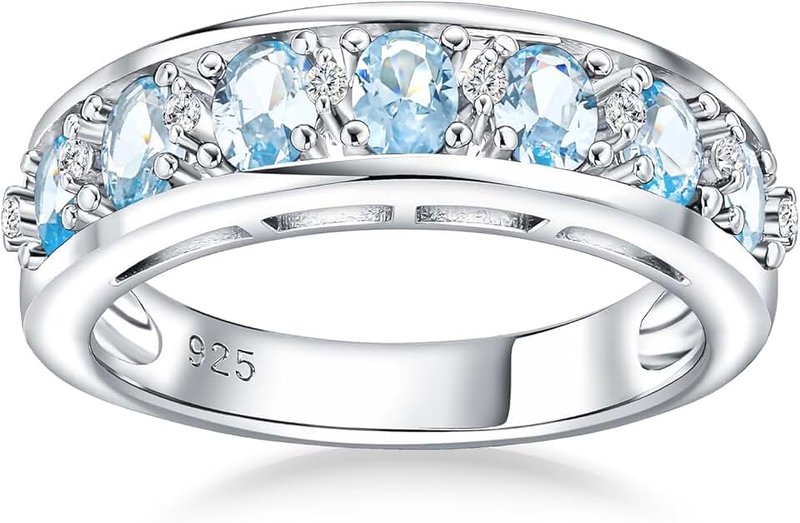
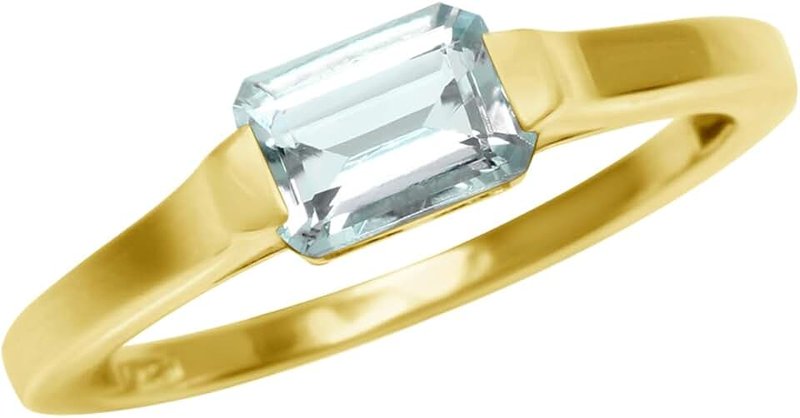
Emerald cut (rectangular with stepped facets) is the classic choice for aquamarine — it showcases the stone’s clarity and colour depth. Oval and round cuts maximise sparkle. Cushion cuts balance warmth and brilliance. The setting should protect the stone’s edges: bezel settings offer the most protection, while prong settings allow maximum light entry. Aquamarine rings in Australia range from about $40 for fashion-grade to $500 and beyond for fine jewellery with high-quality stones.
Metal Pairings
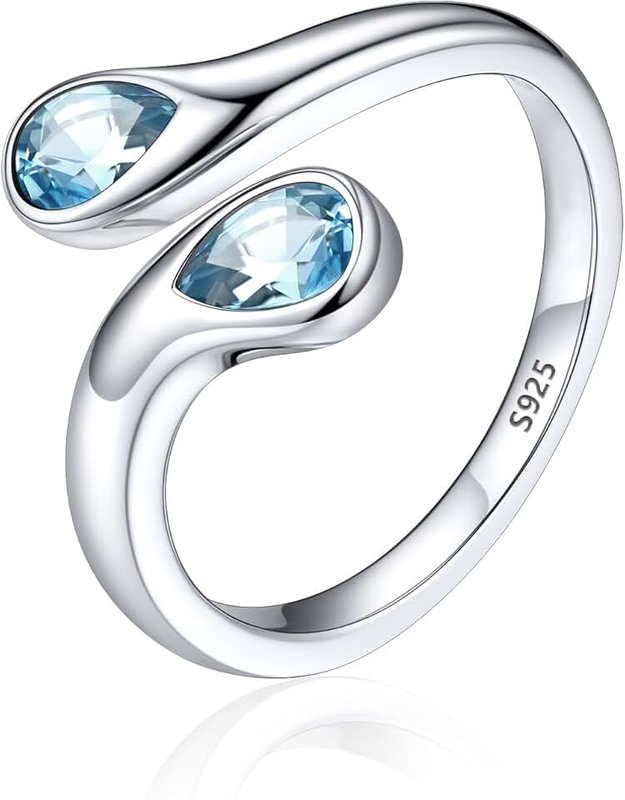
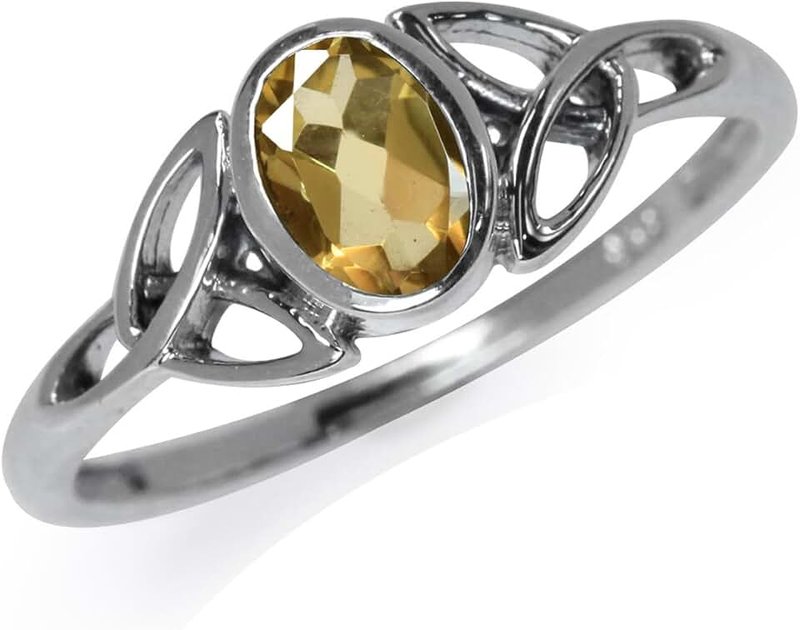
White gold and platinum complement aquamarine’s cool blue tone perfectly — the neutral metal does not compete with the stone colour. Sterling silver creates a beautiful, affordable combination. Yellow gold provides a warm contrast that gives the ring a vintage feel. Rose gold adds a romantic, contemporary touch. The best pairing depends on personal taste, but white metals are the traditional choice for aquamarine.
Durability for Ring Wear
Aquamarine scores 7.5-8 on the Mohs hardness scale — excellent for ring wear. It is harder than many popular gemstones (opal, moonstone, turquoise) and resists scratching from everyday materials. It can chip on sharp impacts, so a protective setting (bezel or low-profile prong) is wise for daily-wear rings. For occasional-wear pieces, any setting style works.
Aquamarine vs Blue Topaz
Blue topaz is a common and far cheaper blue gemstone often mistaken for aquamarine. The colour can look similar, but aquamarine has a subtler, more sophisticated blue with natural variation, while blue topaz tends toward a uniform, sometimes artificially saturated blue. Aquamarine is rarer, more valued, and considered a superior gemstone. Always verify what you are buying — if the price seems too low for aquamarine, it may be topaz.
Care for Aquamarine Rings
Clean with warm soapy water and a soft brush. Aquamarine tolerates ultrasonic cleaning but avoid steam cleaning, which can thermal-shock the stone. Store separately from harder gemstones (diamonds, sapphires) that could scratch it. Remove before heavy physical work. With basic care, an aquamarine ring maintains its beauty indefinitely.
Aquamarine as an Alternative Engagement Ring
Aquamarine is gaining popularity as an engagement ring centre stone for couples who want colour without the price of a sapphire. Its excellent hardness (7.5-8 Mohs) makes it practical for daily wear. The soft blue tone is universally flattering and distinctly feminine. Aquamarine engagement rings stand out from the diamond standard while remaining elegant and timeless. The stone’s association with clarity, courage, and fidelity makes it symbolically appropriate for a commitment ring. For buyers in Australia, aquamarine represents exceptional value — genuine beauty at a fraction of diamond prices.
Is aquamarine durable enough for an everyday ring?
Yes. At 7.5-8 on the Mohs scale, aquamarine is well-suited for daily ring wear. It resists scratching from most common materials. A protective setting (bezel or low-profile prong) adds extra security against chipping from sharp impacts.
Is aquamarine expensive?
Aquamarine is moderately priced among coloured gemstones. Small stones in simple settings start around $40-80 AUD. Larger, deep blue specimens in gold or platinum settings reach $500+. It offers excellent value compared to sapphires of similar colour.
What is aquamarine’s birthstone month?
Aquamarine is the birthstone for March. It is a traditional and popular gift for March birthdays, often set in rings, pendants, and earrings. The sea-blue colour carries associations of clarity, calm, and courage.
Can aquamarine be heat-treated?
Yes, and it routinely is. Heat treatment removes greenish tones to produce a purer blue. This is an industry-standard, permanent treatment that is universally accepted. It does not diminish the stone’s value or durability.
How do I tell aquamarine from blue topaz?
Aquamarine has a subtle, natural blue with slight variation, while blue topaz often has a uniform, intensely saturated colour. Aquamarine is rarer and commands higher prices. A gemological certificate confirms the stone identity. If the price is suspiciously low for aquamarine, question the identification.