

Gymnastic Rings
As an Amazon Associate, DreamPigeon earns from qualifying purchases. Prices and availability are accurate as of the date/time indicated and are subject to change.
Buying Gymnastic Rings: A Practical Guide
Gymnastic rings are one of the most effective pieces of training equipment you can own. They build upper body strength, core stability, and shoulder health in ways that fixed bars cannot replicate. The instability of the rings forces stabiliser muscles to engage on every movement, making even basic exercises like push-ups and rows significantly more challenging — and more effective.
Wood vs Plastic vs Metal
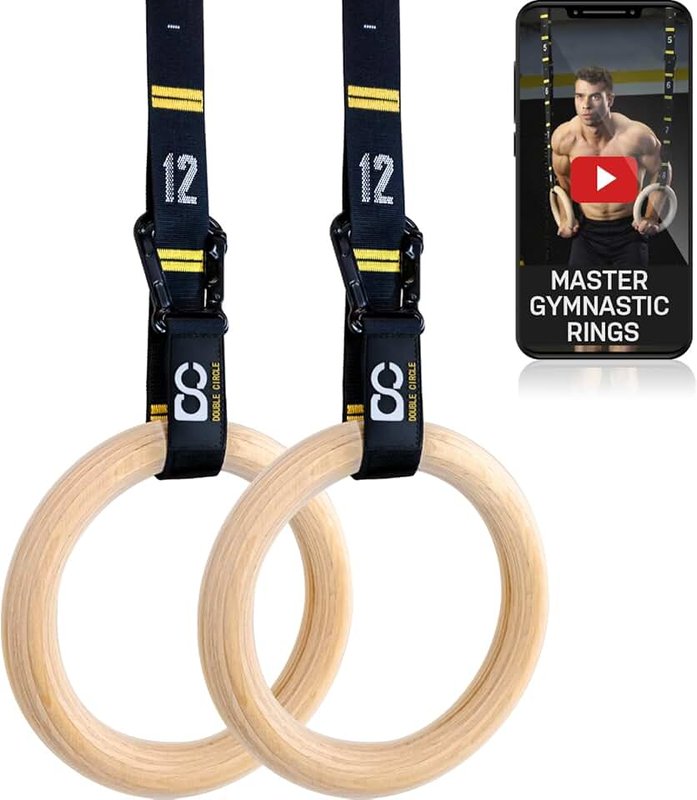
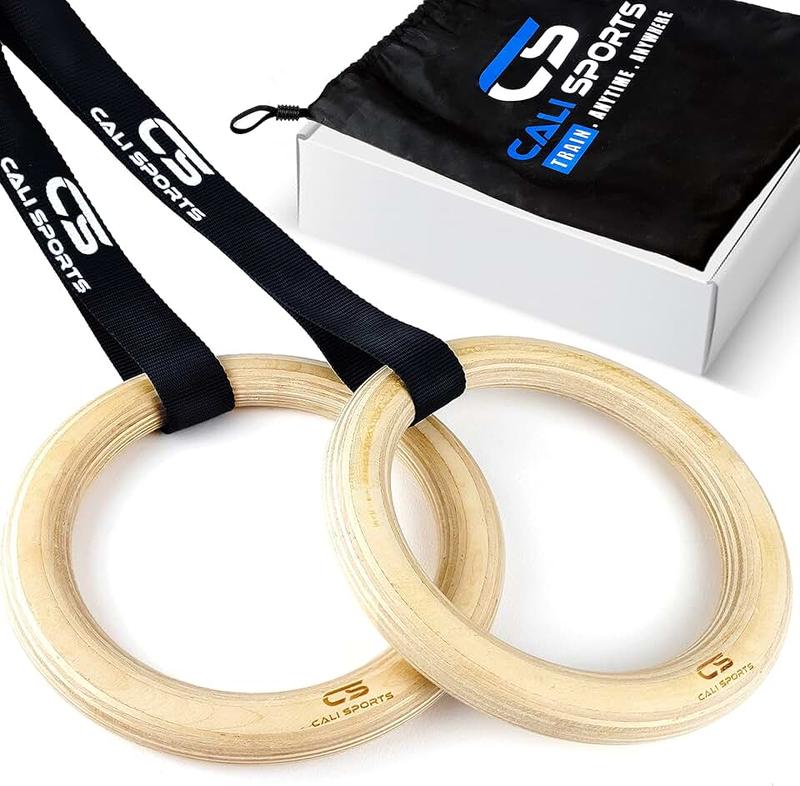
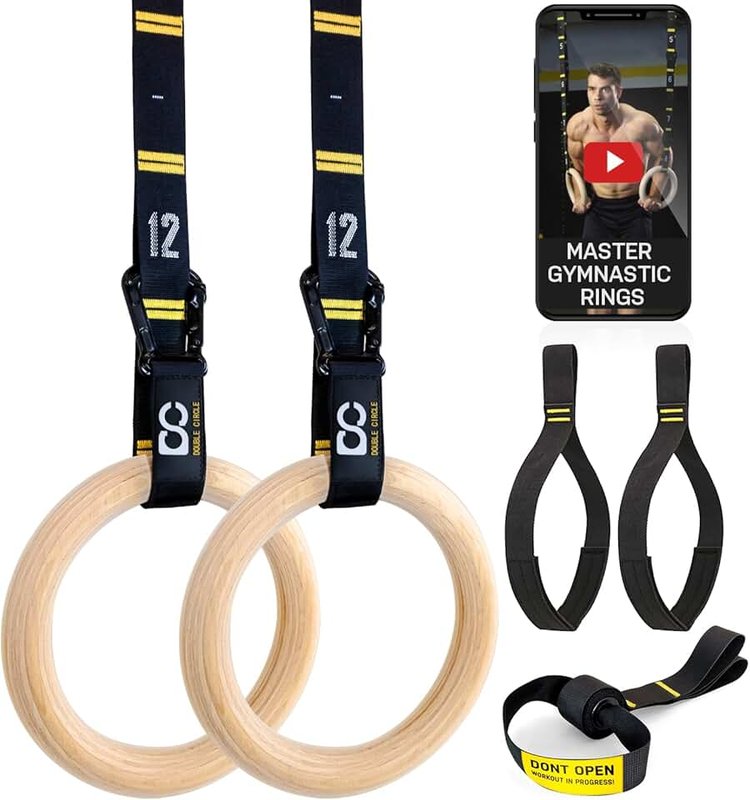
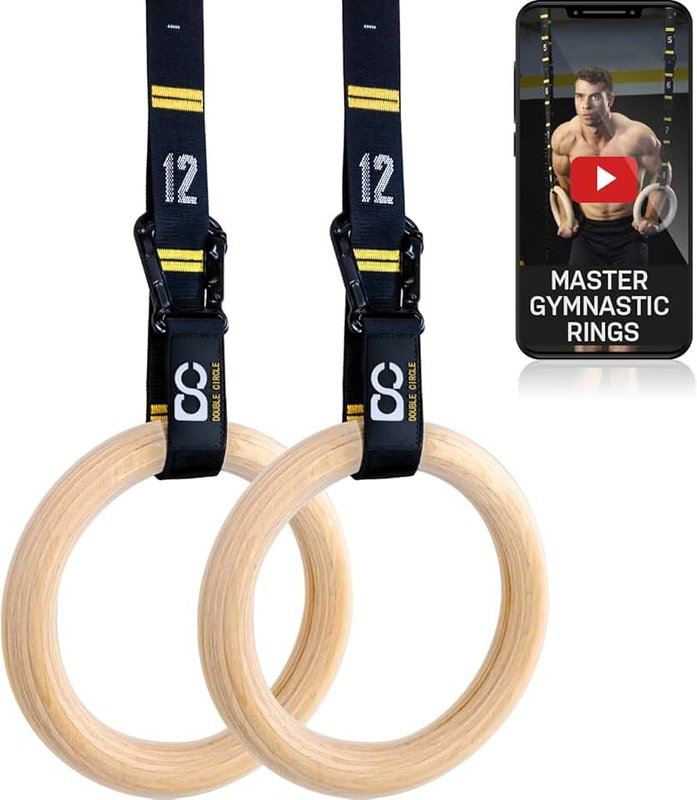
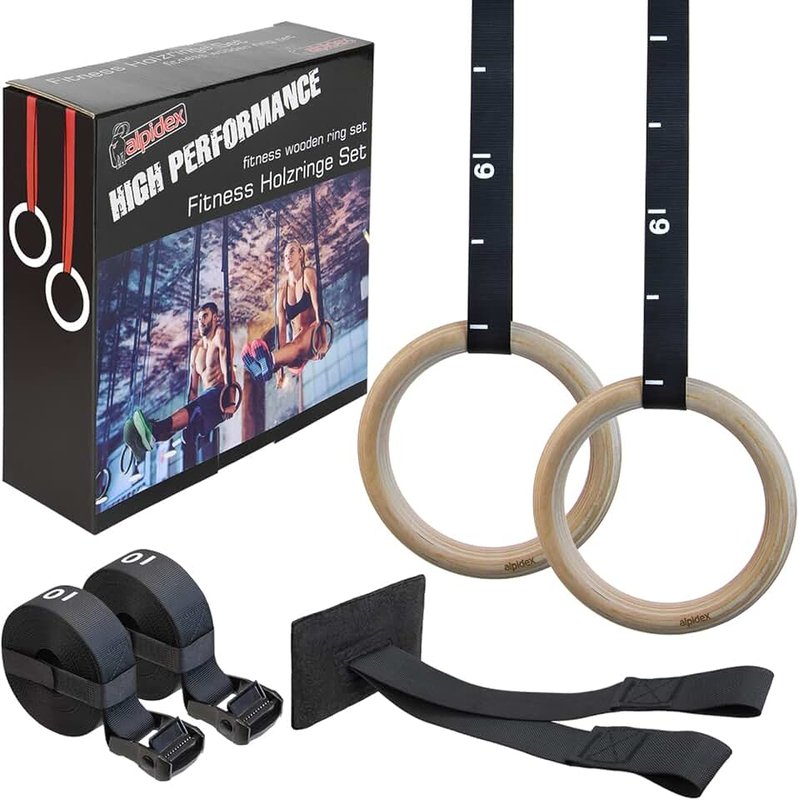
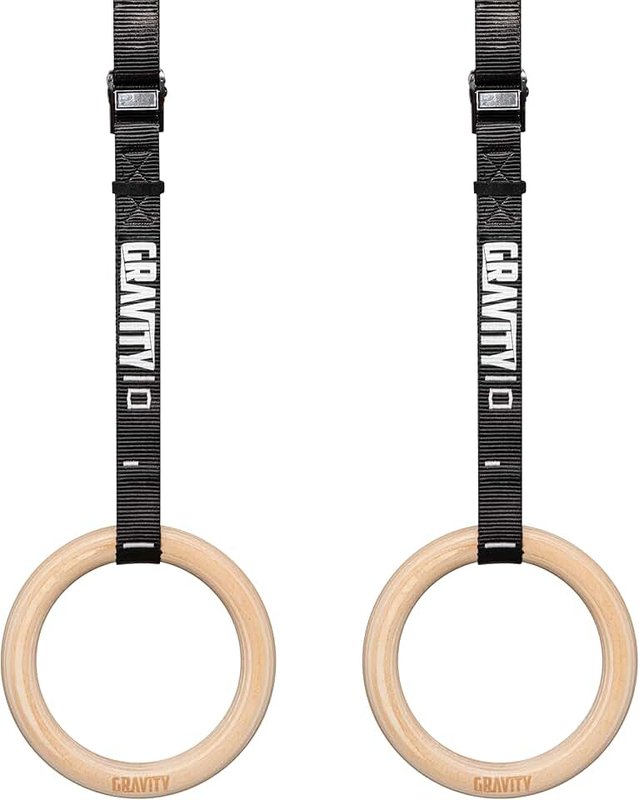
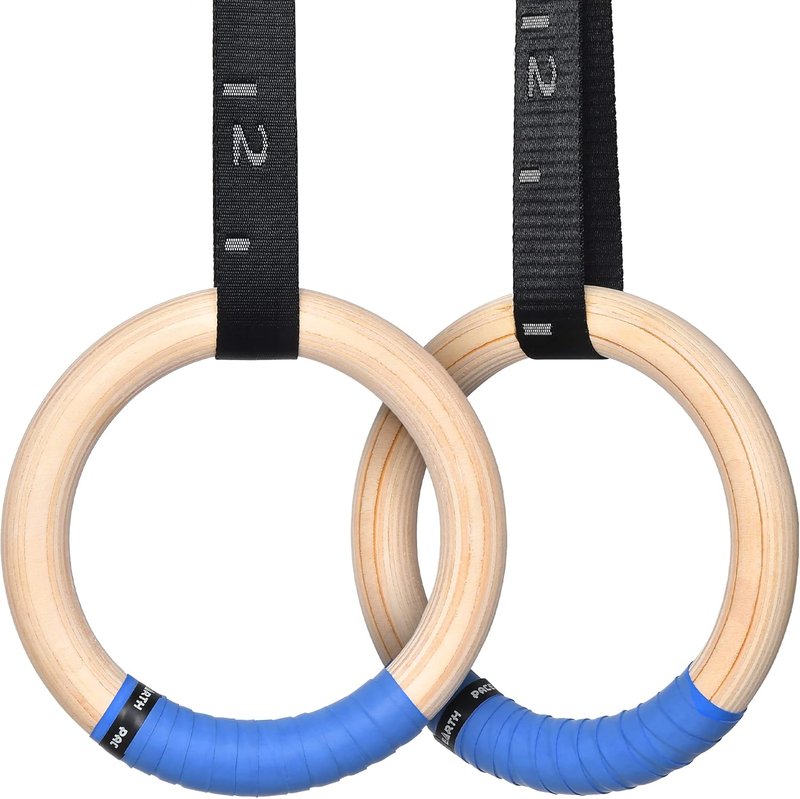
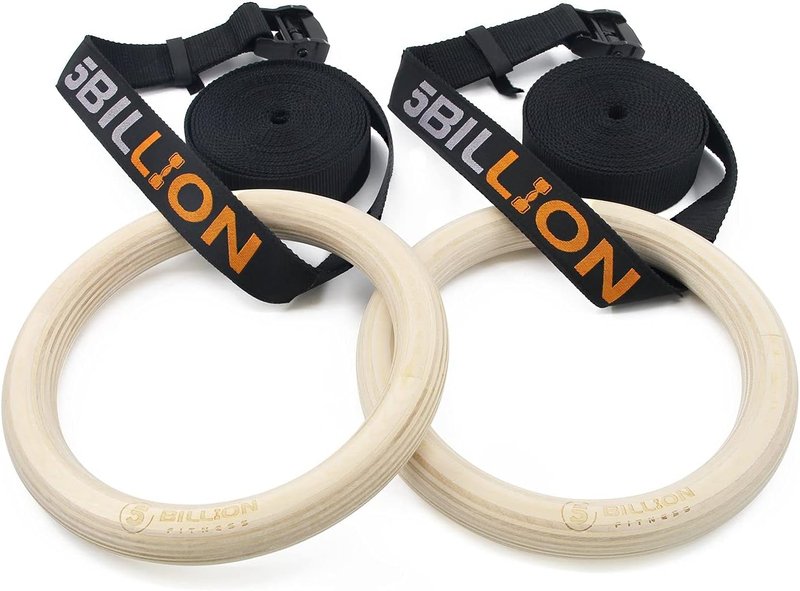
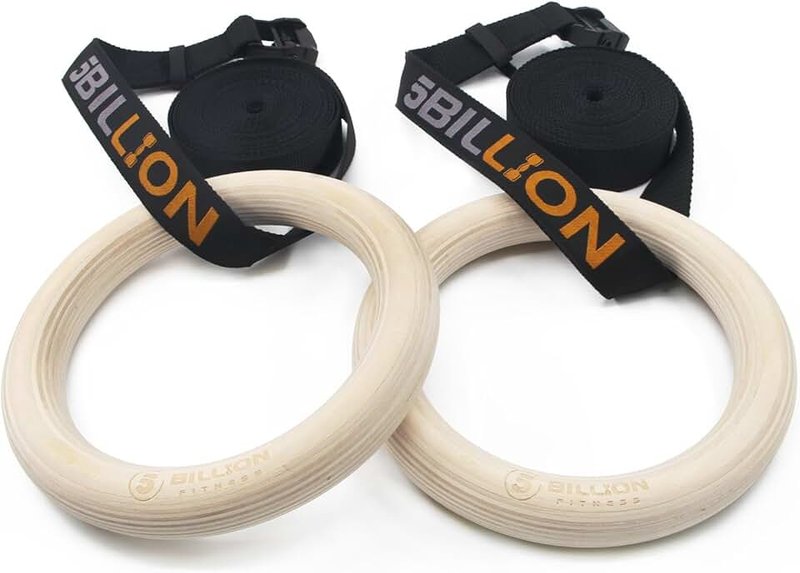
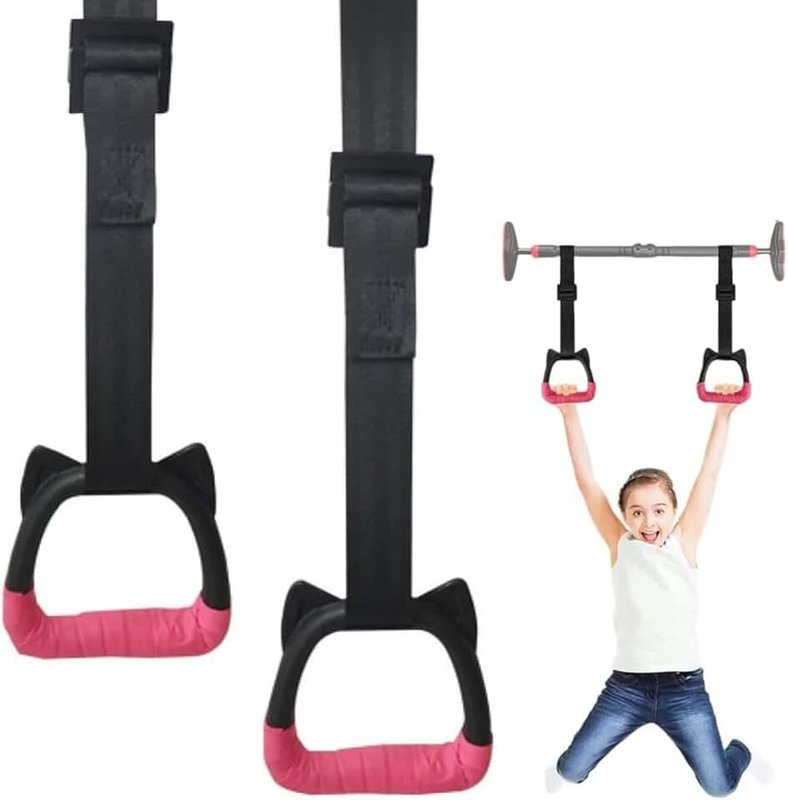
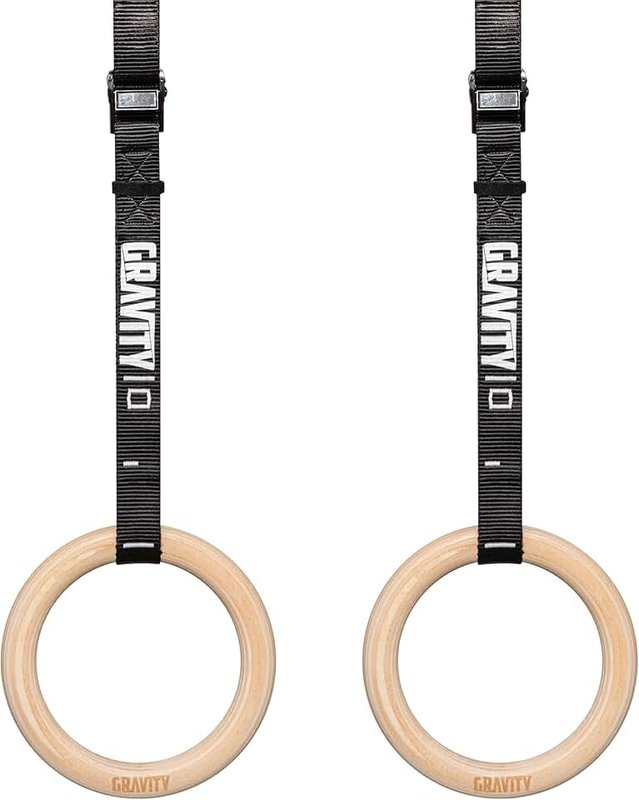
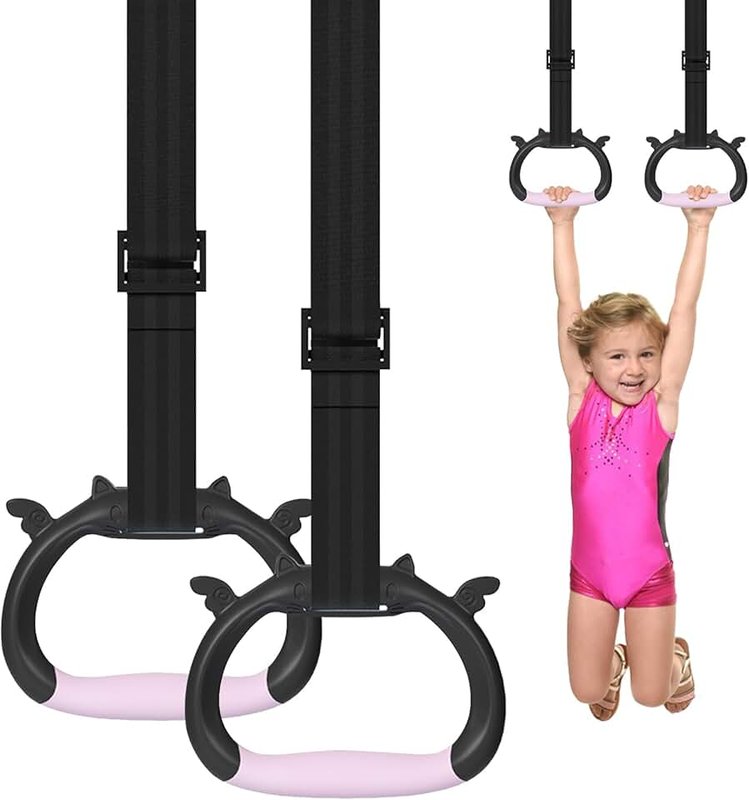
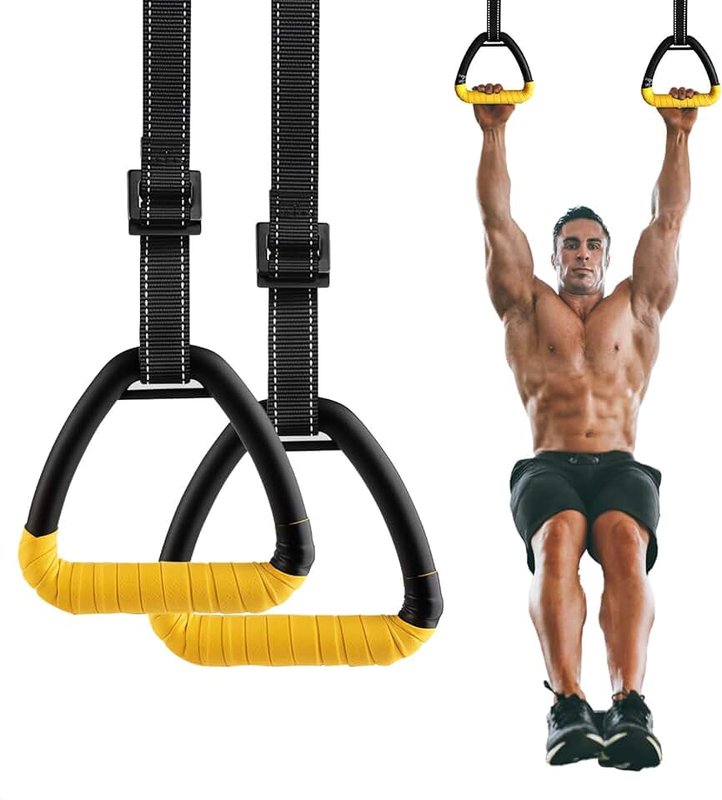
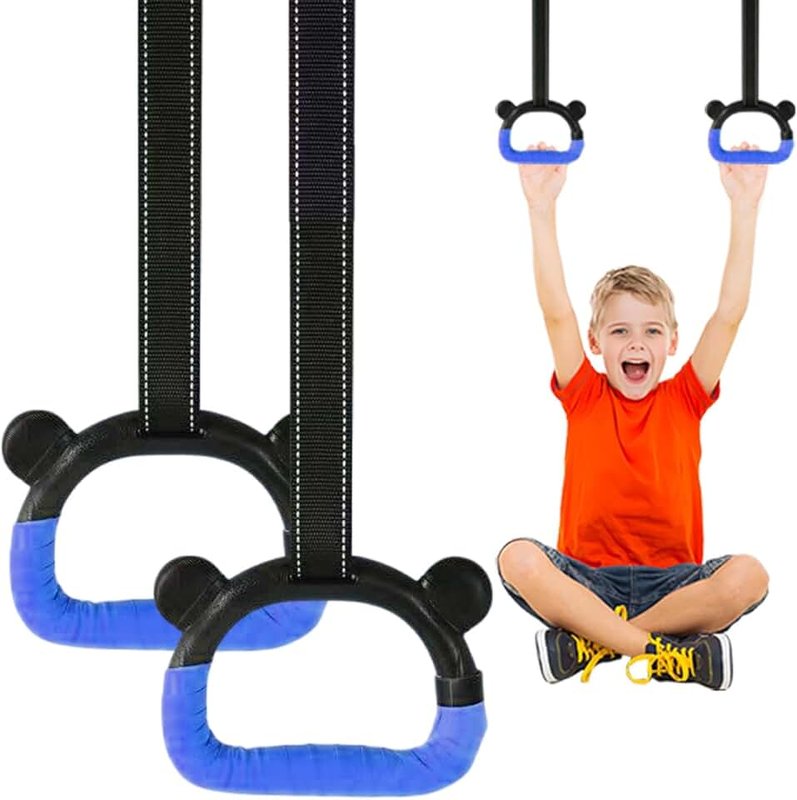
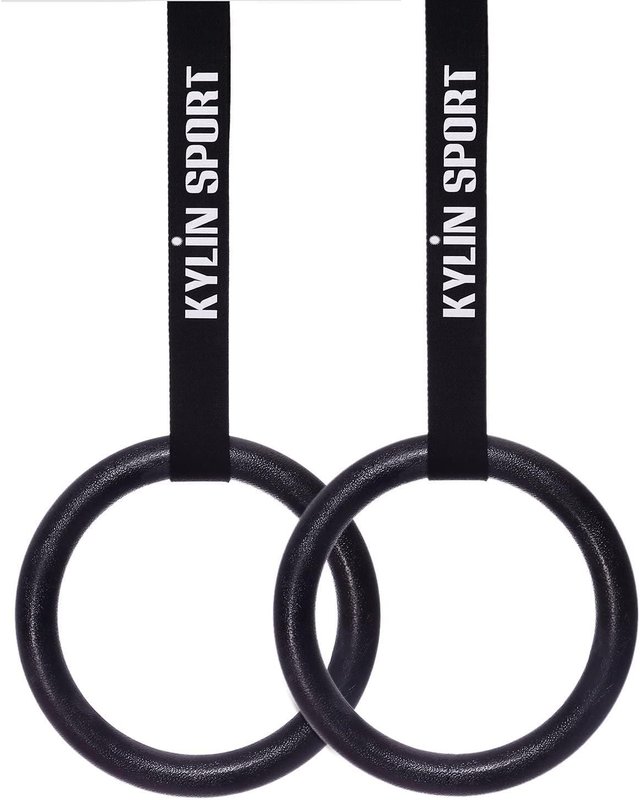
Wooden rings are the gold standard. Birch and beech are the most common timbers — they absorb moisture from sweaty hands, providing natural grip that improves during a session. Plastic (ABS or polycarbonate) rings are cheaper and weather-resistant, making them suitable for permanent outdoor installation. Metal rings are rare outside of competitive gymnastics and too slippery for most training. For home and gym use, wooden rings outperform everything else.
Ring Diameter and Thickness
Standard gymnastic rings have an outer diameter of 23-24cm (FIG competition standard is 23.6cm) and a grip thickness of 28-32mm. Thicker grips (32mm) are harder to hold but build forearm strength. Standard 28mm is comfortable for most adults. Smaller hands (and children) benefit from 25mm thickness. Do not deviate far from competition sizing unless you have a specific reason — the standard dimensions exist because they work.
Straps and Mounting
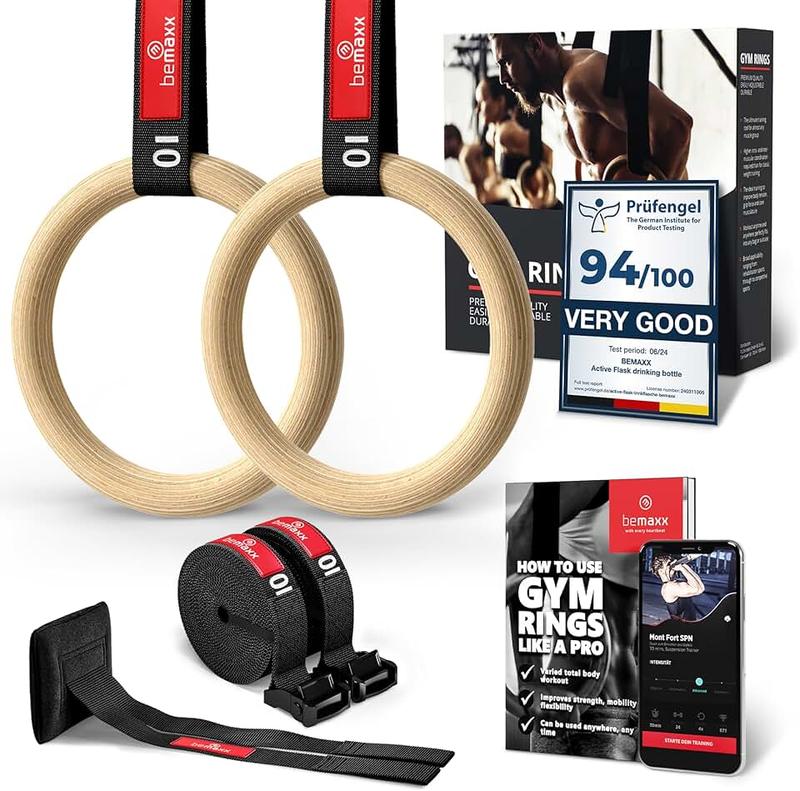
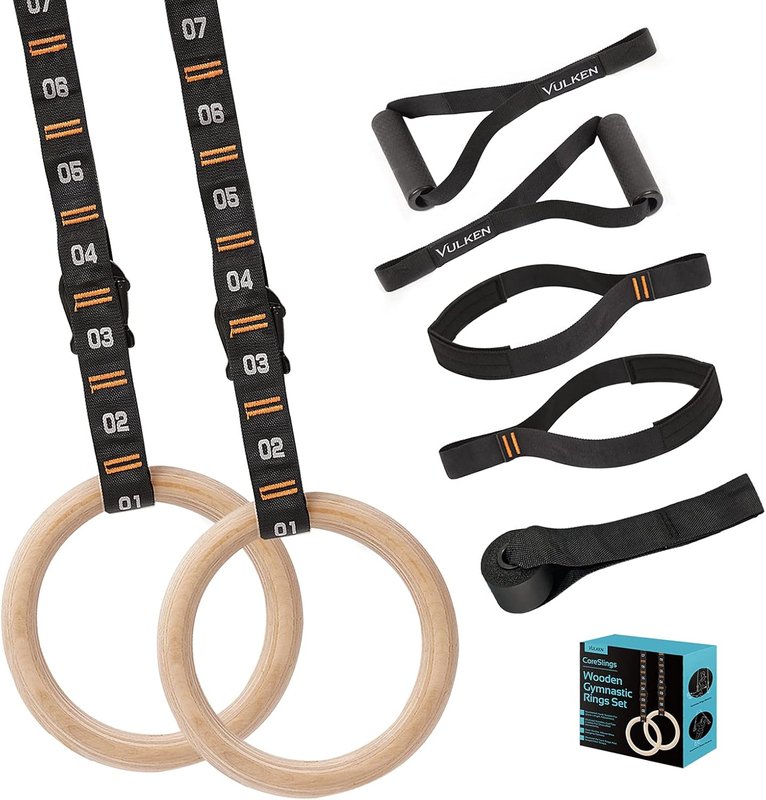
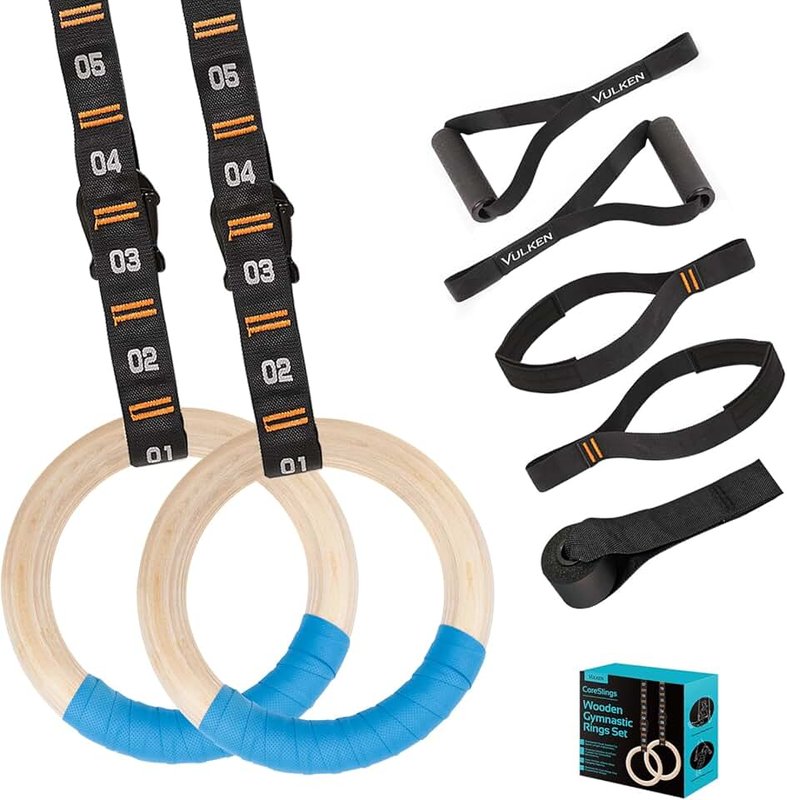
The straps matter as much as the rings themselves. Nylon straps are the most common — strong, weather-resistant, and affordable. Polyester straps resist stretching better than nylon. Strap length should be at least 4.5 metres per side to accommodate high mounting points. Cam buckles (the lever-style adjusters) are faster to set and release than numbered straps but both work. Gymnastic rings in Australia range from $30 to $150 AUD, with wooden rings and quality straps at the higher end.
Where to Hang Them
Ceiling joists, pull-up bar frames, tree branches, and outdoor structures all work. The mounting point must support at least 300kg combined (your body weight plus dynamic forces from swinging). Ceiling-mounted eye bolts rated for suspended loads are the most secure indoor option. For trees, use wide straps that distribute pressure and do not damage the bark. Ensure enough overhead clearance for muscle-ups and enough forward clearance for swinging movements.
Getting Started with Ring Training
Begin with the rings set low — at chest height for rows and push-ups, at waist height for dips. These foundational movements build the stability needed for advanced skills. Ring rows are the entry point for pulling strength. Ring push-ups challenge chest and shoulders differently to floor push-ups. Ring dips are significantly harder than parallel bar dips. Master these three before progressing to muscle-ups, L-sits, and levers.
Maintenance
Sand wooden rings lightly with fine sandpaper (400 grit) every few months to maintain grip texture. Do not oil or varnish wooden rings — this destroys the moisture-absorbing property. Check straps for fraying at buckle contact points. Replace straps at the first sign of significant wear. Store indoors when not in use to extend the life of wooden rings.
Are wooden or plastic gymnastic rings better?
Wooden rings are better for training. They absorb hand moisture and provide superior grip that improves as you warm up. Plastic rings are cheaper and weather-resistant but feel slippery when hands sweat. For serious training, wood is the clear winner.
What height should I hang gymnastic rings?
For full range exercises including muscle-ups and swings, hang them at least 2.7 to 3 metres high with enough clearance overhead and in front. For basic exercises (rows, push-ups, dips), a lower mounting at 2 to 2.5 metres works. Longer straps give more flexibility.
Are gymnastic rings suitable for beginners?
Absolutely. Rings are scalable — adjusting the height changes the difficulty. Beginners start with feet-assisted rows and elevated push-ups, which are accessible for most fitness levels. The instability builds core strength faster than stable alternatives.
How much weight can gymnastic rings support?
Quality gymnastic rings with rated straps support 200 to 400kg. Always check the manufacturer’s weight rating. The rings themselves rarely fail — the straps and mounting point are the weak links. Use hardware-store eye bolts rated for suspended loads for ceiling mounting.
Can I leave gymnastic rings outside permanently?
Plastic rings handle outdoor conditions well. Wooden rings degrade in rain and humidity — bring them inside after use. UV exposure also weakens nylon straps over time. For a permanent outdoor setup, use plastic rings with polyester straps and inspect them monthly.