

Evil Eye Bracelets
As an Amazon Associate, DreamPigeon earns from qualifying purchases. Prices and availability are accurate as of the date/time indicated and are subject to change.
Understanding Evil Eye Bracelets
The evil eye — a blue and white concentric eye symbol — is one of the oldest protective amulets in human history. Originating in Mediterranean and Middle Eastern cultures, it’s believed to ward off negative energy and jealousy. Evil eye bracelets have become enormously popular in Australia both as meaningful talismans and as striking fashion accessories. Prices range from $26 to $153, covering everything from casual beaded designs to crystal-embellished luxury pieces.
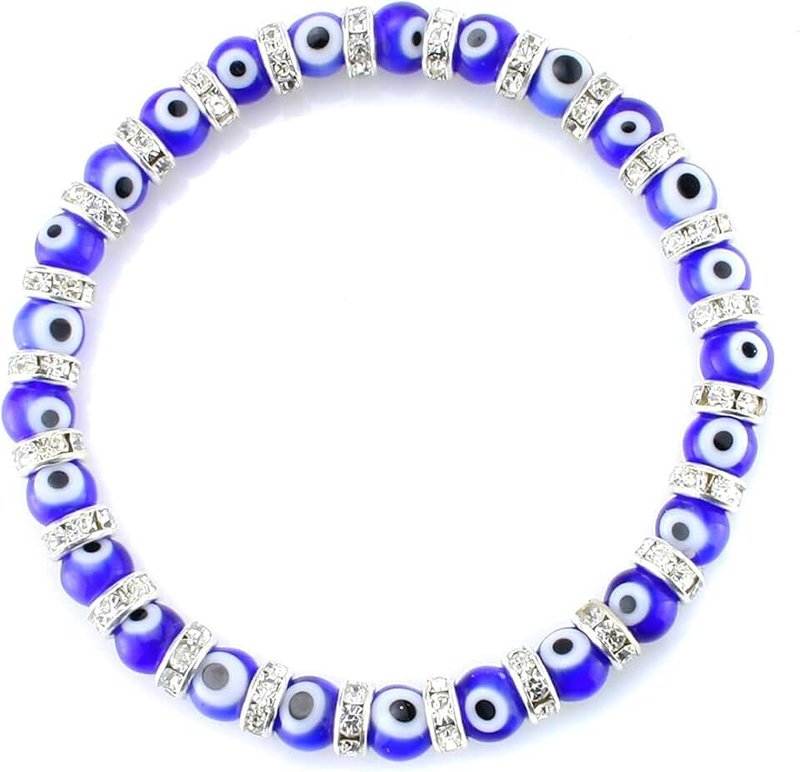
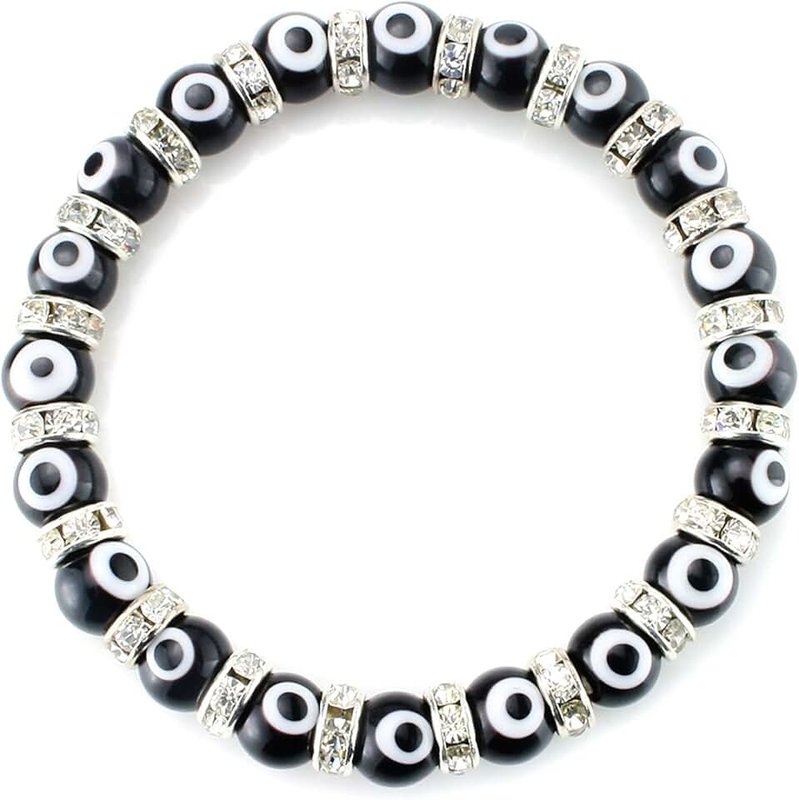
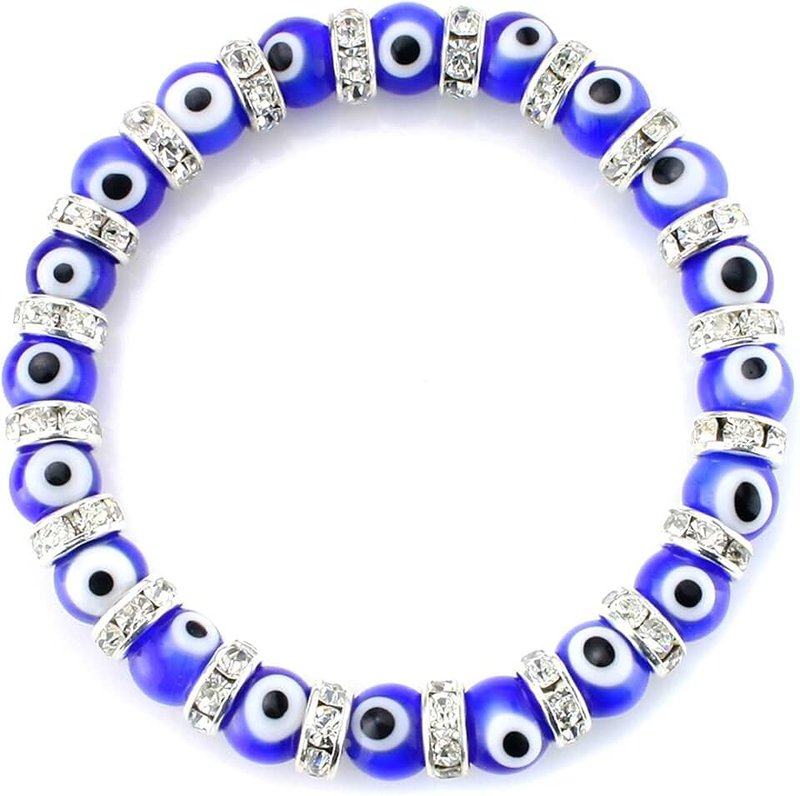
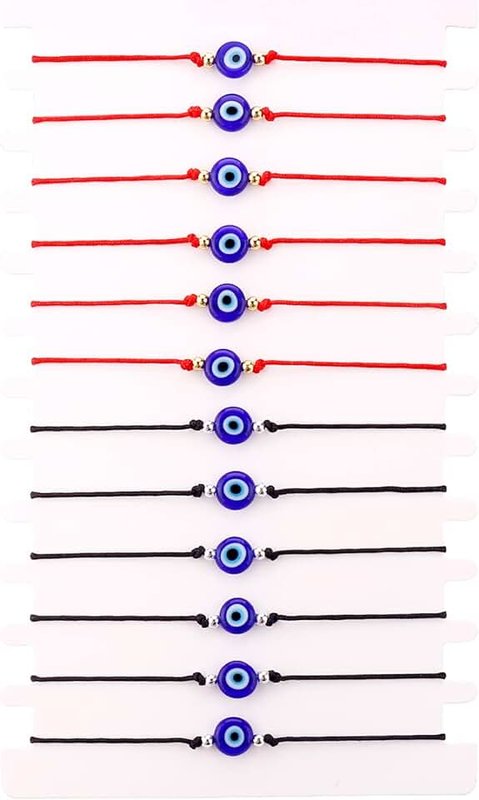
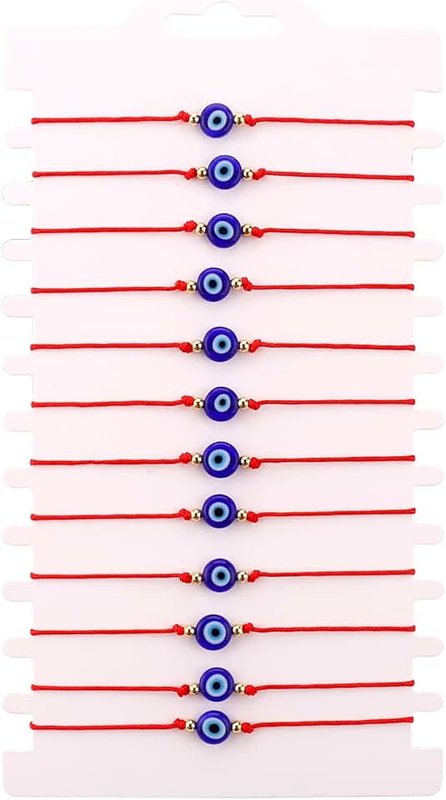
The traditional evil eye charm features concentric circles in dark blue, light blue, white, and black — representing the iris and pupil of a watchful protective eye. Modern interpretations come in all colours: red for courage, green for health, pink for love, and the classic blue for general protection. Gold and silver evil eye charms add a jewellery-quality finish to the ancient symbol.
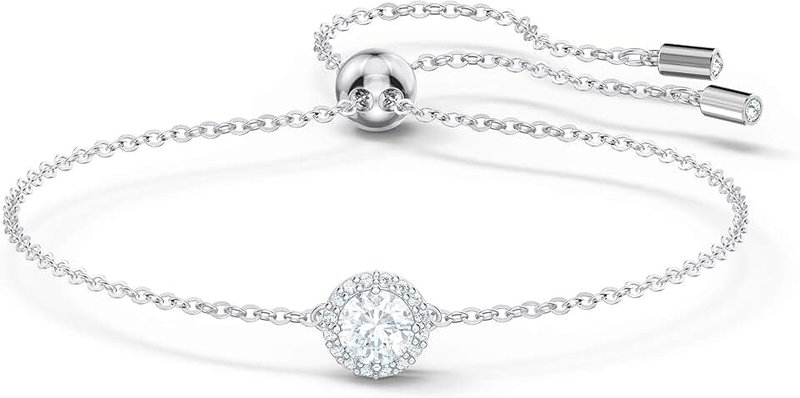
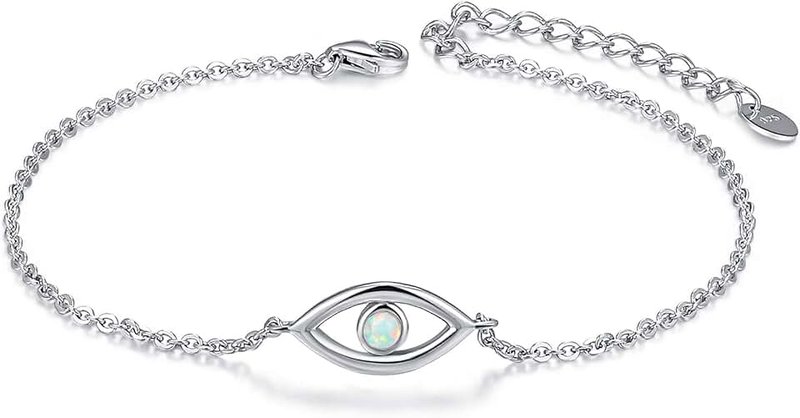
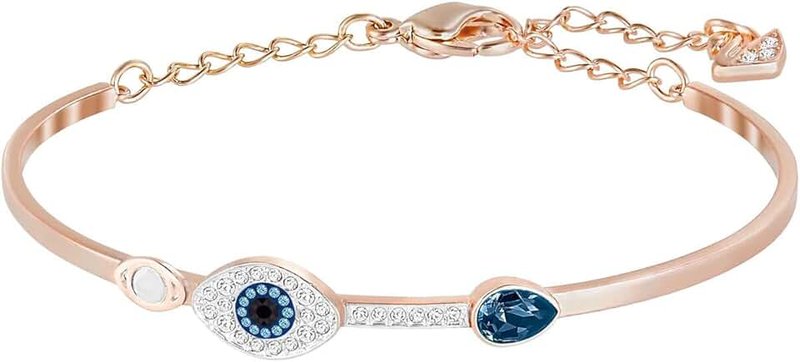
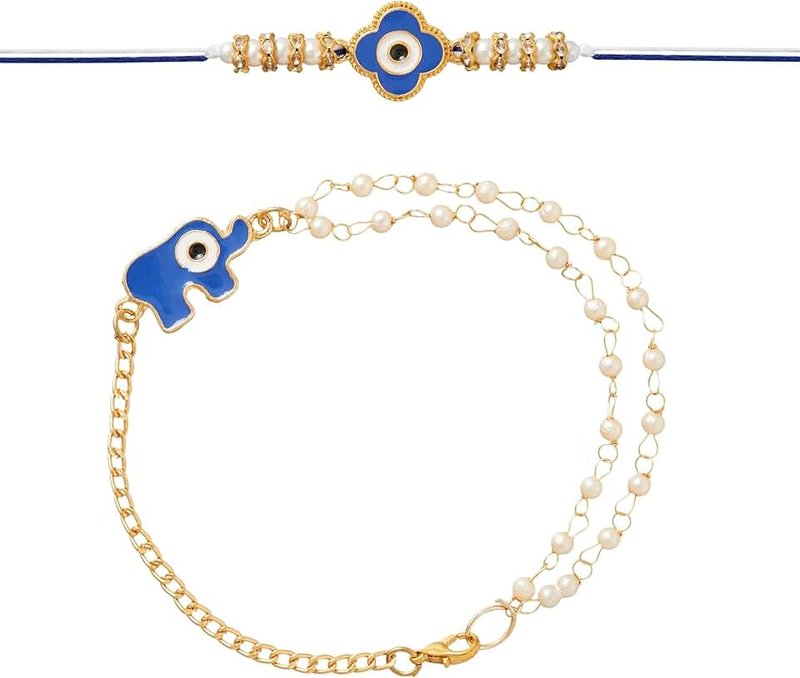
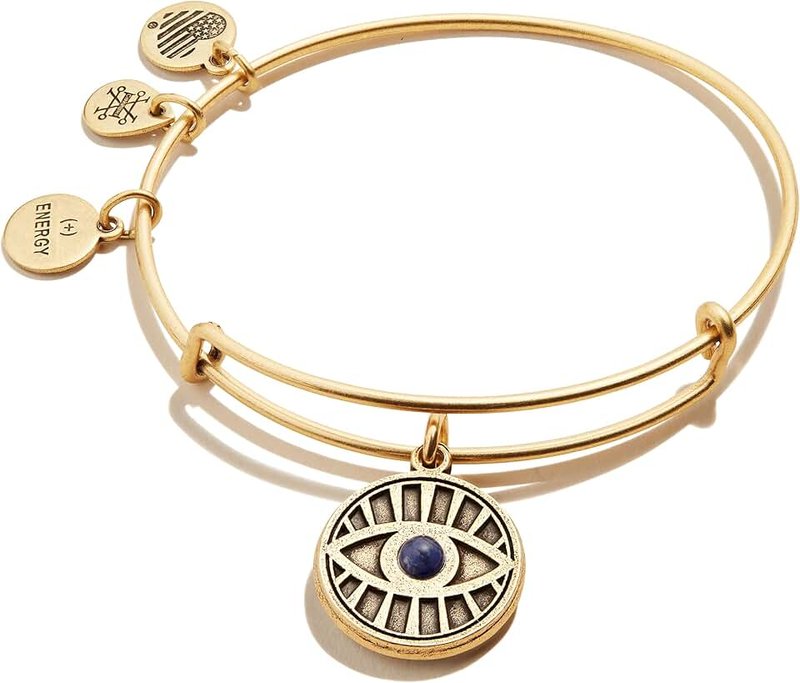
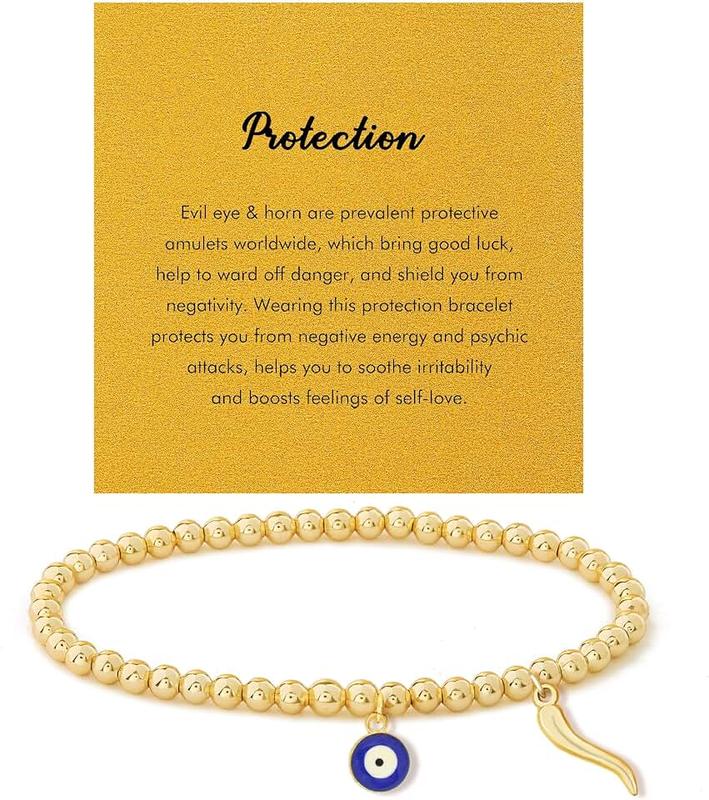
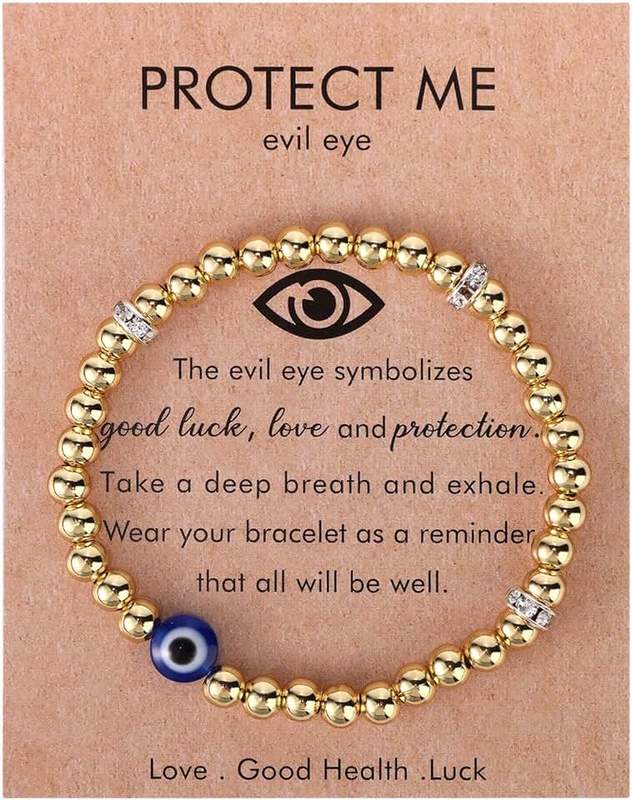
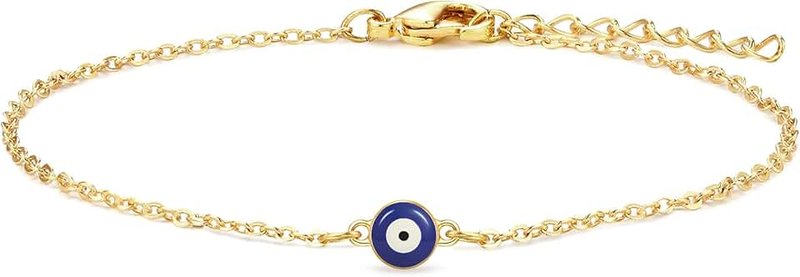
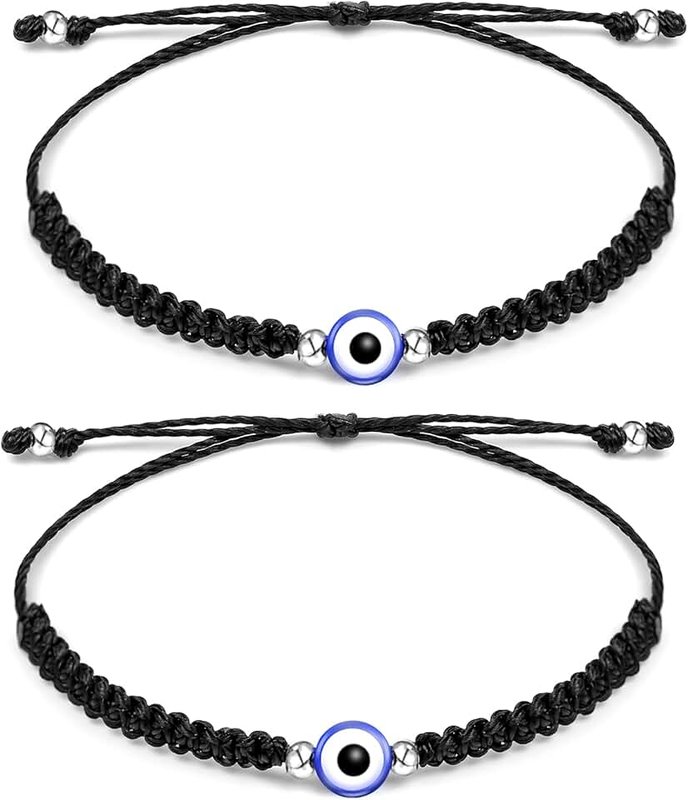
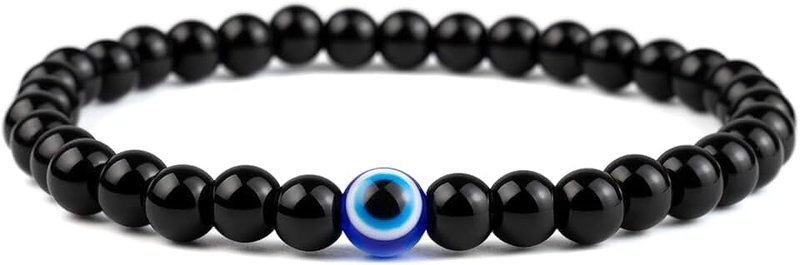
Bracelet styles vary widely. Beaded evil eye bracelets string the eye charm on lava stone, hematite, or glass beads for a casual, bohemian look. Chain bracelets feature a single evil eye charm on a delicate metal chain — elegant and office-appropriate. Bangle-style evil eye bracelets set the charm within a solid metal band. Crystal-encrusted versions from brands like Swarovski transform the evil eye into a luxury statement piece.
Materials and Construction
Glass evil eye charms are the most traditional and authentic. Handmade glass eyes from Turkey (called Nazar Boncuks) feature swirled, layered glass that gives each charm unique depth. Mass-produced resin and enamel eyes are more uniform but lack the character of glass.
Metal quality in the bracelet portion varies significantly. Sterling silver and stainless steel chains will last for years. Base metal chains with thin plating may discolour within months of daily wear. For beaded bracelets, elastic cord is common but needs replacing periodically — if the bracelet is valuable, have it restrung on proper beading wire by a jeweller.
Hamsa hand (the open palm symbol) is frequently combined with the evil eye on bracelets. Both symbols carry protective meanings across multiple cultures, and the combination creates a visually interesting design. If you’re drawn to the spiritual significance, the hamsa-evil-eye combination carries layered symbolism of protection and blessing.
Styling and Care
Evil eye bracelets work brilliantly in wrist stacks. Layer a blue evil eye bracelet with gold chains, beaded bracelets, or a watch for a curated, personal look. The eye motif adds an interesting focal point among simpler pieces. Odd numbers (3 or 5 bracelets stacked) tend to create a more visually appealing arrangement than even numbers.
For glass evil eye charms, avoid dropping the bracelet on hard surfaces — glass chips and cracks. Remove before exercise and manual work. Clean glass charms with a soft, damp cloth. Metal components can be cleaned with appropriate metal cleaners, but keep chemicals away from glass and enamel elements.
Culturally, some traditions suggest that if your evil eye bracelet breaks, it has absorbed negative energy and protected you. Whether you subscribe to this belief or wear the bracelet purely for its aesthetic, replacing a broken evil eye is considered good practice — it’s a nice excuse to shop for a new one.
What does the evil eye bracelet symbolise?
The evil eye symbol is believed to protect the wearer from negative energy, envy, and ill will. It originates from ancient Mediterranean and Middle Eastern cultures. Many people wear it for protection, while others appreciate it as a cultural design element.
Which wrist should I wear an evil eye bracelet on?
Tradition suggests the left wrist, as the left side is considered the receiving side of the body — absorbing energy from the outside world. However, there’s no strict rule. Wear it on whichever wrist feels comfortable and suits your style.
Can anyone wear an evil eye bracelet?
Yes. While the evil eye has cultural roots in Greek, Turkish, and Arabic traditions, it has been adopted worldwide as a protective symbol. There’s no cultural restriction on who can wear one. It’s considered a universal symbol of protection.
What does it mean when an evil eye bracelet breaks?
Folklore says a broken evil eye has absorbed and blocked negative energy directed at you, fulfilling its protective purpose. Whether you believe this or not, many people replace a broken evil eye bracelet promptly out of tradition and personal sentiment.
What colour evil eye should I choose?
Blue is the traditional and most popular colour for general protection. Red symbolises courage and energy. Green represents health and growth. Pink is associated with love. Gold attracts prosperity. Choose based on personal resonance or simply the colour you like best.