

Emerald Necklace
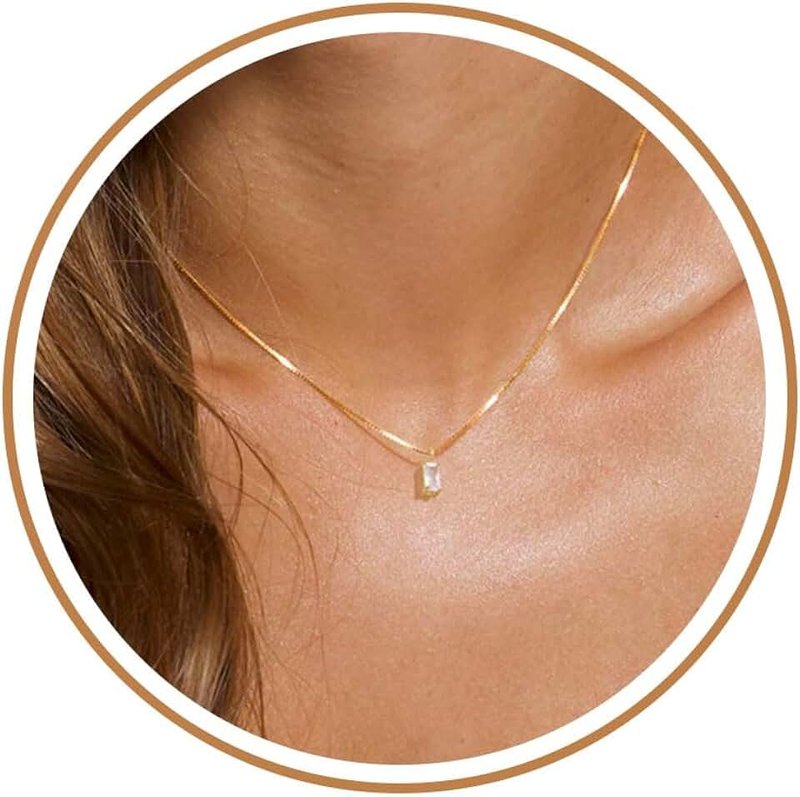
As an Amazon Associate, DreamPigeon earns from qualifying purchases. Prices and availability are accurate as of the date/time indicated and are subject to change.
Buying an Emerald Necklace
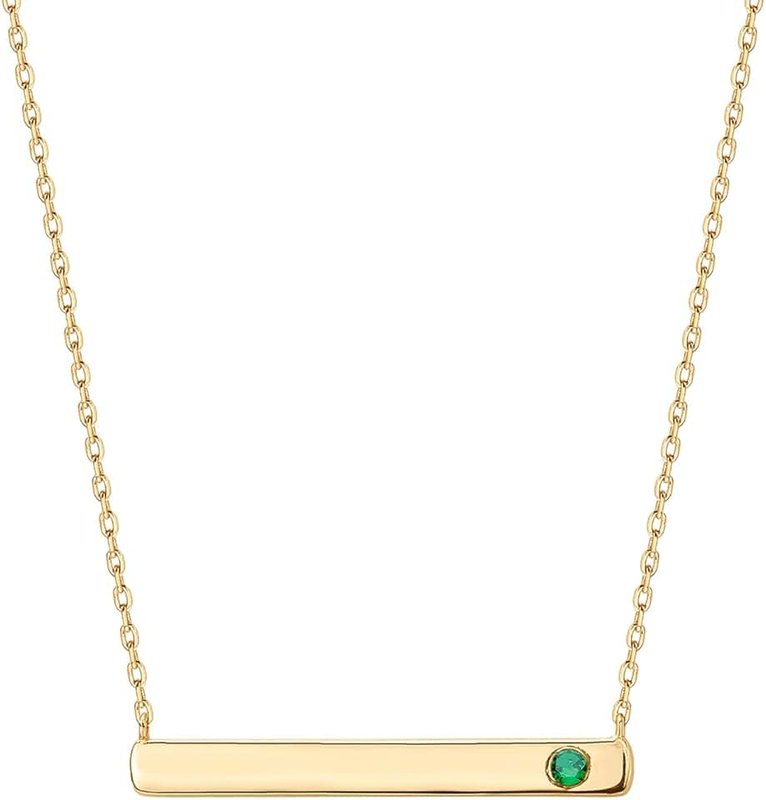
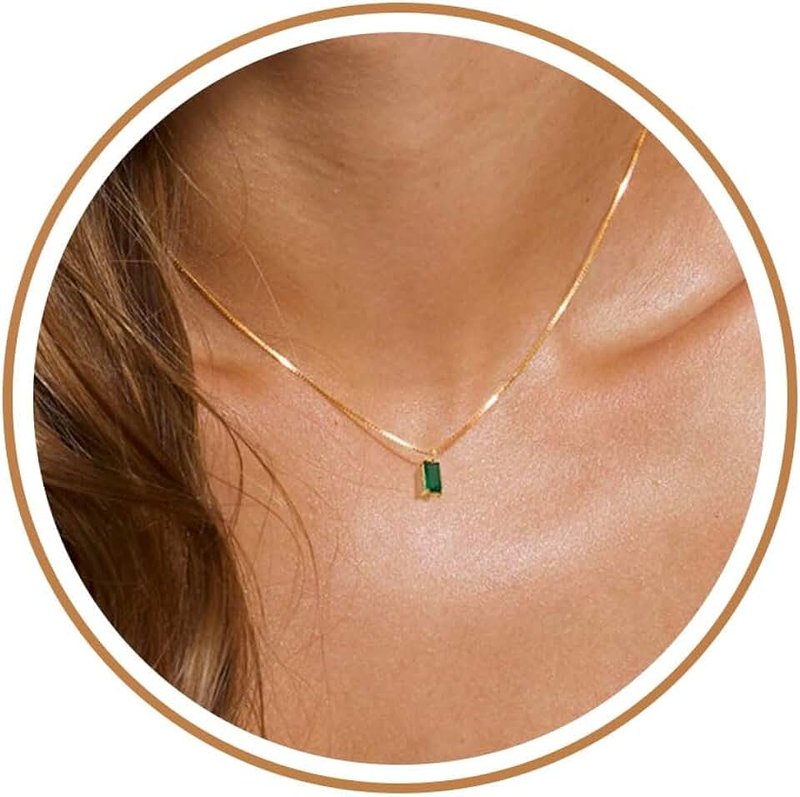
Emeralds are the aristocrats of the gemstone world. Their deep green colour has captivated jewellery lovers for thousands of years, and an emerald necklace carries a richness and prestige that few other stones can match. Whether you’re drawn to emeralds for their colour, their history, or their status as a May birthstone, understanding what to look for will help you make a confident purchase.
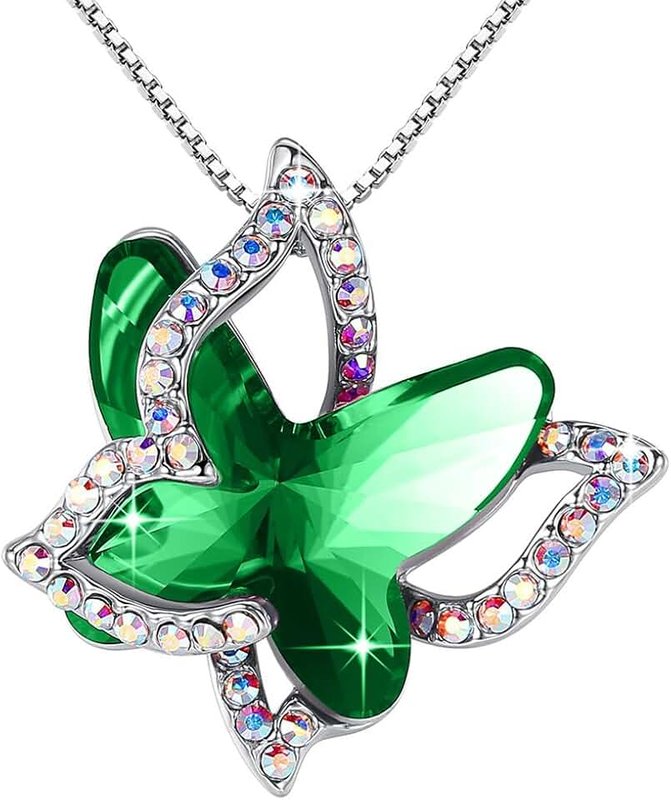
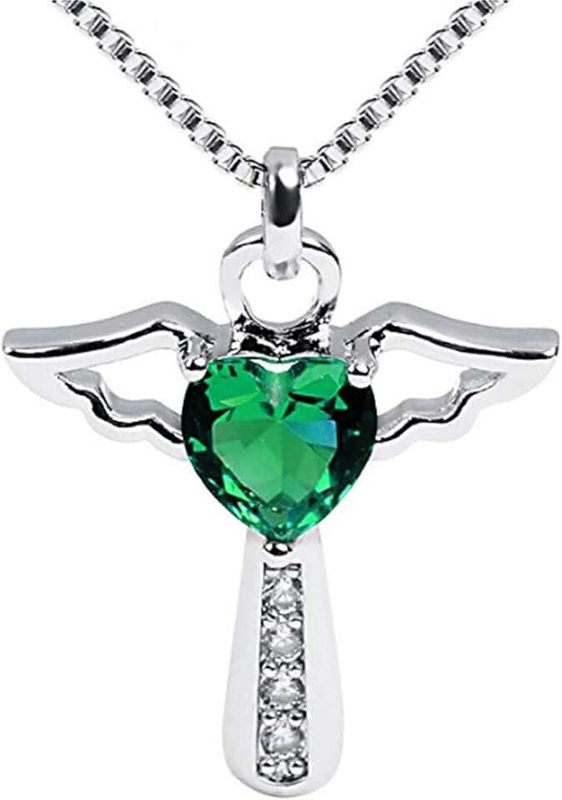
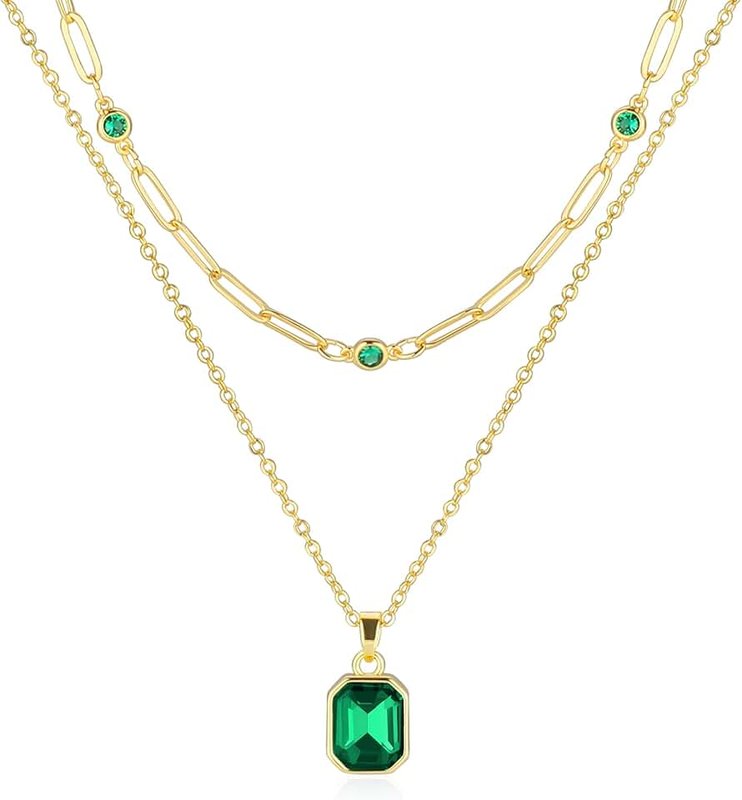
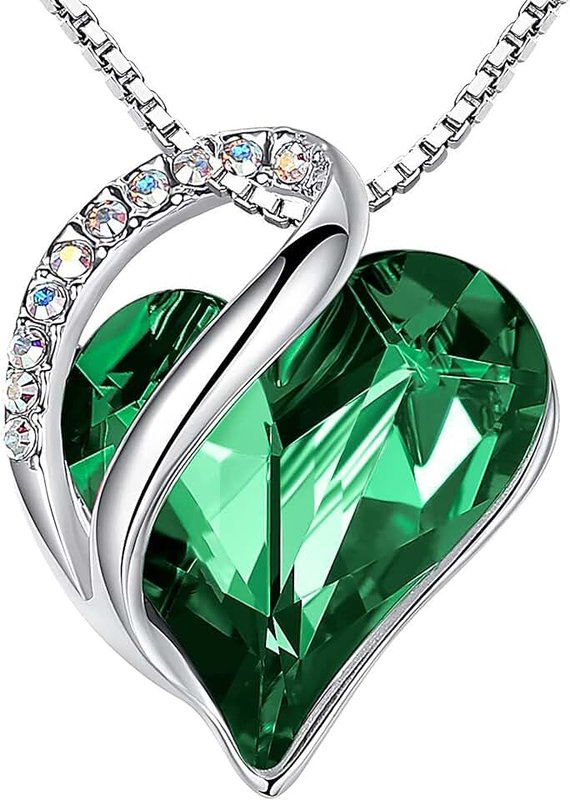
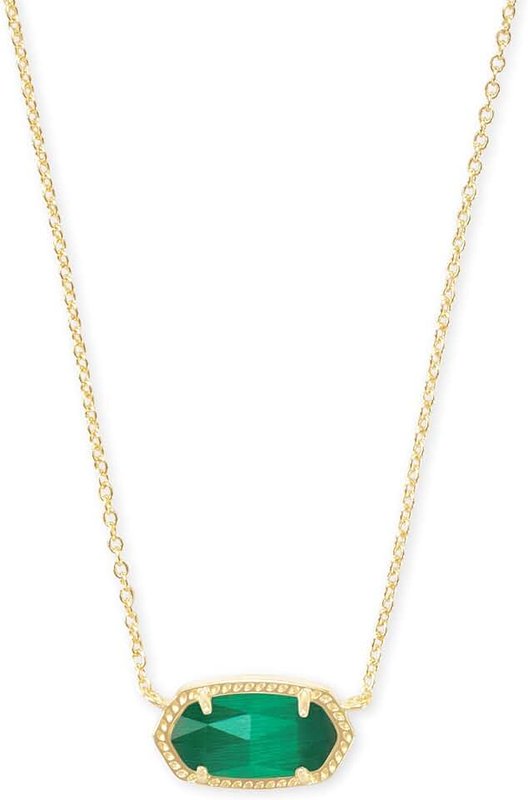
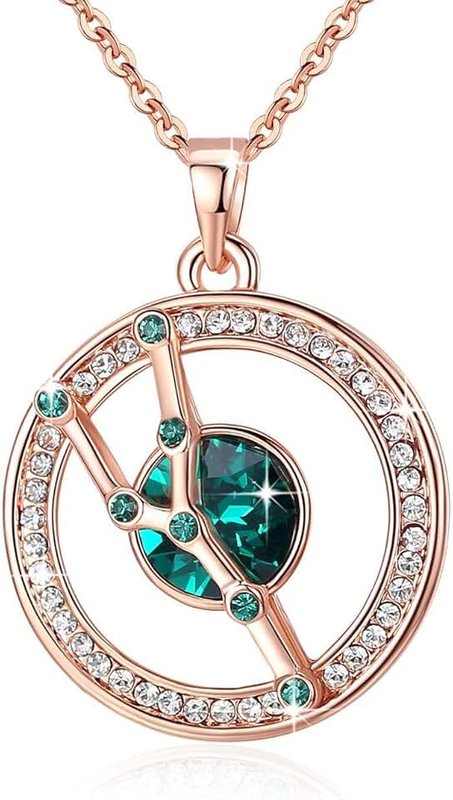
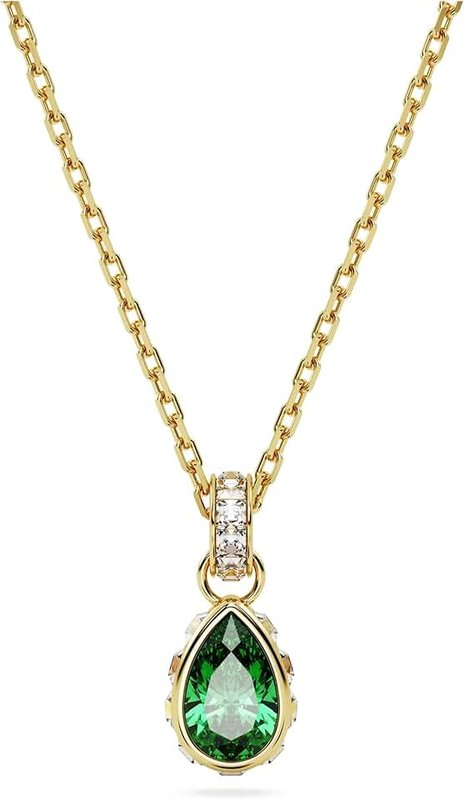
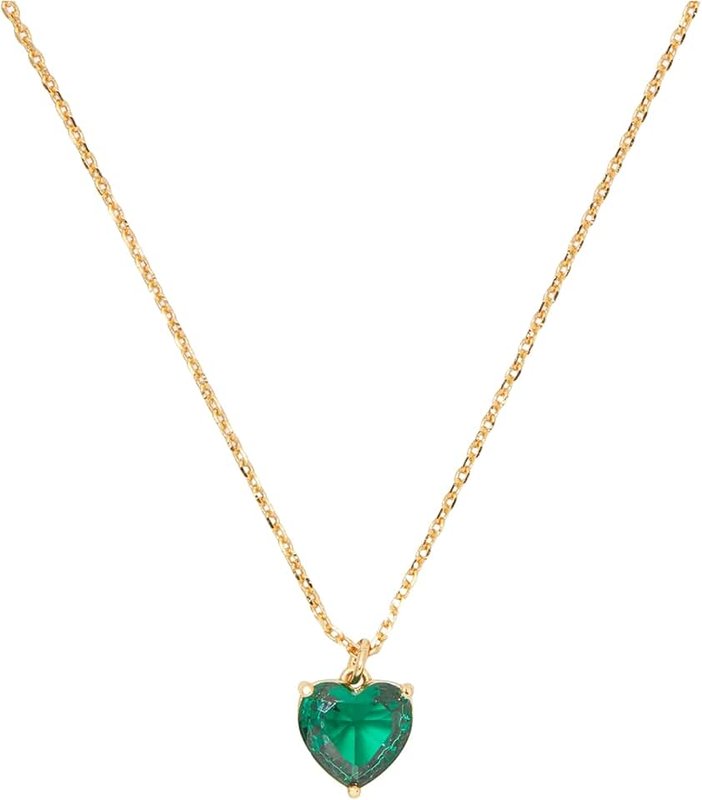
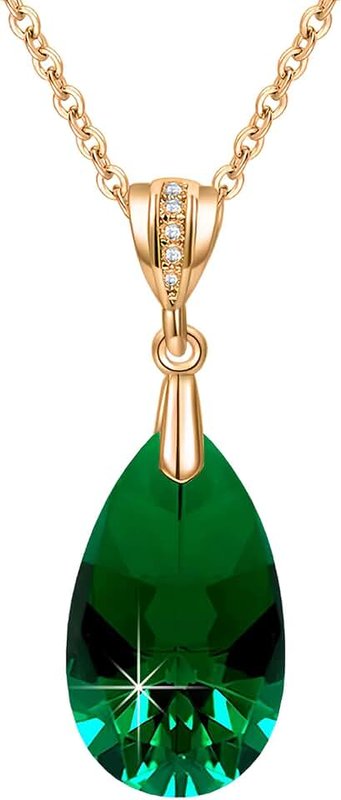
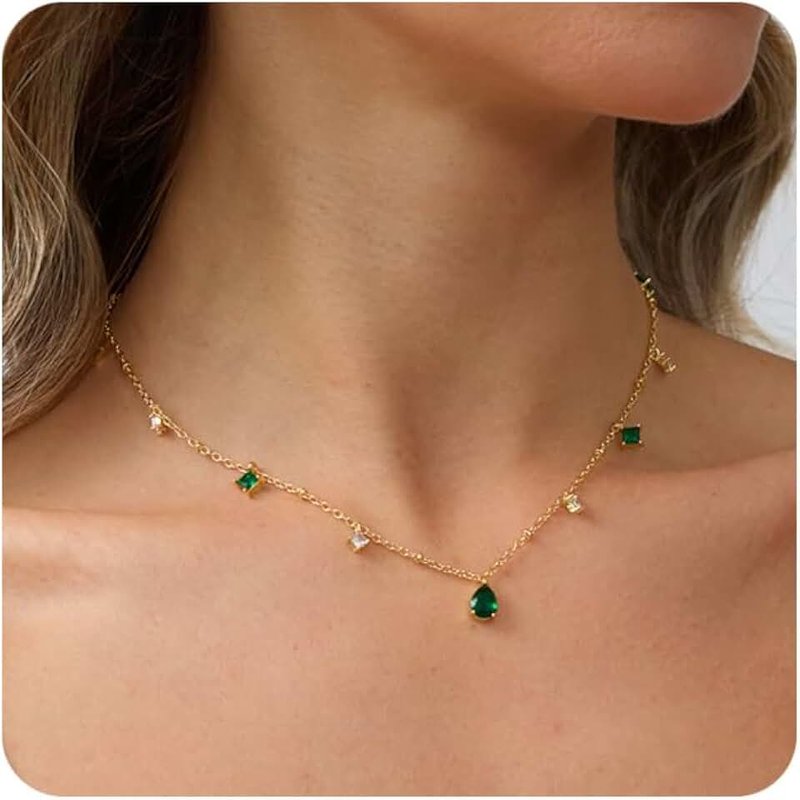
Colour is the most important quality factor for emeralds — more so than with any other gemstone. The ideal emerald colour is a vivid, saturated green with a slight blue undertone. Stones that are too yellow-green, too light, or too dark command lower prices. A medium-toned, vivid green emerald with excellent saturation is the benchmark for quality. With emerald necklaces priced from $36 to $163, you’ll find a range of colour qualities across natural, created, and simulated options.
Almost all natural emeralds contain visible inclusions — they’re called “jardins” (French for gardens) in the trade, and they’re accepted and expected. Emeralds without visible inclusions are exceptionally rare and command extraordinary prices. For necklace pendants, slight inclusions visible only under close inspection are perfectly fine — they actually help confirm the stone is natural.
Natural vs Created Emeralds
Lab-created emeralds have the same chemical composition and crystal structure as natural emeralds. They display the same vivid green colour but typically have fewer inclusions. They’re a smart choice if you want a visually flawless emerald at a fraction of natural prices.
Simulated emeralds (CZ, glass, or synthetic spinel coloured to look like emerald) don’t share the chemical properties of real emerald. They can look attractive but lack the depth and character of genuine emerald. Check product descriptions carefully — “emerald green” or “emerald colour” often indicates a simulant, not a real or created emerald.
Most natural emeralds are treated with oils or resins to improve clarity. This is a standard, accepted practice in the gem trade. Cedar oil has been used for centuries, while modern treatments use polymers. “No oil” or “minor oil” emeralds command premium prices. For necklace-grade emeralds, standard treatment is expected and doesn’t diminish the stone’s beauty.
Settings and Care
Emeralds rate 7.5-8 on the Mohs hardness scale but are more brittle than their hardness suggests due to their natural inclusions. This means they need protective settings. Bezel settings encircle the stone in metal and offer the best protection. Halo settings surround the emerald with smaller diamonds or CZ, which also creates a protective buffer. Prong settings leave the stone more exposed — fine for occasional wear but riskier for everyday necklaces.
Clean emerald necklaces with warm water and mild soap only. Never use ultrasonic cleaners, steam cleaners, or chemical solutions on emeralds — these can strip the oil treatment and cause the stone to look cloudier. Pat dry with a soft cloth.
Store emerald jewellery separately from harder gemstones (diamonds, sapphires, rubies) that can scratch the surface. A soft pouch or individual compartment is ideal. If you live in a very dry climate, occasional exposure to a drop of mineral oil on a soft cloth can help maintain the stone’s appearance.
Are emerald necklaces durable enough for daily wear?
Emeralds are reasonably hard (7.5-8 Mohs) but can be brittle due to natural inclusions. In a protective bezel setting, an emerald pendant is suitable for everyday wear with reasonable care. Remove it before physical activities and avoid impacts.
What metal looks best with emerald?
Yellow gold is the traditional and arguably most flattering partner for emerald — the warm gold enhances the green richness. White gold and silver create a more contemporary contrast. Rose gold with emerald has become increasingly popular for a romantic, modern look.
Why are emeralds more expensive than other green gemstones?
Emeralds are one of the “Big Three” precious gemstones alongside rubies and sapphires. Their rarity, historical significance, and the unique depth of their green colour command premium prices. Green tourmaline and peridot offer green alternatives at lower price points.
Is a created emerald a good choice for a necklace?
Lab-created emeralds offer genuine emerald colour and properties at significantly lower prices. They’re more durable than natural emeralds because they have fewer inclusions. For everyday necklaces, created emeralds are an excellent practical choice.
What does it mean when an emerald is “oiled”?
Oil treatment fills tiny surface-reaching fissures in natural emeralds to improve clarity. This is an industry-standard practice used for centuries. Almost all natural emeralds are treated. It’s perfectly acceptable and doesn’t make the emerald less genuine.