

Diamond Pendant Necklace
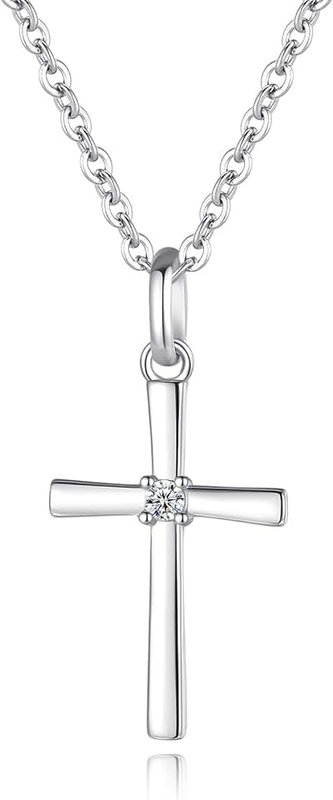
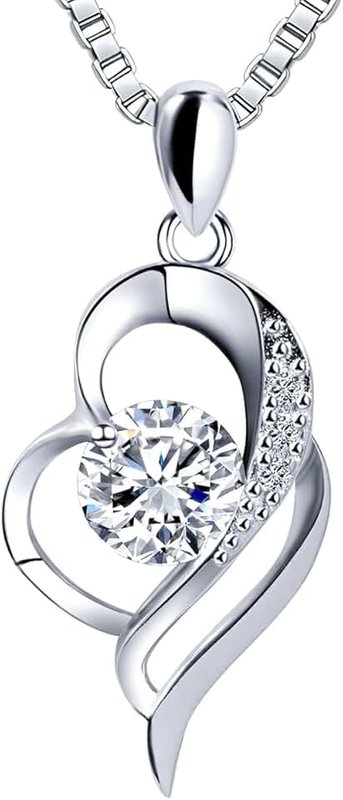
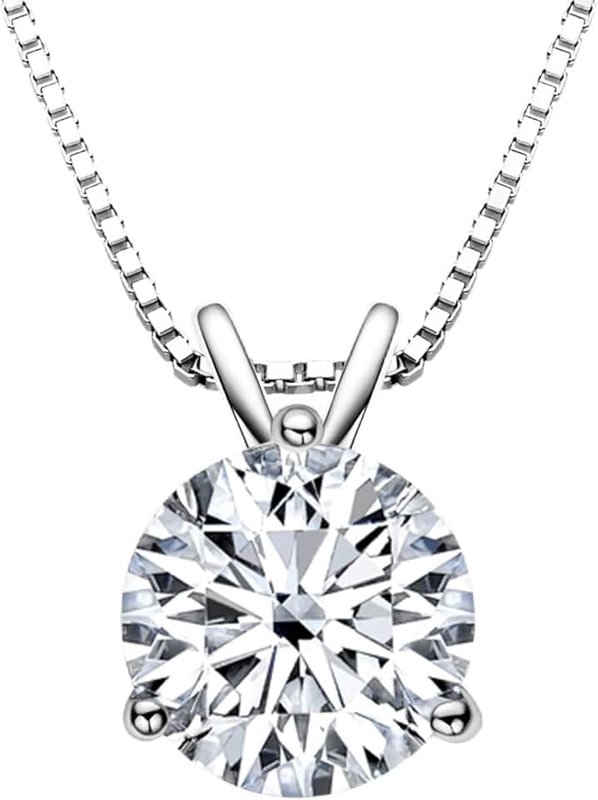
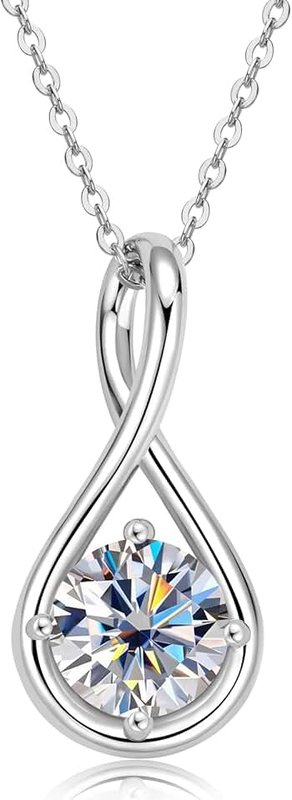
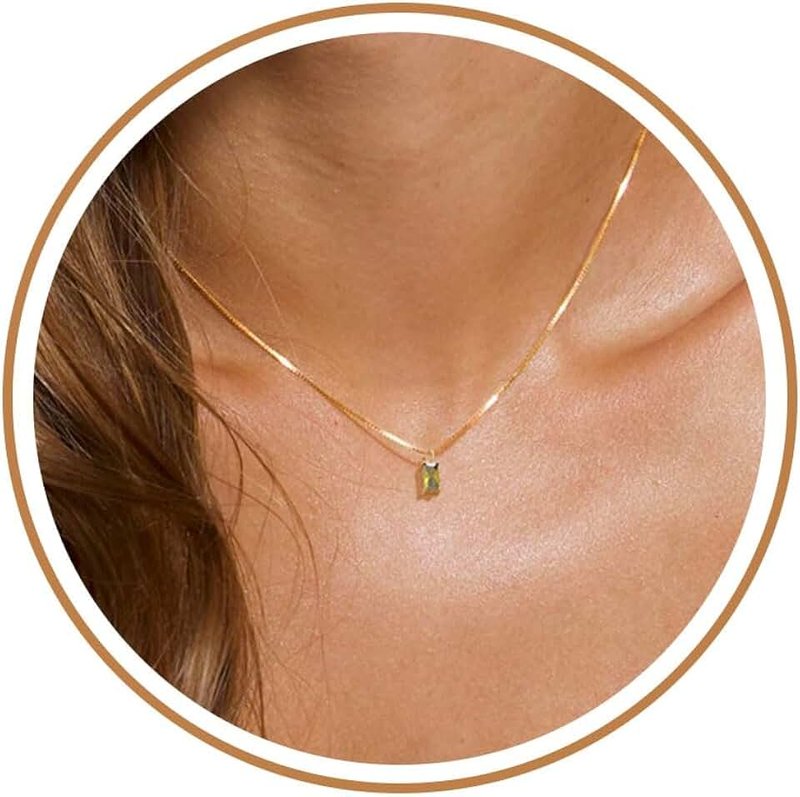
As an Amazon Associate, DreamPigeon earns from qualifying purchases. Prices and availability are accurate as of the date/time indicated and are subject to change.
How to Choose a Diamond Pendant Necklace Worth the Investment
A diamond pendant necklace is one of those rare pieces that works with jeans on a Saturday and a cocktail dress on a Friday night. It sits at the centre of the chest, catches light with every movement, and never goes out of fashion. But diamonds vary enormously in quality, and the setting matters just as much as the stone — so it pays to know what you are looking at before you buy.
Understanding Diamond Quality: The Four Cs
Cut, colour, clarity, and carat weight determine a diamond’s appearance and price. For a pendant, cut is the most critical factor. A well-cut diamond reflects light from every angle, making even a smaller stone look brilliant. Round brilliant cuts are the most popular for pendants because they maximise sparkle. Princess, oval, and pear cuts offer a more distinctive look.
Colour grades run from D (colourless) to Z (noticeable yellow). For a diamond pendant necklace, stones in the G to I range look colourless to the naked eye and cost significantly less than D-F grades. Clarity refers to internal imperfections — a VS2 or SI1 grade means inclusions exist but are invisible without magnification, which is perfectly fine for a pendant viewed at arm’s length.
Choosing the Right Setting
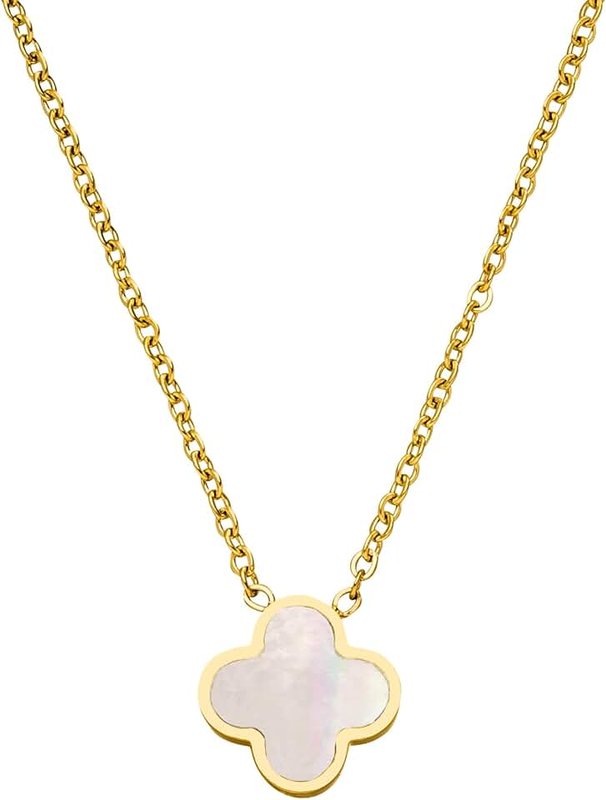
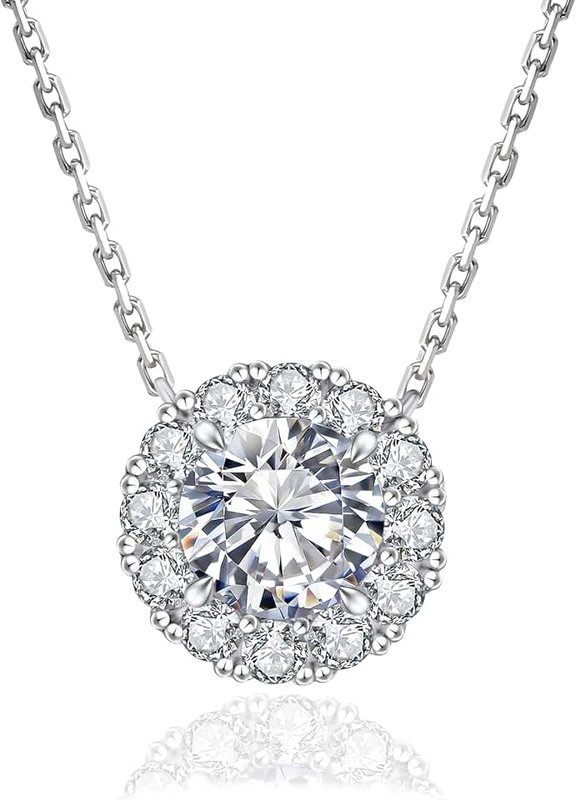
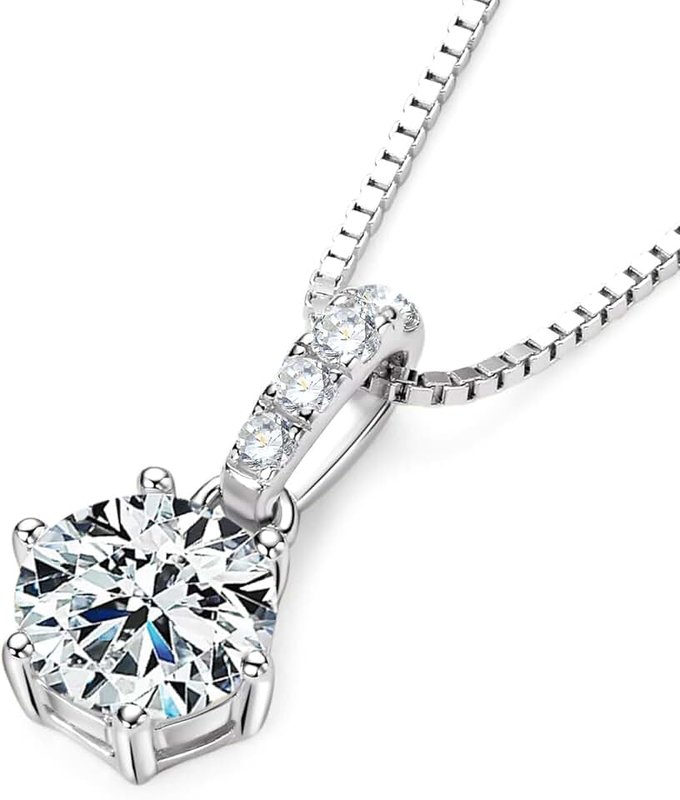
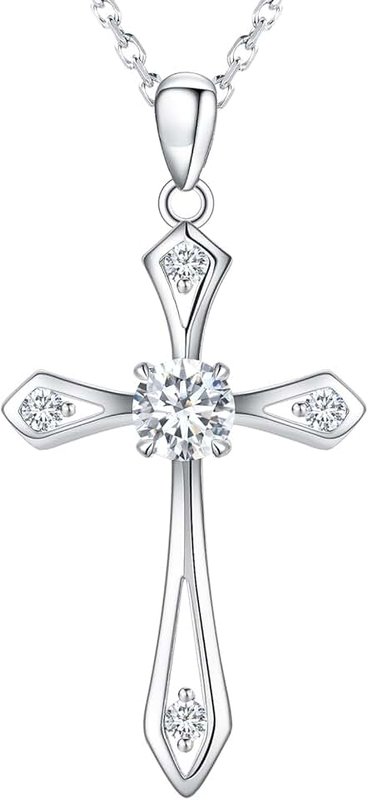
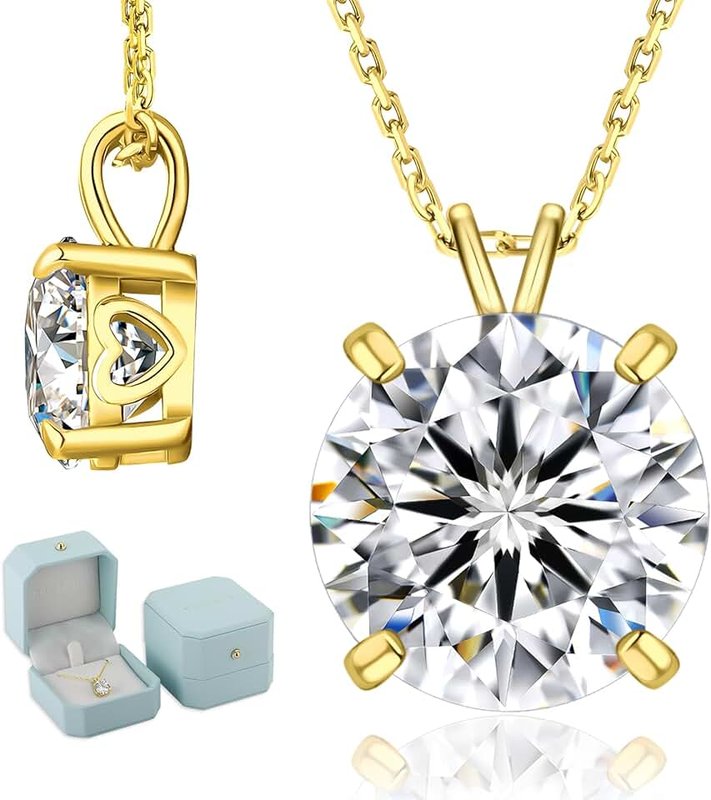
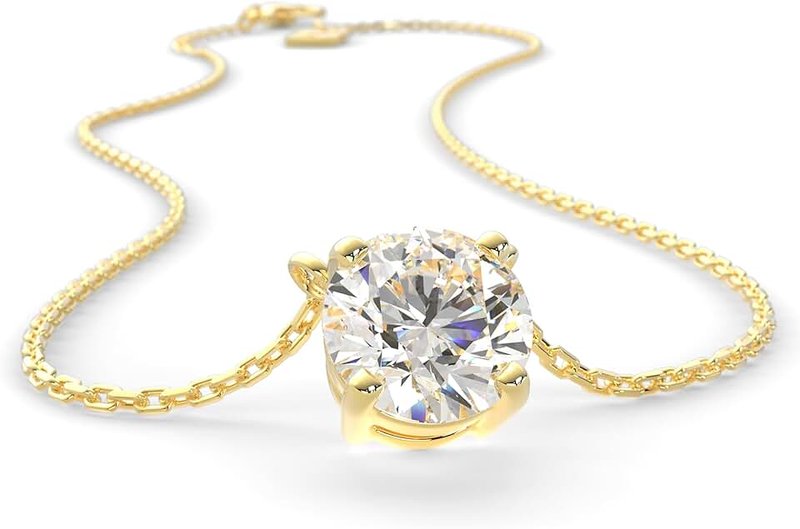
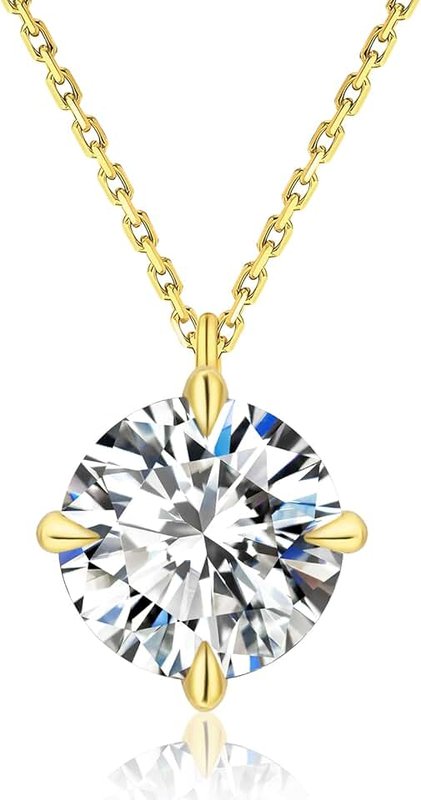
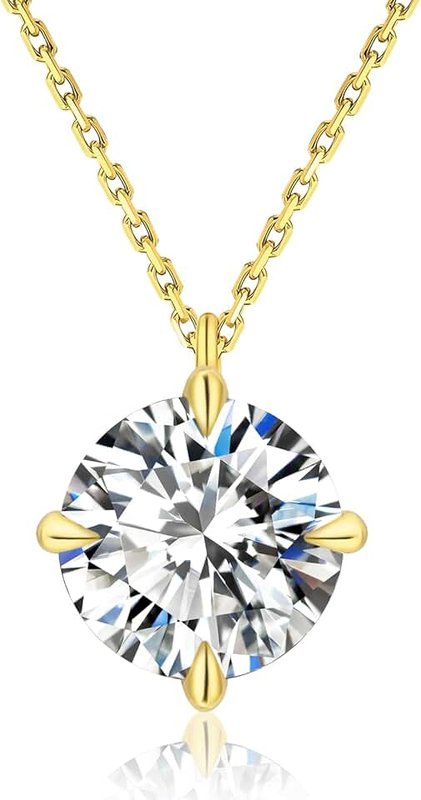
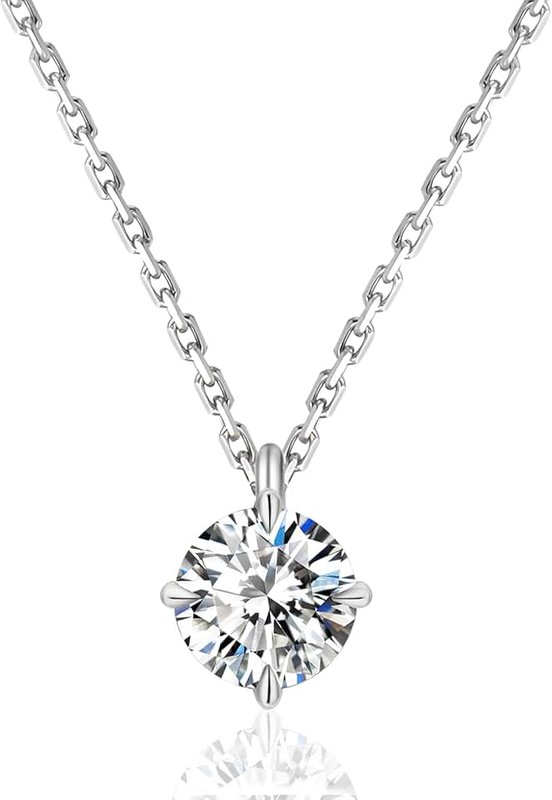
A bezel setting encases the diamond’s edges in metal, protecting it from knocks — ideal for everyday wear. A prong (claw) setting lifts the stone higher, letting more light pass through for extra sparkle, but it catches on fabric more easily. A halo setting surrounds the centre stone with smaller diamonds, making the overall piece look larger and more eye-catching.
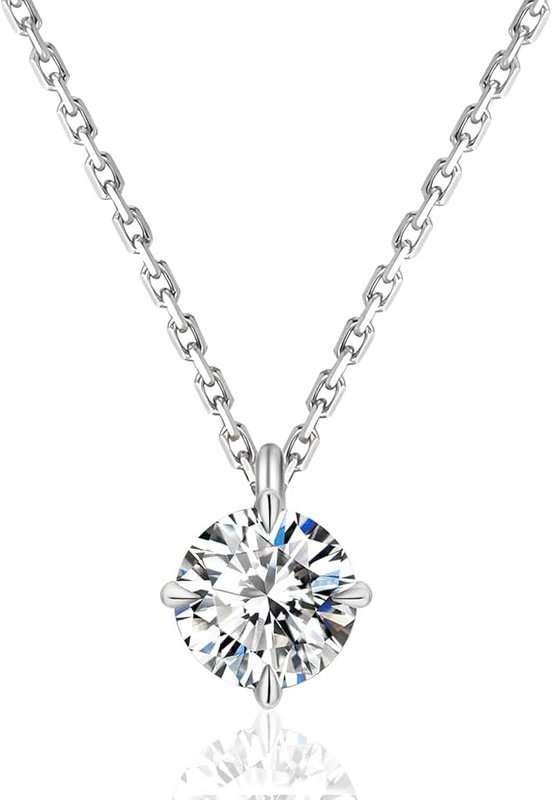
For the chain, a fine cable or box chain in matching metal keeps the focus on the pendant. White gold and platinum complement the diamond’s sparkle, while yellow gold adds warmth. Rose gold gives a contemporary twist.
Sizing and Proportion
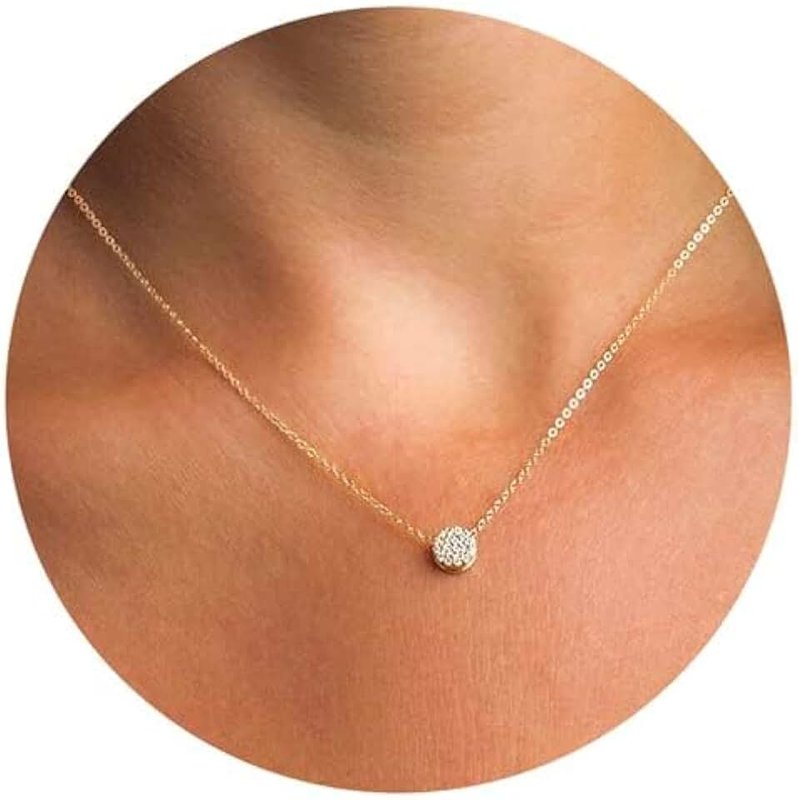
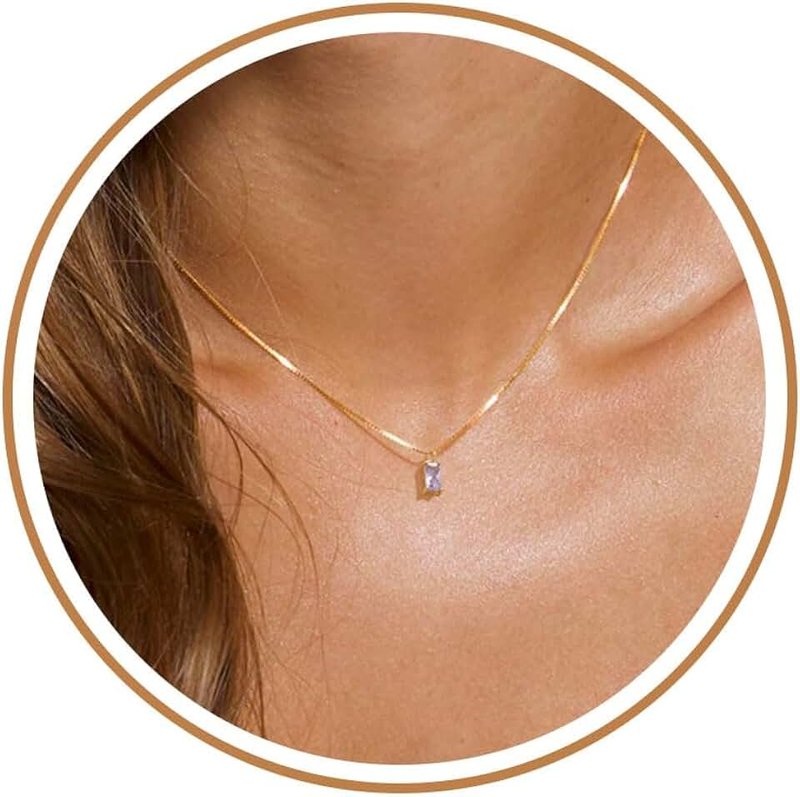
A pendant chain of 40 to 45 cm places the diamond just below the collarbone — the most flattering spot for most necklines. Longer chains (50 to 60 cm) let the pendant sit lower and work well with V-necks and scoop necklines. Match the carat size to the chain thickness: a delicate 0.25-carat stone looks best on a fine chain, while a 1-carat diamond can handle something sturdier.
Occasions and Gifting
A diamond pendant necklace is a standout gift for milestones — birthdays, anniversaries, graduations. It is also a meaningful self-purchase that marks achievement. Because it is a single-stone piece, it suits any age and pairs with virtually any wardrobe. If you are buying for someone else, a classic round solitaire in a simple setting is the safest choice; it lets the recipient’s personal style take the lead.
Care and Maintenance
Diamonds are hard but not invincible. Clean the pendant every few weeks by soaking it in warm water with a drop of mild dish soap, then gently brushing the stone with a soft toothbrush. Rinse and dry with a lint-free cloth. Store it separately from other jewellery to prevent the diamond from scratching softer stones or metals. Have the setting checked by a jeweller once a year to ensure the prongs or bezel remain secure.
What to Expect Price-Wise
In the Australian market, a diamond pendant necklace typically costs from $37 to $792 AUD. The price depends heavily on carat weight, cut quality, and the metal used for the setting and chain. Lab-grown diamonds offer the same optical properties as mined stones at a lower price point — worth considering if your budget is firm but you want a larger stone.
Are lab-grown diamonds a good option for pendant necklaces?
Lab-grown diamonds have identical physical, chemical, and optical properties to mined diamonds. They cost roughly 30 to 50 percent less for the same size and quality, making them a solid choice for a pendant where the visual impact matters most.
What chain length works best for a diamond pendant?
A 40 to 45 cm chain positions the pendant just below the collarbone, which flatters most necklines. If you prefer a lower drop, go for 50 cm. Many pendants come with adjustable chains so you can switch between lengths.
How do I keep the diamond pendant from flipping over on the chain?
Look for a fixed bail — the small loop connecting the pendant to the chain — rather than a freely sliding one. Some designs use a rabbit-ear bail that grips the chain and holds the diamond facing forward.
Can I wear a diamond pendant necklace every day?
Absolutely. Diamonds score 10 on the Mohs hardness scale, so they resist scratching. Choose a bezel or secure prong setting for daily wear, and remove the necklace before swimming, heavy exercise, or applying lotions.
What metal pairs best with a diamond pendant?
White gold and platinum enhance a diamond’s natural brilliance with a cool-toned backdrop. Yellow gold offers a classic, warm contrast. Rose gold gives a modern, romantic feel. The best choice comes down to personal preference and skin tone.