

Paracord Bracelets
As an Amazon Associate, DreamPigeon earns from qualifying purchases. Prices and availability are accurate as of the date/time indicated and are subject to change.
Paracord Bracelets: A Buyer’s Guide for Australians
There’s a reason paracord bracelets have stayed popular for years — they sit right at the crossroads of practical gear and everyday jewellery. Whether you’re after a survival bracelet to take camping in the bush, a tough everyday wristband, or a gift for someone who likes their accessories to actually do something, here’s what you should know before you buy.
What Is Paracord, Exactly?
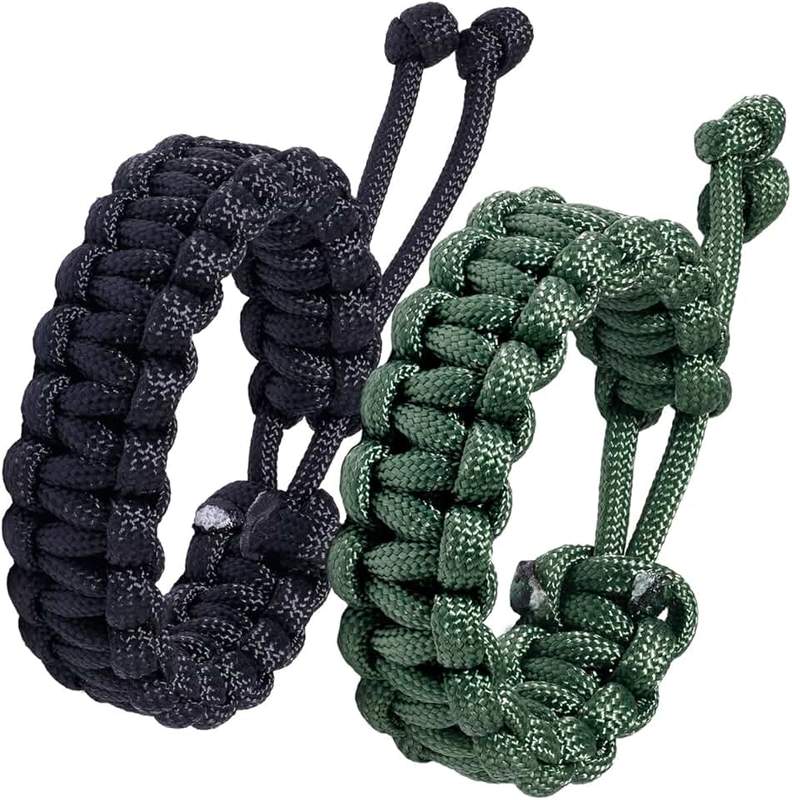
Paracord — short for parachute cord — is a lightweight nylon kernmantle rope originally developed for use in parachutes during World War II. The standard Type III paracord (also called 550 cord) has a minimum breaking strength of 550 pounds. When woven into a paracord bracelet, you’ve got anywhere from 2 to 5 metres of usable cord packed around your wrist. In an emergency — think busted tent, broken boot lace, makeshift tourniquet — you unravel the bracelet and you’ve got serious rope to work with.
Survival Bracelets vs Everyday Wear
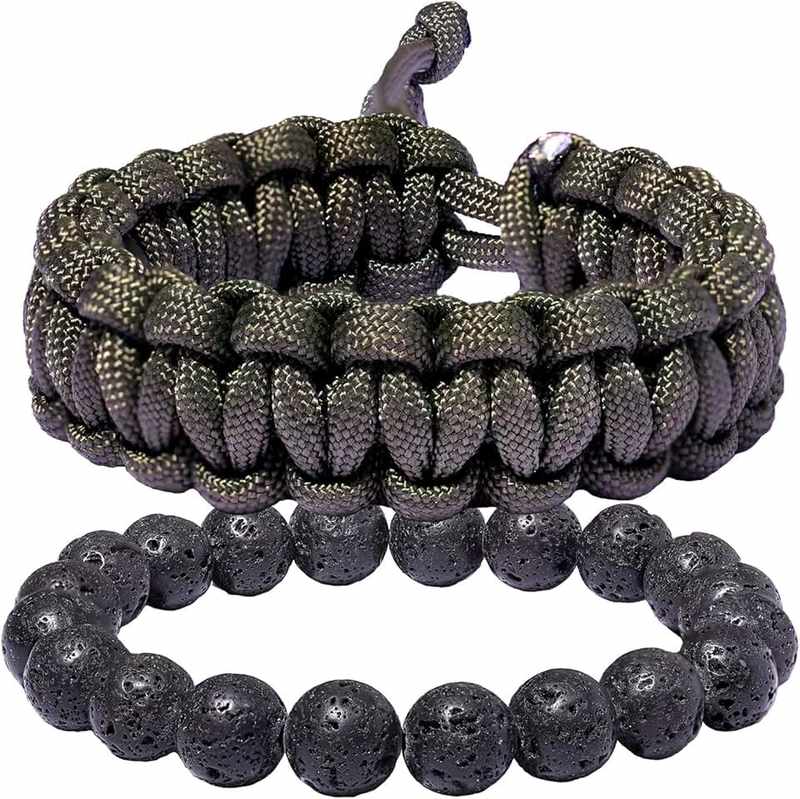
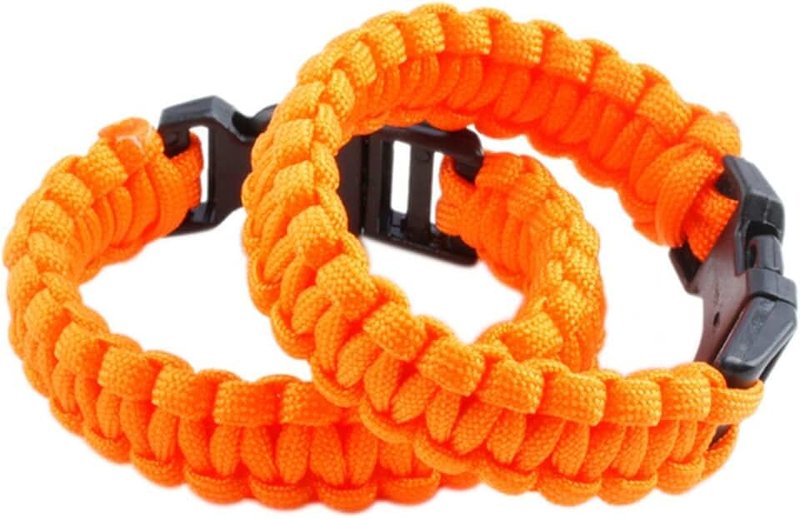
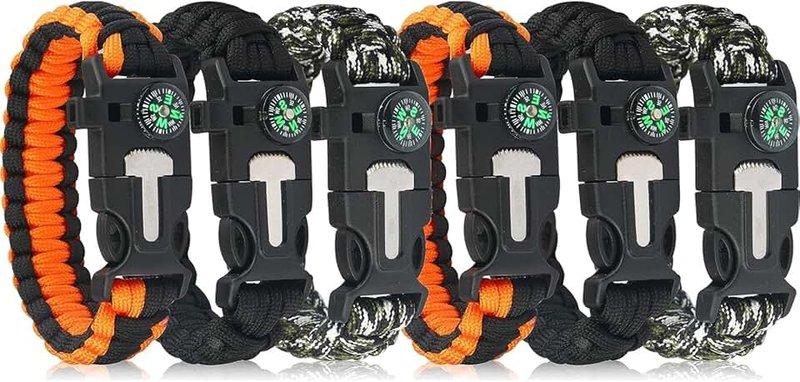
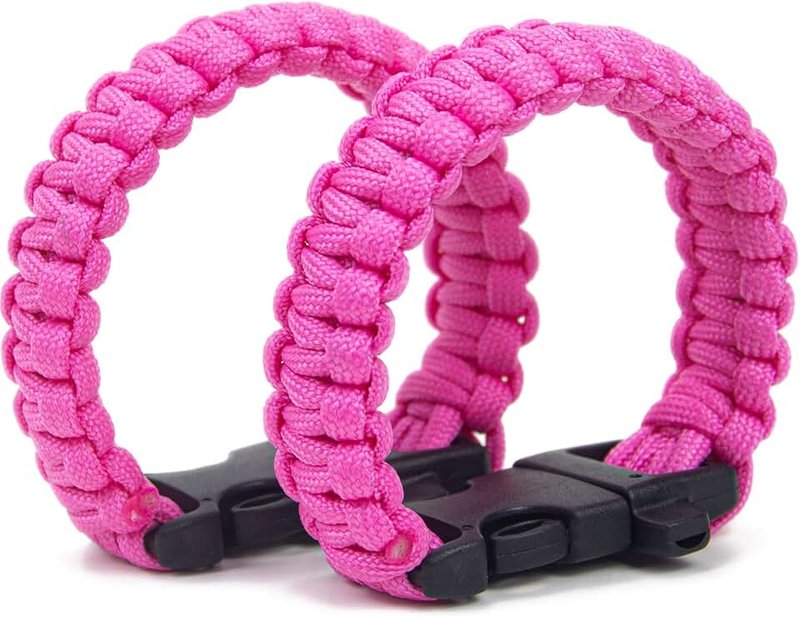
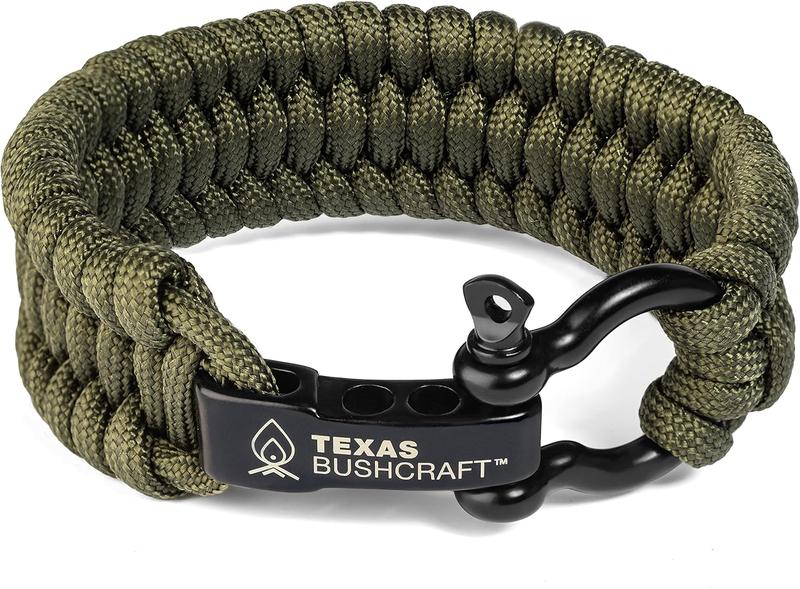
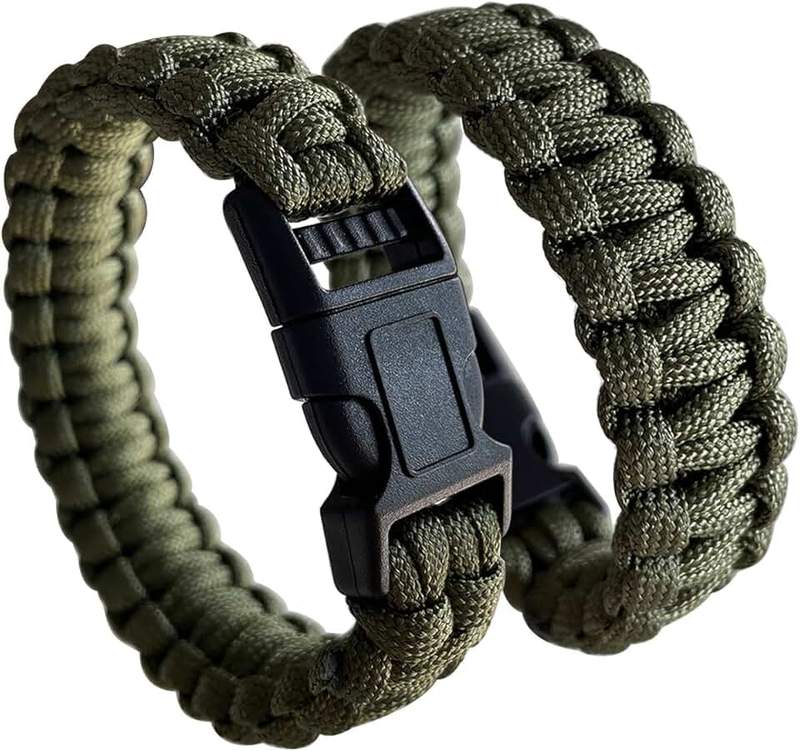
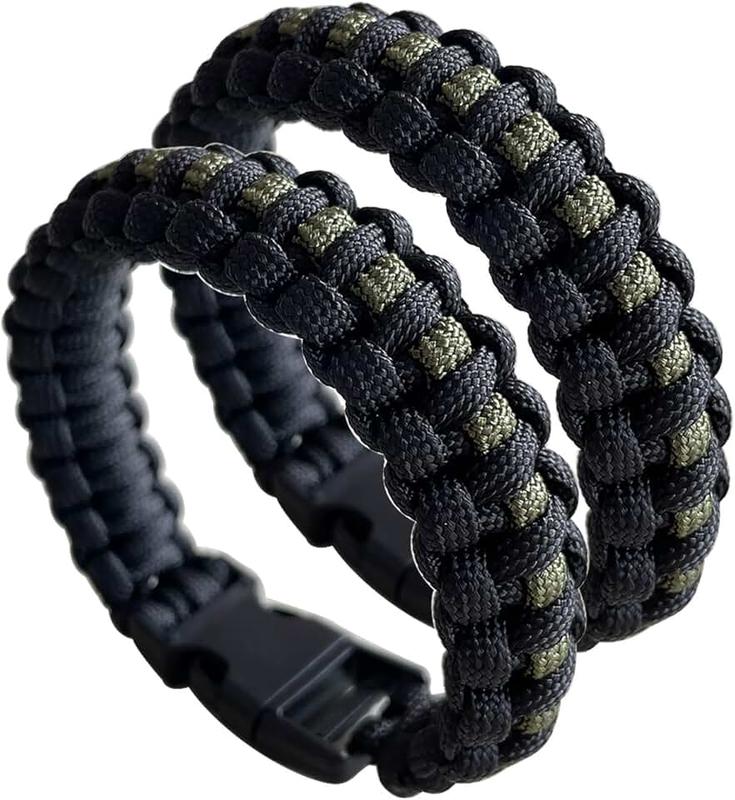
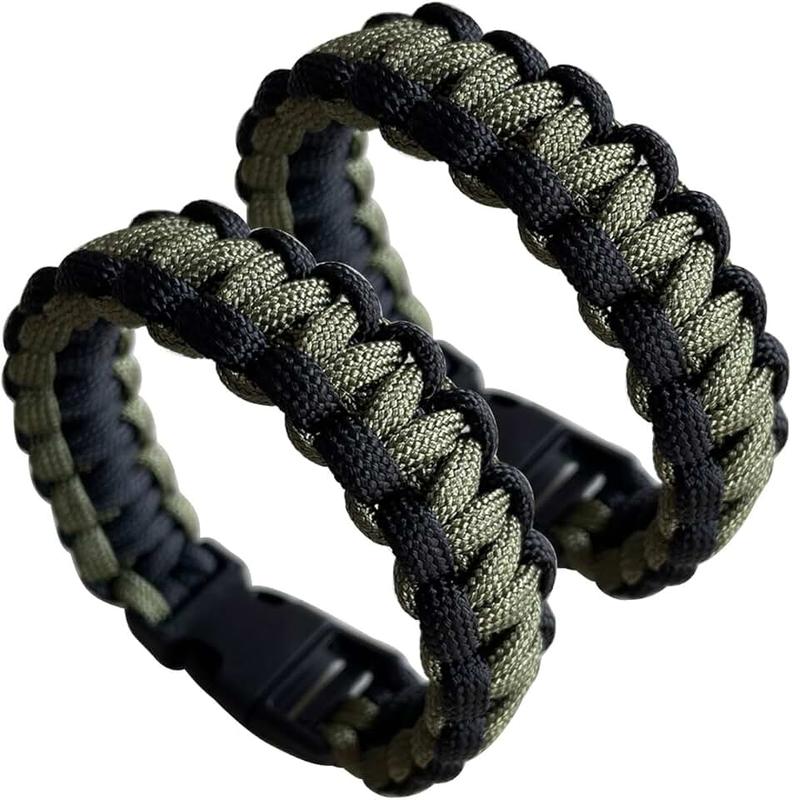
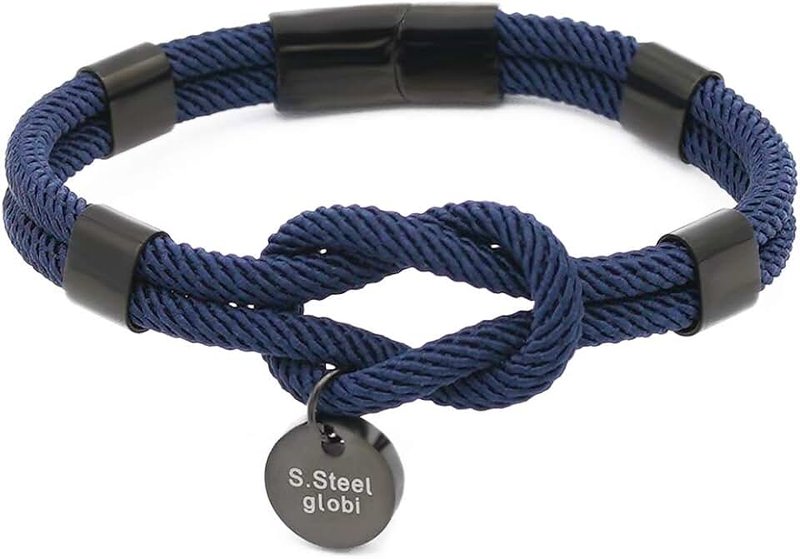
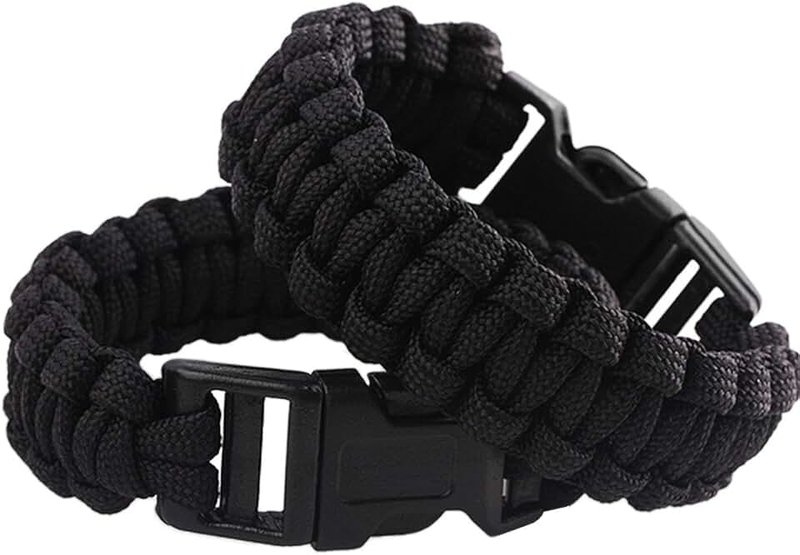
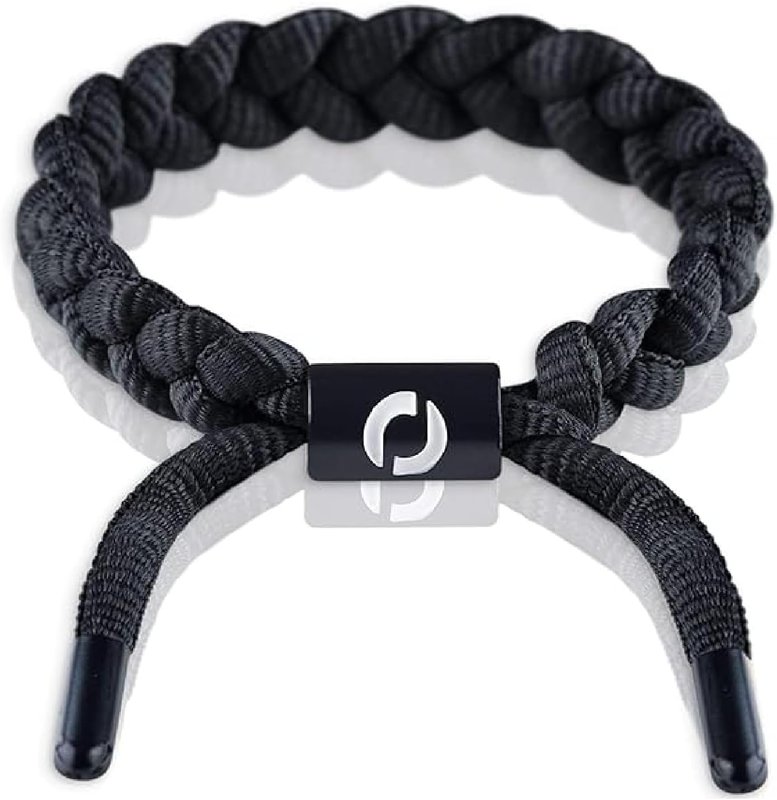
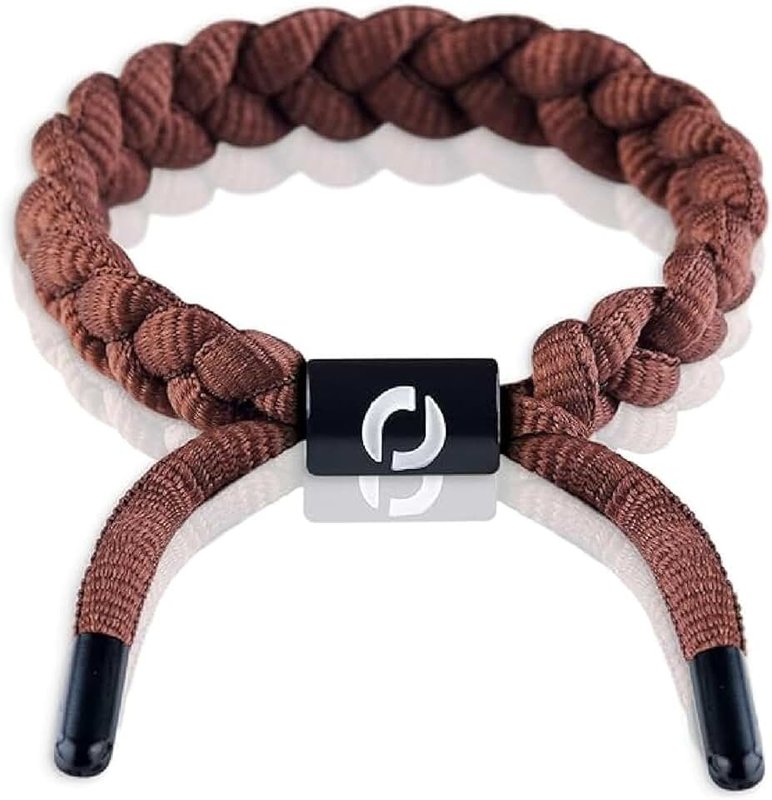
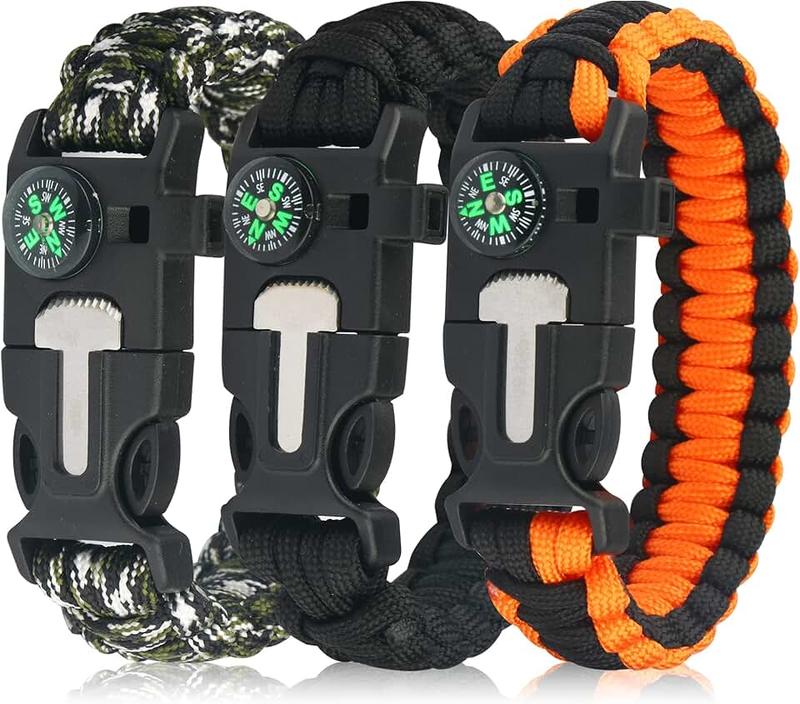
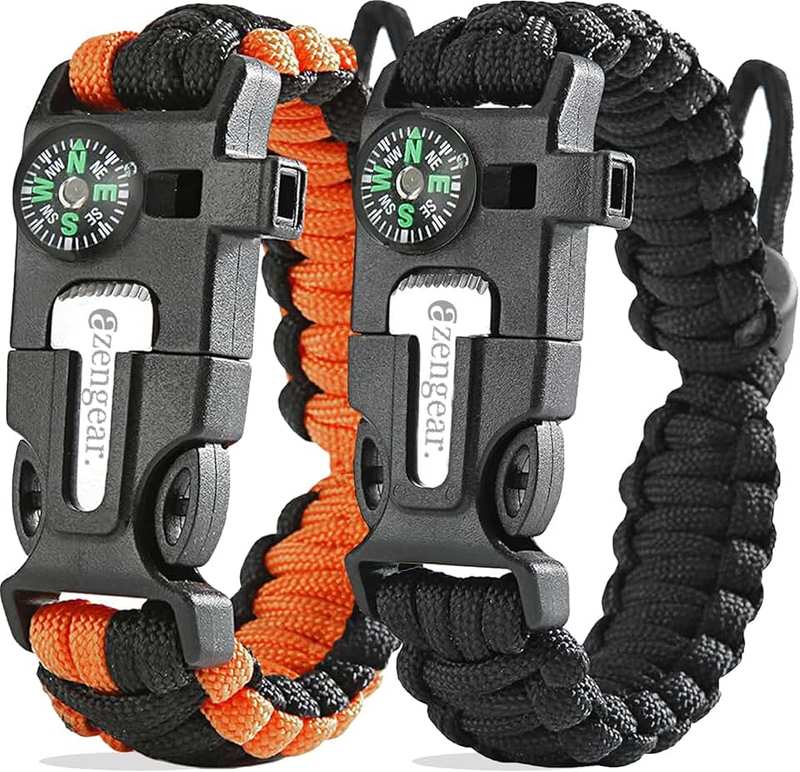
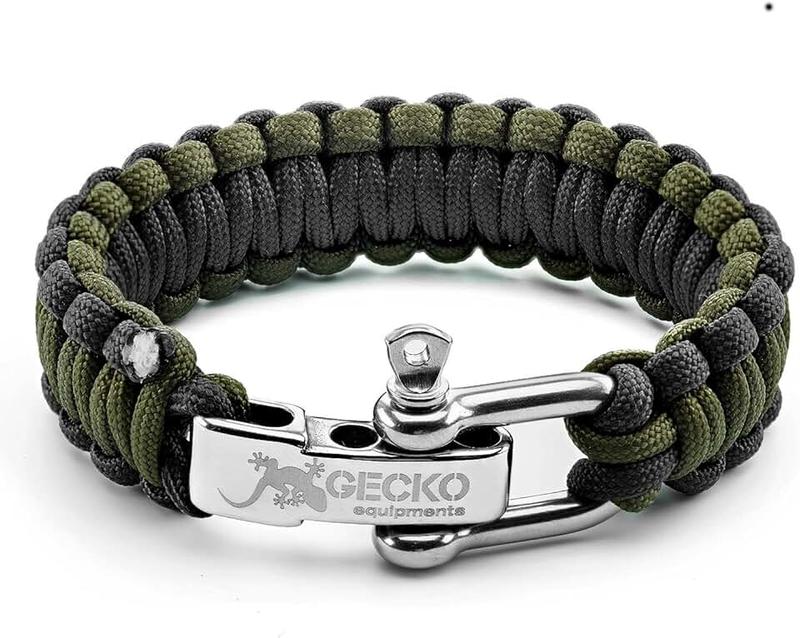
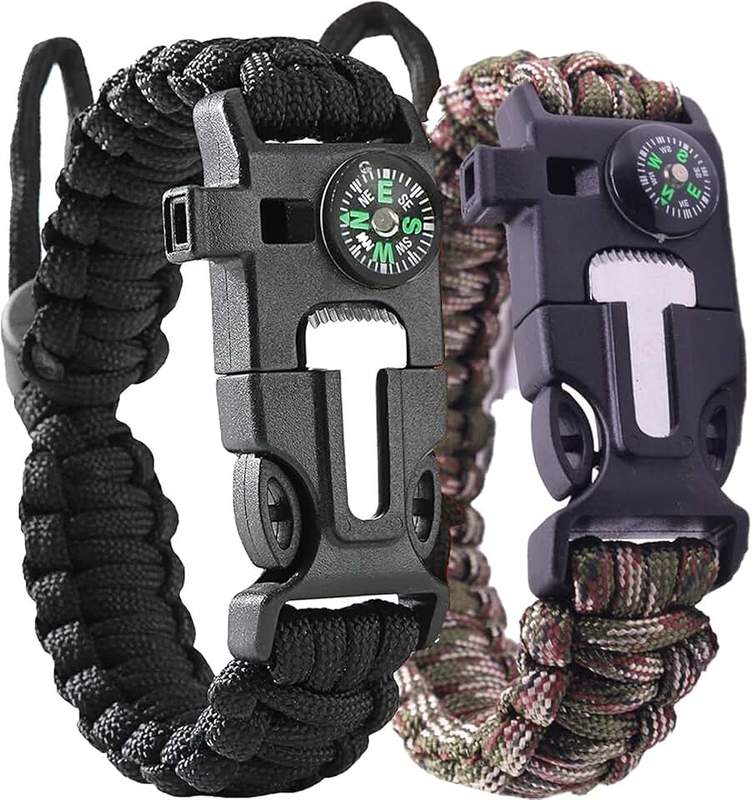
Not all survival bracelets are built the same. Some paracord survival bracelets are pure utility: a simple cobra or fishtail weave with a plastic side-release buckle, designed to be unravelled fast when you need the cord. Others are more jewellery-focused — tighter weaves, metal hardware, sometimes mixed with leather or stainless steel beads — and while they still use genuine paracord for bracelets, they’re harder to unravel quickly.
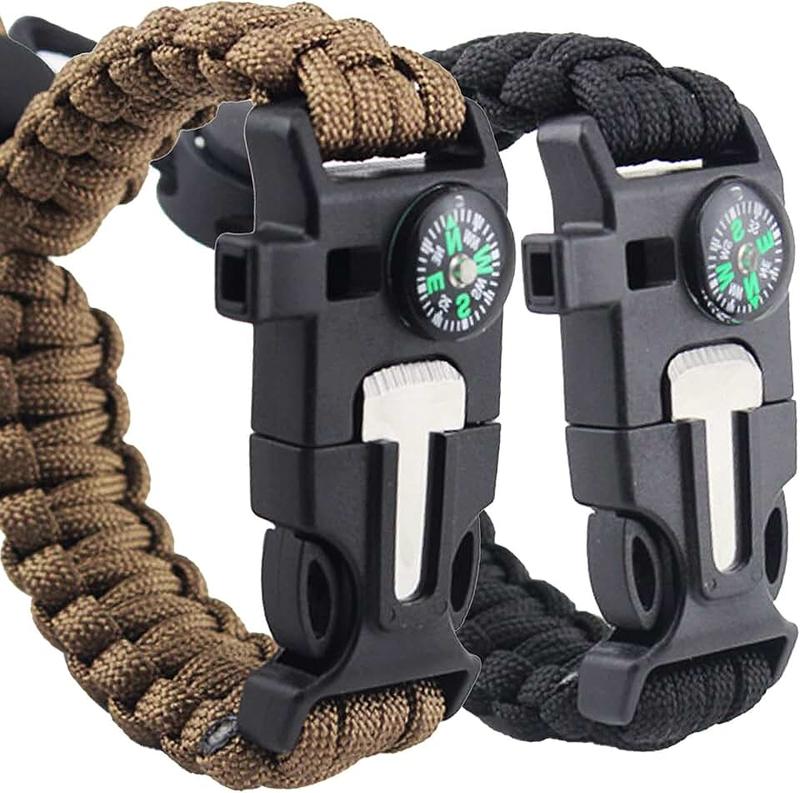
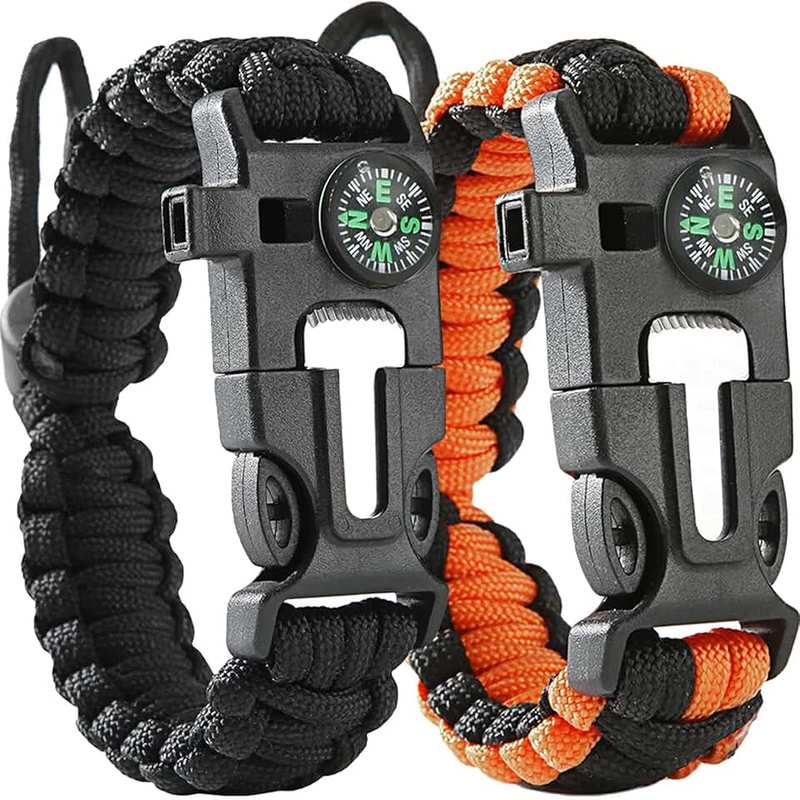
If you’re genuinely buying a survival wristband for outdoor use, look for a side-release buckle rather than a sliding knot, and a simple weave like cobra or Solomon bar. These come apart in seconds. If it’s more for style, the more intricate knotwork and upgraded clasps look great but treat them as fashion-forward gear rather than emergency kit.
Buying a Paracord Bracelet in Australia
Paracord bracelet Australia options have expanded considerably — you’re no longer stuck ordering from overseas and waiting weeks. Local makers and small online retailers now sell everything from basic survival bracelets to custom colour combinations. Expect to pay 5–5 AUD for a solid handmade paracord bracelet from a local seller. Mass-produced imports can sit around –5, but the cord quality and buckle strength are often noticeably lower.
One thing worth checking: is it genuine Type III 550 paracord or a cheaper imitation? Real paracord has 7–9 inner strands visible when you cut the sheath. Cheap alternatives — sometimes sold as para rope bracelet stock — look identical on the outside but have fewer inner strands and break at much lower weights. If you’re buying a parachute cord bracelet specifically for outdoor or emergency use, this distinction genuinely matters.
Mens Paracord Bracelets: What to Look For
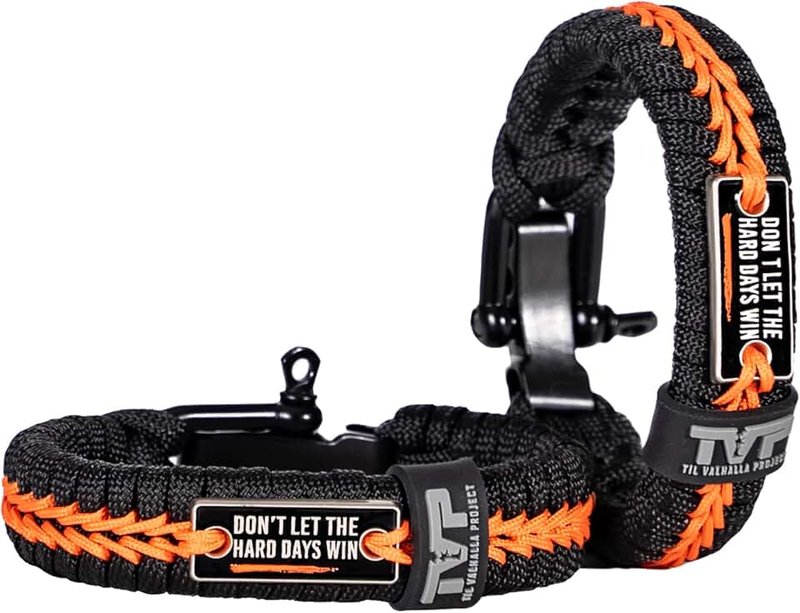
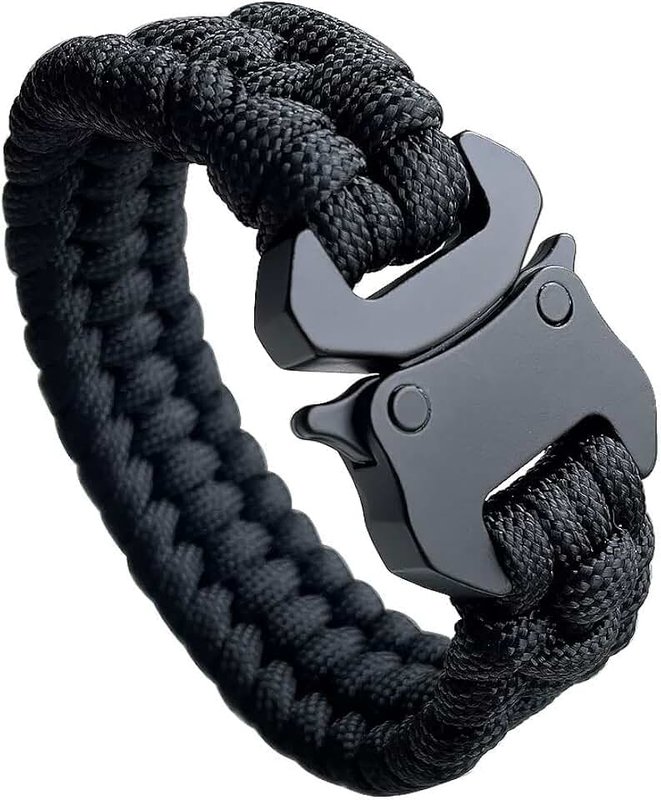
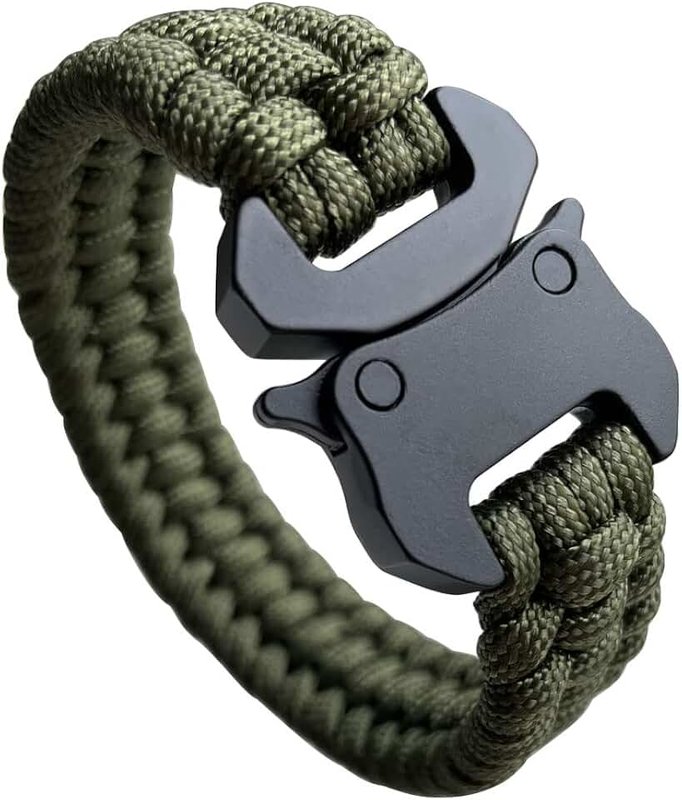
Mens paracord bracelets tend to run wider and bulkier than women’s styles, and that’s mostly intentional — double cobra weaves, two-colour patterns, and metal shackle clasps all add visual weight that suits a broader wrist. A good men’s paracord bracelet sits flat, doesn’t slip around during activity, and the clasp shouldn’t dig in when you’re using your hands. Metal buckles in stainless steel or zinc alloy hold up far better for daily wear than cheap plastic, though they add a few grams to the overall weight.
For sizing a mens paracord bracelet, measure your wrist in centimetres and add 1–1.5cm for a comfortable fit. Most men’s styles are sized between 18cm and 22cm. If you’re buying online and the sizing seems vague, ask the seller — a well-made wristband paracord should be sized accurately enough that there’s no second-guessing at checkout.
Colours, Patterns and Customisation
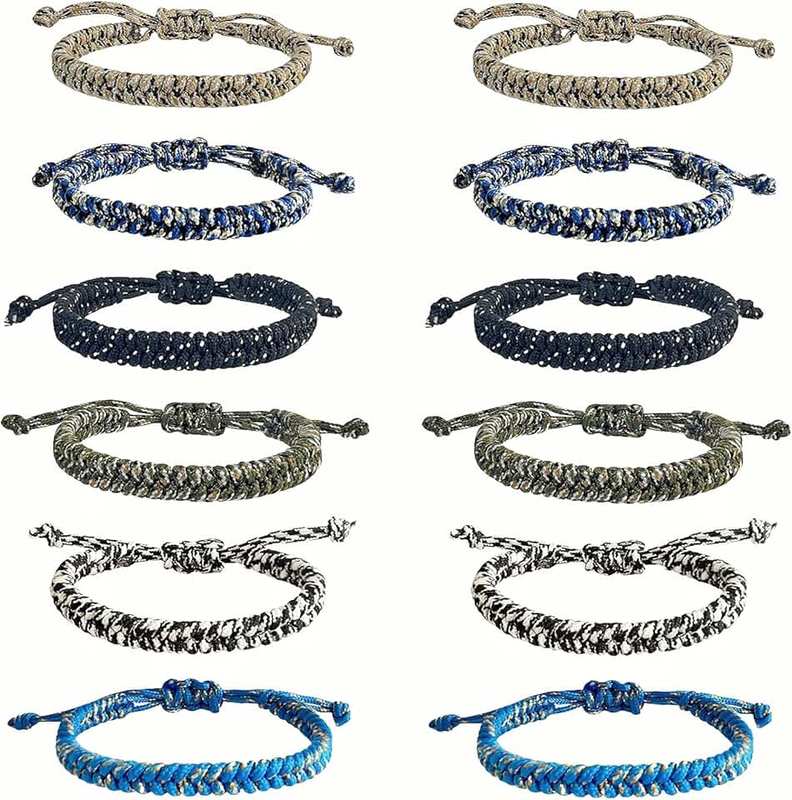
Paracord comes in hundreds of colours and camouflage patterns. For everyday wear, solid colours — black, navy, olive drab, burgundy — tend to age well and pair with more outfits. Camo and bright neon patterns are popular for kids and outdoor-specific use. Many local Australian makers will do custom colour combinations on request, which makes a paracord bracelet a genuinely thoughtful gift at a very reasonable price point.
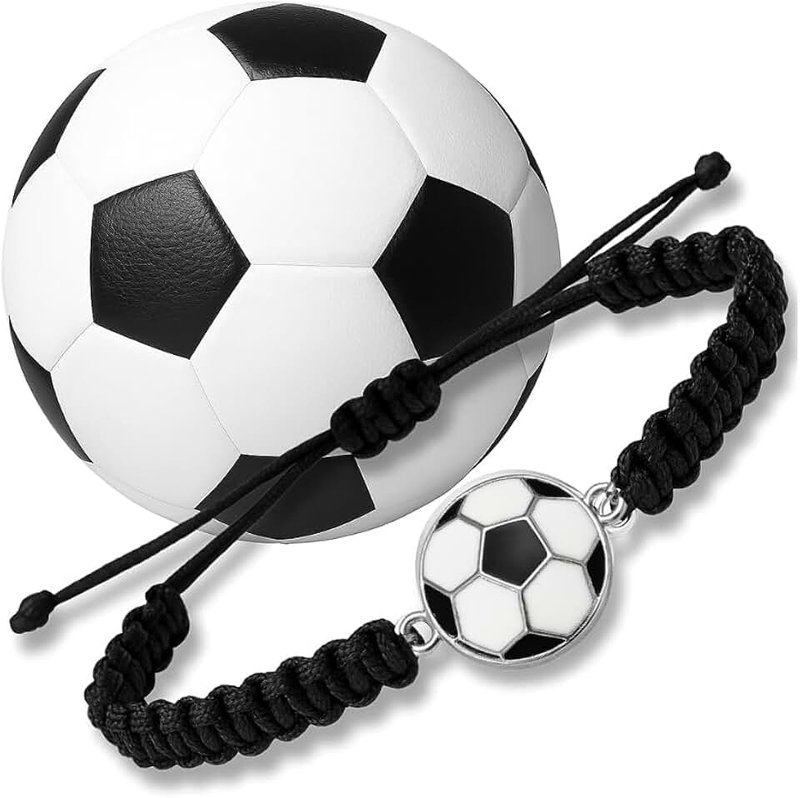
If you want something beyond a standard woven style, look for bracelets that combine paracord with other materials: leather wrapping, copper or brass beads, or a compass built into the buckle. These hybrid styles blur the line between survival wristband and proper everyday jewellery, and honestly they’re where the category has gotten most interesting over the last few years. You’re still getting functional cord — just dressed up a bit.
How do I know if paracord bracelets are genuine quality?
Look for hallmarks, stamps, or certificates that verify the material. Reputable Australian sellers provide authenticity details and clear return policies. Check the weight and finish — quality pieces feel solid and have a clean, even surface without rough spots or discolouration.
What is the best way to care for paracord bracelets?
Clean with a soft cloth and lukewarm water with mild soap. Avoid exposure to harsh chemicals, chlorine, and perfumes. Store each piece separately in a soft pouch or lined box to prevent scratches. Regular gentle cleaning keeps the appearance fresh without risking damage.
Can I buy paracord bracelets online in Australia with confidence?
Yes, provided you buy from established sellers with clear product descriptions, genuine photos, and a solid returns policy. Check customer reviews and look for Australian-based businesses or those with local support. Compare prices across a few trusted sources to make sure you are getting fair value.